#wearables
#wearables
[ follow ]
#meta #smart-glasses #health-tracking #technology #apple #smartwatch #augmented-reality #smart-ring #reality-labs
fromThe Verge
2 days agoAmazon's Panos Panay addresses new Fire phone rumors
“I think your black and white question is, are you going after a phone? A lot of people want me to say no, but a lot of people want me to say yes, I get it. Here's my take: it's not necessarily [that] we're going after a phone, no.”
Mobile UX













Wearables
fromYanko Design - Modern Industrial Design News
3 months agoForget Step Counters: Dreame's New Smart Rings Focus On ECG Reports, Sleep, And Real-Time Emotion Data - Yanko Design
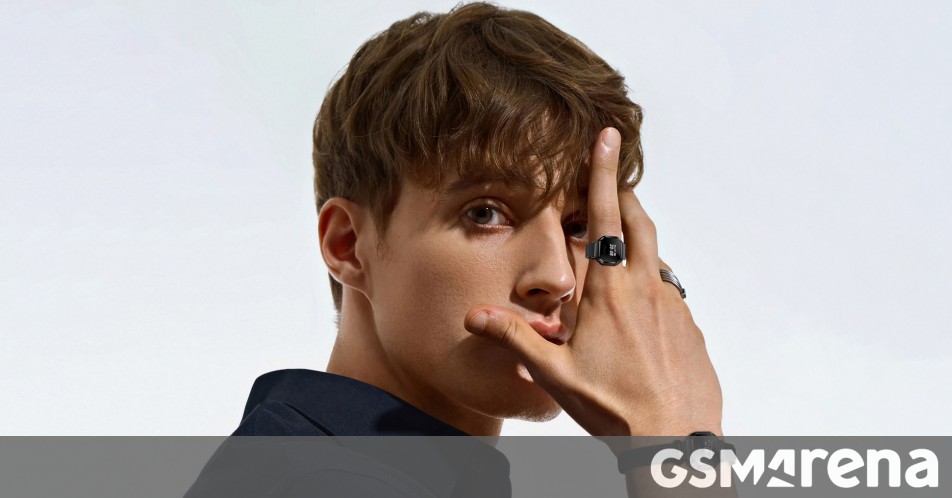
Dreame's two-ring strategy includes a clinical-grade Health Ring and an AI Smart Haptic Ring, using sensors to measure spectators' physiological and emotional responses.
fromLondon Business News | Londonlovesbusiness.com
3 months agoWearable tech sparks a stir at the Australian Open - London Business News | Londonlovesbusiness.com
A tennis match usually starts with rituals you can set your watch by. A towel tug, a ball bounce, a glance at the strings. This year, a different ritual stole the first spotlight, because officials asked top players to take off a wrist wearable before they played, and the moment landed like a plot twist you did not order. This piece walks you through what happened, why it happened, and what it says about where tennis sits with athlete data right now.
Wearables


fromYanko Design - Modern Industrial Design News
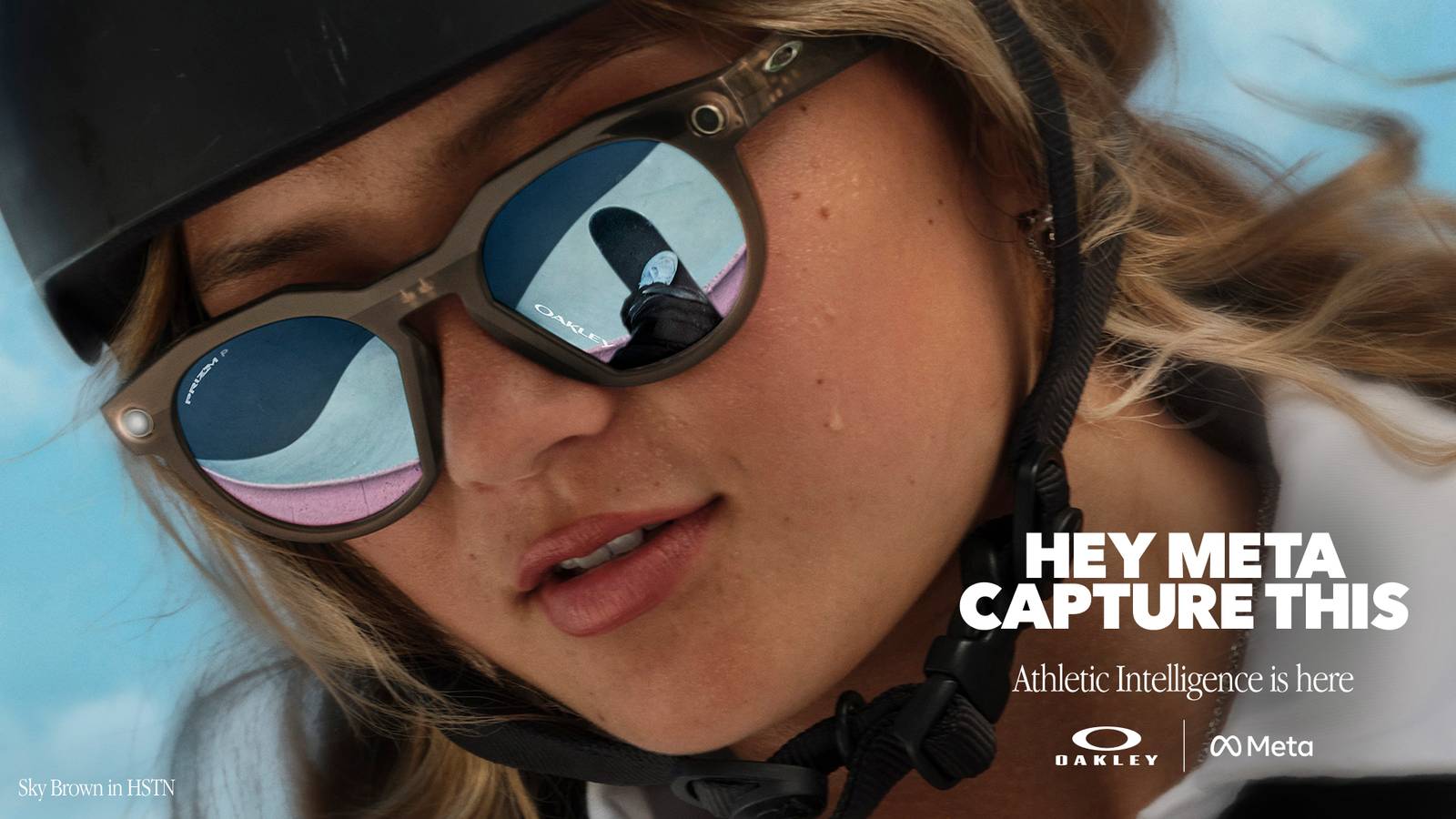
3 months agoMeta Misread the Future Twice. Now They're Sitting on a Golden Egg, But Don't Know It - Yanko Design
Mark Zuckerberg changed his company's name to Meta in October 2021 because he believed the future was virtual. Not just sort-of virtual, like Instagram filters or Zoom calls, but capital-V Virtual: immersive 3D worlds where you'd work, socialize, and live a parallel digital life through a VR headset. Four years and roughly $70 billion in cumulative Reality Labs losses later, Meta is quietly dismantling that vision.
Tech industry
fromInc
3 months agoWhoop Got Banned From the Australian Open, Then Turned the Controversy Into a Marketing Grand Slam
the founder and CEO of fitness technology company Whoop has found himself thrust into the center of a global controversy after his startup 's products became the unlikely breakout star of this year's Australian Open. It was not a typical viral moment. It happened after the top tennis players in the world across the women's and men's game, Aryna Sabalenka, Carlos Alcaraz, and Jannick Sinner, were all asked by umpires to remove their Whoop fitness devices from their wrists during the middle of their matches.
Wearables
fromThe Verge
3 months agoI wear lots of technology for a living, ask me anything
It's time for another exclusive AMA for Verge subscribers, and this time, I'll be your host. I cover everything from wearables to dystopian cursed tech like at-home urine labs and belligerent AI companions. At times, my job calls for flirting with Grok's AI girlfriend for 24 hours or coercing weird AI video apps to generate odd French-kissing videos. Other times, I'm making personas of myself in the Vision Pro. I also do normal things, like testing the latest smart glasses, smart rings, and smartwatches.
Wearables
Apple
fromThe Verge
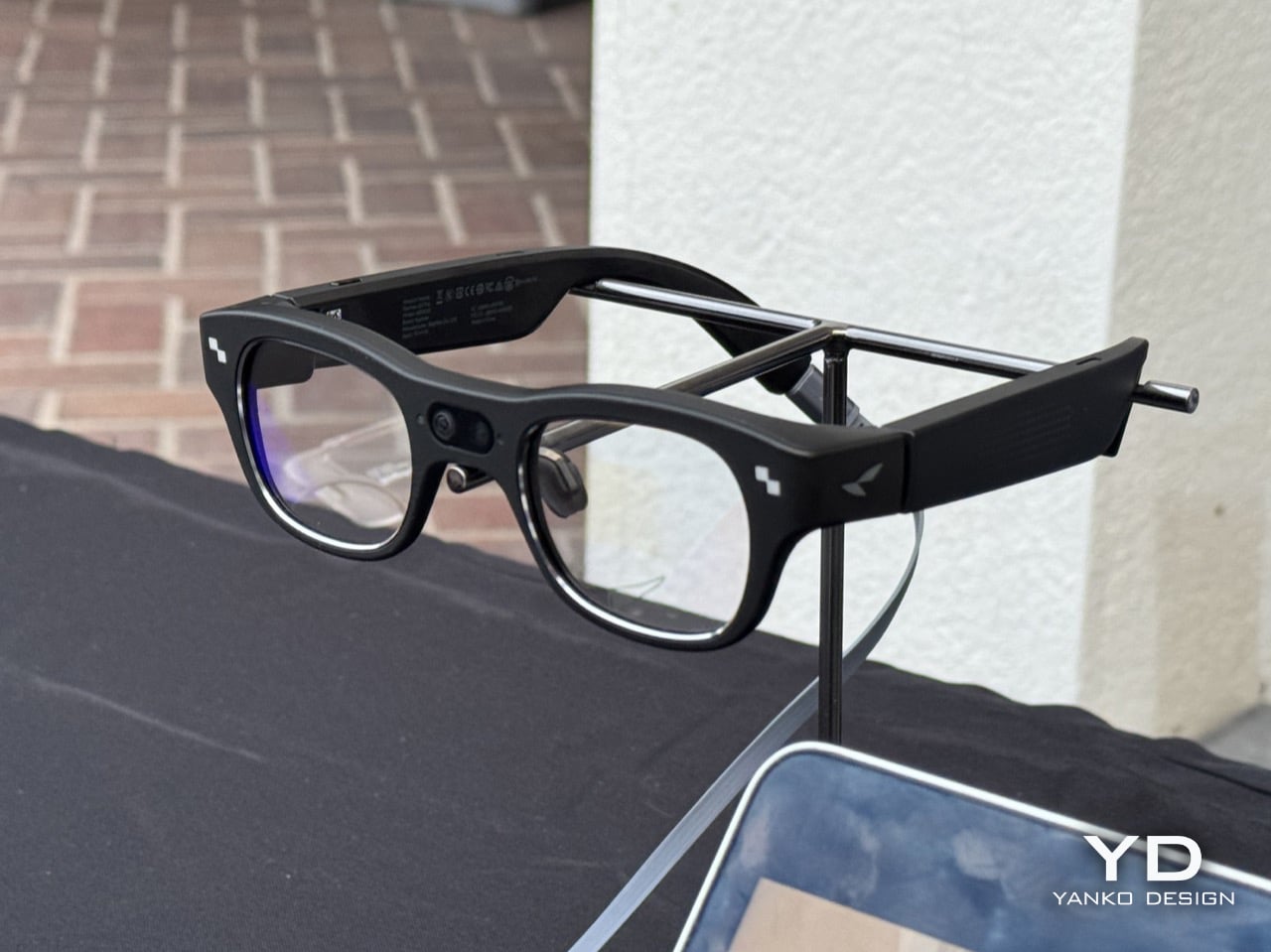
3 months agoApple's second biggest acquisition ever is an AI company that listens to 'silent speech'
Apple acquired AI audio startup Q.ai to integrate imaging and audio machine-learning for nonverbal/micro-movement recognition, enabling whispered-speech interfaces across AirPods, Vision Pro, iPhone, and Macs.


fromZDNET
3 months agoThis might be the best way to get medical advice from ChatGPT - and it's free to use
OpenAI wants to make sure that any medical information you get from ChatGPT is as accurate as possible. Approximately 40 million people a day rely on ChatGPT for medical questions. In response, OpenAI announced ChatGPT Health, a "dedicated experience" in ChatGPT that's centered around health and wellness. The feature will enable you to combine your medical records and wearable data with the AI's intelligence, "to ground conversations in your own health information," according to OpenAI. You can use it to help you prepare for your next appointment, plan questions to ask your doctor, receive customized diet plans or workout routines, and more.
Health

fromYanko Design - Modern Industrial Design News
3 months ago5 AI Devices That Just Made Smartphones Look Obsolete in 2026 - Yanko Design
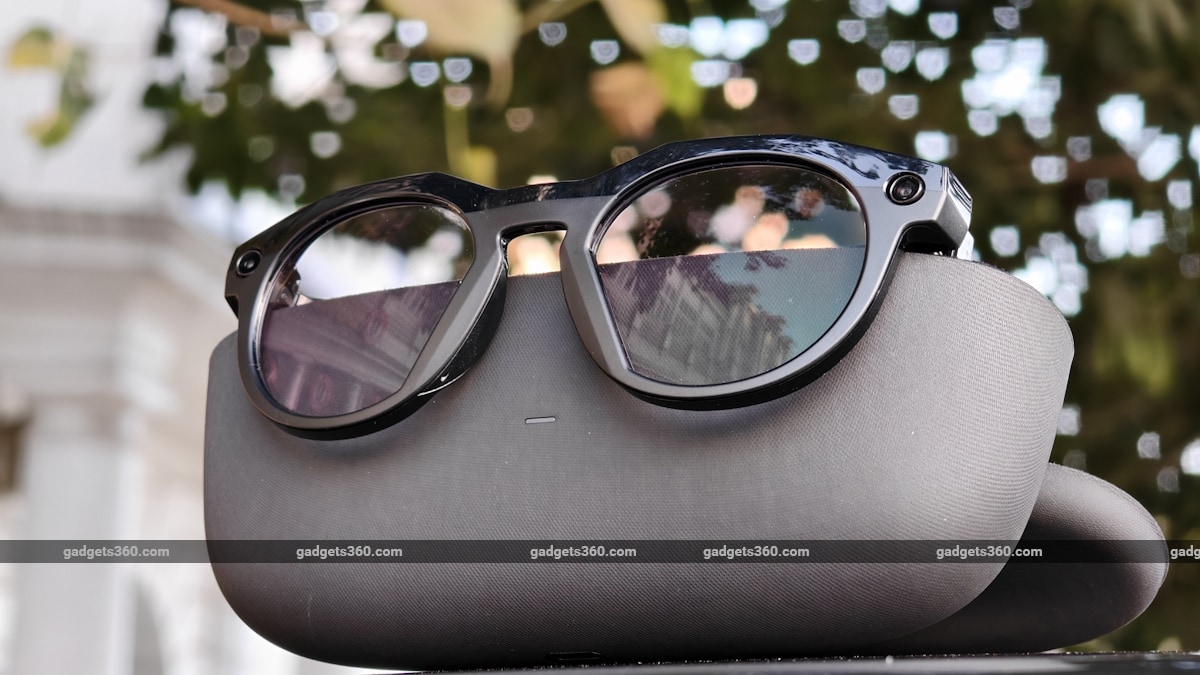
The year 2026 marks a historic pivot in personal technology. We are moving past the era of the "AI chatbot" trapped inside a website and entering the age of ambient hardware. While 2025 was defined by software experimentation, 2026 is the year when specialized AI silicon, smart glasses, and wearable pins have matured into indispensable daily companions. These next-gen devices aren't just faster smartphones; they represent a fundamental shift in how we interact with the digital world.
Wearables
Wearables
fromYanko Design - Modern Industrial Design News
3 months agoStop Saying 'Hey Siri' in Public: This Finger Ring Concept Responds to Taps - Yanko Design
Dribble turns an index finger into a discreet pill-shaped input device for quick, private taps and glances enabling messaging, AI, health, and payments.
fromThe Verge
3 months agoNatural Cycles launches wristband to replace thermometers for its FDA-cleared birth control app
Natural Cycles, the company behind a controversial FDA-cleared birth control app, is replacing its thermometer with a wristband that measures skin temperature, heart rate, and movement during sleep. The newly-launched wristband costs $129.99 and syncs with the Natural Cycles app, which uses an algorithm to determine a person's "daily fertility status." Users can already track their fertility by pairing an Apple Watch or Oura Ring with Natural Cycles, but the wristband could be an option for users who don't have either of these devices handy.
Wearables
fromGSMArena.com
3 months agoXiaomi Mijia Smart Audio Glasses and Redmi Buds 8 Lite debut
Mijia Smart Audio Glasses look like regular glasses but incorporate dual speakers and quad microphones. This means they can be used like a pair of wireless earbuds with some additional smart features. They feature touch-sensitive areas on the temples, which allow you to adjust playback, volume, access your device's voice assistant or manage calls. Xiaomi also added real-time recording for calls and meetings, which is accessible via a press-and-hold gesture on the temple.
Mobile UX
fromZDNET
3 months agoAre AI health coach subscriptions a scam? My verdict after testing Fitbit's for a month
What can AI do for my health? Before testing Google's revamped Fitbit Premium, powered by Gemini, I didn't believe it could do that much. Of course, I'm aware of the technology's ability to comb through large datasets to decode patterns. That's helpful for exercise, sleep tracking, or predicting illness or strain. It's one of the reasons I love using devices like smartwatches and smart rings to track my health.
Wellness


Startup companies
fromTechCrunch
4 months agoPebble founder says his new company is 'not a startup' | TechCrunch
Eric Migicovsky relaunched Pebble as Core Devices, focusing on a small, self-funded, inventory-on-demand hardware business structured for sustainable profitability rather than startup-style scaling.
fromwww.theguardian.com
4 months agoAn active January: 14 motivation-boosting buys to help you stick to your resolutions
January always arrives with that peculiar cocktail of hope and lethargy: the eagerness to be better mixed with the deep, gravitational pull of the sofa. After weeks of festivities, the desire to reset our bodies is real, but translating that into action is much harder. The Guardian's journalism is independent. We will earn a commission if you buy something through an affiliate link. Learn more. Motivation ultimately lives in the doing, not the daydreaming,
Wellness
fromEngadget
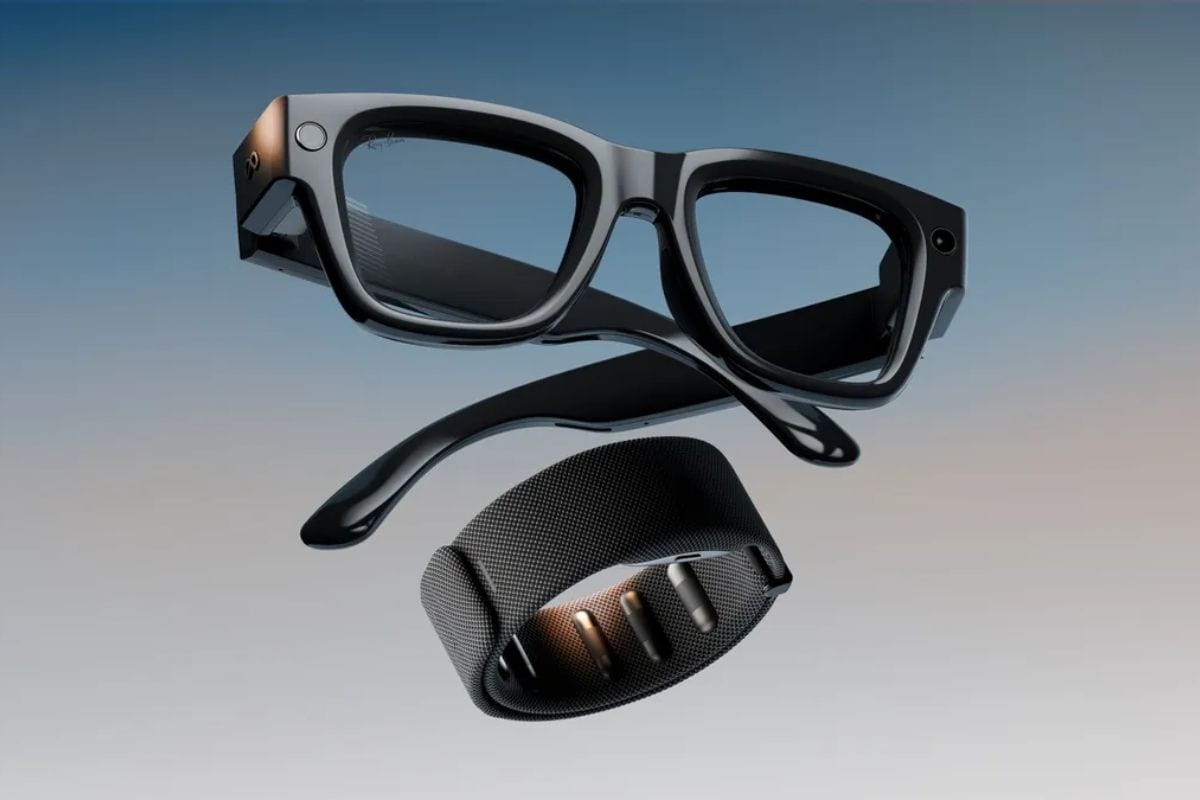
4 months agoHandwriting is my new favorite way to text with the Meta Ray-Ban Display glasses
When Meta first announced its display-enabled smart glasses last year, it teased a handwriting feature that allows users to send messages by tracing letters with their hands. Now, the company is starting to roll it out, with people enrolled in its early access program getting it first, I got a chance to try the feature at CES and it made me want to start wearing my Meta Ray-Ban Display glasses more often.
Wearables
fromFast Company
4 months agoNvidia and Siemens reveal fusion energy partnership at CES 2026
Crowds flooded the freshly opened showroom floors on Day 2 of the CES and were met by thousands of robots, AI companions, assistants, health longevity tech, wearables and more.Siemens President and CEO Roland Busch kicked off the day with a keynote detailing how its customers are harnessing artificial intelligence to transform their businesses. He was joined onstage by Nvidia CEO Jensen Huang to announce an expanded partnership, saying they are launching a new AI-driven industrial revolution to reinvent all aspects of manufacturing, production and supply chain management.
Artificial intelligence
fromEngadget
4 months agoiPolish brings color-changing press-on smart nails to CES
In the original, and best Total Recall, there's a scene where Rekall's receptionist uses a digital pen to change the color of her nail polish. It's only taken 35 years, but now a company has turned up to CES 2026 with a version that actually works outside a pricey sci-fi movie. iPolish is a company which makes press-on acrylic nails that, when you apply an electric charge, changes color.
Wearables
fromGameSpot
4 months agoRazer Reveals An AI-Powered Headset at CES 2026
CES 2026 has officially begun, and Razer is using this year's showcase to reveal a slew of AI-powered gadgets. One of the most intriguing debuts is Project Motoko, an AI headset powered by Snapdragon. Equipped with a pair of cameras near each earcup, it's capable of analyzing your surroundings and giving you audio feedback on what it sees. Razer says Project Motoko can provide all sorts of feedback to users.
Gadgets
fromYoga Journal
4 months agoIf Fitness Tracking Exhausts You, You're Not Alone. Here's What to Consider Instead.
As someone who comes alive at 2 am and can easily sink into an hour-long vortex of consuming YouTube shorts, I started using an Oura ring to act as a sort of pseudo-parent. It's motivated me to stand up from my desk more often, swap my mid-day social media breaks for 20-minute meditations, and develop a more calming before-bed routine than letting one episode of Vanderpump Rules turn into three.
Yoga
fromThe Verge
4 months agoThe taint bandaid has evolved into the taint zapper
Upon a sparse table lay a mannequin with its smooth Ken doll gooch exposed. In that valley of white plastic was a crude bandage. Next to the mannequin was a laptop running a slideshow about premature ejaculation. On one slide, a couple in black and white sits disgruntled. The woman has her arms crossed, displeased. The man sits despairingly with his head in his hands. This particular slide's accompanying text read "Premature ejaculation is the #1 male sexual dysfunction."
Gadgets
[ Load more ]