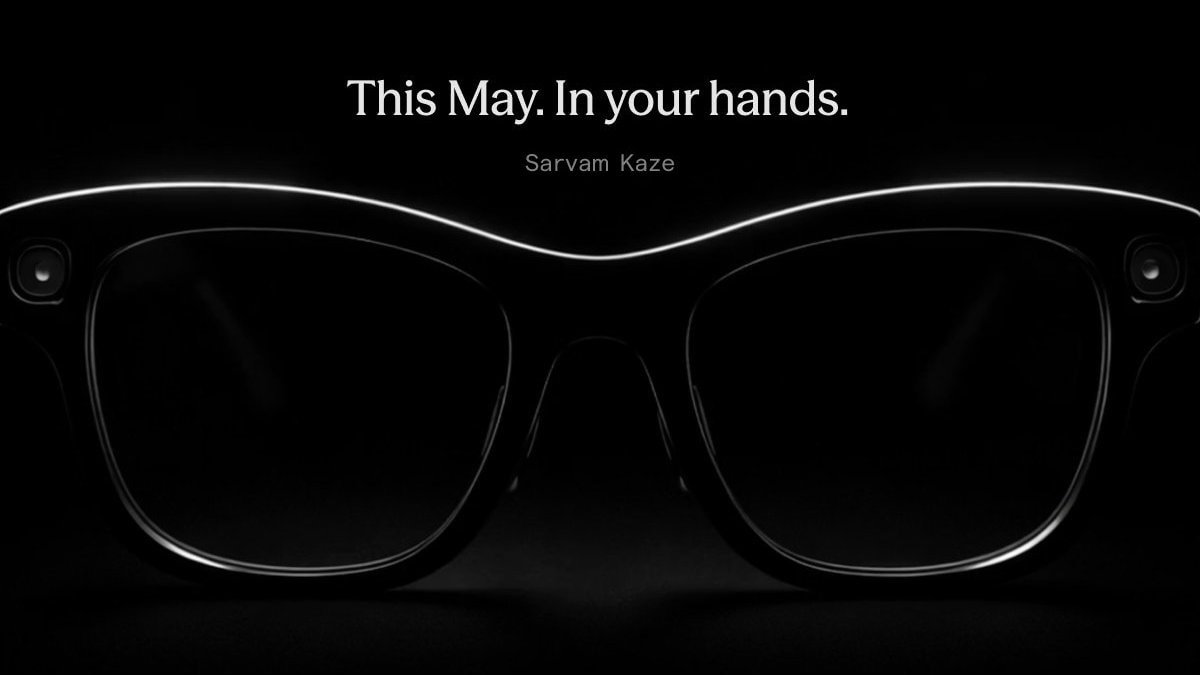
Smart glasses company Viture had a busy 2025, releasing its solid Luma series of glasses and ensuring that its pro mobile dock is compatible with Nintendo's Switch 2. Now it's kicking off 2026 by debuting a new model at CES, called The Beast, and it's available to preorder now for $549 with shipping starting in February. The price is high for a company known for
On a drizzly and windswept afternoon this summer, I visited the headquarters of Rokid, a startup developing smart glasses in Hangzhou, China. As I chatted with engineers, their words were swiftly translated from Mandarin to English, and then transcribed onto a tiny translucent screen just above my right eye using one of the company's new prototype devices. Rokid's high-tech spectacles use Qwen, an open-weight large language model developed by the Chinese ecommerce giant Alibaba.
Looking at hardware, the color displays are clear and bright in all lighting conditions and I haven't had any issues seeing them. The glasses are powered by a Qualcomm Snapdragon AR1 Gen 1 chipset, which is powerful, but unfortunately hasn't resulted in very good battery life. I've been getting about one to two hours of battery life, but it's also highly dependent on how active you are with the OS.
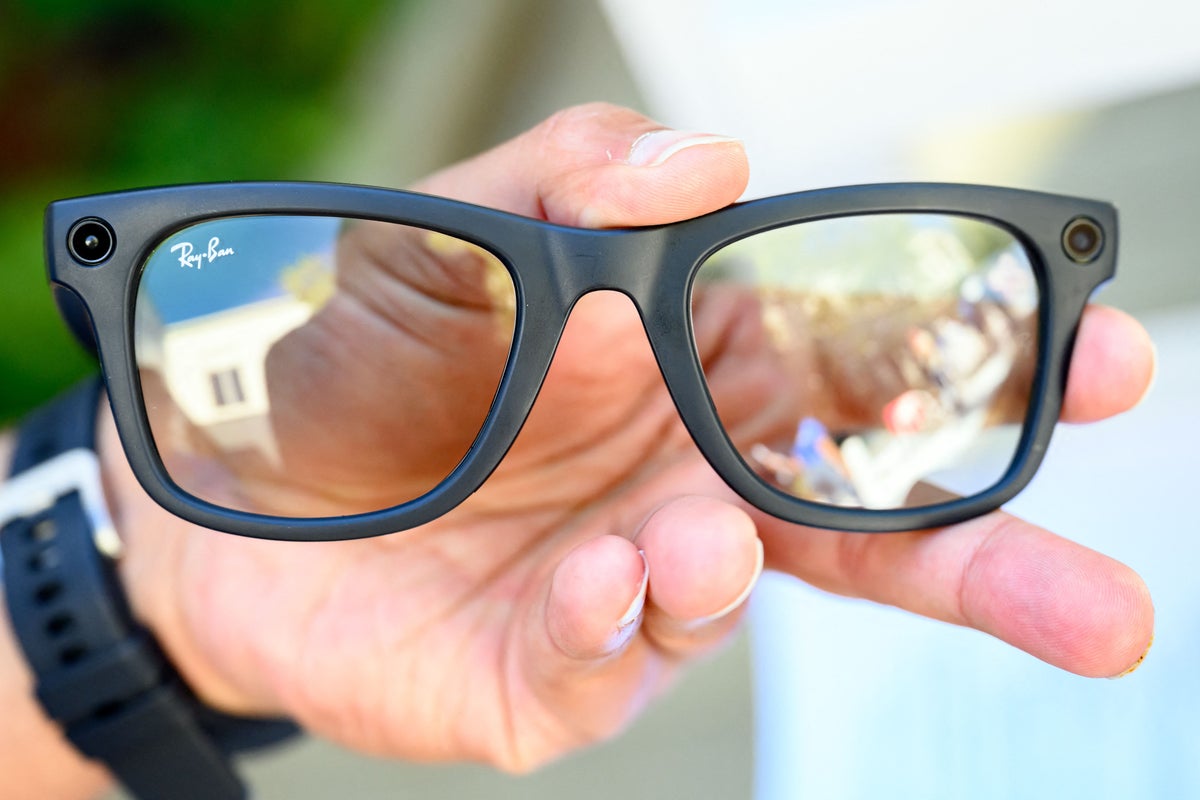
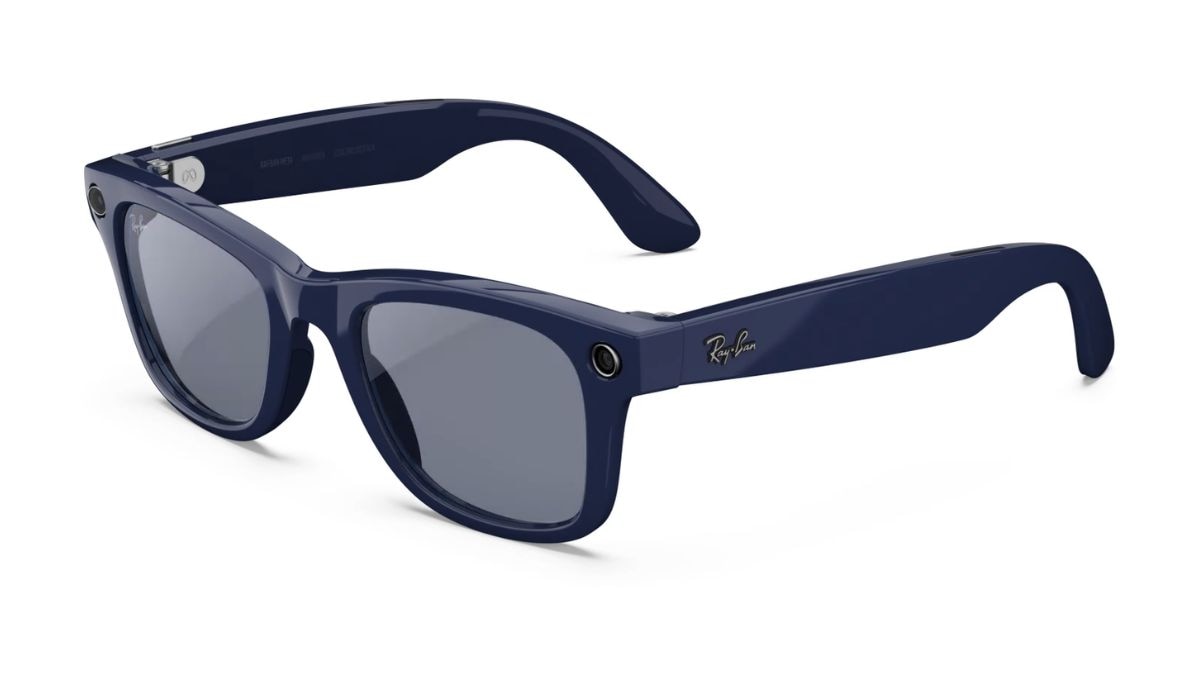
If you're thinking about picking up Meta's latest smart glasses, there's a new program you'll want to know about. For the first time, you can trade in older devices and get credit toward the purchase of new Meta Oakley or Ray-Ban smart glasses. Meta hasn't officially announced anything, but there is a terms and conditions page for the new program on Meta's site.
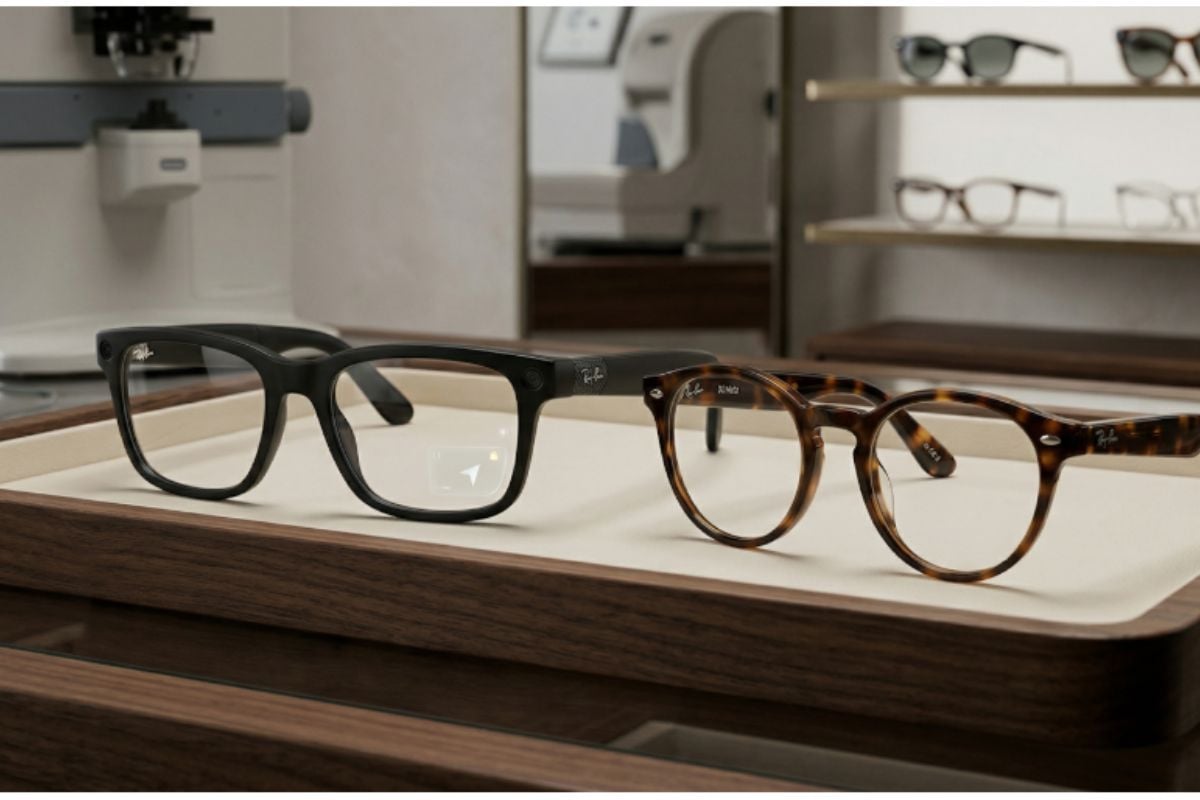
Meta's Ray-Ban glasses have quietly sold over 2 million pairs, growing 60 percent year over year, which means there's actually a market for this stuff when done right. Samsung's apparently aiming for a 2026 launch at around $379 with a 50-gram frame, photochromic lenses, a 12MP camera, and Gemini AI handling translations and notifications. They're partnering with Gentle Monster and Warby Parker, which suggests someone there finally understood that tech specs don't matter if people feel ridiculous wearing them in public.
The company announced the Even G2 smart glasses, sporting a bigger display in a lighter frame, alongside the R1 smart ring, which can control the display on the lenses. As Meta's Ray-Ban smart glasses continue to turn your face into a computer, with a camera and speaker, Even Realities is doubling down on a design that eschews those components. Instead, it's focusing on extending your smartphone through the display of its smart glasses while figuring out new mechanisms for controlling the experience.
As I wore them on one of my walks through San Francisco, on the shore of Ocean Beach, I came upon a dolphin-like fish that had washed up on the sand. Though I got my camera glasses close enough to the thing that I could smell it, Meta's AI assistant could not tell me what kind of animal it was. It correctly identified that it was very dead and that I should not touch it.
The startup, headed by former Oculus co-founder and CEO Brendan Iribe and Ankit Kumar, former CTO of AR startup Ubiquity6, is working to create a personal AI agent that interacts with users using a natural-sounding human voice. The company plans to embed the personal AI agent into lightweight eyewear that is designed to be worn throughout the day and which users can interact with via voice.