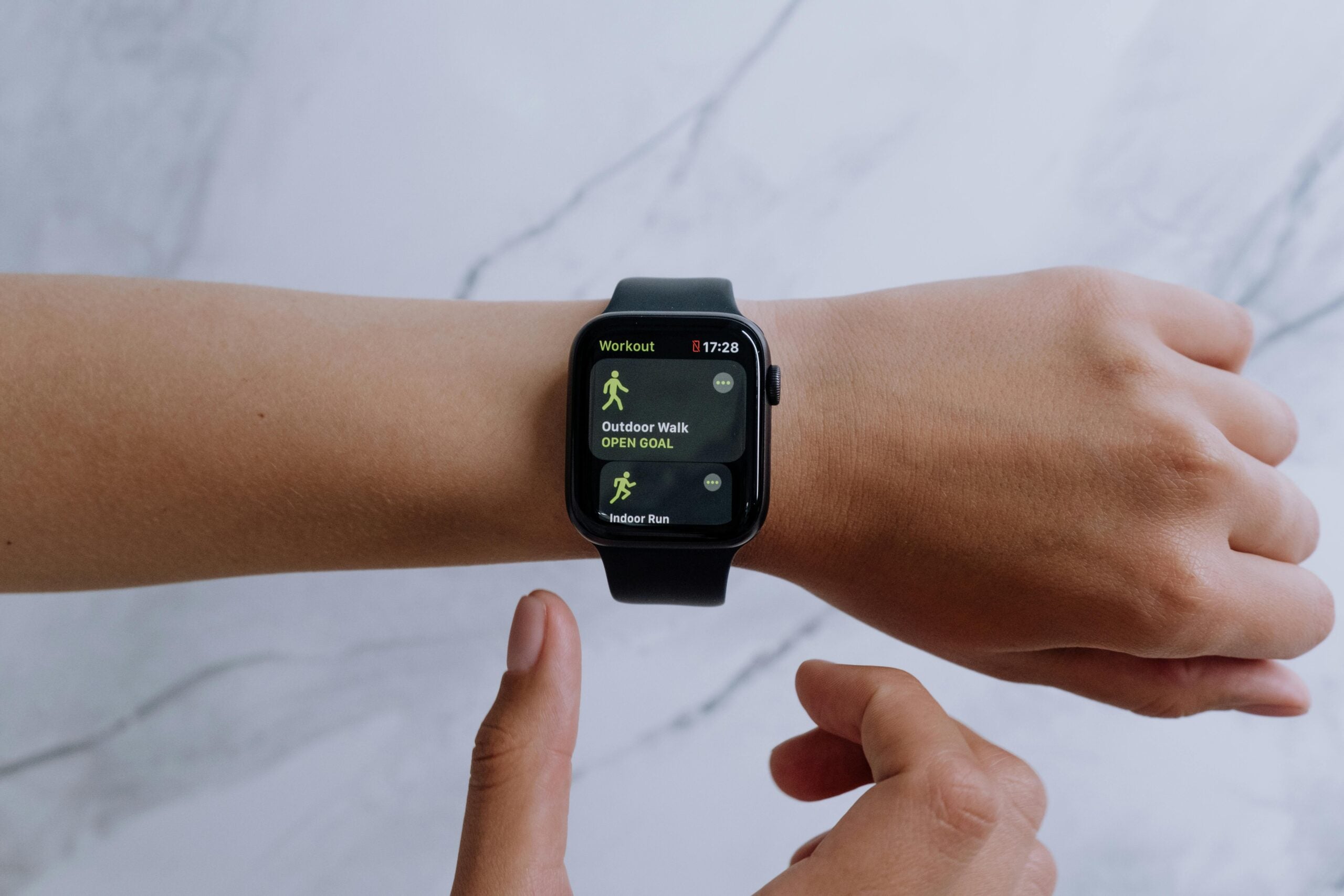
"As someone who comes alive at 2 am and can easily sink into an hour-long vortex of consuming YouTube shorts, I started using an Oura ring to act as a sort of pseudo-parent. It's motivated me to stand up from my desk more often, swap my mid-day social media breaks for 20-minute meditations, and develop a more calming before-bed routine than letting one episode of Vanderpump Rules turn into three."
"Some days, when I woke up feeling refreshed, I'd open the Oura app to see a "readiness" score that was less than ready. "Did I do something wrong, Oura gods?" I'd wonder. I'd rack my brain, recalling everything I did the day before that might've resulted in a score equivalent to a B- on a quiz. And sometimes, after walking for what I was certain was at least 6,000 steps, I'd open the Health app on my iPhone"
"The data also isn't something that's easy to de-personalize as I held my entire being up to its (arbitrary?) measuring stick. On days I fell short by 1,000 steps of my goal on my Oura or Health apps, I'd lift my standing desk into position and walk in place during a Zoom meeting-while impressively keeping my upper body still enough that no one noticed my secret exercise session."
An Oura ring prompted late-night habits to become healthier routines including standing, meditations, and a calm bedtime ritual. These habits increased movement and improved mood. Over time, biometric scores and step counts began to feel like moral judgments rather than neutral feedback. Lower readiness scores or missing step targets generated guilt, obsessive re-checking, compensatory behaviors like walking in place during Zoom, and immediate stress-reduction measures. The wearable’s metrics became an arbitrary measuring stick that personalized and quantified worth. Positive behavior change coexisted with a growing sense of indebtedness to device-driven standards.
Read at Yoga Journal
Unable to calculate read time
Collection
[
|
...
]