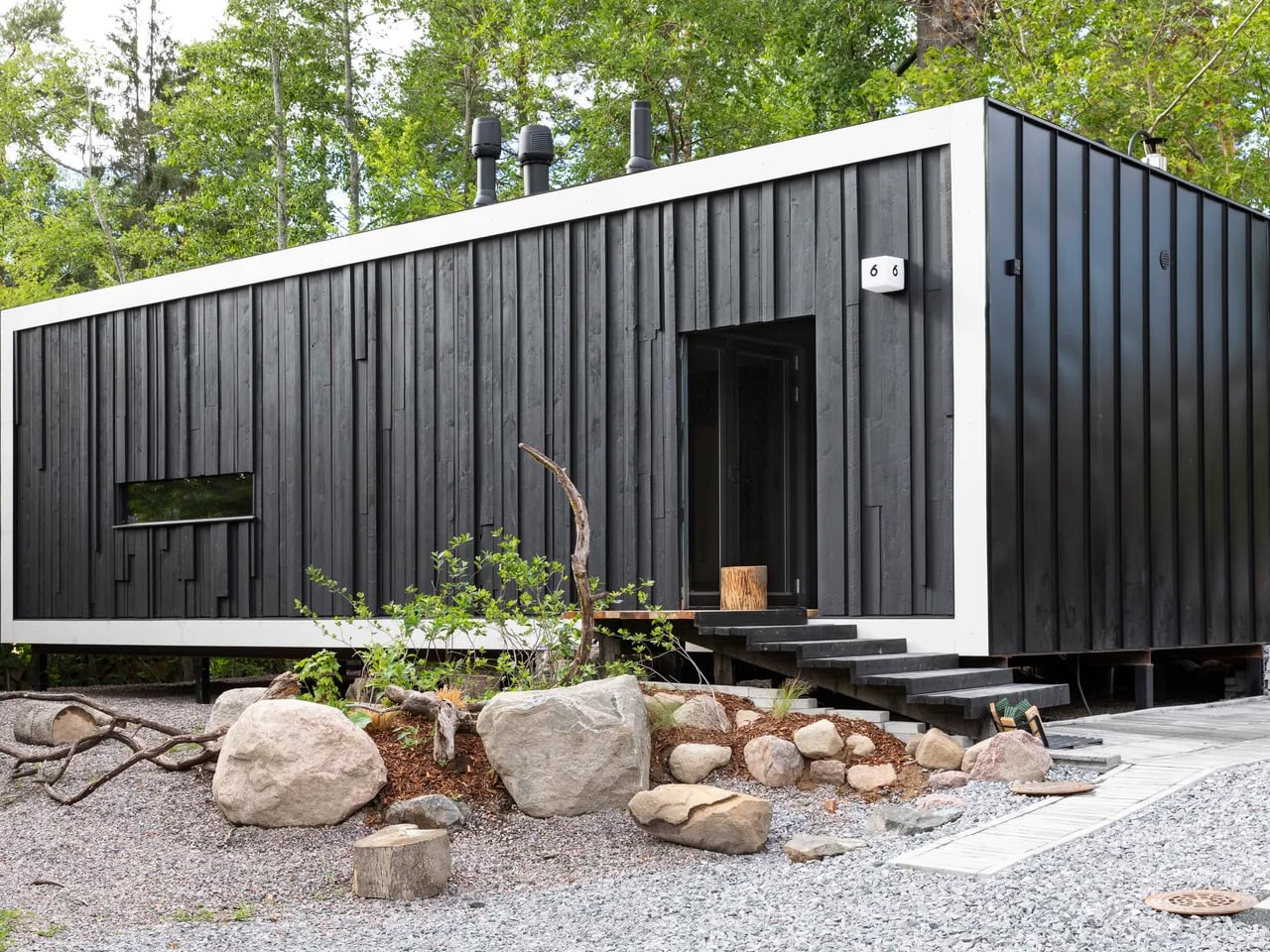
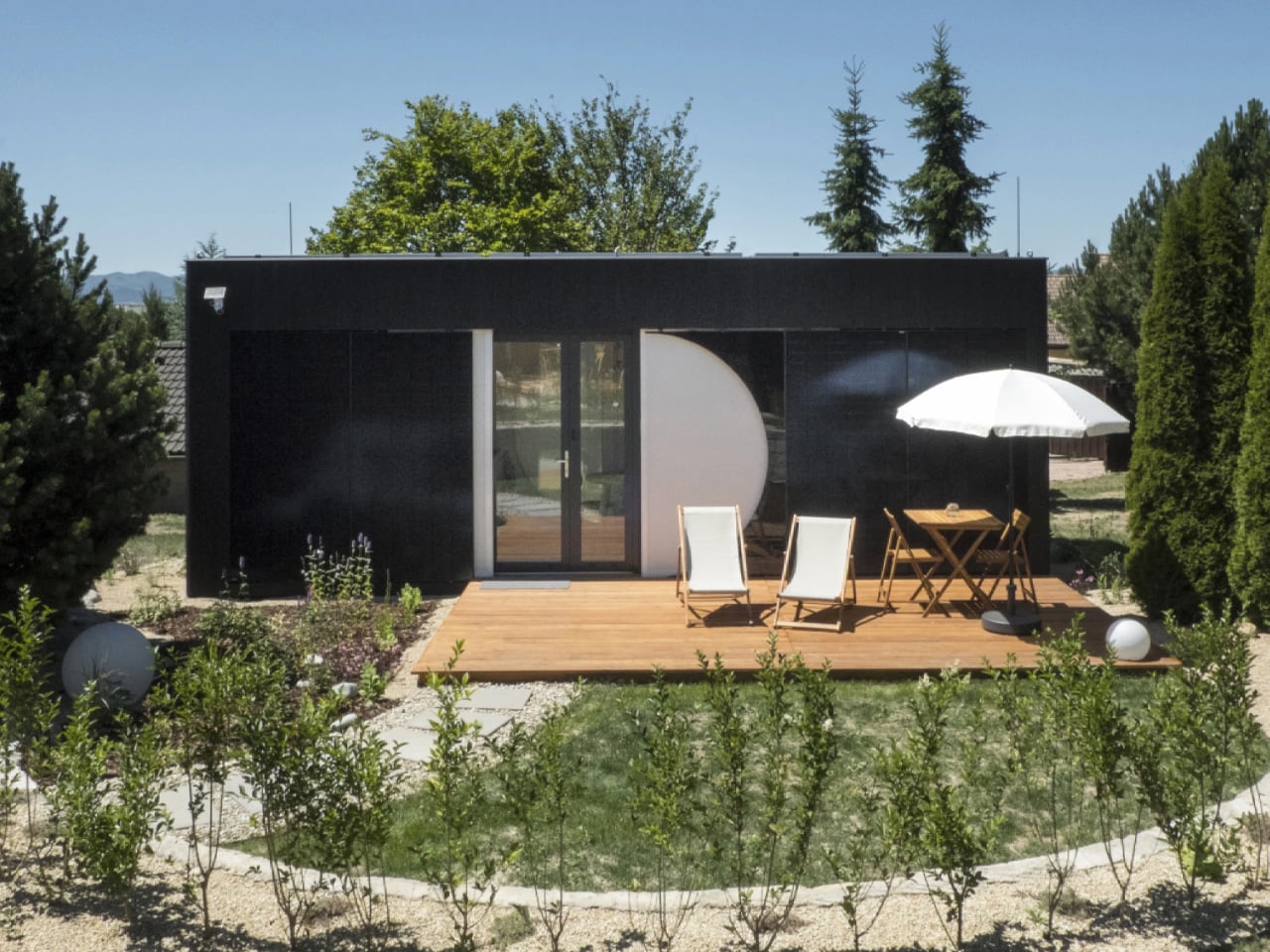
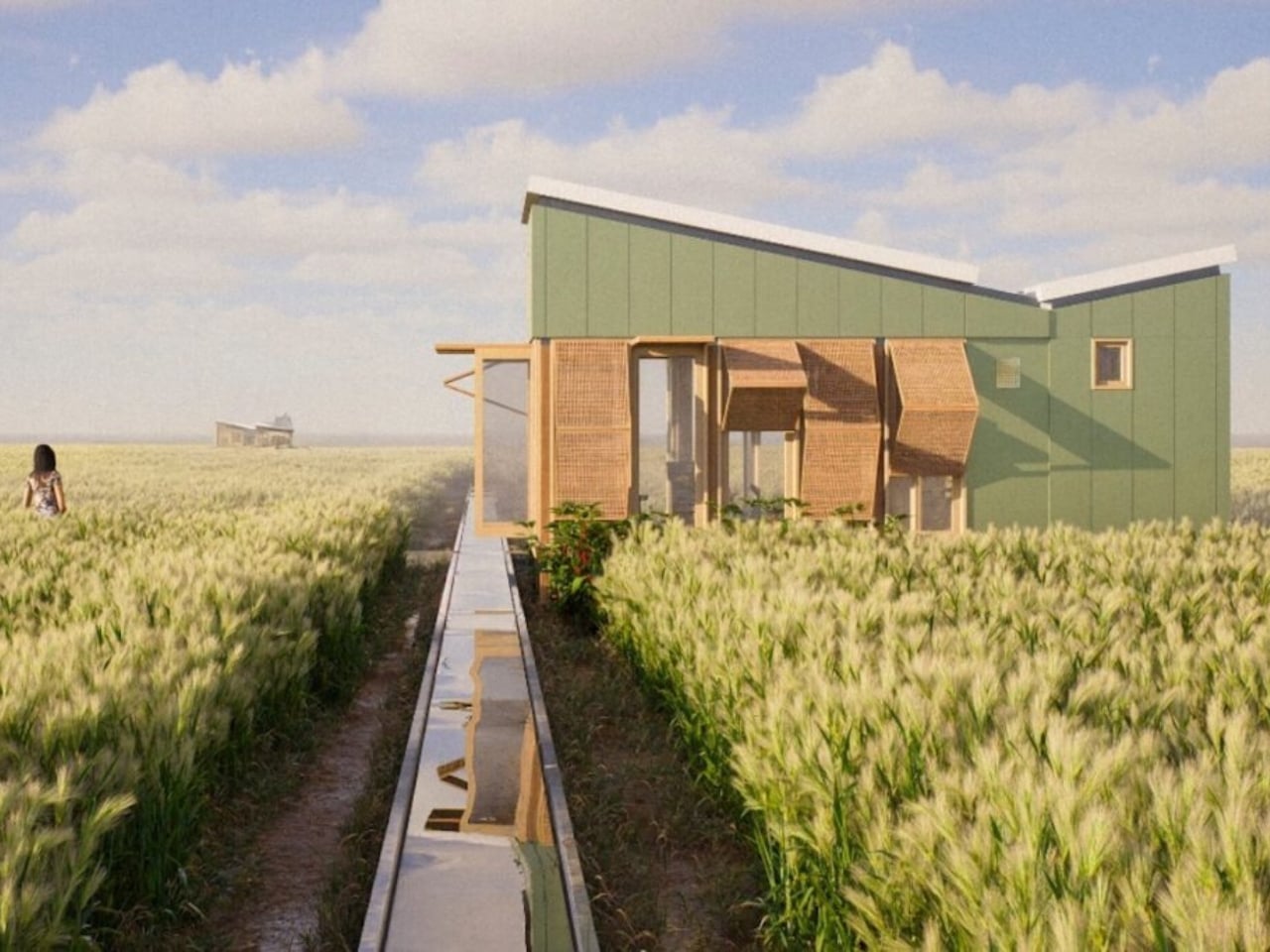
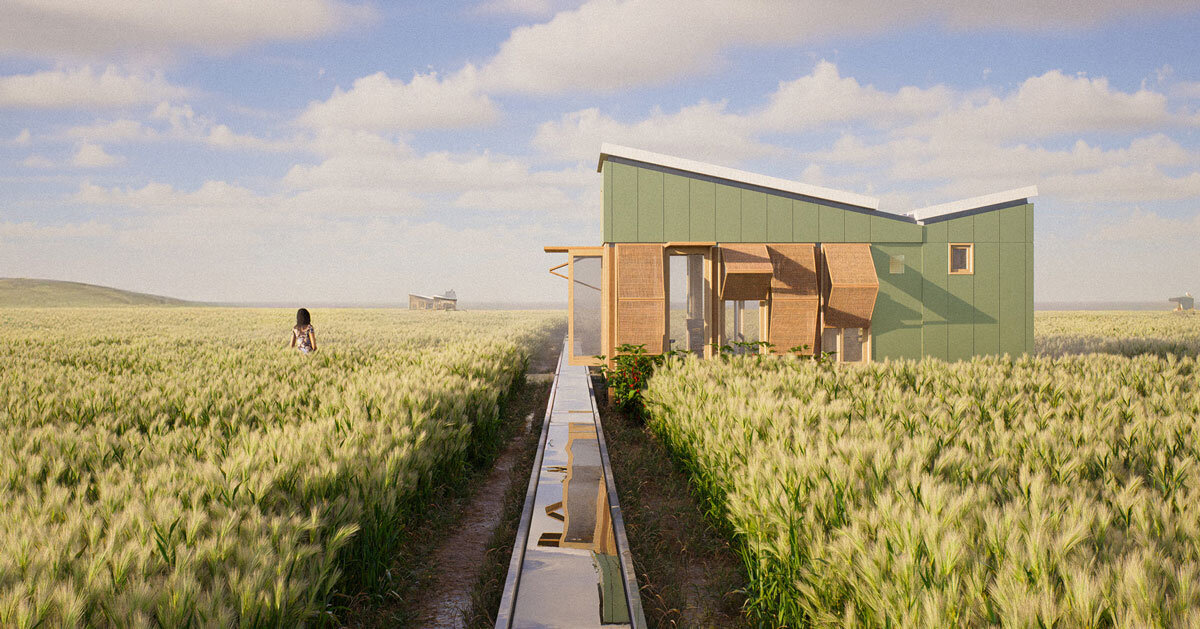
Participants are challenged to design a modular, self-sufficient, and energy-efficient microhome with a maximum footprint of 25 m². Proposals should push the boundaries of innovation, functionality, and sustainability while addressing real-world challenges such as urban density, affordability, and environmental responsibility.
Lynov's project, a hybrid design inspired by Earthship principles and geodesic domes, is designed to be partially buried in soil, leveraging the earth's natural insulation to create a stable, energy-efficient environment. The ambitious plan includes multiple vaulted rooms, a greenhouse tunnel entrance and a dedicated sauna.
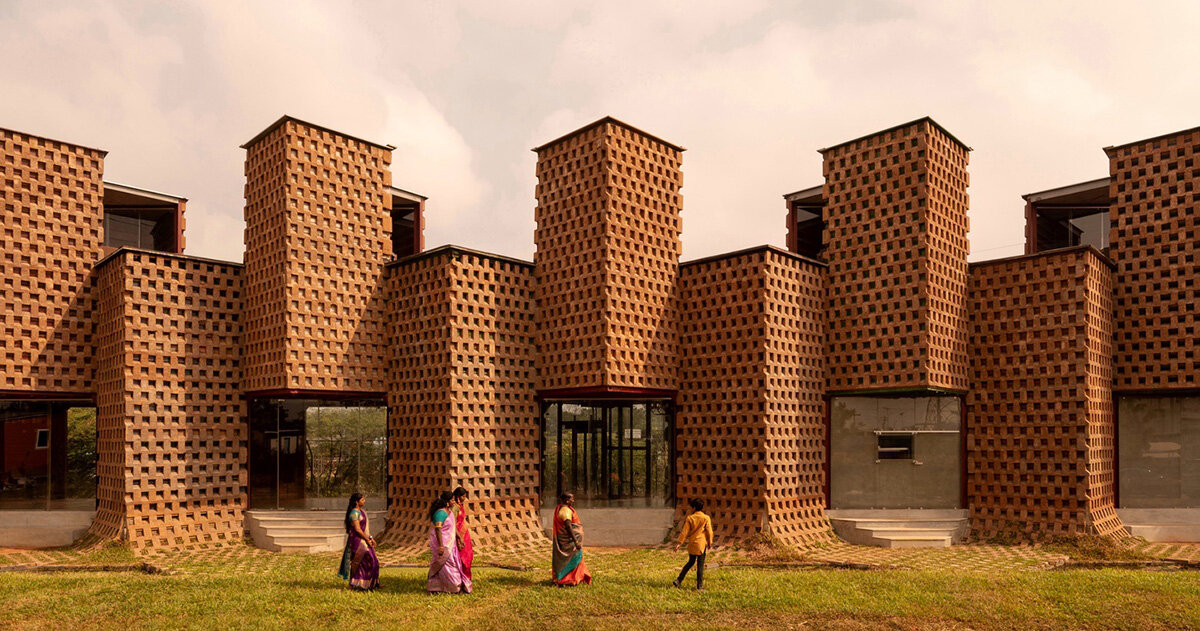
Part of the renowned Krishnendu Ayurveda Hospital, the ~21,000 sq. ft. Nirava Ayurveda Holistic Centre is envisioned as an oasis of healing, rooted in tradition and elevated through thoughtful innovation. Conceived as an immersive wellness retreat, the master plan unfolds in two distinct yet interconnected volumes: a villa block comprising twelve serene guest rooms and a gracefully curved spa block housing therapy suites.
The design by Studio Bark is composed of two near cubic volumes set apart and connected by a pitched-roof timber bridge. The architects orient each cube to frame distinct views, one facing east across open fields, the other turning southwest toward woodland. Between them, a double height link forms a quiet internal 'street' lined with bookshelves and rooflights.
The pool doesn't sit beside the house. It doesn't occupy the backyard. It runs straight through the middle of the living space, dark-tiled and creek-like, with stepping stones crossing it at the entry. This is the organizing principle of Holocene House: water as hallway, water as climate control, water as the thing everything else revolves around.
According to the UN, the "buildings and construction sector is by far the largest emitter of greenhouse gases." Sustainable architecture, in essence, tries to change that-and is more needed than ever. As climate change intensifies, it challenges architects and designers to consider the impact of their work in every step of the building process, from raw materials to site impact to future maintenance, decades down the line.
For many years, bamboo has been mostly known as the favourite food of giant pandas, but a group of engineers say it's time we took it seriously as a building material, too. This week the Institution of Structural Engineers called for architects to be bamboo-ready as they published a manual for designing permanent buildings made of the material, in an effort to encourage low-carbon construction and position bamboo as a proper alternative to steel and concrete.
A worker sweeps the track at the National Stadium during the 2008 Beijing Olympics, which was disrupted by heavy rain. Photograph: AFP/Getty Images The secret weapon is a network of capillary-like tubes that weave through the Bird's Nest's outer lattice, which are specifically designed to siphon away rainfall. The pipes channel rainwater into one of three underwater storage tanks, where it is filtered and prepared for recycling within the building.
Fast Company asked architects from some of the top firms working around the world what they thought about the look of architecture in 2026. Of course, a building designed in 2026 almost certainly will not be completed in 2026, and construction timelines are notoriously fluid.
Climbing an observation tower involves a lot of steel and concrete just to stand a few dozen meters higher and take in a view. The ritual is familiar, the ascent, the vertigo, the panorama, but the infrastructure demands are massive for what amounts to a few minutes of elevated looking. Michael Jantzen's Telepresence Observation Pavilion asks whether we always need to build big vertical structures to get that feeling, especially when most distant experiences already come through screens and networks.
Future Farm is a modular vertical farming system designed by Qing Duan for integration within urban architecture, proposing a model where buildings function as hydro-ecological systems. Rainwater is collected, filtered, and redistributed to support plant growth and domestic needs, establishing a closed-loop water cycle that combines sustainable agriculture with everyday city life. The project incorporates public greenhouse spaces, shared kitchens, rooftop farms, and educational zones to enable collective care, learning, and interaction with urban farming processes.
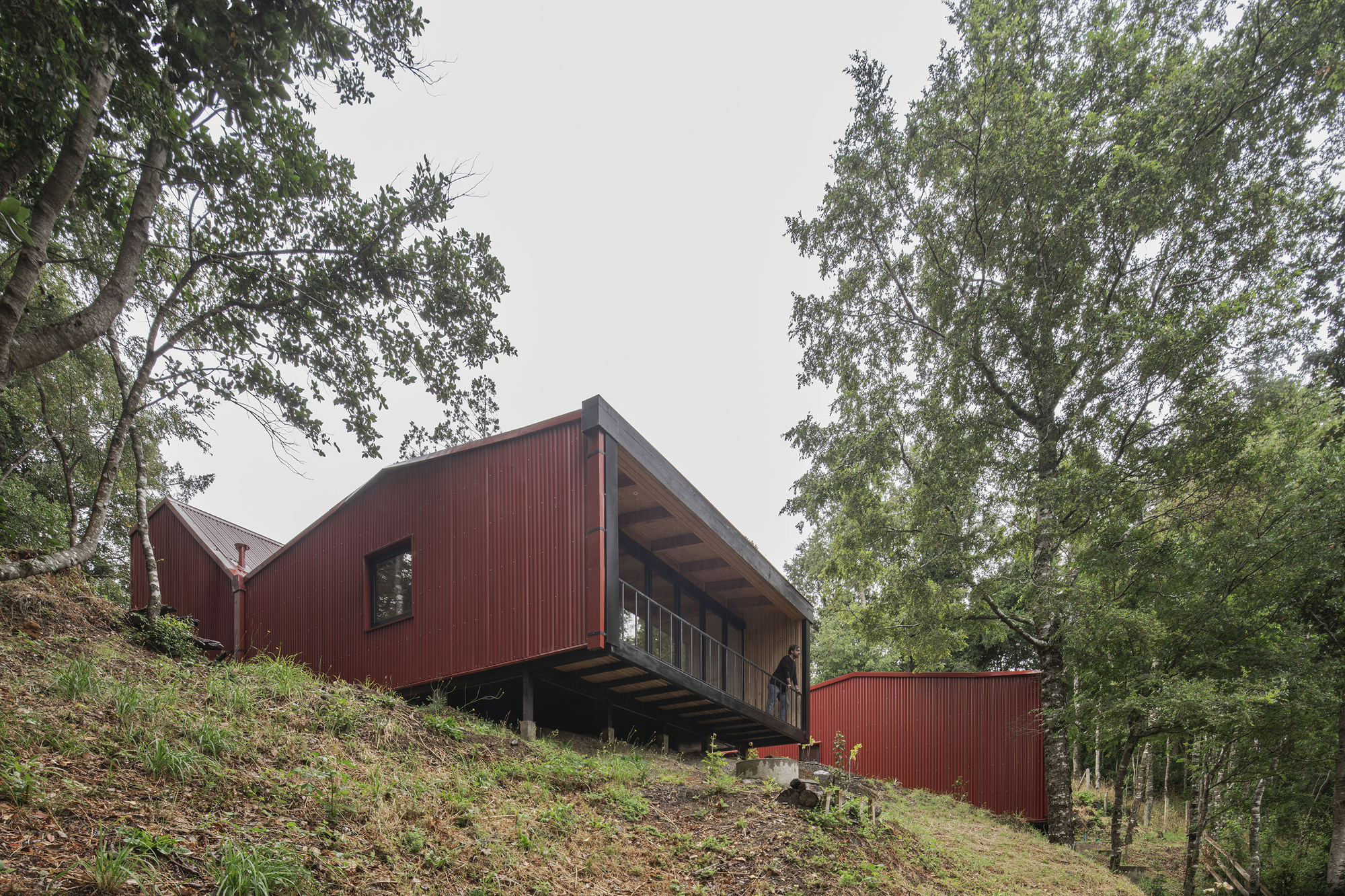
Raiffeisen Bank in Savosa has achieved the highest ecological and sustainability standards. It is the first SNBS Gold-certified administrative building in Ticino and has obtained Minergie P-Eco certification. This building is constructed from a reborn material: recycled concrete, recovered and transformed into a new building material. In it, what was once waste becomes a resource, what was once the past becomes the future.
Conceived as a significant new addition to one of Europe's leading sculpture parks and cultural destinations, the project is scheduled to open in 2031 and will house the art collection of Kistefos founder and collector Christen Sveaas through the Christen Sveaas Art Foundation. Following the announcement, Christ & Gantenbein will now work with Kistefos Museum to further develop the concept design toward realization.
The phenomenon known in biology as convergent evolution describes how distant species can develop similar structures when confronted with comparable challenges. Dolphins and ichthyosaurs, for example, are separated by millions of years of evolutionary history, yet both evolved nearly identical hydrodynamic bodies. Architecture has its own parallels: A-frame structures emerged independently in both the European Alps and Japan, even without direct cultural exchange, as spontaneous responses to snow, wind, and material scarcity.
The world's first upcycle timber high-rise and Denmark's tallest timber tower, TR, is a 78-meter beacon of circular construction, showing that large-scale architecture can combine reused materials, biogenic resources, refined aesthetics, and high performance without compromise.
Houses could function perfectly well as simple, efficient structures that keep us warm, dry, and comfortable, but we demand gables, columns, brick facades, and decorative trim because we want them to look appealing. The materials and energy required to build and maintain those aesthetic choices far outweigh what's actually needed for shelter. If we were all blind, the argument goes, our houses would be optimized spheres or domes with minimal material use and maximum efficiency.
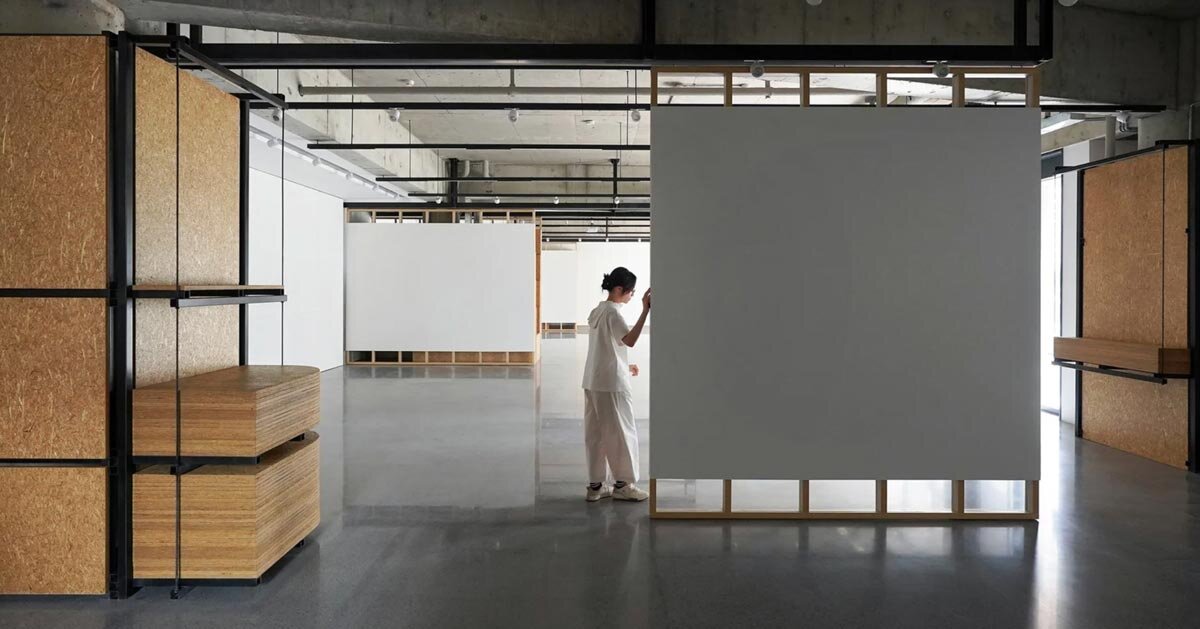
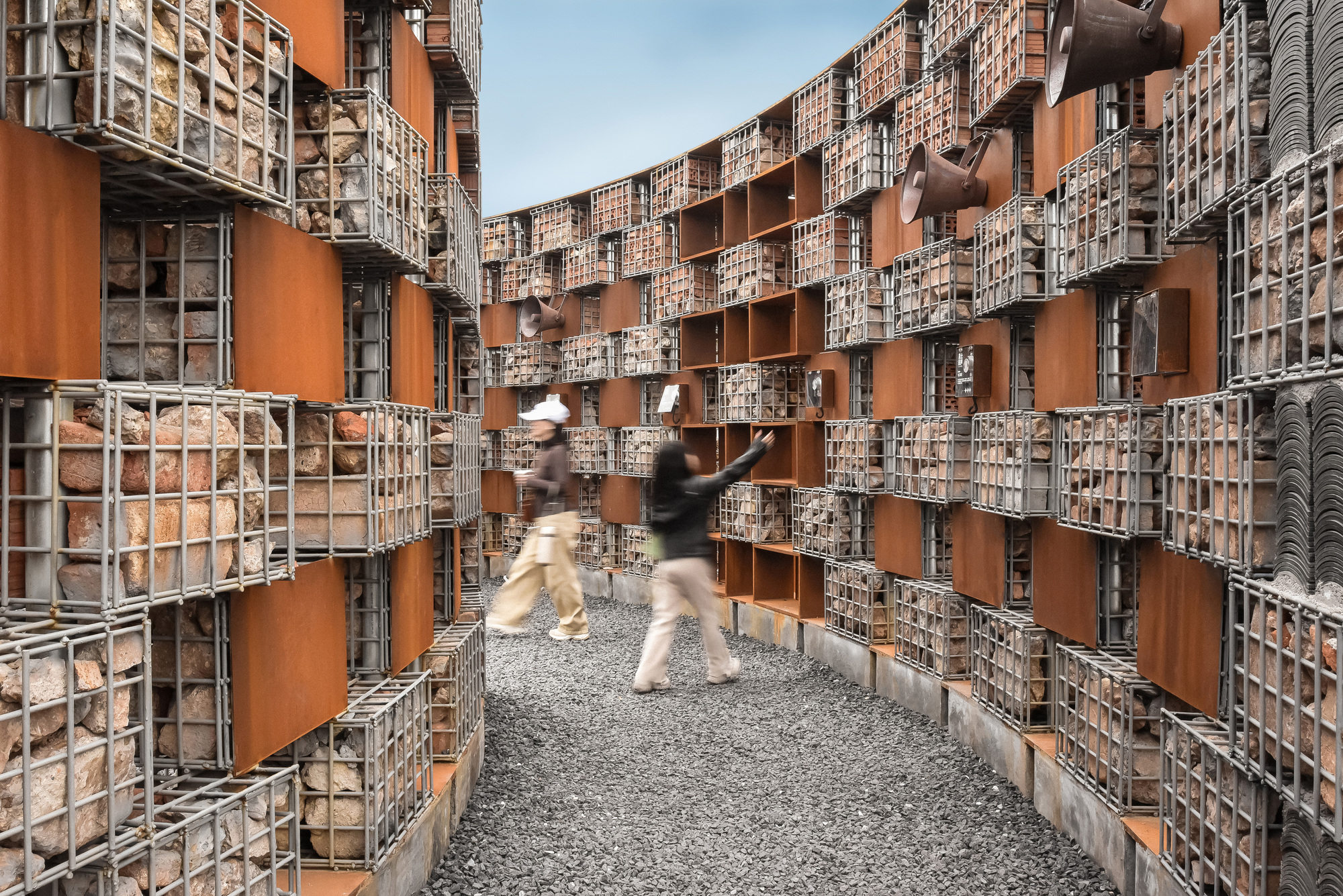
As part of the experiential context, the concept of exhibition in architecture is closely tied to perception. Understanding the user's journey, recognizing the properties and characteristics of each element, and revealing the methodology behind their operation are all vital aspects of the design and development process for these spaces. From equipment, furniture, and artworks to construction materials and technologies, architecture and interior design demonstrate an increasingly significant creative potential to develop solutions that merge historical, landscape, and social perspectives.
The second edition of the Ammodo Architecture Award has recognized 26 recipients for their contributions to socially and ecologically responsible design. Selected from 168 submissions spanning over 60 countries, the laureates represent a wide range of practices, from established offices to emerging collectives and community-led initiatives. Each recipient receives a grant ranging from €10,000 to €150,000 to support the continued development of their projects.
Construction of Zaha Hadid Architects' Yidan Center in Shenzhen, China, has reached full height. The new landmark will serve as the headquarters of the Chen Yidan Foundation and the Yidan Prize, organizations dedicated to promoting lifelong learning and innovation in education. The center will host facilities for academic research, cultural events, and exhibitions, supporting the foundation's mission to advance global education. Located adjacent to the Qianhai Museum, the Yidan Center helps define a new cultural quarter in China's third-most-populous city.
Designed by Yong Ju Lee Architecture, this project arrives at a critical juncture. The architecture and construction sector currently accounts for the highest carbon emissions among all global industries. After 10,000 years of evolution alongside humanity, architecture entered the 20th century prioritizing efficiency and economy above all else, adopting concrete and steel as its near-exclusive materials. This pursuit of industrial optimization, while enabling rapid development, detached architecture from its ecological roots and intensified the environmental burden of the built environment.
The architecture and construction sector currently accounts for the highest carbon emissions among all global industries. Architecture, which has evolved alongside humanity for over 10,000 years, entered the 20th century prioritizing efficiency and economy above all else, adopting concrete and steel as its near-exclusive materials. This pursuit of industrial optimization, while enabling rapid development, also detached architecture from its ecological roots and intensified the environmental burden of the built environment.
Open to the public since May 10, 2025, the 19th Venice Architecture Biennale has entered its final month before closing on November 23. Curated by Italian architect Carlo Ratti, this edition, titled "Intelligens. Natural. Artificial. Collective." has brought together over 750 participants across 65 national pavilions and 11 collateral events, making it one of the most expansive editions in the Biennale's history.