#regional-french-recipes
#regional-french-recipes
[ follow ]
#french-cuisine #paris #france #food-culture #cooking #culinary-techniques #fine-dining #paris-restaurants
fromTasting Table
4 days ago6 Haitian Dishes To Try At Least Once In Your Life - Tasting Table
Griot is considered a national dish of Haiti and all it takes is a taste to understand why. Adored by José Andrés, this dish is a wonderful mix of cooking techniques; marinated pork shoulder is slowly braised and then fried, leaving the meat tender and flavorful.
Berlin food
Design
fromdesignboom | architecture & design magazine
4 days agocurved wood, rattan, and macaron displays frame a tropical french patisserie in singapore
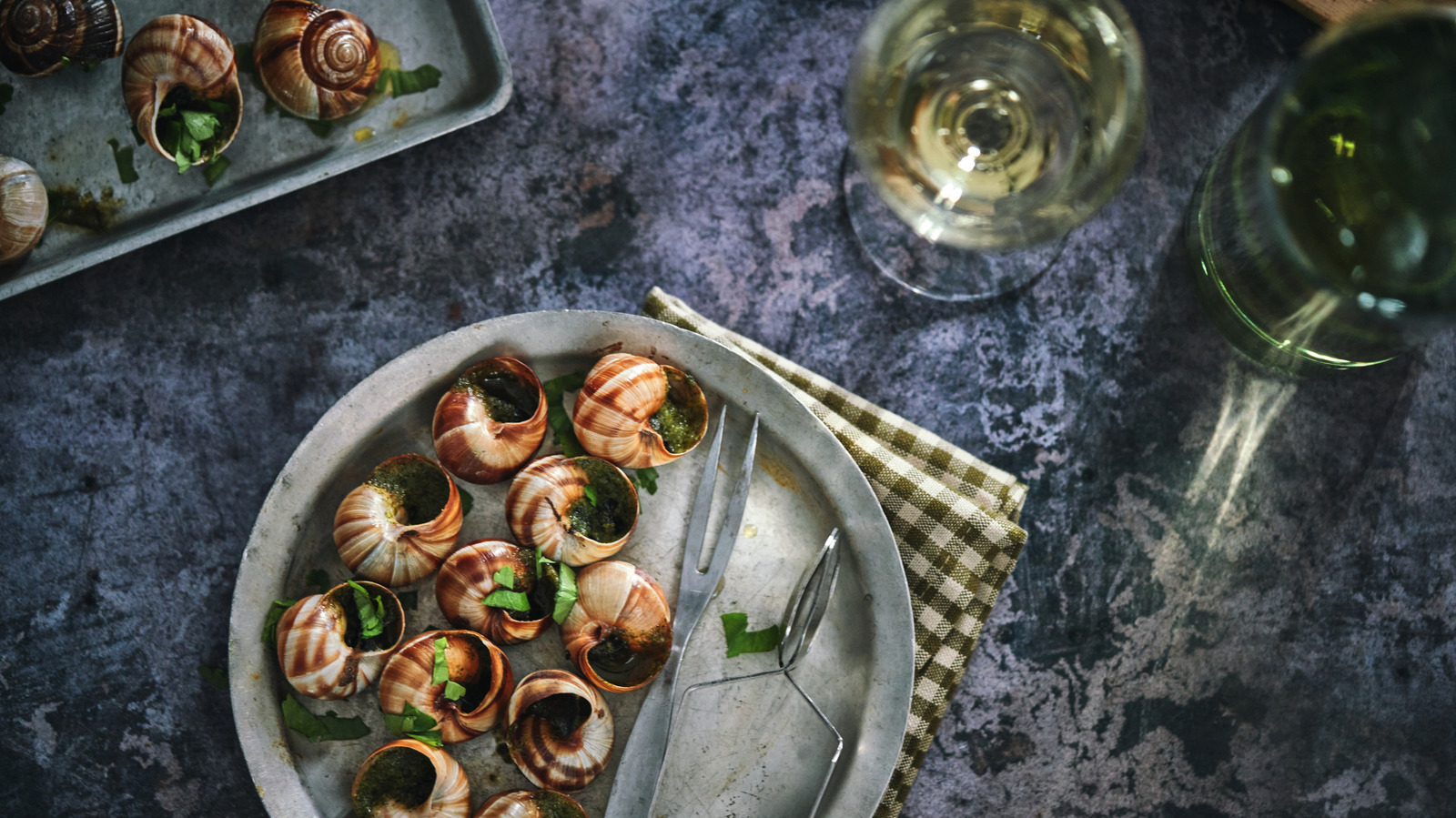
The Pierre Hermé Paris flagship in Singapore merges French pastry culture with local context through innovative design and spatial experiences.


fromTasting Table
1 week agoJacques Pepin's Childhood Potato Salad Is Still One Of His Favorite Meals - Tasting Table
"The recipes that you have as a child are very powerful, they are very visceral. They stay with you, too. I remember many recipes, but certainly one of them, when my mother used to go to the garden just before we ate, and unearthed those tiny potatoes we called grenaille in France, which are like a fingerling potato."
Everyday cooking
fromCN Traveller
1 week agoWhere the Chefs Eat: Henry Harris's favourite restaurants in Lyon
Henry Harris describes his experience as the head chef and co-owner of Bouchon Racine as 'my most favourite three years of cooking and restaurant ownership.' He emphasizes the importance of creating a space where guests feel 'loved and valued'.
London food
fromTasting Table
4 weeks agoThe Best Seafood To Use For An Ultra-Rich Bouillabaisse - Tasting Table
The best seafood to include in an ultra-rich bouillabaisse is a medley of seafood, starting with 'a collection of rockfish.' Traditional bouillabaisse, from my experience in Marseille where it's from, is made from a combination of rockfish that are easily sourced in that region.
Food & drink

fromTasting Table
1 month agoThe Most Underrated French Mother Sauce Adds Incredible Flavor To Your Dishes - Tasting Table
Of the five mother sauces, velouté is extremely under-appreciated and not talked about enough. It's what we as Americans call gravy, which we know has so many various uses. Velouté, which means velvety in French, is made with a light roux (or a mixture of flour and fat, like butter), stock or broth, and some seasoning like salt and pepper, and a bay leaf.
Cooking
fromTasting Table
1 month agoHow To Make Delicious Steak Frites On A Budget - Tasting Table
A great and very traditional bistro cut is the bavette steak, also known as flank steak here in the U.S. You'll see it all over Paris, and in more and more American restaurants. Sometimes called a flap steak, the bavette steak is cut from the bottom sirloin. This makes it relatively lean, but it has a looser, more tender texture, and it is considered very flavorful.
Berlin food
France news
fromThe Good Life France
1 month agoBon weekend from France - a strange encounter - The Good Life France
The Good Life France Magazine Spring 2026 offers comprehensive travel guides covering diverse French regions from the Mediterranean coast to Normandy, featuring destinations, culture, recipes, and predicted travel trends.
fromwww.theguardian.com
2 weeks agoRoute des Vacances: a gastronomic driving holiday from Paris to the Mediterranean
In summer 1936, the French government passed a law that mandated paid holiday, a move that kickstarted the exodus of northerners to the Med every August, and it became a true emblem of the French vacances.
Paris food
Berlin food
fromTravel + Leisure
1 month agoThis European City Was Named the Most 'Authentic' Food Destination on the Continent
Budapest ranks as Europe's most authentic food destination with a score of 98/100, featuring traditional Hungarian cuisine centered on paprika-based dishes and vibrant street food culture.
France news
fromThe Local France
1 month agoFuel prices, property surprises and eating well: 6 essential articles for life in France
France offers practical guides on finding affordable fuel, allergy remedies, budget apartments under €200,000, government-recommended daily meals, and explains why north-east France has additional public holidays.


fromThe Local Germany
1 month agoCulture, politics, food: what makes Europeans proud of their country?
In Italy, the most common topic mentioned as a source of national pride was culture and the arts. These were cited by 38 percent of respondents, more than any other place. An Italian woman who took part in the survey said she was proud of 'the works in the churches, paintings, sculpture ... most places in Italy have something beautiful.' An Italian man said that 'Italy is an open-air museum.'
Germany news
fromCN Traveller
2 months agoThe precision theatre of Parisian dining has entered an era of warm nostalgia
Past a sign for a family waterpark, a door opens onto an homage to fin-de-siècle Paris. Chandeliers are reflected in gilt-edged mirrors; there is a chorus line of lobsters and yards of fromage. Every so often, a waiter in a dinner suit flambées a crepe Suzette with a shock of flames, like a big top fire-eater. This is fine dining as buffet.
Food & drink
fromFrenchly
2 months agoThe Best French Crepe Recipes for Chandeleur - Frenchly
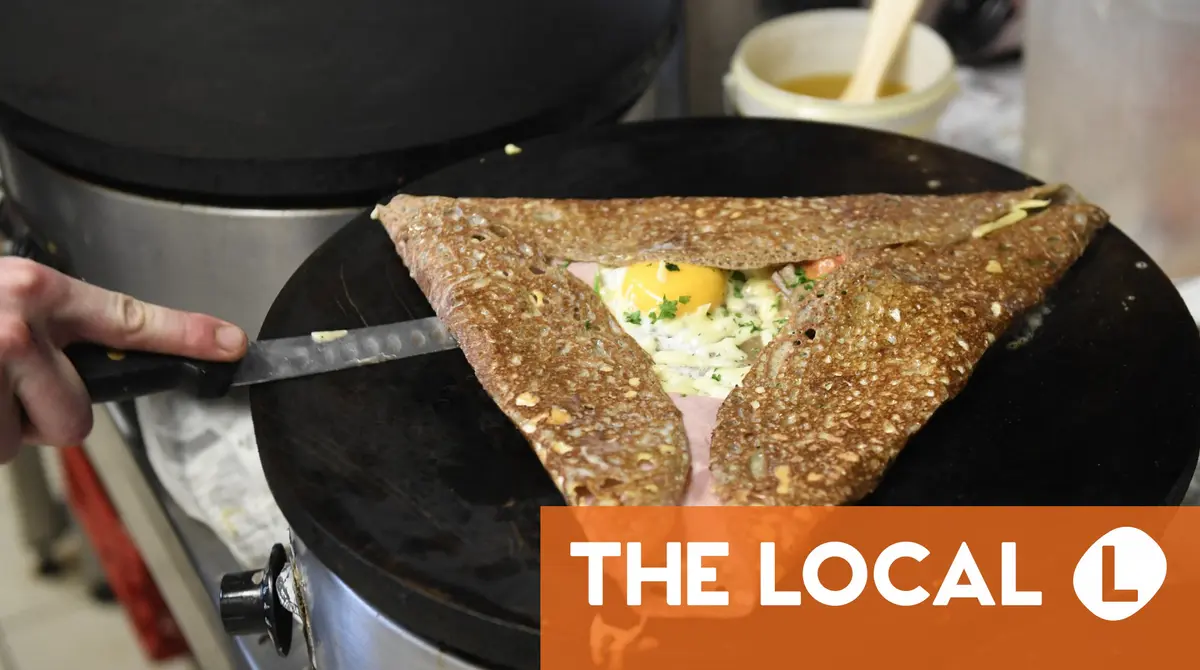
Every year on February 2nd, France celebrates La Chandeleur, also known as Candlemas Day or Crêpe Day. This centuries-old tradition was once linked to candlelight processions and good fortune rituals, but today it is mostly about something far more delicious: making and eating crêpes with family and friends. A famous French custom says that you should flip a crêpe with your right hand while holding a coin in your left-if you succeed, prosperity will come your way in the year ahead.
Cooking
fromPARIS BY MOUTH | WE'RE DELICIOUS
1 month agoBest Restaurants Near the Louvre | PARIS BY MOUTH
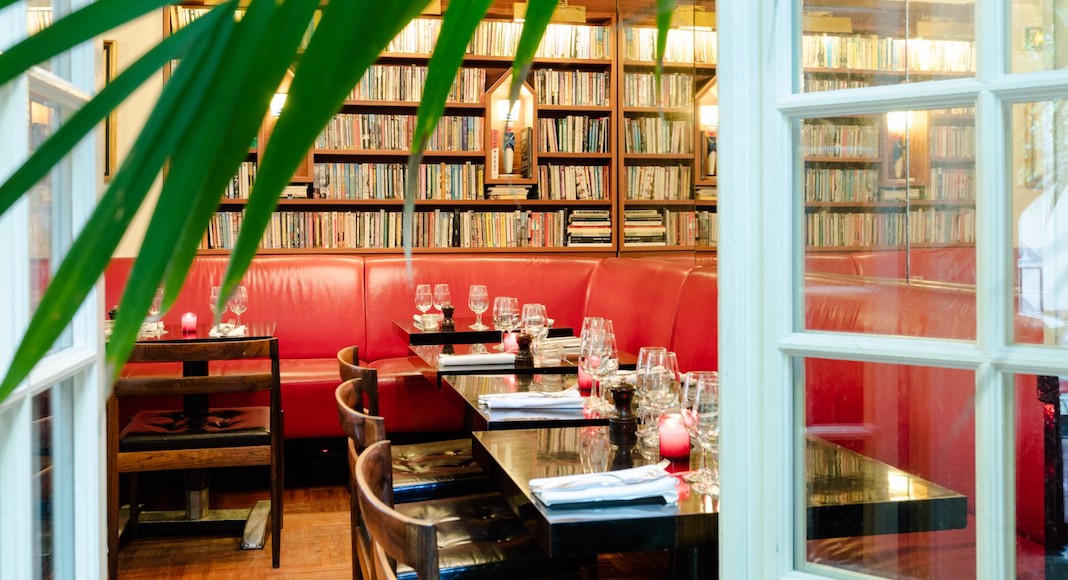
The streets around the Louvre have improved considerably as a dining destination. It's still true that the neighborhood rewards those who know where to look - the blocks immediately adjacent to the museum are thick with tourist traps - but a short walk in almost any direction opens up genuinely good options.
Paris food
Paris food
fromPARIS BY MOUTH | WE'RE DELICIOUS
1 month agoParis Restaurants Open on Monday | PARIS BY MOUTH
Monday dining in Paris is increasingly viable with several top-tier restaurants now open, including Café des Ministères, Septime, and Le Saint-Sébastien, though reservations remain highly competitive.

France news
fromThe Good Life France
1 month ago7 historic and officially prettiest villages in France - The Good Life France
Les Plus Beaux Villages de France, an association of 180 officially designated villages across 70 departments, preserves historic rural communities through strict selection criteria while attracting new residents and visitors through craft studios, hospitality businesses, and authentic experiences.
fromPARIS BY MOUTH | WE'RE DELICIOUS
1 year agoLE PETIT CELESTIN | PARIS BY MOUTH
A consistently packed bistro along the Seine in the Marais, Le Petit Célestin delivers reliable French classics in a lively atmosphere that values conviviality over culinary ambition. The menu spans traditional bistro territory - tête de veau, veal kidneys, steak frites - with occasional Italian influences like burrata and linguini with bottarga. The cooking is competent rather than inspired. Razor clams arrive properly garlicky, steak shows good char against rare interior, but some dishes lean too sweet.
Food & drink
fromThe Good Life France
1 month agoThe fascinating history of French cakes and sweets - The Good Life France
Suddenly, a strange, loud, rhythmic, prolonged noise, like the dying moan of an organ, then the dying wail of the breeze sighing in the cloisters, struck the indignant ears of the nuns with astonishment. The nuns all turned to stare at Sister Agnès, who in her embarrassment, tripped and let fly a spoonful of her chou pastry dough into a pot of boiling fat, and the doughnut-like pet de nonne, 'nun's fart' was born.
Paris food
fromThe Local France
2 months agoSpeeding, French moving admin and pancakes: 6 essential articles for life in France
What you need to know about France's speeding laws, a checklist for the increasing number of Americans planning to move to France, whether children of British citizens born here need a UK passport - and Chandeleur traditions. Despite what you may think, French authorities actually do take speeding seriously, we reported this week that speed cameras on French roads will be modified throughout 2026 so that they bring back the 'flash' that lets drivers know they have been caught exceeding the speed limit.
France news
fromFrenchly
2 months agoFrench Etiquette Rules to Learn for a Smoother Trip to France - Frenchly
Visiting France is often associated with great food, beautiful cities, and a strong sense of style. But what many travelers discover quickly is that daily life in France is guided by a set of unwritten etiquette rules. These rules are not about being overly polite or friendly at all costs. They are about showing respect for others, for shared spaces, and for social boundaries.
France news
fromparisbymouth.com
1 month agoMasaikuta
Chef Masa Ikuta brings serious classical training honed under Bruno Verjus at Table and Stephane Jego at L'Ami Jean to his own tasting menu restaurant in the 11th arrondissement. The cooking is confidently French-Japanese, moving from sardine churros with Cantabrian anchovy cream to veal brain tempura styled after shirako to a perfectly grilled lamb rack with smoky harissa.
Paris food
fromPARIS BY MOUTH | WE'RE DELICIOUS
2 years agoBoubale | PARIS BY MOUTH
Israeli chef Assaf Granit shifts focus from Mediterranean cooking to Eastern European Jewish cuisine at Boubalé, located in the Grand Mazarin hotel steps from BHV. The menu draws on Ashkenazi traditions - borscht, chicken liver, pastrami, and potato-forward preparations inspired by Granit's Polish grandmother. The vast dining room manages warmth through maximalist touches: doilies, colorful glassware, and grandmother-approved murals. Standout dishes include salmon floating in borscht with pickled turnips, Israeli couscous risotto with spinach, and an exceptional chocolate mousse drizzled with olive oil.
Paris food
Paris food
fromPARIS BY MOUTH | WE'RE DELICIOUS
2 months agoReviews for Paris By Mouth - the #1 Rated Paris Food Tour | PARIS BY MOUTH
Paris By Mouth provides expert-led, small-group, educational food and wine tours in Paris, consistently earning top TripAdvisor ratings and over 4,300 five-star reviews.
[ Load more ]