#mycelium-protein
#mycelium-protein
[ follow ]
fromBon Appetit
3 days agoThere's a Lot of "Compostable" Packaging Out There; What Does That Actually Mean?
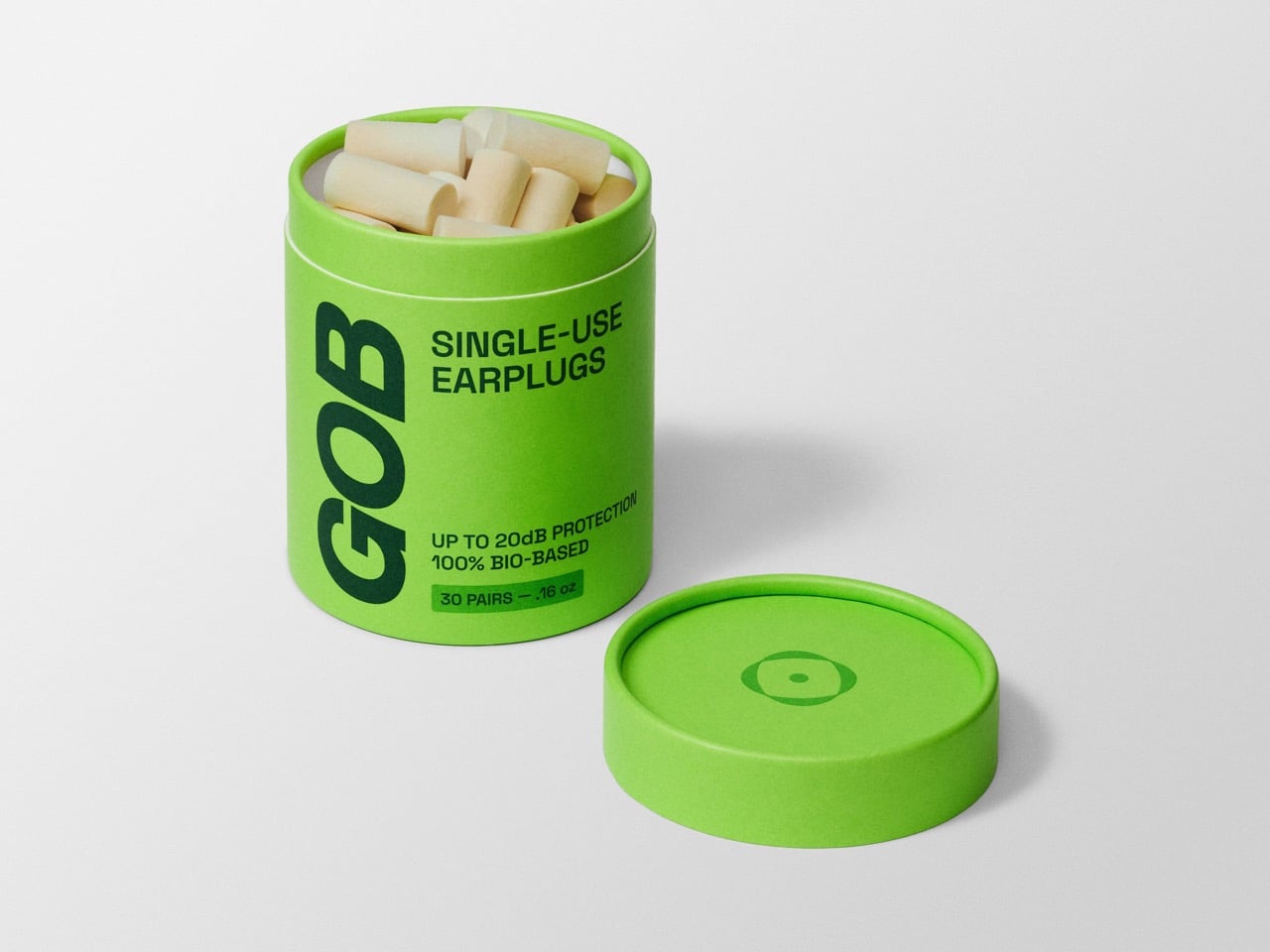
Compostable packaging is a type of biodegradable packaging designed to break down alongside natural waste. It's usually made of plant-based materials, like corn syrup, cellulose, or paper, that decompose without leaving toxins behind.
Environment
fromBig Think
4 days agoEverything you eat is sunlight. Scientists want to cut out the middleman.
To fuel our bodies, we must eat other living things, killing them in the process. However, most plants and algae are autotrophs. They bootstrap their biomass without the barbarism of eating others: using photosynthesis, turning sunlight, water, and carbon into energy.
Philosophy
fromFortune
4 days agoMeet the man who invents new potato varieties for your potato chips: 5 new variants in the last 15 years | Fortune
"The potato industry is dynamic. The needs change, the costs, the pressures that they have, and the markets change. So we have to adapt to that with our varieties."
Agriculture
Agriculture
fromEntrepreneur
6 days agoHe Sold His Grass-Fed Jerky Company for Millions. Then He Started One of the Hardest Businesses in Food.
Force of Nature, co-founded by Robby Sansom, sells regenerative meat directly to consumers and grocery stores, impacting millions of acres and achieving significant growth.
Roam Research
fromdesignboom | architecture & design magazine
1 month agomushroom-inspired devices convert wasted energy into reusable power to charge gadgets
Spoa devices harvest wasted electromagnetic fields from household environments to generate reusable electricity for charging gadgets and appliances.
fromThe Atlantic
1 month agoIt's Bean Time
These tiny packages pack a nutritional punch-so much so that the advisory committee for the 2025 U.S. Dietary Guidelines recommended upping the daily serving size of legumes and promoting them as a protein source over meat and seafood. Navy beans, for example, are especially fiber-dense, and lentils are protein powerhouses.
Food & drink

fromLos Angeles Times
1 month agoBeyond Meat drops 'Meat' from name
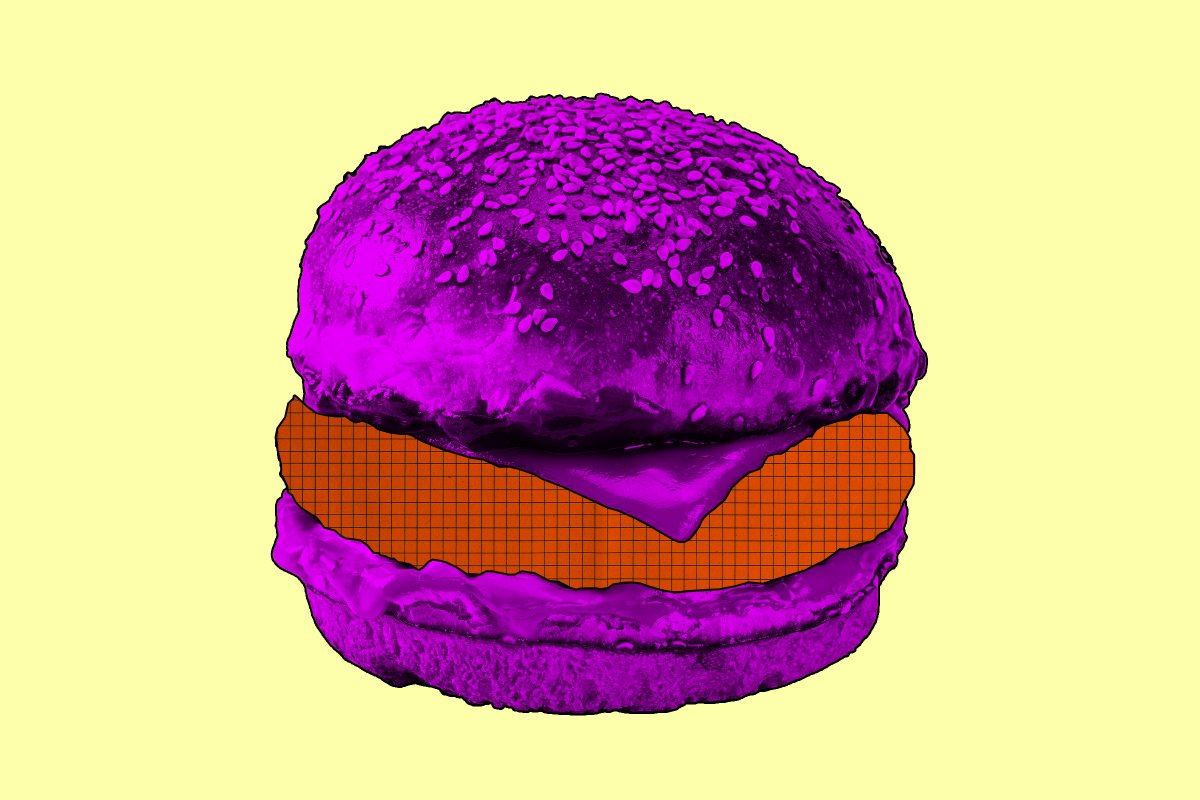
We are not moving away from making plant-based meat. This is a strategic expansion of our portfolio into additional protein categories. We start at the farm with clean and simple, non-GMO ingredients like yellow peas, red lentils and faba beans. We love clean protein and fiber.
Silicon Valley food
fromwww.theguardian.com
2 months agoHumanity's favourite food': how to end the livestock industry but keep eating meat
For someone aiming to end the global livestock industry, Bruce Friedrich begins his new book called Meat in disarming fashion: I'm not here to tell anyone what to eat. You won't find vegetarian or vegan recipes in this book, and you won't find a single sentence attempting to convince you to eat differently. This book isn't about policing your plate.
Environment
Design
fromdesignboom | architecture & design magazine
1 month agocompostable bicycle seat takes shape as mycelium grows around the wooden saddle
Myco Seat uses mycelium networks grown through agricultural waste to create a compostable, functional bicycle seat with a wooden saddle designed using computational mapping.
fromSilicon Canals
2 months agoThis kitchen scrap makes the best free fertilizer and most people throw it away - Silicon Canals
Last week, I was making my morning coffee-you know, the complicated order I'm too embarrassed to say out loud at coffee shops-when I noticed the pile of used grounds in my filter. For years, I'd been tossing these straight into the trash without a second thought. But then I remembered something my grandmother wrote in one of her letters years ago: "The garden teaches us that nothing is truly waste."
Coffee
fromTasting Table
1 month agoRice And Wheat Have Natural Fiber, But America Removes It - Here's Why - Tasting Table
Fiber is essential for stabilizing gut health, easing digestion, regulating bowel movements, and staggering the absorption of carbohydrate sugars into the bloodstream. By slowing down the glycemic load of these sugars flooding our bloodstreams, we can even reduce the risk of developing type 2 diabetes.
Health
fromFast Company
2 months agoThese designers made a sustainable new building material from corn
This corn-based construction material was made by Manufactura, a Mexican sustainable materials company, and it imagines a second life for waste from the most widely produced grain in the world. The project started as an invitation by chef Jorge Armando, the founder of catering brand Taco Kween Berlin, to find ways he could reintegrate waste generated by his taqueria into architecture. A team led by designer Dinorah Schulte created corncretl during a residency last year in Massa Lombarda, Italy.
Science
fromdesignboom | architecture & design magazine
2 months agocompostable plastic bags made of seaweed are designed to break down and not be recycled
They write, 'through clever processing changes, this material is now stronger, more beautiful, and available in higher volumes at a lower price point.' The design remains the same with the frosted look, and this time, it can carry loads better but still lasts only as long as it's needed. After use, the bags can be placed in home compost or industrial compost systems, where they break down into healthy soil.
Environment
fromBusiness Insider
1 month agoWhy plant-based meats are still expensive
In 2019, the plant-based meat industry experienced explosive growth. Investors poured hundreds of millions of dollars into companies like Beyond Meat and Impossible Foods. Fast-food giants like McDonald's and Burger King rolled out plant-based burgers nationwide. Even celebrities like Snoop Dogg and Katy Perry backed the movement.
Food & drink
Environment
fromwww.theguardian.com
1 month agoHow green is your milk? We compare the environmental cost of dairy and plant-based options
Plant-based milks have lower emissions than dairy, but environmental impact varies significantly based on water use, fertilizer, packaging, and processing across all milk types.
Food & drink
fromFast Company
2 months agoWhy are Europeans eating more plant-based meat than Americans? It's not why you think
Major European and UK supermarkets are deliberately shifting shoppers toward plant-based proteins, driving strong private-label sales and reducing food-related carbon footprints.
Food & drink
fromFuturism
1 month agoChocolate Company Announces Plans to Produce Lab-Grown Cocoa
Lab-cultured chocolate technology offers an alternative to traditional cocoa farming, potentially disrupting a supply chain unchanged since the 1800s while addressing consumer concerns about additives and exploitation.
fromwww.theguardian.com
2 months agoWe're not hippies': why these Iowa farmers swapped pigs for mushrooms
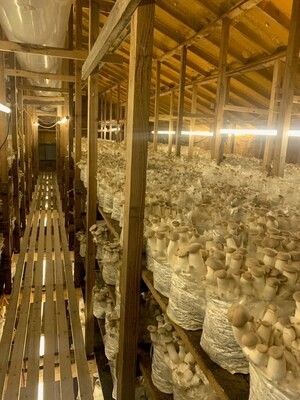
My older brother has worked with pigs his entire adult life, managing about 70,000 of them across five counties, Faaborg says. But we got to a point where he went from laughing at me to saying: well, I guess maybe I'll quit my job and help you out. Now he's the most dedicated, says Katherine Jernigan, director of the Transfarmation Project at Mercy for Animals, a non-profit that helped the Faaborgs make the switch and set up their new business, 1100 Farm.
Agriculture
fromRealagriculture
2 months agoCan biologicals fill the soybean nitrogen gap? The jury's still out
More than 100 research studies show that soybeans typically suffer from a nitrogen gap when yields exceed 60 bu/ac. At that yield level, the combination of soil nitrogen and nodulation often doesn't provide what the plant requires to achieve higher yields. Could biologicals - including nitrogen-fixing endophytes and biostimulants - fill that "yield gap" and provide the nitrogen required at high yield levels? That's a question Syngenta Canada biological field specialist Greg Stewart has been working on for the past two years.
Agriculture
[ Load more ]