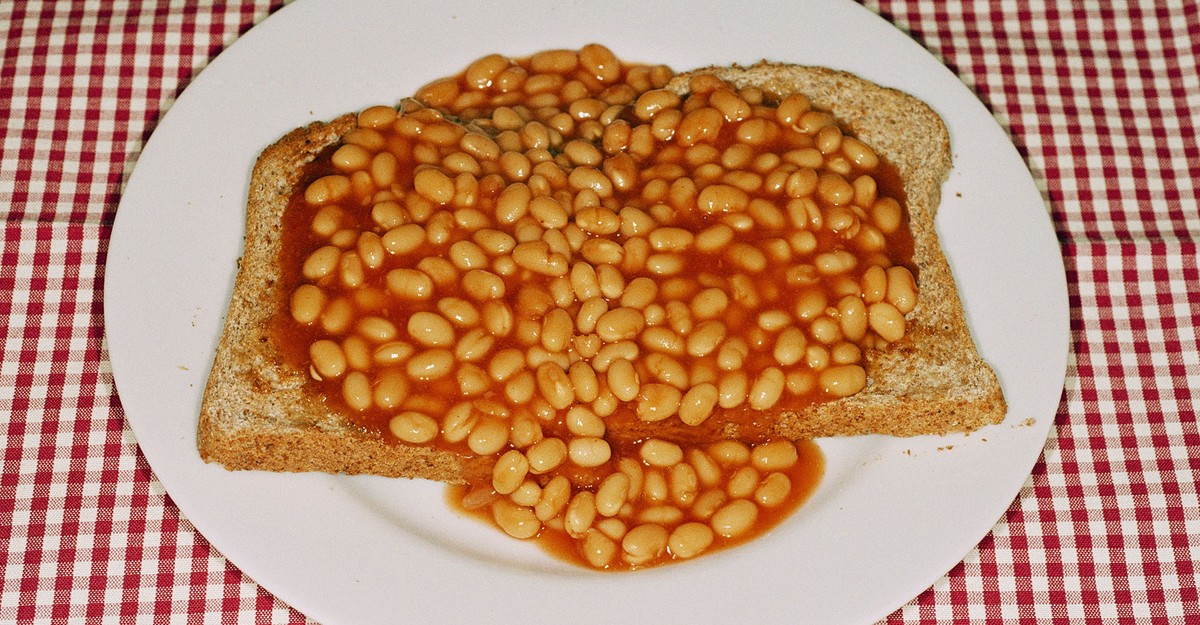
Nutrition trends are dominated by competing dietary philosophies: Team Protein promotes protein-supplemented products, Team MAHA advocates for real foods like red meat and dairy, traditional Dietitians emphasize plants and low saturated fats, and emerging movements like Fiber-Maxxers and Keto followers each have passionate supporters. Despite these divisions, beans represent a universally beneficial food that bridges all dietary camps. Beans and legumes offer exceptional nutritional density, providing substantial fiber and protein in affordable, widely available packages. The 2025 U.S. Dietary Guidelines advisory committee recommended increasing legume consumption and promoting them as superior protein sources to meat and seafood. Beyond nutrition, beans benefit farmers by storing nitrogen in roots, reducing fertilizer needs and improving soil health while being significantly more climate-friendly than meat production.
"These tiny packages pack a nutritional punch-so much so that the advisory committee for the 2025 U.S. Dietary Guidelines recommended upping the daily serving size of legumes and promoting them as a protein source over meat and seafood. Navy beans, for example, are especially fiber-dense, and lentils are protein powerhouses."
"To the farmer, beans are a boon: The plants store nitrogen in their roots, so they require less fertilizer and leave soil healthy once they're harvested. They are significantly gentler on the climate than meat. Cooked well, they are creamy, tender, and ex"
"It's packed with fiber and protein. Kennedy would call it a 'real food.' It's plant-based, widely available, and incredibly affordable. It is the homeliest and humblest of foods: the bean."
Read at The Atlantic
Unable to calculate read time
Collection
[
|
...
]