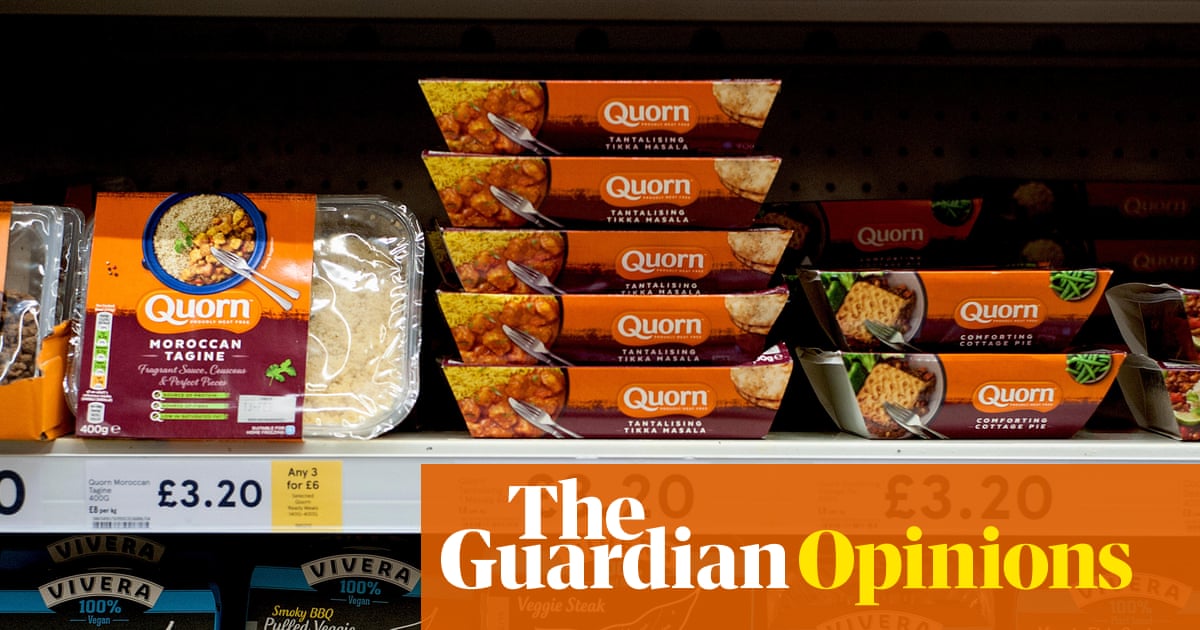
"The proposal arrived without an impact assessment and will affect UK exports. More worryingly, it sets a precedent. Apparently, Europe's biggest regulatory threat is the menace of the dangerously misleading plant-based steak. But if clarity is truly the goal, there's an obvious question: why stop at plant-based foods?"
"Food names have never been strictly literal. If they were, a lot of them would need a serious rethink. There are no canines in hotdogs. There are no amphibians in toad in the hole. Ladyfingers contain no fingers. Food language is ultimately a product of culture, tradition and familiarity."
"The words burger, sausage and steak describe formats and cooking styles as much as ingredients. A burger is simply a patty. A sausage is food shaped into a tube and cooked. These are culinary categories, not zoological claims. Plant-based foods use these familiar terms as shorthand to help shoppers understand what a product is and how to cook it."
European policymakers banned plant-based foods from using terms like chicken, bacon, and steak, citing consumer confusion concerns. The UK adopted similar restrictions through trade agreements, though terms like vegan sausage remain permitted with clear labeling. This regulation lacks impact assessment and affects UK exports. The restriction is inconsistently applied—if clarity were the true goal, meat products would require equally literal descriptions. Food naming has never been strictly literal; hotdogs contain no canines, toad in the hole contains no amphibians. Terms like burger, sausage, and steak describe culinary formats and cooking styles rather than specific ingredients. Plant-based foods use these familiar terms as helpful shorthand for consumers to understand products and preparation methods.
#food-labeling-regulations #plant-based-foods #consumer-protection-policy #food-naming-standards #regulatory-inconsistency
Read at www.theguardian.com
Unable to calculate read time
Collection
[
|
...
]