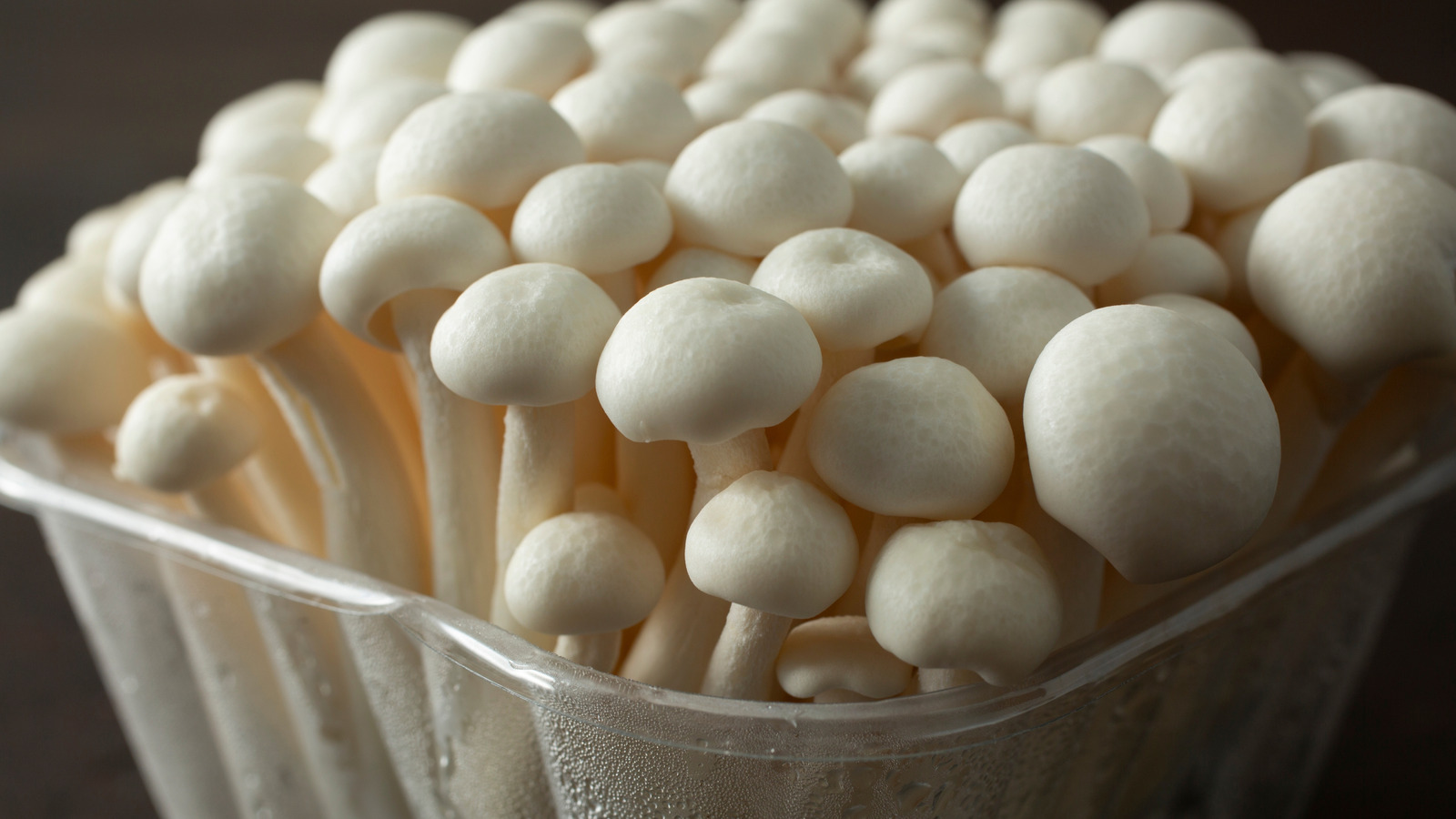
"According to Colorado State University, there are roughly 300 species of mushrooms out there that are safe for human consumption. Between their nutritional and wellness benefits, and the ability to flex as vegetarian steak alternatives or chicken substitutes, fungi fanatics know there are just as many reasons to eat mushrooms as there are edible varieties to try."
"Indoor cultivation of mushrooms requires these basic things: You need spores or spawns, which are roughly equivalent to mushroom 'seeds.' Then there is the substrate, or the material that your shroomies will feed on and fruit from. Finally, a vessel is required to contain the whole process."
"For growing mushrooms at home, old plastic fruit containers, yogurt tubs, and salad clamshells are ideal; they're an optimized size for tabletop operations, and they save you from having to commit more waste to a landfill."
Colorado State University identifies approximately 300 edible mushroom species available for human consumption. While mushrooms offer nutritional benefits and serve as vegetarian protein alternatives, gourmet varieties can be expensive. Home cultivation of mushrooms is accessible and cost-effective. Indoor mushroom growing requires three basic components: spores or spawns (mushroom seeds), substrate (growing material), and a container. Recycled plastic containers such as fruit tubs, yogurt containers, and salad clamshells work well for home cultivation. Different mushroom species require different growing conditions. Morels, chanterelles, and truffles need living substrates and wild cultivation, while oysters, lion's mane, shiitake, and cremini mushrooms can grow from dead material in plastic containers, making them ideal for home growers.
#home-mushroom-cultivation #edible-mushrooms #diy-gardening #sustainable-food-production #oyster-mushrooms
Read at Tasting Table
Unable to calculate read time
Collection
[
|
...
]