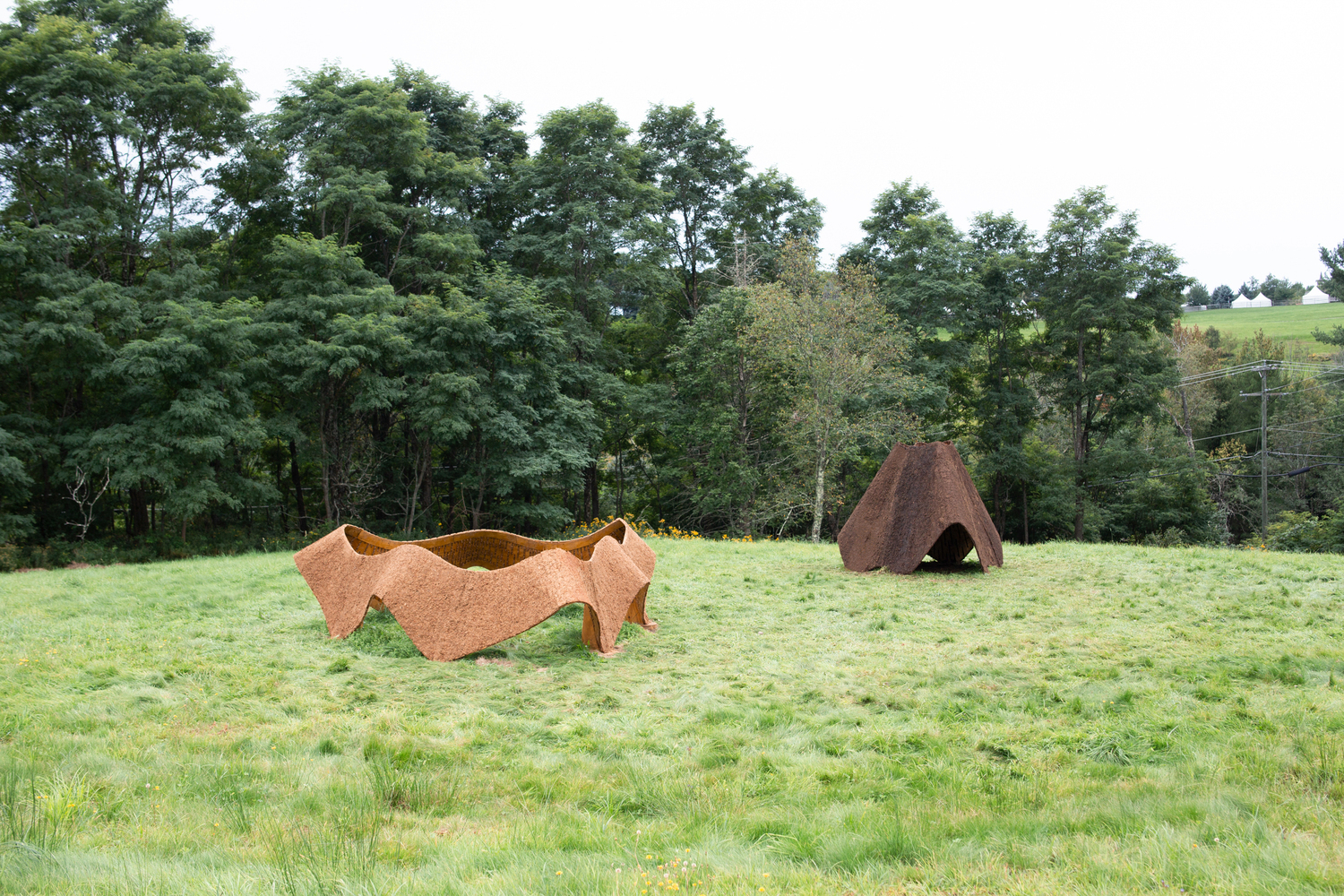
"Building materials made from bio-based and biodegradable resources, including those derived from living or growing organisms, offer a potential alternative to the ecologically destructive cycles of conventional construction."
"For such approaches to be sustainable and impactful, the entire lifecycle—from sourcing and transport to fabrication and implementation—must operate within a circular framework."
"These experiments attempt to recalibrate technology with ecological questions, pointing toward an alternative architectural language emerging within the planetary practice."
"What does it mean to design with living materials whose temporalities are nonlinear and environmentally responsive, and how might this reshape conventional notions of durability, maintenance, and sustainability?"
Architecture is deeply intertwined with extractive systems, necessitating a reevaluation of design practices in light of ecological emergencies. The use of bio-based and biodegradable materials presents an alternative to conventional construction methods that rely on energy-intensive resources. Sustainable design requires a circular approach throughout the lifecycle of materials. Small-scale installations demonstrate the potential of integrating biodegradable resources with digital techniques, suggesting a new architectural language that aligns technology with ecological concerns and redefines concepts of durability and sustainability.
#ecological-architecture #bio-based-materials #sustainability #digital-fabrication #circular-economy
Read at ArchDaily
Unable to calculate read time
Collection
[
|
...
]