Music production
fromPitchfork
20 hours agoSamba Jean-Baptiste: +3
Samba Jean-Baptiste's album +3 blends avant-rap and R&B with experimental elements, showcasing a refined approach to song structure and emotional depth.
Jim "Kimo" West is a slack key guitarist whose work exemplifies (and ventures beyond) Hawaiian musical traditions.
In 2025, Dmae Lo Roberts embarked on a statewide storytelling experience focusing on personal stories from both artists and community members. These stories are a form of living oral history.
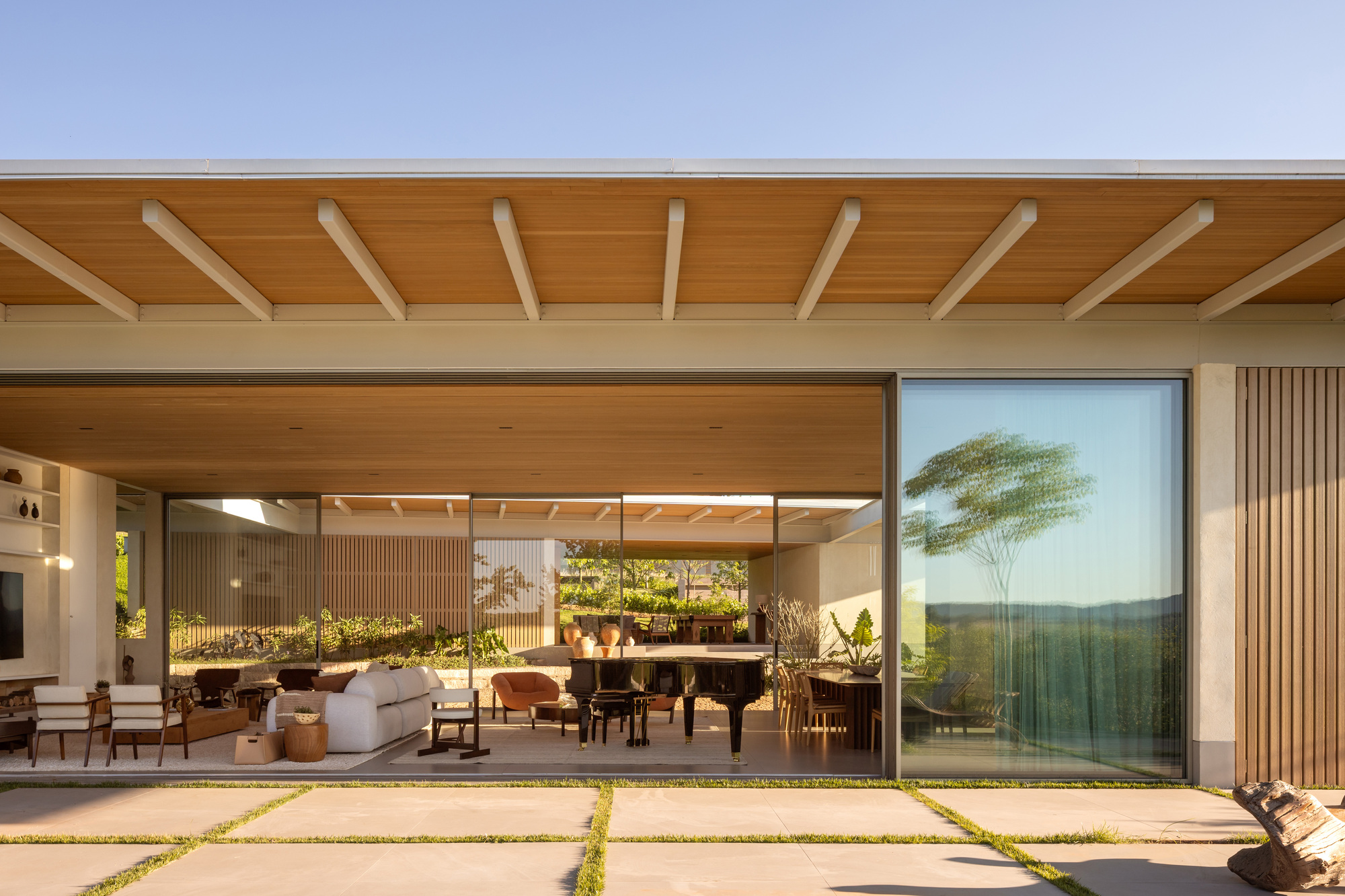
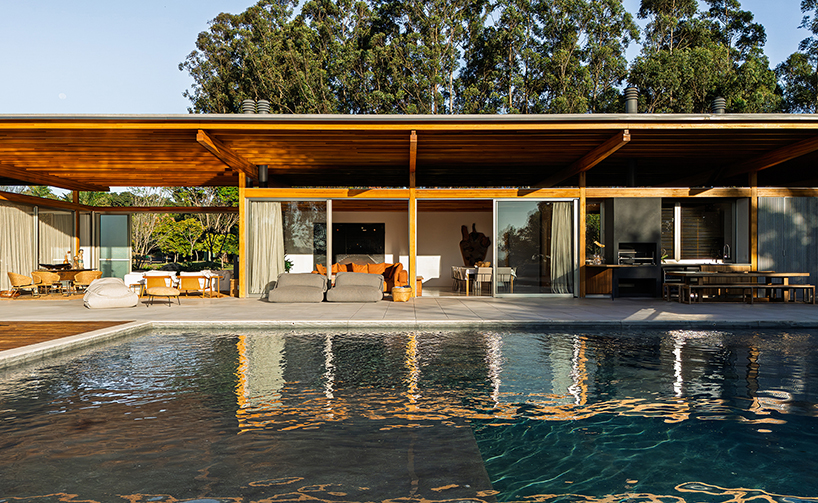
The initial challenge was to create a club that valued the view of the lagoon without obstructing that landscape with the building. The solution was an architectural design in two levels.
The Bandera Cimarrona, a flag conceived at the first edition of the International Summit of Afro-descendants in Puerto Rico in 2022, stands as a symbol of the resistance, the pursuit of freedom, and the strength of Afro-descendants on the island and throughout the Americas.
The sad-eyed research scientist might be, as the title suggests, some kind of spy, perhaps working to undermine the U.S.-backed military regime that governed Brazil from 1964 to 1985. The film's amber light and ample bell-bottoms situate it firmly in the late 1970s, a time of repressive dictatorships and jittery paranoia, triggered by political malfeasance and instability across the world.
The idea that hiking trails are a tool for conservation is based on a simple premise: people protect what they know. That requires making conservation areas accessible. There's no point telling people you only protect what you know, if you don't give them the tools to know. The trail is this tool. People who hike, people who camp, these people often become defenders of the environment.
The Siekopai Nation, which has historically occupied territories along the northern border between Ecuador and Peru, was separated and displaced during the 1941 border war between the two countries, a conflict with consequences that extended into the 1990s. According to Justino Piaguaje, leader of the Siekopai in Ecuador, the nation's original population was close to 20,000 but diseases brought by colonisers, Jesuit missions, conditions of slavery during the rubber boom, and the impacts of the oil industry led to a drastic decline.
The river won, the forest won, the memory of our ancestors won, said the campaigners in Santarem when it was clear their actions had forced the Brazilian government into a U-turn on plans to privatise one of the world's most beautiful waterways and expand its role as a soy canal.
The Andes Cordillera is full of incredible sights, unique ecosystems, and unforgettable experiences. I believe there's something here for everyone, from vibrant cities to towering volcanic peaks.
BP's sponsorship of the museum has long drawn ire, in part because the oil company pursues an "all out for oil and gas" strategy, including plans to exploit deep drilling at the recently discovered Burmerangue site off the coast of Brazil. The project has been criticised by campaigners and oil and gas unions due to its threat to ocean ecosystems, elevated carbon dioxide levels, and lack of revenue flowing back into the Brazilian economy.
As the women built a thrumming rhythm from their drums and began to chant while others danced, the Hula Halau O Nalua and Ote'a Api School of Polynesian Dance seemed to teleport from the interior of an industrial park in Fremont to a Hawaiian island. It was a Wednesday evening, and a class of about 25 students had gathered in this halau, or hula school, to practice their dances.
Regina Silveira has spent the better part of three decades considering the relationship between media and meaning, particularly as it relates to Latin America. First presented in 1997, "To Be Continued..." features 100 black-and-white reproductions of photos, newspaper clippings, propaganda, advertisements, and more. Silveira nests each image into an oversized puzzle piece, which cuts off faces and scenes to leave fragments of pop culture icons, flora and fauna, and even the occasional mugshot spliced next to one another.
Raw sewage and solid waste flow into the bay from surrounding cities, home to more than 8 million people. Cargo ships and oil platforms chug in and out of commercial ports, while dozens of abandoned vessels lie rotting in the water. But at the head of the bay, between the cities of Itaborai and Mage, the environment feels different. The air is purer, the waters are empty but for small fishing canoes, and flocks of birds soar overhead.