#biodiversity
#biodiversity
[ follow ]
#climate-change #conservation #ecosystems #wildlife #environmental-protection #wildlife-conservation #botany
fromColossal
4 days agoIn 'Reverence,' Three Decades of Paul Nicklen's Remarkable Photographs Exalt Nature
Known for his stunning photos of wildlife and landscapes, as well as co-founding SeaLegacy alongside fellow conservationist and photographer Cristina Mittermeier, Paul Nicklen has traveled the globe to not only highlight our planet's phenomenal biodiversity but also to shed light on its increasing vulnerabilities due to the ongoing climate crisis.
Photography
#climate-change
fromwww.theguardian.com
2 months agoEnvironment
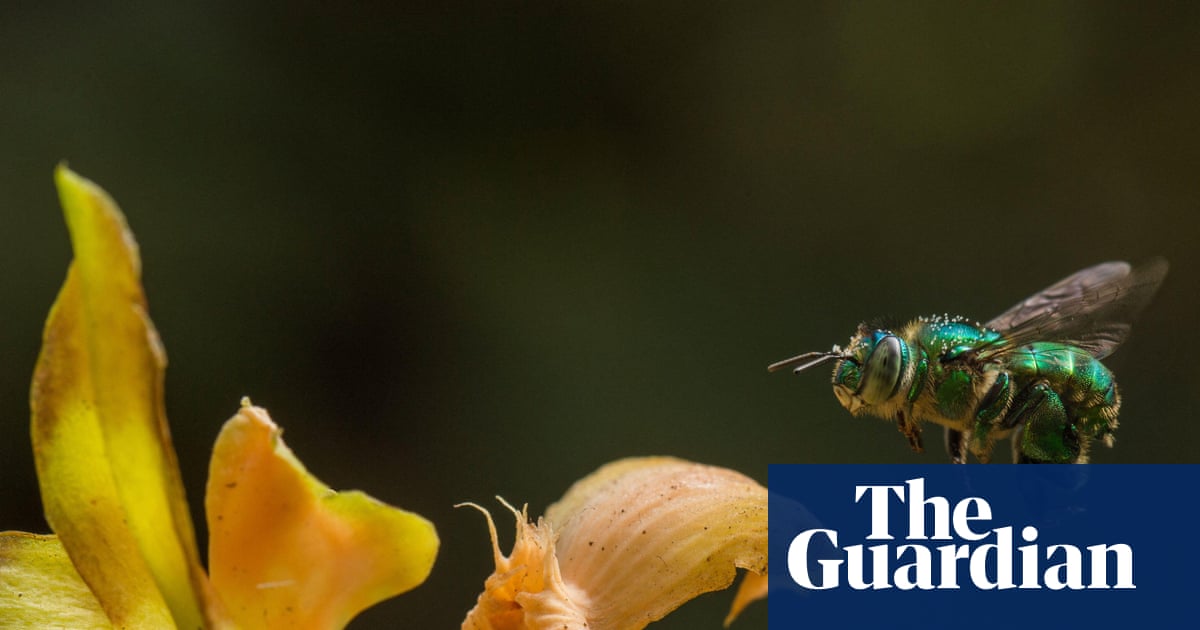
Tropical plants flowering months earlier or later because of climate crisis study
Tropical flowers are blooming significantly earlier or later than historical patterns due to climate change, with flowering times shifting an average of two days per decade, potentially causing cascading ecosystem disruptions.
#david-attenborough

London politics
fromwww.theguardian.com
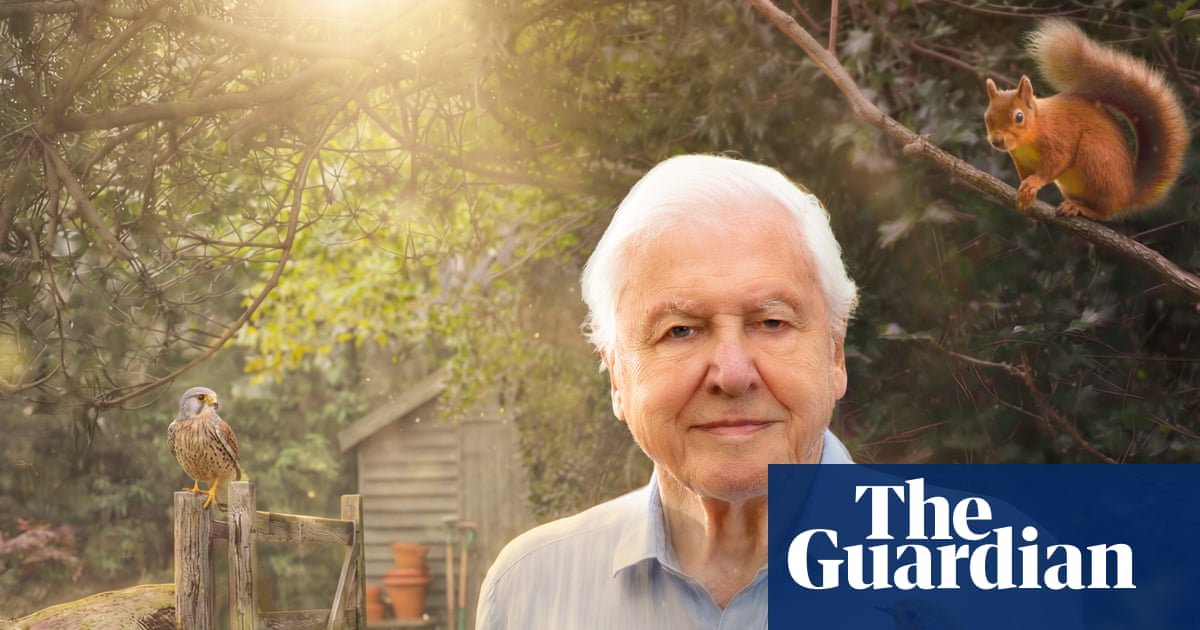
1 month agoWe didn't want to be preachy': David Attenborough's unexpected new show which might enrage cat lovers
David Attenborough's 'Secret Garden' emphasizes the importance of local biodiversity and offers practical solutions to ease eco-anxiety regarding wildlife.
fromTravel + Leisure
1 week agoI Grew Up in the Southwest and This Is the No. 1 Arizona Park Everyone Should Visit-and No, It's Not the Grand Canyon
Chiricahua National Monument is often called a 'wonderland of rocks,' featuring mountains, slim spires, hoodoos, and rock formations resembling organ pipes and totem poles.
Travel
fromwww.nytimes.com
1 week agoPeter Raven, 89, Dies; Botanist Warned of the Perils of Climate Change
As we destroy the environment, we are destroying ourselves, he told an audience at the United Nations Earth Summit in Rio de Janeiro in 1992, held to address global environmental issues. We are part of the web of life, and what we do to the web, we do to ourselves.
Environment
fromwww.amny.com
2 weeks agoGowanus Earth Day event launches $4.5M green jobs training initiative | amNewYork
The Green Readiness Opportunities for the Workforce (GROW) initiative is a $4.5 million effort to train New Yorkers for green jobs managing stormwater infrastructure, enhancing urban resilience and promoting a greener city.
Agriculture
fromNonprofit Quarterly | Civic News. Empowering Nonprofits. Advancing Justice.
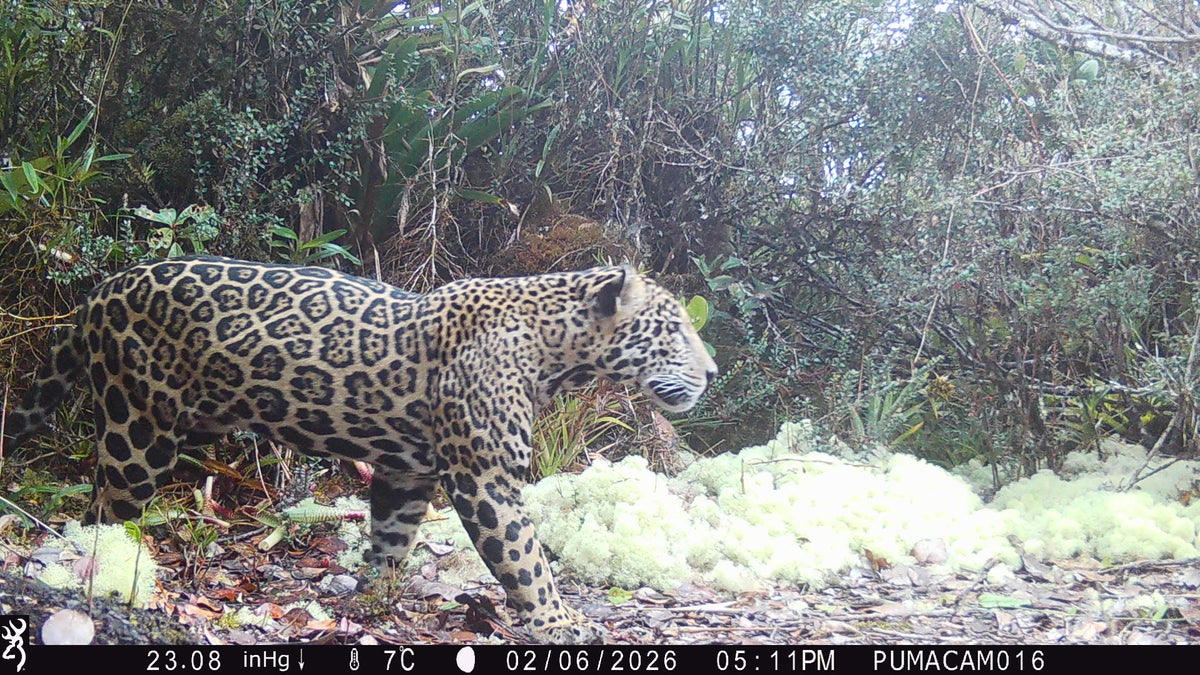
2 weeks agoIn a Warming World, Border Walls Increasingly Harm Wildlife | Nonprofit Quarterly | Civic News. Empowering Nonprofits. Advancing Justice.
Border walls are located along imaginary geopolitical boundaries. They slice arbitrarily through critical ecosystems that know only natural boundaries, cutting wild animals off from the resources they need to live—food, water, a diverse selection of mates—and the ability to migrate for survival.
Environment
fromwww.theguardian.com
3 weeks agoA prickle of hedgehogs and an armada of newts: wildlife settles in at London's new Queen Elizabeth garden
The Royal Parks has transformed the former brownfield site into a 8,000 sq metre paradise for flora and fauna, bringing about an estimated 184% increase in biodiverse wildlife habitat.
London
fromTravel + Leisure
1 month agoThis Costa Rica Region Is Home to a Rare Cloud Forest and Extraordinary Wildlife-Here's How to Plan Your Visit
"Monteverde has one of the few cloud forests left in the world, as they are one of the first forests to disappear due to global warming," said Rodrigo Valverde, co-founder of Sky Adventures. "It [contains] 2.5 percent of all the world's biodiversity, which makes it one of the few places in the world where you can see the most exuberant flora and fauna."
Madrid food
%20Nayara%20Tent%203%20LR.jpg)
Science
fromwww.theguardian.com
2 months agoWho'd guess they're the same species?' What Italy's wall lizards reveal about genetic diversity and why it matters
Biodiversity encompasses variation within species, not just species inventory, as demonstrated by common wall lizards showing dramatic differences in color, size, and behavior despite being the same species.
Design
fromdesignboom | architecture & design magazine
2 months agomodular yellow greenhouse travels on wheels through portugal for seed germination
A mobile, modular greenhouse travels through Braga to support seed germination, promote biodiversity, and spread urban farming practices beyond a compact city farm.
Environment
fromdiscoverwildscience
2 months agoThe Green Roof Movement in NYC: How Skyscrapers Are Becoming Eco-Friendly - discoverwildscience
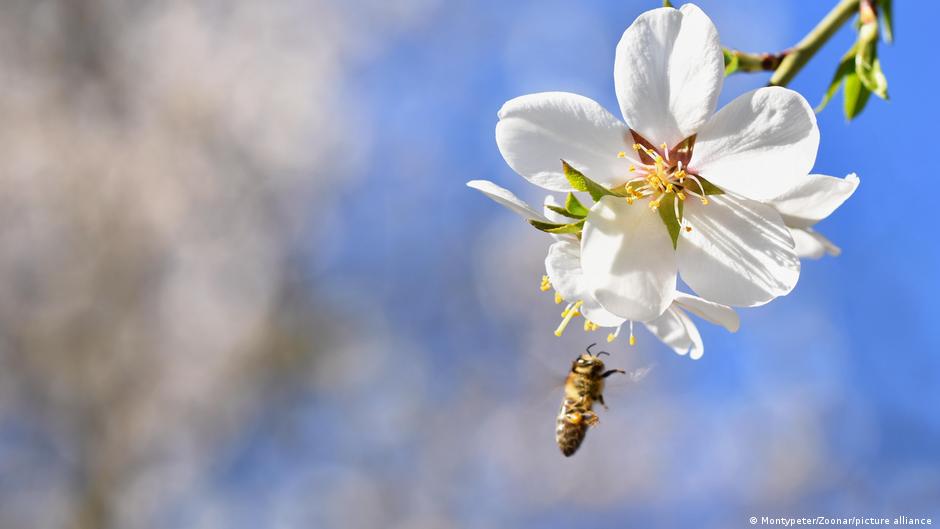
Green roofs on NYC skyscrapers reduce urban heat, manage stormwater, enhance biodiversity, improve air quality, and lower building energy costs while providing economic benefits.
fromianVisits
3 months agoSeahorses, seals and sharks spotted in Thames as conservation boosts Thames habitats
Conservation efforts along the 153 miles of the River Thames have delivered mixed results for wildlife, according to a new report that finds improvements in some species and habitats alongside emerging threats from climate change and pollution. Researchers recorded increases in several wading bird species, marine mammals and restored natural habitats, including intertidal areas that act as nurseries for many fish. The river continues to support a surprising range of wildlife, with seahorses, eels, seals and even sharks - including tope, starry smoothhound and spurdog - now documented in the Thames.
Environment
[ Load more ]