#conservation
#conservation
[ follow ]
fromianVisits
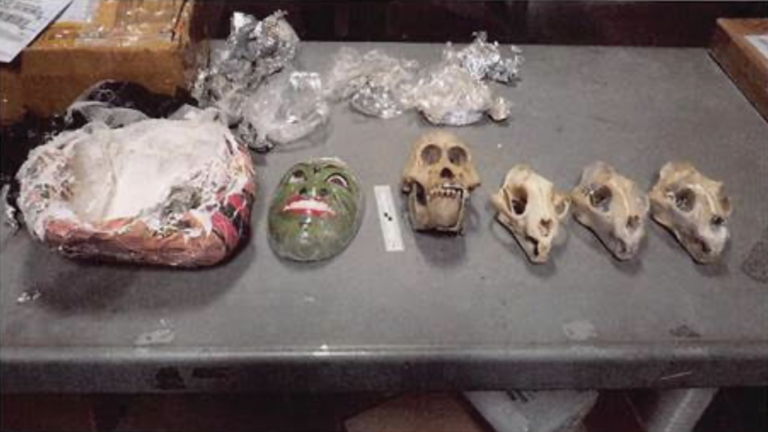
2 days agoFour London venues awarded 15 million in National Lottery funds
Each of these newly funded projects are exploring ways for young people to get involved, as well as offering quality apprenticeships and research opportunities for hands on experience, such as research to safeguard endangered sharks in the Thames Estuary. These initiatives show how heritage is empowering the next generation - building confidence, skills and connecting with the heritage that matters to them - from historic places to the natural world. Thanks to National Lottery players, we're supporting ambitious projects that care and value heritage and give young people a voic
London
fromwww.theguardian.com
1 week agoHow a kindergarten teacher became the accidental guardian of 200 king penguins
Five pairs of rubbery feet carry velvet-sheathed black-and-white bodies towards the rope line separating the king penguins from the dozen or so visitors, who look on in awe. As these emissaries shuffle over, a hundred of their cohorts parade on a nearby bank, splashing around in the water and regurgitating food into their chicks' open beaks.
Environment
fromwww.theguardian.com
1 week agoChoughs reappear at Tintagel Castle in Cornwall after decades of absence
Choughs are considered Cornwall's national bird and feature in its coat of arms but vanished as a resident from the far south-west of the UK in the early 1970s, largely because of the decline of their grazed clifftop habitat. Their disappearance was keenly felt across Cornwall but particularly, perhaps, in and around Tintagel because of the bird's connections to the legend of King Arthur.
London
Television
fromPinkNews | Latest lesbian, gay, bi and trans news | LGBTQ+ news
1 week agoLGBTQ+ ally Robert Irwin excited to be 'covered in mud' as he returns to day job
Robert Irwin will return to conservation work in Australia, then host Dancing with the Stars: The Next Pro in London and the United States.
fromConde Nast Traveler
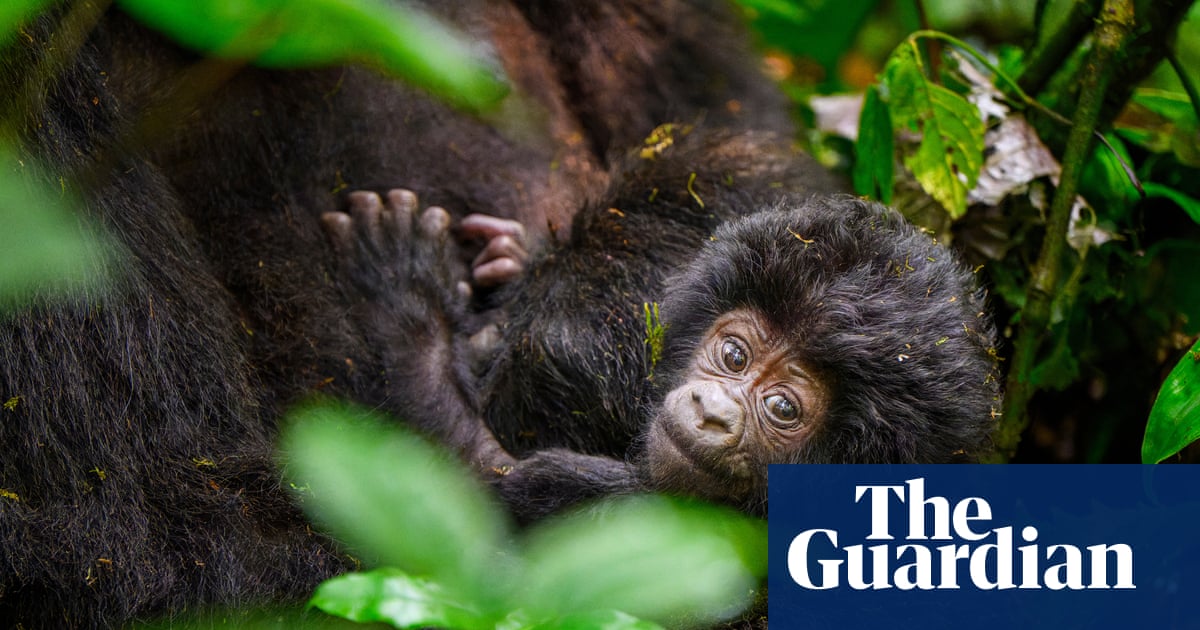
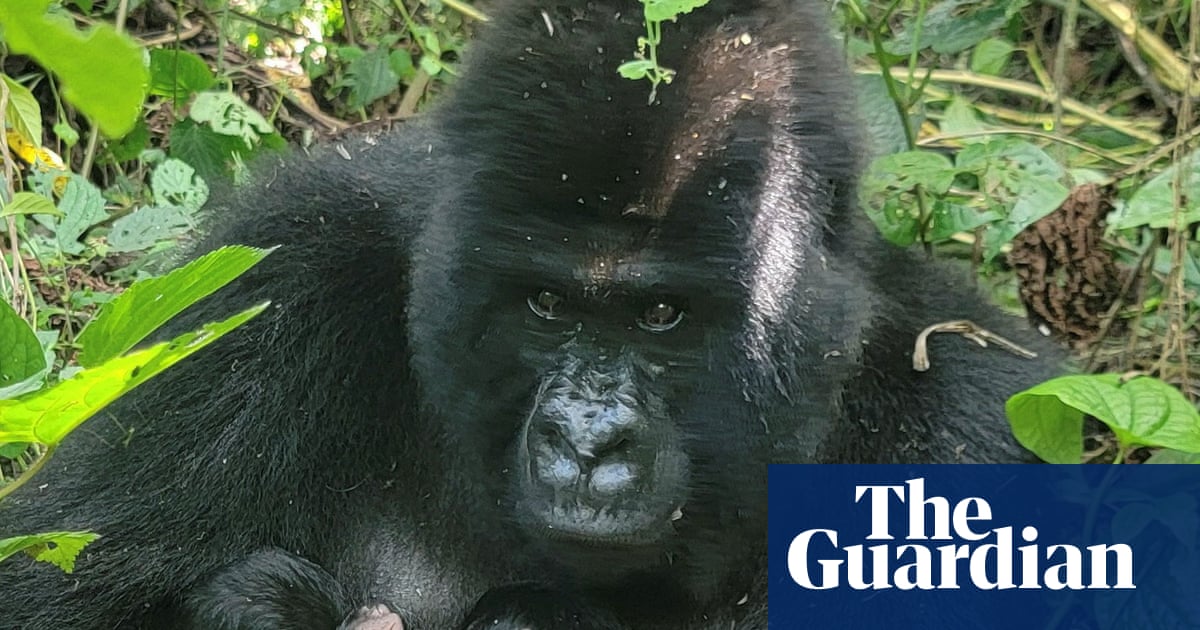
1 week agoIn Uganda, The Gorillas Are Only Part of The Appeal
By the time we see our first gorilla, I'm ready to sit down on a patch of grass and, honestly, take a rest. After two hours of vigorous hiking, I want to ask the gorillas if they can just hang on a moment so I can catch my breath. The hike began with a bang: up a steep incline, through a non-native eucalyptus woodland, past tea plantations at 6,200 feet above sea level, then down into the dense brush. Once inside Bwindi Impenetrable Forest National Park, we traipsed along a narrow path lined with mahoganies and strangler figs while skipping over branches and lines of angry red ants.
Travel
fromColossal
2 weeks agoIn 'Reverence,' Three Decades of Paul Nicklen's Remarkable Photographs Exalt Nature
Known for his stunning photos of wildlife and landscapes, as well as co-founding SeaLegacy alongside fellow conservationist and photographer Cristina Mittermeier, Paul Nicklen has traveled the globe to not only highlight our planet's phenomenal biodiversity but also to shed light on its increasing vulnerabilities due to the ongoing climate crisis.
Photography
fromwww.npr.org
2 weeks agoGreetings from a sea village in Indonesia, where Indigenous fishing gets help from mangroves
The Bajau people recognize how important mangroves are to their livelihood and survival. By cultivating mangrove trees, they have been able to bring back fish whose habitats had dwindled and protect the coastline from erosion.
US news
fromMail Online
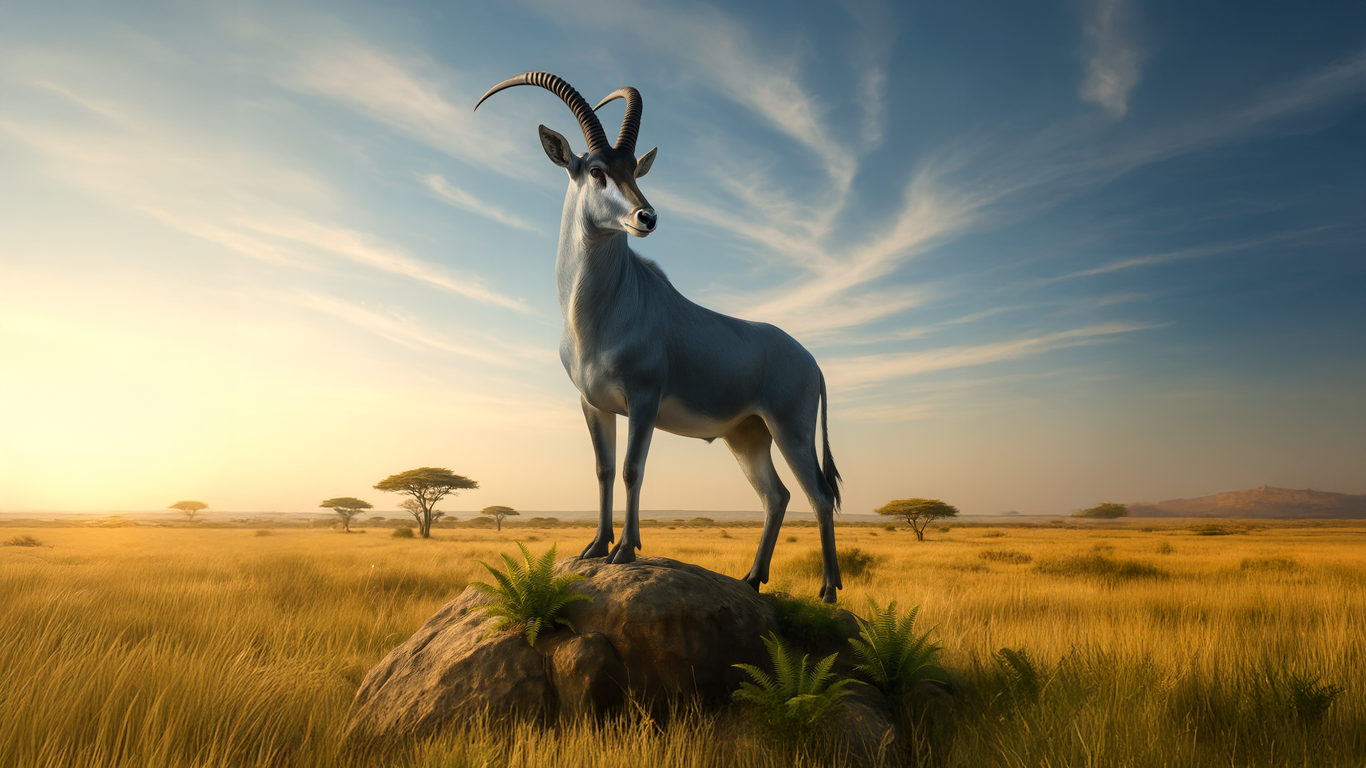
3 weeks agoCompany bringing back woolly mammoth plans to de-extinct the bluebuck
The bluebuck represents a pivotal step forward for Colossal and conservation, marking our first major focus on antelope conservation. Every reproductive technology, genome editing protocol, and conservation tool we develop through this effort is designed to scale.
OMG science
fromwww.nytimes.com
3 weeks agoPeter Raven, 89, Dies; Botanist Warned of the Perils of Climate Change
As we destroy the environment, we are destroying ourselves, he told an audience at the United Nations Earth Summit in Rio de Janeiro in 1992, held to address global environmental issues. We are part of the web of life, and what we do to the web, we do to ourselves.
Environment
fromwww.theguardian.com
3 weeks agoComing home': kiwi enter parliament for first time as New Zealand marks conservation win
New Zealand may be saturated with images of its treasured national bird but it is rare to see one in the flesh and this was the first time kiwi had ever set foot in parliament.
Pets
Washington DC
fromFortune
3 weeks agoWhite House withdraws hospitality executive as nominee to lead National Park Service as Trump slashes the department's size | Fortune
Donald Trump withdrew Scott Socha's nomination to lead the National Park Service amid significant staff reductions and ongoing leadership instability.
fromwww.theguardian.com
3 weeks agoCries of delight' as Sumatran orangutan filmed using canopy bridge to cross road for first time
For two years, the Sumatran Orangutan Society (SOS) and TaHuKah had been watching camera-trap footage of the bridge, waiting for the day that an orangutan would finally cross. After two long years, it's finally happened.
Photography
fromwww.theguardian.com
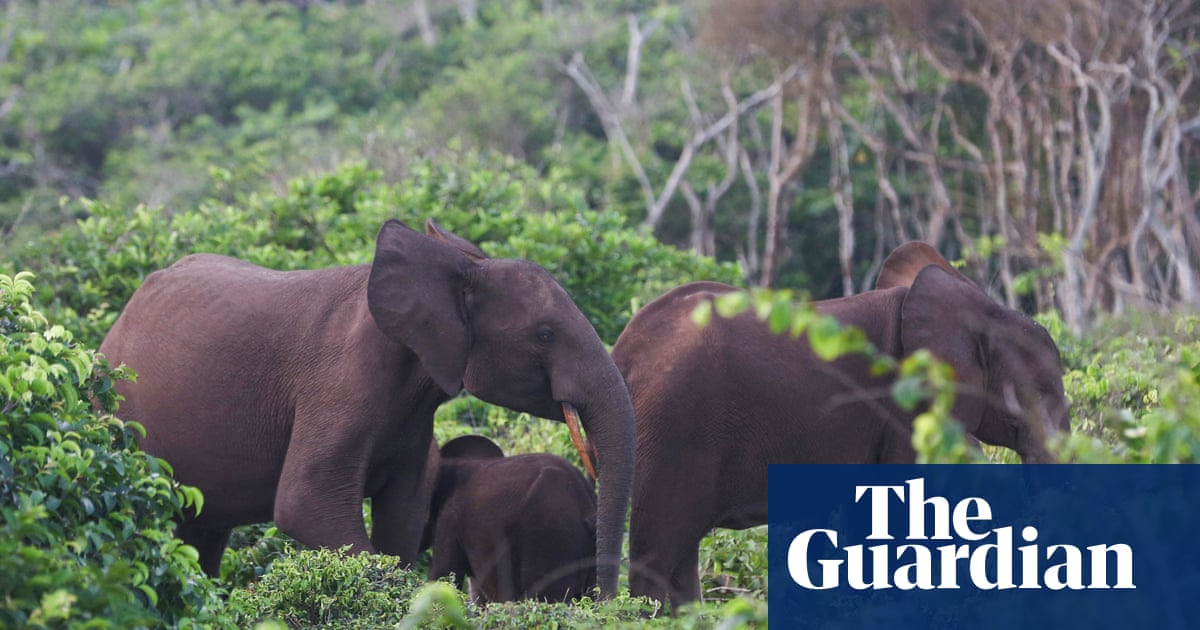
4 weeks agoEighteen wolves found dead in Italian national park in suspected poisoning
The carcasses of 18 wolves have been found in an Italian national park within the space of a week in an apparent series of poisonings described by conservationists as the most serious crimes against wildlife in Italy in a decade.
Europe news
Non-profit organizations
fromNonprofit Quarterly | Civic News. Empowering Nonprofits. Advancing Justice.
4 weeks agoEarth Day Is for the Planet. What About the People Protecting It? | Nonprofit Quarterly | Civic News. Empowering Nonprofits. Advancing Justice.
Conservationists face moral injury from witnessing environmental harm without adequate support, highlighting the psychological toll of their commitment to protecting the planet.
fromwww.theguardian.com
1 month agoCattle breed whose ancestors lived with Celts added to priority at-risk list
White park cattle are an ancient breed, different to the selectively bred commercial animals usually associated with farmed cattle. Price described them as a semi-wild animal that was partially domesticated.
Agriculture
fromThe Mercury News
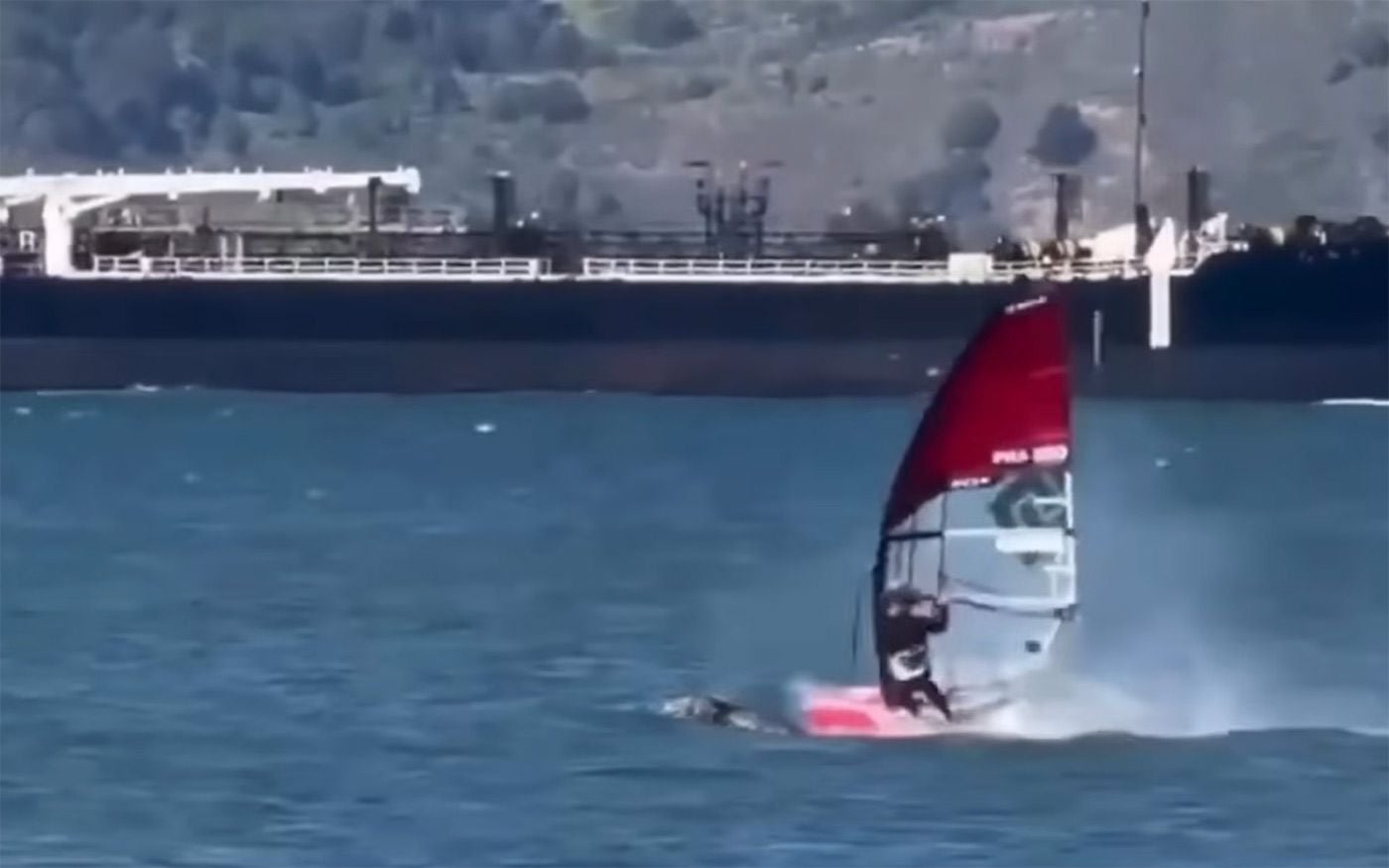
1 month agoDungeness crab: Bay Area's season will close April 30 - then reopen for whale-safe fishing
"Extending the spring crab season with pop-up gear helps support an economically vital fishery while preventing whale entanglements. It's a true 'win-win' for fisheries and wildlife."
California
Photography
fromYanko Design - Modern Industrial Design News
1 month agoThis minimal AI camera blends into the wild while quietly tracking wildlife - Yanko Design
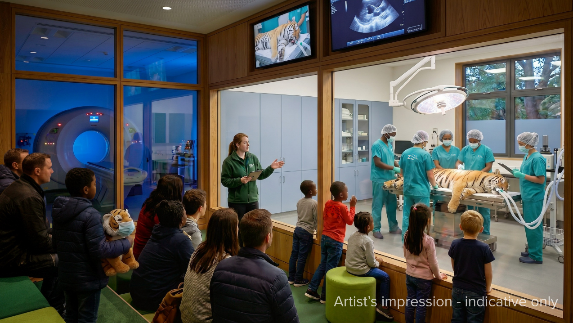
A minimal AI camera concept enhances wildlife observation by integrating intelligence into the environment, reducing human interference and improving monitoring accuracy.
#zoos
Pets
fromThe Boutique Adventurer
1 month agoThese Are the U.S. Zoos Animal Lovers Should Visit at Least Once - The Boutique Adventurer: Luxury Adventure Travel Blog focussed on Emerging Destinations for those over 35
Zoos in the US can be ethical, focusing on conservation, education, and research, with many being AZA-accredited for animal care standards.
Pets
fromThe Boutique Adventurer
1 month agoThese Are the U.S. Zoos Animal Lovers Should Visit at Least Once - The Boutique Adventurer: Luxury Adventure Travel Blog focussed on Emerging Destinations for those over 35
Zoos in the US can be ethical, focusing on conservation, education, and research, with many being AZA-accredited for animal care standards.
fromMail Online
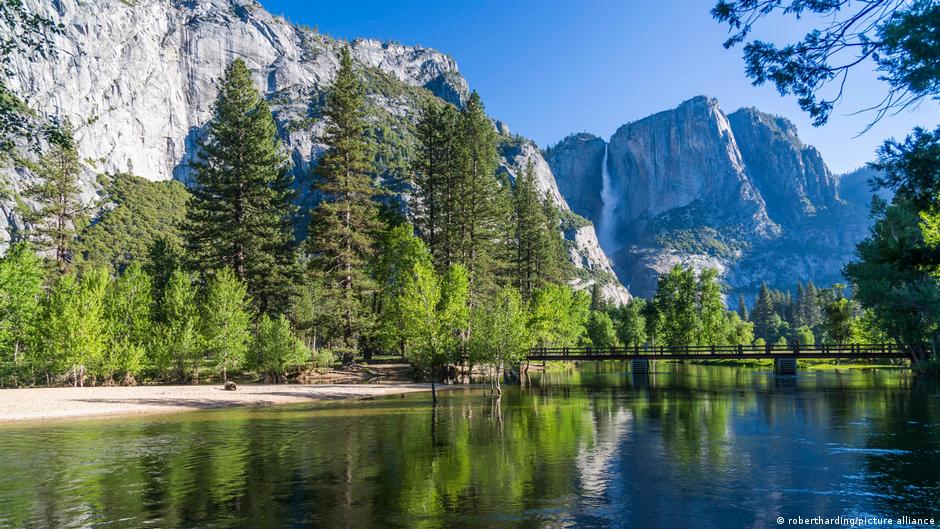
1 month agoBritain has just 20 years to save its wildlife, experts warn
'Our results show that the next 20 years are critical,' lead author Dr Rob Cooke told the Daily Mail. 'By around 2050, we reach a point where the choices we make on emissions and land use will largely determine whether Britain moves towards a much more degraded or a much more nature‑positive future.'
Environment
[ Load more ]