#coral-reefs
#coral-reefs
[ follow ]


fromConde Nast Traveler
3 months ago13 Beautiful Places in Oman for Fjords, Dunes, and Waterfalls
The most beautiful places in Oman are diverse, stark, and staggering. With ancient ruins, fragrant souks, and picturesque mountain villages, there is no shortage of man-made wonders. But it is the country's geology that delights best. In this desert nation, beauty is defined by water: the white sands of surf-battered beaches, gurgling wadi streams, and cloud-shrouded massifs where pomegranates hang heavy.
World news
Photography
fromTravel + Leisure
4 months agoThis 113-mile Highway Through the Florida Keys Is Lined With Delicious Seafood, Charming Islands, and Ocean Views
The Florida Keys reward slow travel with accessible reefs, mangroves, beaches, and relaxed island retreats ideal for snorkeling and coastal leisure.
fromWIRED
4 months agoThe Earth Is Nearing an Environmental Tipping Point
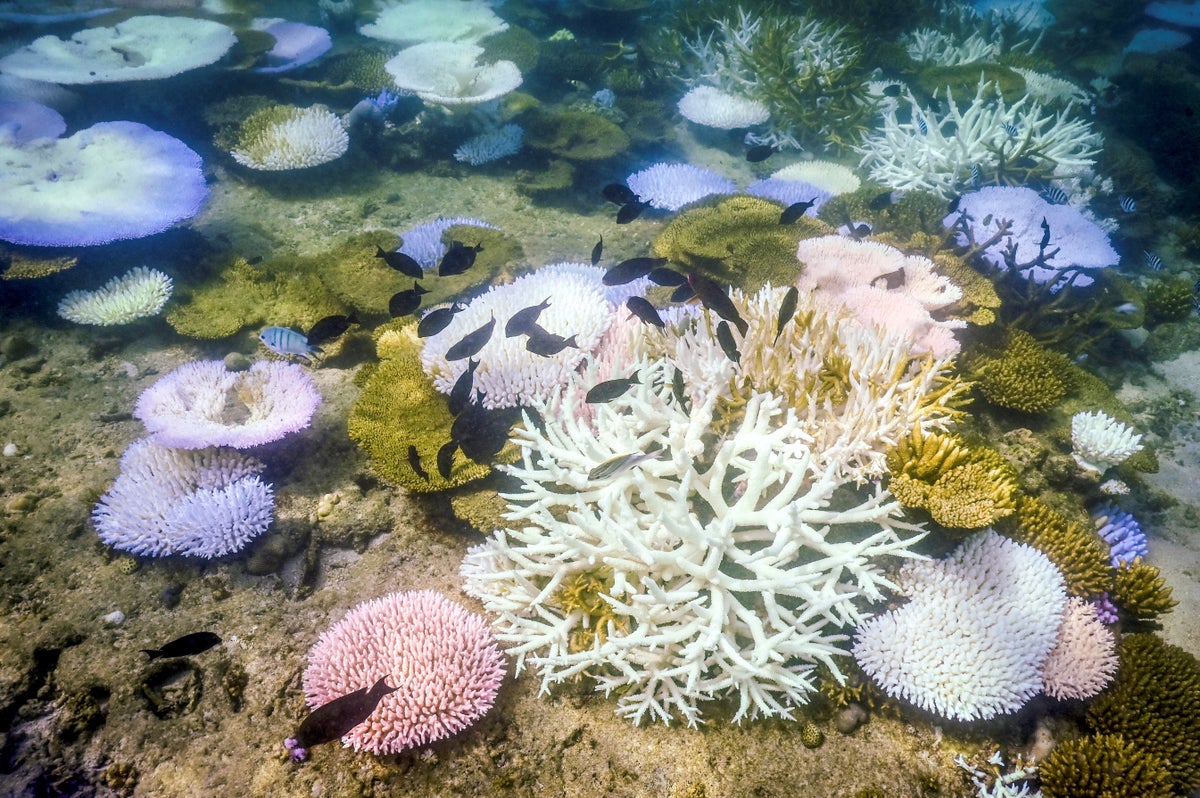
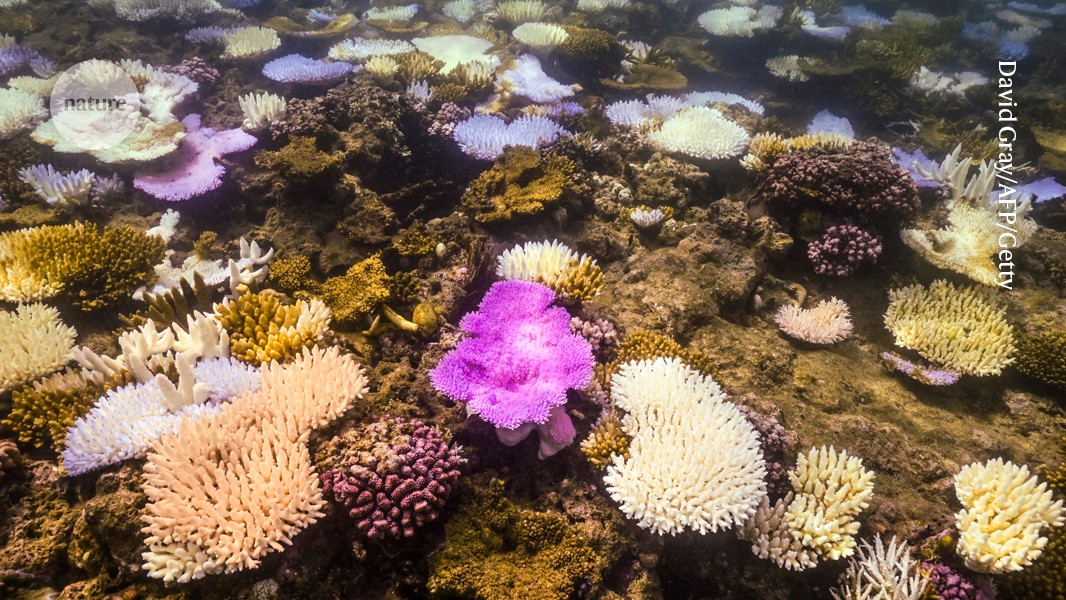
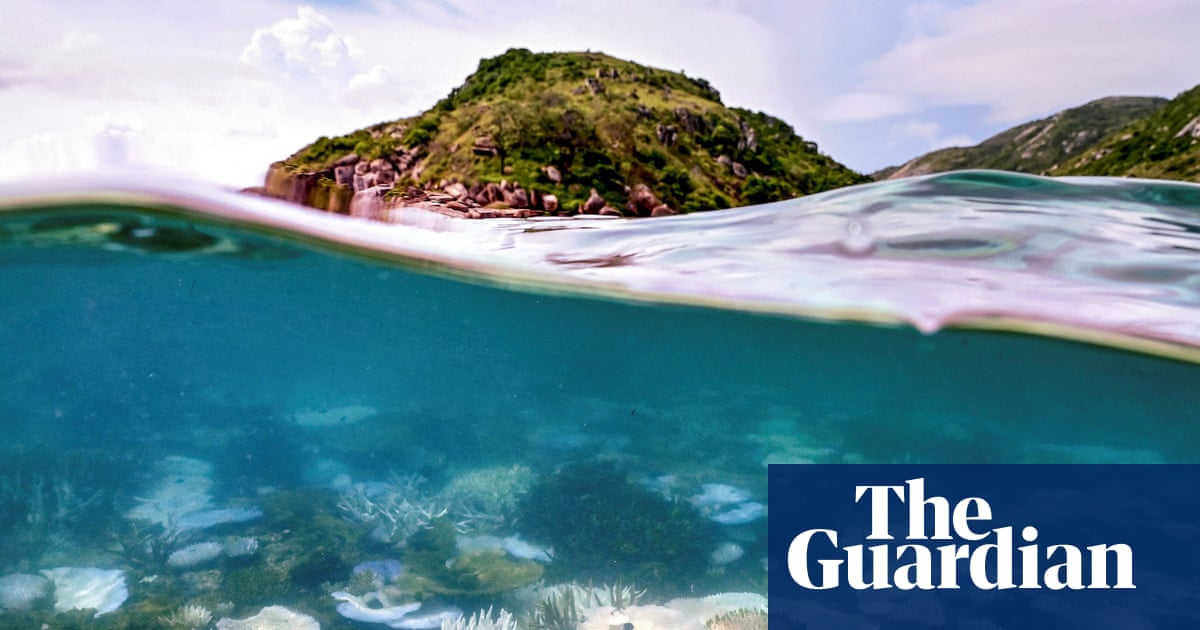
The emissions in our atmosphere are at work, heating the planet, acidifying our oceans, and leading to climate-fueled disasters: heat waves, fires, flooding, droughts, and storms. For some climate impacts, devastation can be followed by the painstaking work of recovery. But for many natural systems, like our tropical coral reefs, the stress we are putting on them is reaching the realms of permanent decline and ultimate collapse.
Environment

fromTravel + Leisure
7 months agoThis Maldivian Atoll Is One of the Most Unique UNESCO Sites in the World-and It Has Overwater Bungalows and Manta Rays
In June 2011, Baa Atoll in the Maldives became a UNESCO Biosphere Reserve along with the likes of Komodo Island in Indonesia and the Galapagos Islands in Ecuador. The atoll is home to one of the largest groups of coral reefs in the Indian Ocean (it's the seventh largest in the world) and supports over 1,200 species of fish and 250 species of coral.
Travel
fromFast Company
8 months agoHave fish at home? You can help scientists discover how to save coral reefs
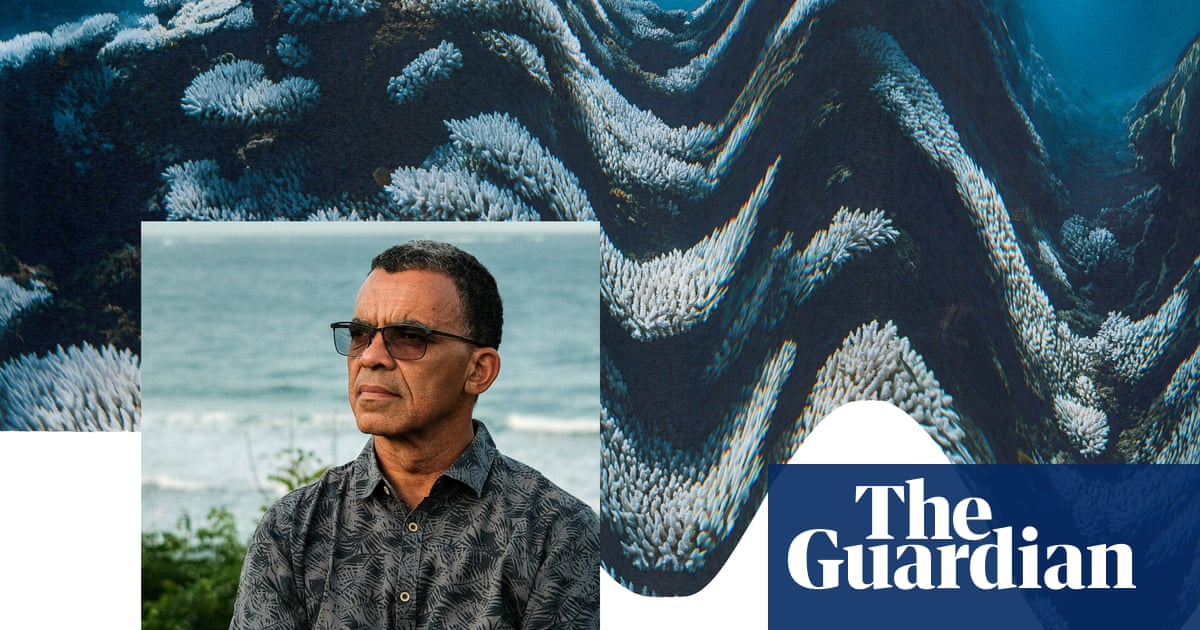
Rising ocean temperatures and increasing acidification are threatening coral reefs. Between 2009 and 2018, the world's reefs lost 14% of their corals. By 2025, 84% of the oceans' reefs have been affected by bleaching, meaning they've been so stressed by the changes to their environments that they've expelled all the algae living inside them, turning them white. As climate change worsens, coral loss is expected to speed up. Corals are also threatened by activities like fishing and tourism.
Environment

[ Load more ]