#climate-change
#climate-change
[ follow ]
#reproductive-rights #heatwaves #public-health #fossil-fuels #big-tech #renewable-energy #extreme-heat
fromFuturism
1 day agoApocalyptic "Fungal Storms" Are Now Surging Across the US
One 2017 research paper published in Geophysical Research Letters noted that incidents of Valley Fever ballooned by over 800 percent from 2000 to 2011. In two geographical areas with high concentrations of the infection, dust storms where "found to better correlated with the disease than any other known controlling factor."
Coronavirus
Coronavirus
fromNonprofit Quarterly | Civic News. Empowering Nonprofits. Advancing Justice.
1 day agoAs Hantavirus and Ebola Cases Rise, Long COVID Is Being Forgotten | Nonprofit Quarterly | Civic News. Empowering Nonprofits. Advancing Justice.
“Post-COVID” is inaccurate because SARS-CoV-2 continues to cause new cases and long-term harm, alongside rising infectious disease threats.



fromABC7 San Francisco
2 days agoCorte Madera prepares for next flood emergency after January King Tides left neighbors 'in the dark'
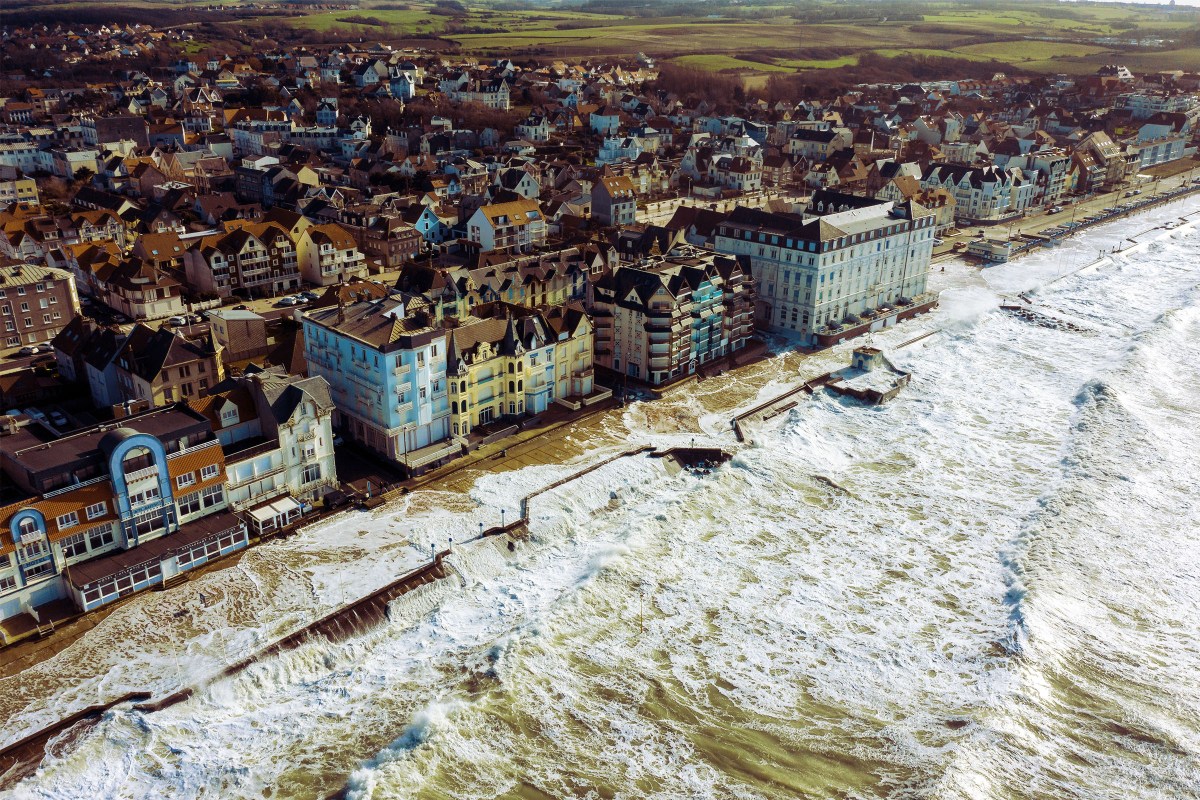
Solis remembers when water surged into her Lucky Drive neighborhood in January as storms and King Tides swelled nearby Corte Madera Creek. "Things got bad quickly," she said. "There were no signs from the city or county about flooding. We had no idea it was going to get that bad."
California

fromKqed
2 days agoEarly Bay Area Honeybee Swarms Bring New Questions About Warming Winters | KQED
A new report published by Swarmed, a resource for bee removal and a tracking network of more than 10,000 beekeepers, found that this year's swarm season began an average of 17 days earlier than last year nationwide. In Bay Area counties, including San Francisco, San Mateo and Marin, some swarms arrived more than a month ahead of schedule. But bee experts think Swarmed's four-year dataset needs additional time to establish a trend.
East Bay (California)
Social justice
fromNonprofit Quarterly | Civic News. Empowering Nonprofits. Advancing Justice.
3 days agoEvery Nonprofit Is a Climate Organization Now, Whether It Recognizes It or Not | Nonprofit Quarterly | Civic News. Empowering Nonprofits. Advancing Justice.
Human-caused climate change is driving extreme weather and biodiversity loss, with U.S. impacts hitting marginalized communities most severely due to systemic inequality.
#reproductive-rights
UK politics
fromwww.independent.co.uk
5 days agoReform's by-election candidate didn't vote for Brexit, unearthed posts suggest
The Independent funds on-the-ground reporting without paywalls, while Makerfield scrutiny centers on a candidate’s resurfaced posts about Brexit and discriminatory language.
UK politics
fromwww.independent.co.uk
1 week agoThose girls deserve justice': Minister wells up after boys spared jail for rape
Two 15-year-old boys received youth rehabilitation orders after raping two girls, while victims and officials criticized the lack of prison sentences.



Agriculture
fromenglish.elpais.com
4 days agoRaquel Chan, the renowned Argentine scientist who created drought-tolerant seeds: GMOs have become a dirty word'
GMO wheat and soy seeds using a sunflower gene improve drought tolerance by activating stress-response mechanisms in plants under low-water conditions.
Environment
fromwww.theguardian.com
6 days agoAustralian taxpayers subsidise Big Mining's use of fossil fuel to the tune of $4bn a year. It's a strange way to tackle emissions | Adam Morton
Cancelled and delayed climate commitments increase pollution and weaken progress toward Australia’s climate targets while reducing momentum for industrial decarbonisation technology.
Arts
fromYanko Design - Modern Industrial Design News
6 days agoWhat If City Monuments Generated Power Instead of Just Looking Good? - Yanko Design
Public eco-art proposals reimagine monuments as renewable energy generators that visibly practice sustainability through power, water collection, and storage.
fromFuturism
1 week agoScientists Say Huge Dam Blocking the Bering Strait Could Slow Effects of Climate Change
Sea levels are just the start of how climate change will upend the ocean. Rising temperatures are also threatening a critical artery that runs through the ocean known as the Atlantic Meridional Overturning Circulation, or AMOC. This current, in short, sends warm water northwards and dumps colder water southwards in a giant loop, massively influencing the world's weather systems along the way.
OMG science
fromTasting Table
1 week agoWhat Happened To Chocolate? Why Customers Think The Quality Isn't What It Used To Be - Tasting Table
“You can really tell the difference in products that have chocolate. They've decreased the chocolate and increased the sugar, likely [because] it's less expensive.”
Silicon Valley food
Los Angeles
fromLos Angeles Times
1 week agoSandy fire crew salvages family wedding ring amid Simi Valley ashes
Firefighters recovered a wedding ring and other keepsakes from a Simi Valley home destroyed by the Sandy wildfire, which spread rapidly amid dry conditions and possible tractor-caused ignition.
fromPsychology Today
1 week agoPlanetary Health and Neuroarts
Over the past century, humanity has achieved extraordinary gains in human health. Advances in water and sanitation, maternal and child care, infectious disease control, vaccinations, and other public health achievements have vastly improved human longevity and quality of life, reducing global child mortality significantly and increasing life expectancy to about 71 years as of 2021 ( WHO, 2024).
Public health


fromLos Angeles Times
1 week agoHumans are killing California Joshua trees. Can fungi save them?
She parted some creosote branches to reveal a shriveled shrub, just ankle-high. This doomed seedling was part of a National Park Service planting effort to replace dozens of Joshua trees cut down by a Southern California Edison contractor tasked with protecting the company's power lines. But of the 193 babies planted here roughly five years ago, only 27, or 14%, are still alive, according to the Park Service. If researchers don't figure out why so few survived, an imperiled icon of the California desert may disappear even more quickly.
OMG science
[ Load more ]