Many luxury EVs are about to get significantly cheaper as we step into 2026. That's because dealers still have a lot of leftover inventory for 2025 and even 2024 models. As time passes, dealers will want them gone sooner rather than later. Even with the generous $7,500 federal incentive for EVs out the window, there is good news on the horizon for car buyers interested in going electric.
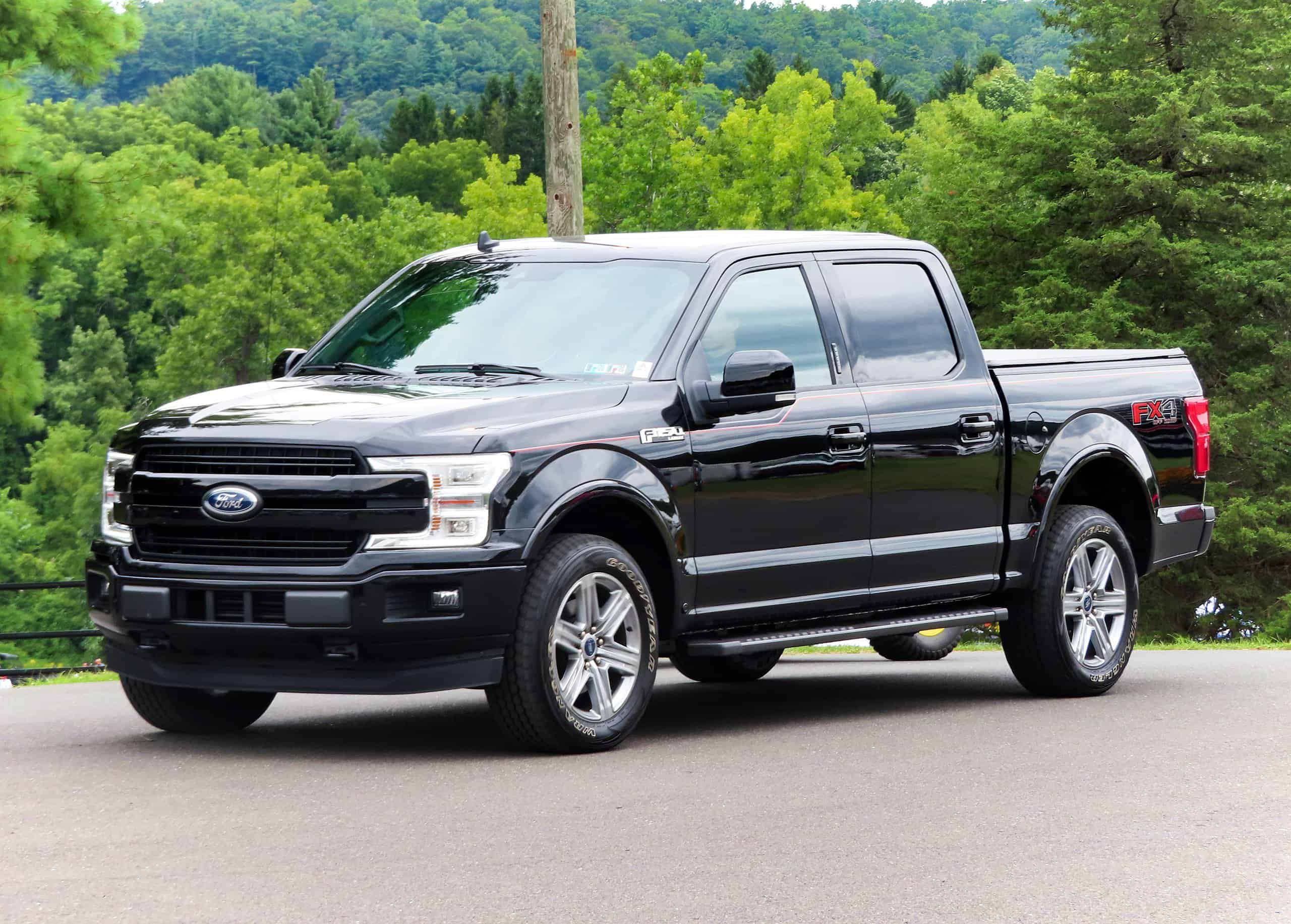
The Ford F-150 Lightning lived a short life. But for many people, it was a lifeline when the going got tough. When a hurricane took power out at a Florida veterinary clinic last year, the Lightning's giant battery powered it back up. After an elderly man was stranded in California because his electric wheelchair's battery ran out, a Lightning made it operational again. And during the devastating Kentucky floods in 2022, Ford deployed two Lightnings as mobile generators to support cleanup efforts.
"Thirty-three percent of our industry would've been wiped out had EV mandates continued," Bailey-Chapman said, referring to future federal fuel efficiency regulations that would have required automakers to sell many more EVs to avoid punishing fines.
Attorney General Rob Bonta said the U.S. Department of Transportation did not have the authority to suspend $180 million to fund EV charging programs in California which Congress and former President Biden had already approved in 2021 as part of the landmark Bipartisan Infrastructure Act. This is funding that was lawfully directed to states and local communities by Congress, Bonta said at a news conference.
Mercedes-Benz has been researching, refining and even reshaping the car that would ultimately be the CLA for years now, teasing us with technical briefings and even showing off a sultry crimson concept car a full two years ago. That was the Concept CLA, and while the production CLA you see here doesn't look quite that good, it is a fine-looking little electric sedan. More importantly, it goes as far as you'd think its slippery, 0.21-coefficient-of-drag body would carry it: up to 374 miles on a charge.
The tiny Fiat Topolino-about the length of a cargo bike and half as long as an American SUV or pickup-is the kind of car tourists stop to photograph as a cute curiosity in Rome or Milan. The electric car only travels 28 miles an hour, and it's designed for dense European cities. But it also only costs around $10,000, and Fiat is now betting that Americans are ready for something this tiny.
Ford Motor Company has ceased production of the F-150 Lightning, its flagship full-size electric pickup, and will focus instead on hybrid vehicles and a future line of smaller, cheaper EVs. Battery plants once intended to supply Ford trucks will now be sending batteries to bolster the electric grid instead. Ford says the move is following customer demand, and reflecting the reality that the Lightning was a money-loser and Ford, concluded, it always would be.
German car manufacturers turned in their worst quarter since the days of the 2009 global financial crisis, according to a study released Monday by financial consultancy EY. Together, earnings before interest and taxes (EBIT) at Germany's biggest automakers, Volkswagen, BMW and Mercedes-Benz, plummeted by nearly 76% in the quarter between July and September. The statistics indicate that although sales and revenue remained stable, production and running the business has become much more expensive, and carmakers are earning less from sales.
Car-buying website Edmunds predicts a huge flood of lease turn-ins in 2026. That will include electric vehicles, many of which were leased during the tax credit era. Coupled with depreciation, this means that a giant supply of low-mileage EVs are hitting dealer lots, many with excellent range and outstanding features. Some people say that given recent trends, the auto industry bet wrong on electric vehicles. I see things differently. I think it bet wrong on high prices.
EV sales in North America fell 1% this year compared to 2024, according to data from supply chain data firm Benchmark Mineral Intelligence. The dip comes as the US has faced a combination of policy changes, tariffs, and supply chain upheavals this year. There were 1.7 million EVs sold in North America between January and November - far behind the 11.6 million sold in China and below the 3.8 million sold in Europe.
The EU's outright ban on the sale of new petrol and diesel cars from 2035 is poised to be watered down, a senior European parliament politician has said. The decision, expected to be unveiled by the European Commission on Tuesday in Strasbourg, would be a divisive move, angering environmental campaigners who argue it would amount to the gutting of the EU's flagship green deal.
It means "improvement"often the continuous, gradual, methodical kind. And Toyota's first electric vehicles, including the Subaru Solterra, badly needed some of it. On paper, those EVs should've capitalized on the uber-popularity of cars like the Toyota RAV4 and the Subaru Forester. Instead, the original Solterra offered middling range figures, delivered abysmal fast-charging times and lacked key EV software features, like automatic route-planning. Its Toyota twin, the bZ4X, had all of the same problems.
The world's biggest automotive markets are in fight-or-flight mode right now. While China is pushing forward with EVs, the U.S. has all but pulled federal support for them. And then there's Europe, which is caught in the center of a global tug-of-war between outright banning gas cars and admitting defeat to the Chinese EV market and silently letting it take hold. It's all coming to a headvery soon.
Donald Trump's trade tariffs have failed to hold back China's export dominance, which scaled new heights in November. China's trade surplus the difference between the value of goods it imports and exports has hit $1 trillion for the first time, a significant yardstick in the country's role as factory of the world, making everything from socks and curtains to electric cars.
The "win" for Ford and GM is that they are fossil-fuel kings in a fossil-fuel nation. The EV market has died, thanks mostly to the end of the federal $7,500 EV tax credit. iSeeCars research says that EV sales as a percentage of total U.S. new car sales dropped from 8% in the third quarter to 4% in the fourth quarter. It will stay at that level through 2026, the research firm forecasts.
When Hertz emerged from bankruptcy and went public in 2021, the rental car company made a multi-billion-dollar bet that the future of mobility pointed toward mass electrification and that the time to pivot was immediate. Hertz, the second-largest rental car company in the US, made a bulk purchase of 100,000 Teslas that year - estimated to cost around $4.2 billion and deemed the largest single purchase of EVs ever.