#ford
#ford
[ follow ]
#electric-vehicles #automotive-industry #f-150-lightning #hybrids #ev-strategy #tesla #amazon-autos #chinese-evs
#electric-vehicles

Cars
fromThe Verge
1 week agoInside the lab where Ford is trying to crack the code on cheap EVs
Ford is committed to building EVs and aims to achieve a $30,000 price point for its next model.



fromExchangewire
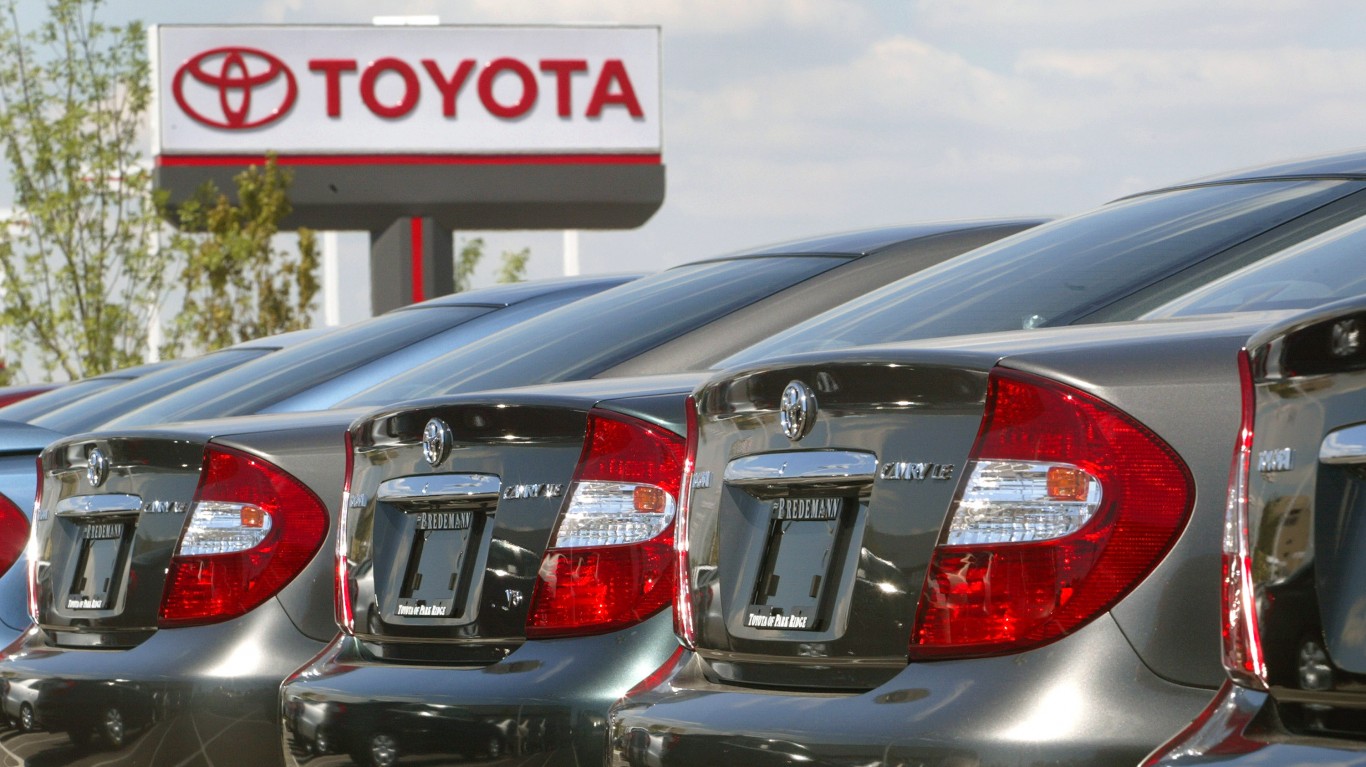
1 month agoBrits Buying More Chinese Cars - But Prefer Reading About Classic US & European Brands
"Chinese cars may be growing rapidly in popularity, but UK readership has yet to catch up," said David Struzzi, communications lead at Taboola. "Brands like Mercedes-Benz and Ford are cemented into people's cultural imagination - which is why they earn more reader interest than newer Chinese cars."
Cars

US politics
fromFortune
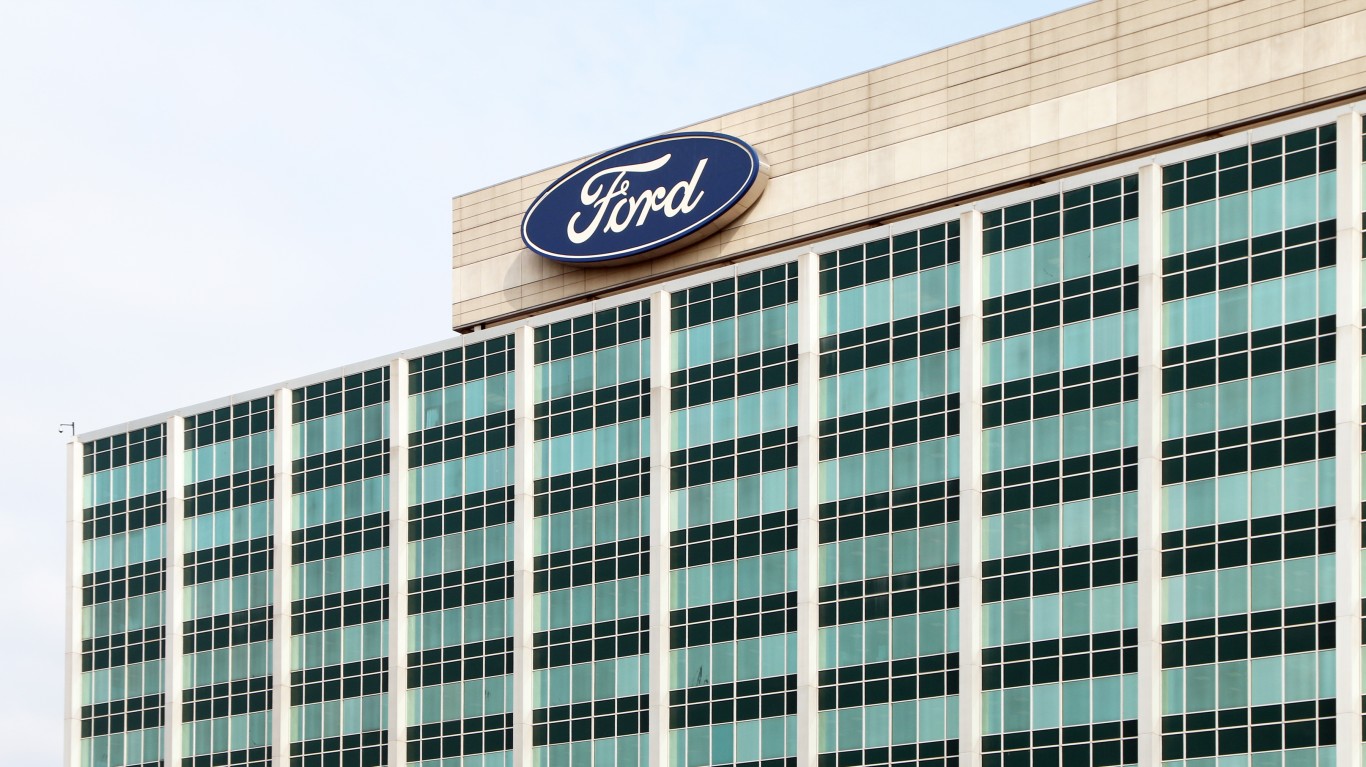
3 months agoFord CEO Jim Farley says the White House will 'always answer the phone,' but needs Trump to do more to curtail China's threat to America's autos | Fortune
Ford urges stronger U.S. trade and tariff policies to reduce aluminum costs, shield domestic manufacturing, and counter China's growing competitive threat.

fromBusiness Insider
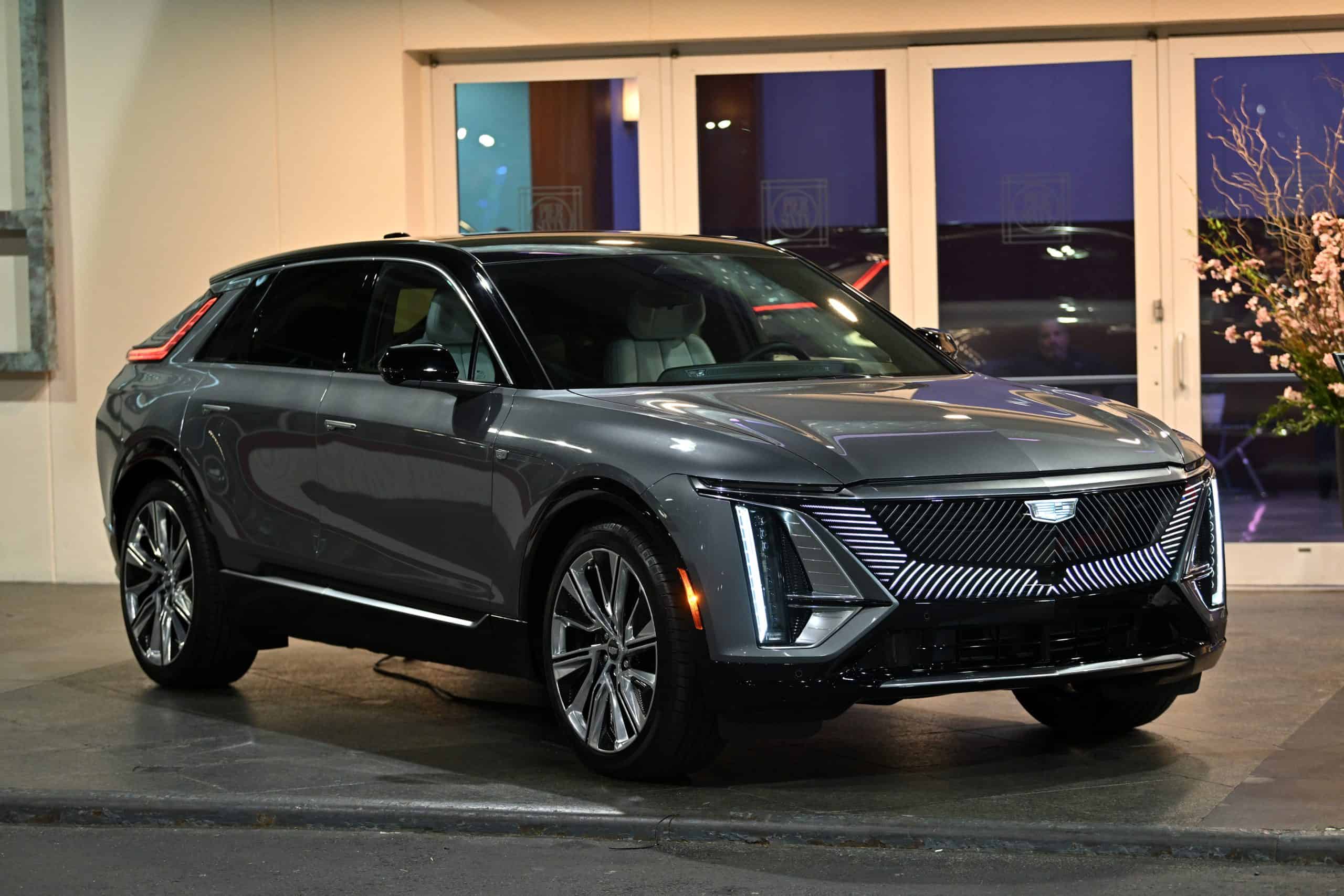
4 months agoFord is switching gears from large EVs: 'It was really the customer changing their decision'
"Ford no longer plans to produce select larger electric vehicles where the business case has eroded due to lower-than-expected demand, high costs and regulatory changes," Ford said inthe release. The company also plans tostop the production of electric commercial vans it had planned to release in the US and Europe. Instead, it's boosting its hybrid car pipeline. "By 2030, about 50% of Ford's global volume will be hybrids, extended-range EVs and electric vehicles, versus 17% today," the company added.
Cars
fromWIRED
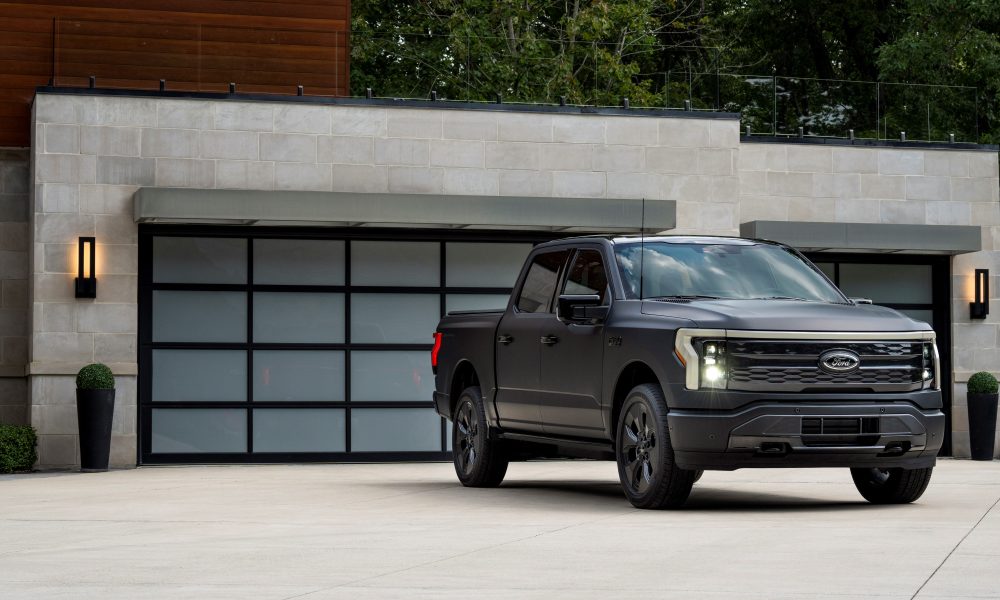
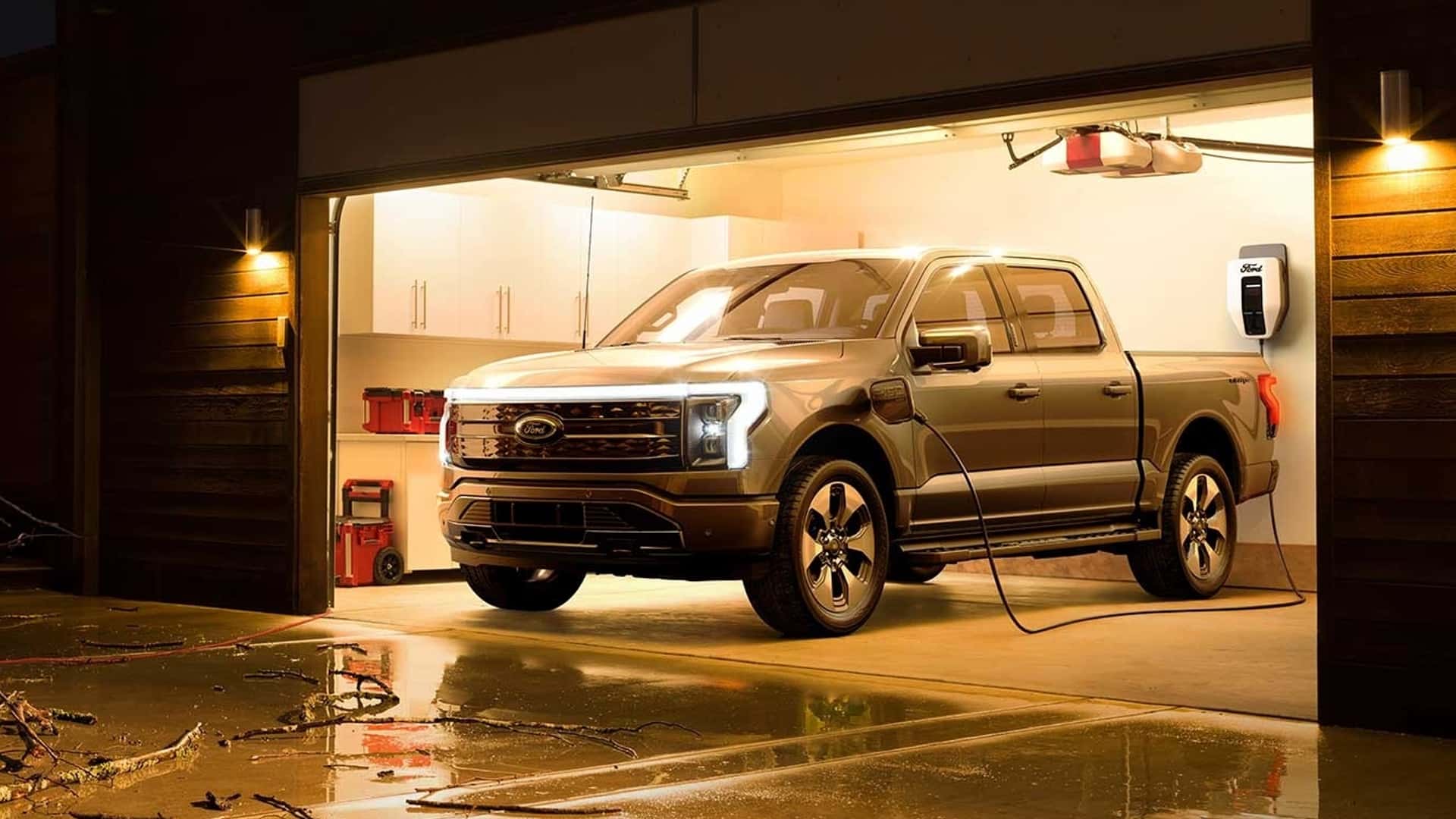
4 months agoFord Kills the All-Electric F-150 as It Rethinks Its EV Ambitions
Instead of planning to make enough electric vehicles to account for 40 percent of global sales by 2030-as it pledged just four years ago- Ford says it will focus on a broader range of hybrids, extended-range electrics, and battery-electric models, which executives now say will account for 50 percent of sales by the end of the decade. The automaker will make hybrid versions of almost every vehicle in its lineup, the company says.
Cars


fromThe Verge
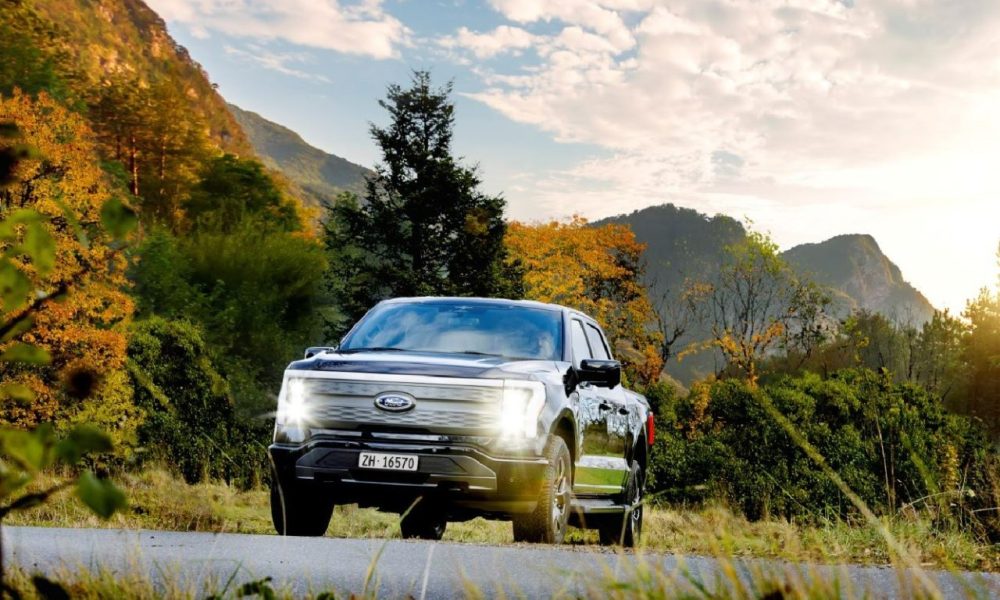
4 months agoFord's big bet on EVs didn't pan out - now its pivoting to hybrids and energy storage
Ford announced a series of changes to its gas- and electric-powered vehicle business aimed at dramatically increasing hybrid vehicle production in the face of slowing EV sales. The automaker also introducing some new products as part of this plan, including an extended-range EV version of its F-series truck and battery storage systems to meet growing demand from AI data center construction.
Cars
fromTechCrunch
5 months agoFord and SK On are ending their U.S. battery joint venture | TechCrunch
Four years ago, Ford and South Korean battery maker SK On struck a deal to form a joint venture and spend $11.4 billion to build factories in Tennessee and Kentucky that would produce batteries for the next generation of electric F-Series trucks. The factories live on; the joint venture will not. SK On, a subsidiary of SK Innovation, said Thursday it reached an agreement with Ford to end the joint venture.
Business
frominsideevs.com
5 months agoOver 20,000 Ford And Lincoln PHEVs Could Catch Fire, And There's No Fix
The latest one, regarding the plug-in hybrid Ford Escape and Lincoln Corsair crossovers, is a little more special, though. That's because over 20,000 of them are being recalled in the United States for the second time because the first temporary fix didn't turn out great, so the cars' high-voltage batteries could still catch fire. Worst of all, this second recall still doesn't provide a fix, so owners are left with a huge conundrum.
Cars



fromLondon Business News | Londonlovesbusiness.com
6 months agoWhich CEOs actually make or break company stock prices? - London Business News | Londonlovesbusiness.com
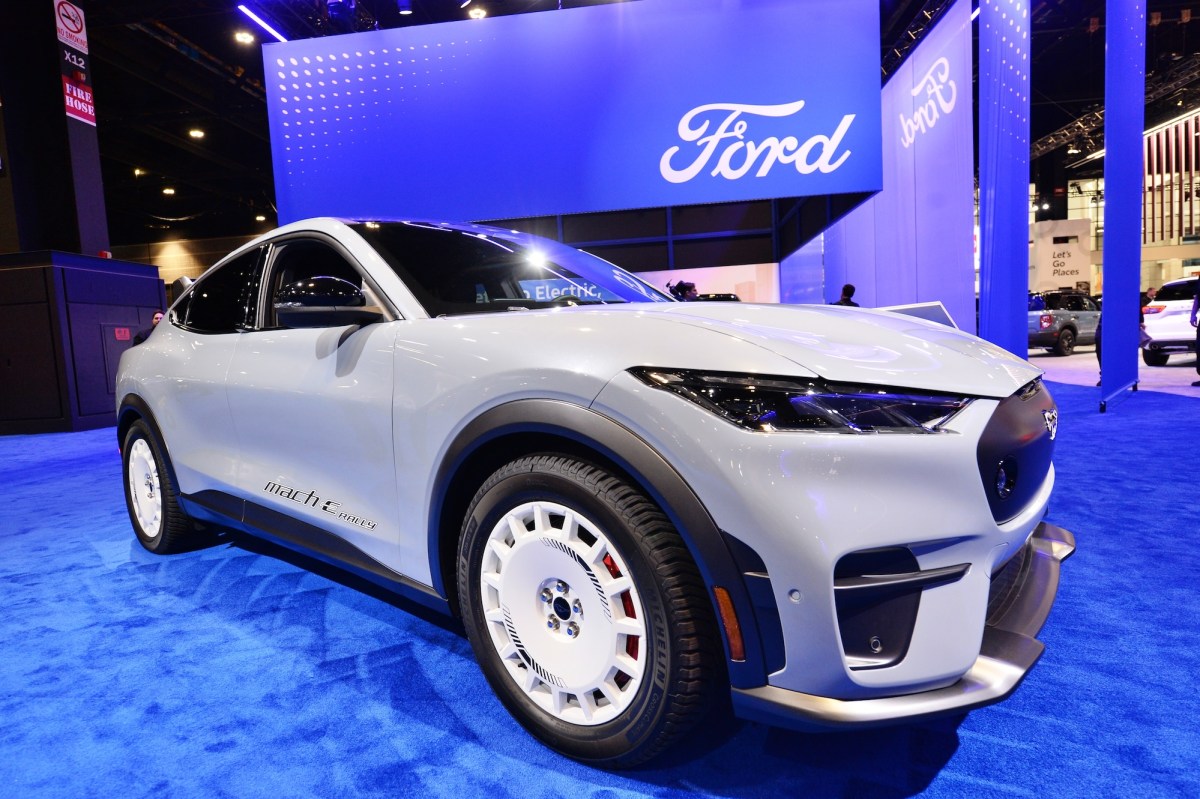
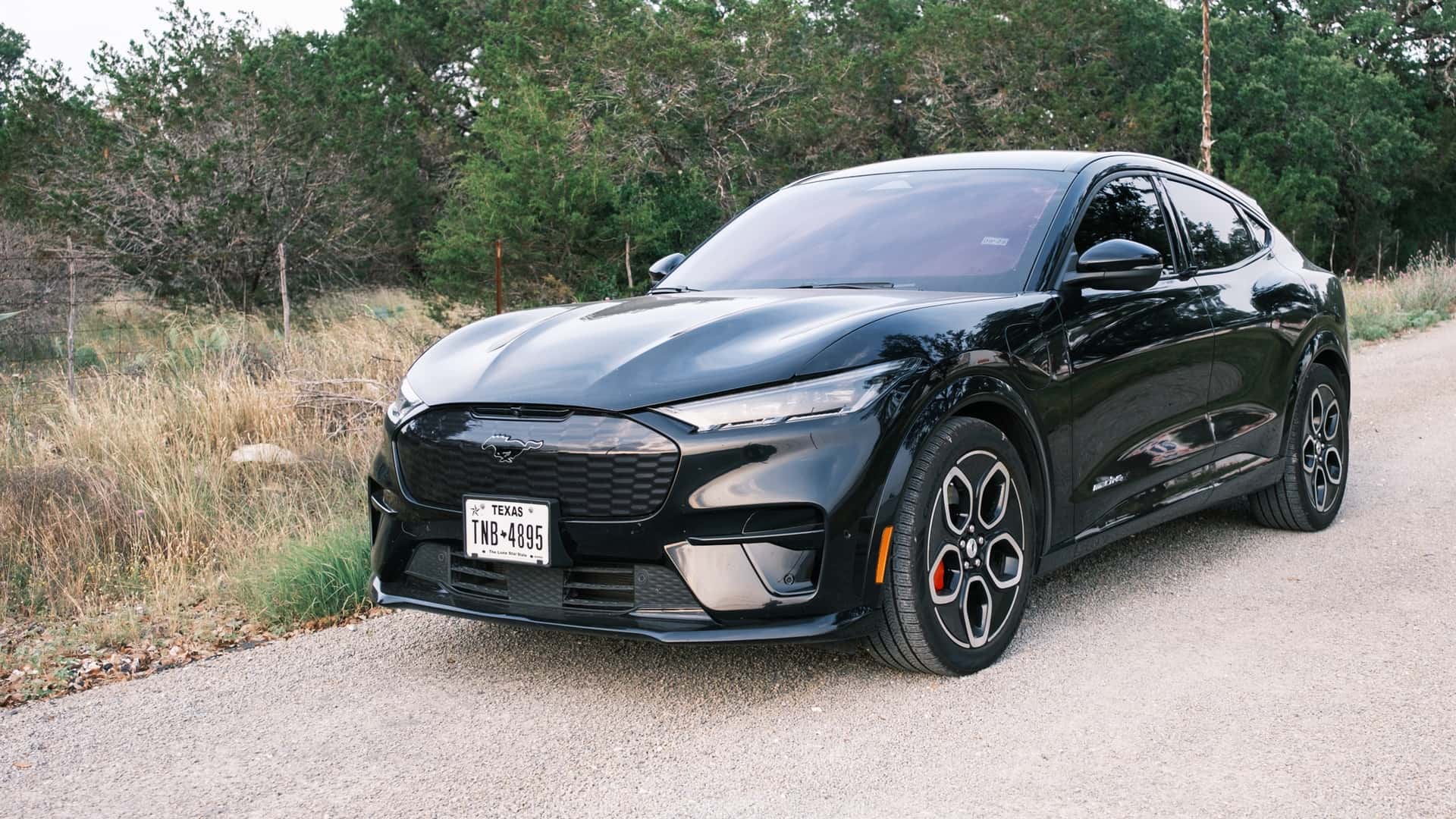
The analysis examined stock performance six months before and after CEO appointments, adjusted against S&P 500 performance during the same period. Jim Farley, who took over as Ford's CEO on October 1, 2020, saw the company's average stock price jump from $6.41 to $10.22 in the six months after his appointment. This 59.6% increase came during a period when the S&P 500 fell by 18%, resulting in a market-adjusted performance of 77%.
Business
[ Load more ]