#autonomous-driving
#autonomous-driving
[ follow ]
#tesla #electric-vehicles #robotaxi #tesla-fsd #full-self-driving #rivian #robotaxis #nvidia #nvidia-alpamayo

Artificial intelligence
fromYanko Design - Modern Industrial Design News
1 week agoBEYOND Expo 2026: Asia's Biggest Tech Event Just Told the World That AI Software Was Only the Warm-Up - Yanko Design
AI’s next phase focuses on moving from software screens into physical systems like robotics, vehicles, wearables, and manufacturing.

#electric-vehicles
fromEngadget
2 months agoAlternative transportation
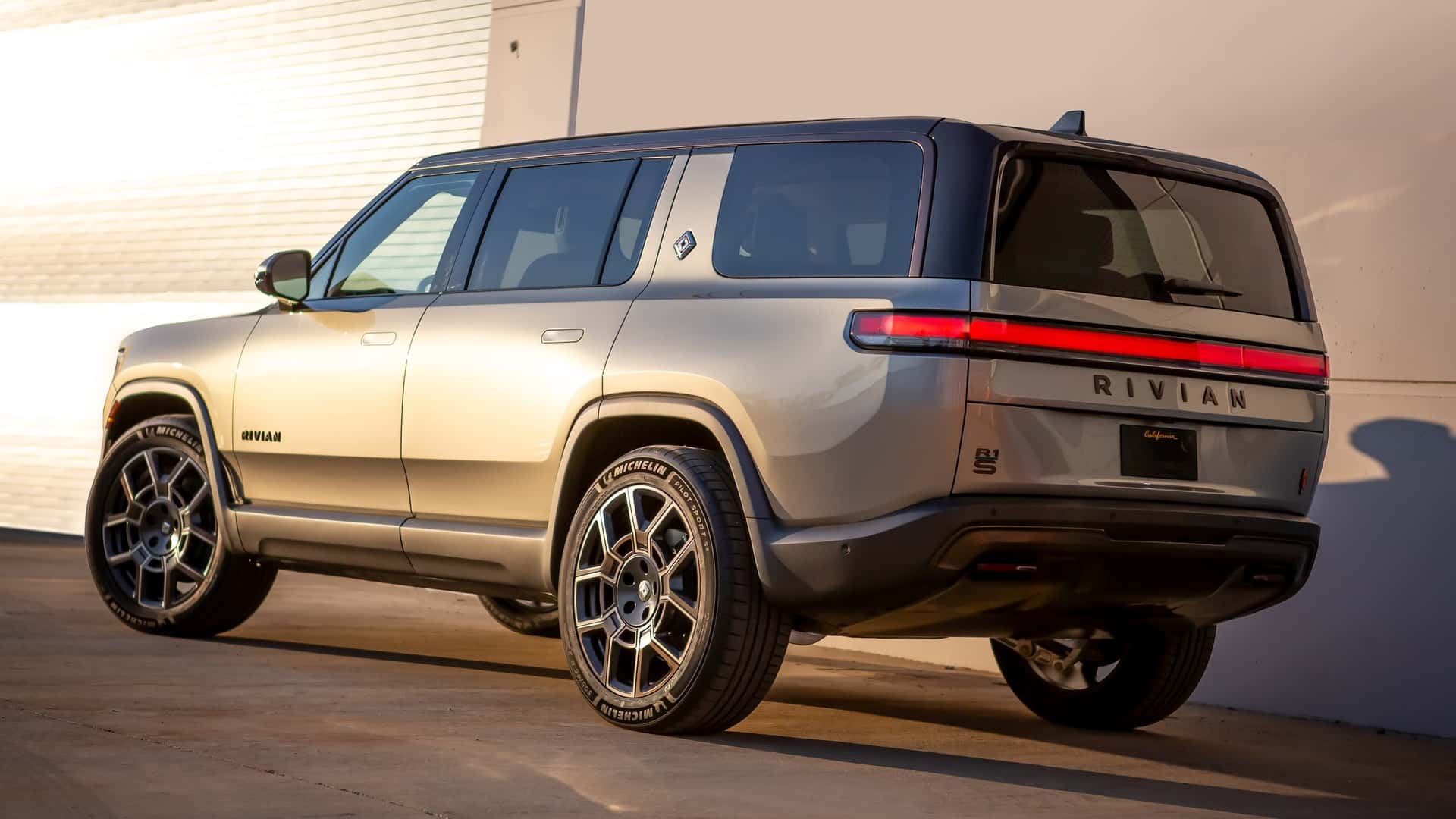
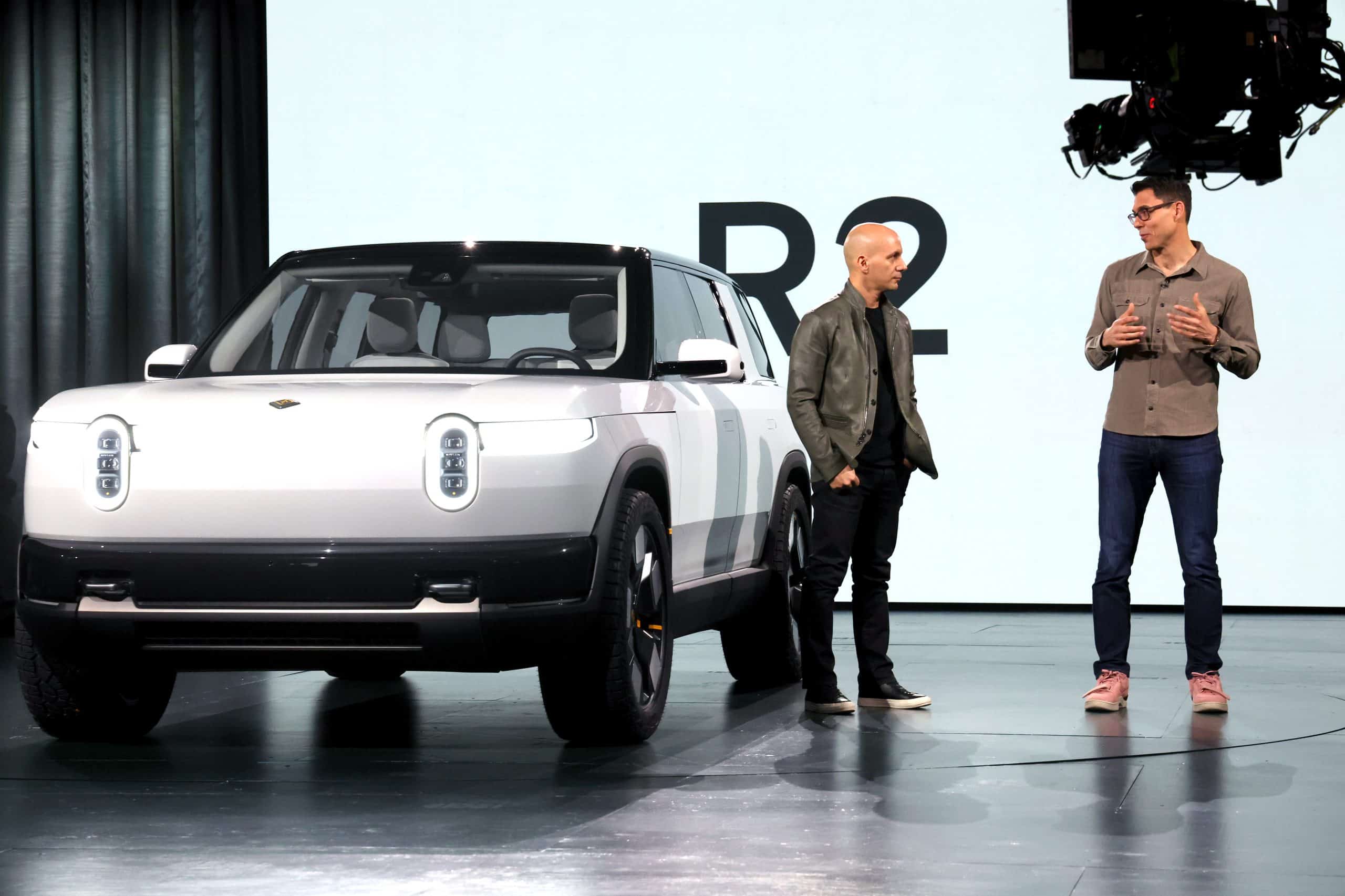
Rivian's R2 EV arrives this spring with a $58,000 price tag
Rivian's R2 electric SUV launches spring 2026 starting at $57,990, with affordable sub-$50,000 variants arriving in late 2027, featuring dual-motor AWD, 330-mile range, and standard NACS charging.
Alternative transportation
fromEngadget
2 months agoRivian's R2 EV arrives this spring with a $58,000 price tag
Rivian's R2 electric SUV launches spring 2026 starting at $57,990, with affordable sub-$50,000 variants arriving in late 2027, featuring dual-motor AWD, 330-mile range, and standard NACS charging.

fromSustainable Bus
1 month agoBerlin's BUS2BUS 2026 gathers 40 buses with focus on electrification and minibuses - Sustainable Bus
The event features approximately 40 vehicles alongside a conference program addressing topics such as autonomous driving, on-demand transport and operational concepts, including a Sustainable Bus session on intercity bus electrification.
Alternative transportation

fromTechCrunch
1 month agoEmil Michael, now a senior Pentagon official, says he'll never forgive Uber investors who ousted him and Kalanick | TechCrunch
When asked whether he had been shown the door alongside Travis Kalanick, Michael answered with a single word: 'Effectively.' He resigned eight days before Kalanick did, as part of the fallout from a workplace investigation triggered by allegations of sexual harassment and gender discrimination at the company.
Tech industry
Alternative transportation
fromSustainable Bus
2 months agoWhat we have seen at Mobility Move 2026? - Sustainable Bus
Mobility Move Berlin is a professional gathering for the German public transport industry to discuss challenges and innovations, not a product launch venue, featuring conference sessions and exhibitions with growing international participation.


Artificial intelligence
fromTESLARATI
2 months agoTesla gets tip of the hat from major Wall Street firm on self-driving prowess
Tesla's camera-only autonomous driving approach is technically harder but cheaper than competitors' multi-sensor systems, enabling more profitable robotaxi scaling with advantages from its growing fleet data.
London startup
fromBusiness Matters
2 months agoInvestment in Wayve gives UK 'seat at the table' in global robotaxi race
The UK government invested £25 million in Wayve's $1.5 billion fundraising round, securing influence in the autonomous driving sector and achieving the highest valuation for a UK AI start-up at $8.6 billion.
fromwww.mercurynews.com
2 months agoSelf-driving startup Wayve raises $1.5 Billion for robotaxi wars
Wayve, the UK autonomous driving software startup, has raised $1.5 billion in funding at an $8.6 billion valuation as it prepares to go up against Chinese and US rivals to roll out self-driving taxis. The funding comprises $1.2 billion from lead investors Eclipse Ventures LLC, Balderton Capital and SoftBank Vision Fund 2, with participation from Ontario Teachers' Pension Plan, Baillie Gifford and the British Business Bank among others.
Artificial intelligence
fromTechCrunch
2 months agoSelf-driving tech startup Wayve raises $1.8B from Nvidia, Uber, and three automakers | TechCrunch
I think the technology chessboard is set around where different companies have invested on the technology strategy, and now the commercial chessboard is being arranged. We took a very contrarian view on the technology side. We were the first to build end-to-end deep learning for autonomous driving, and we pioneered this approach. Now, when it comes to this phase of moving into commercialization, we're also taking a contrarian business model approach.
Venture
fromSustainable Bus
3 months agoEvolution: the practical path to autonomous buses - Sustainable Bus
It's tempting to frame autonomous driving as a single leap. In public transport, adoption tends to be incremental - because the system is built for reliability, and new capabilities have to fit into daily operations without disrupting service. That is why a practical strategy is evolution, not revolution: introduce autonomy in a defined domain, learn safely in real operations, and expand capability step-by-step.
Artificial intelligence
frominsideevs.com
3 months agoGM's Next-Generation EVs Are A Big Reset. Here's What We Know
General Motors has one of the broadest electric-vehicle lineups in the United States, spanning everything from compact crossovers to full-size trucks. But the manufacturer is already preparing the next stage of its EV evolution, and some changes will even appear on the 2028 Cadillac Escalade IQ. GM plans to roll out next-generation software with that model, which is also expected to be the first to feature lidar for more advanced autonomous driving capabilities and conversational AI.
Cars
Artificial intelligence
fromFortune
3 months agoSelf-driving startup Waabi raises up to $1 billion and partners with Uber to deploy 25,000 robotaxis | Fortune
Waabi raised $1 billion and partnered with Uber to deploy at least 25,000 robotaxis, shifting from autonomous trucking to AV 2.0 end-to-end AI driving models.
fromSustainable Bus
3 months agoMobility Move 2026 puts the spotlight on the future of road-based public transport (Berlin, 10 to 12 March) - Sustainable Bus
The Estrel Berlin hotel hosted in 2025 around 1,500 participants, 150 speakers, and over 100 exhibitors, with more than 20 vehicles on display across 7,500 square meters of exhibition space. The event has grown from its origins as the "VDV Electric Bus Conference and Trade Fair ElekBu" into a hub where operators, manufacturers, service providers, public authorities, policymakers, and associations exchange ideas and explore the future of mobility.
Germany news
Artificial intelligence
from24/7 Wall St.
3 months ago2026's Biggest AI Trends: Self-Driving Cars | TSLA, GOOGL, UBER, NVDA Stock
Vision-only autonomous driving, enabled by AI and GPUs, reduces cost and complexity, enabling large-scale deployment and driving massive demand benefiting platforms like NVIDIA.
fromThe Verge
4 months agoAt CES, EVs take a backseat to robotaxis and AI
Hyundai's decision to use its CES keynote to tout Boston Dynamics' Atlas robot sends a pretty clear message about how the auto industry is absorbing the bad news about EVs in the United States in 2025, and where it thinks things are heading in the new year. EVs are out, and AI and robotaxis are in. In addition to Hyundai, Mercedes announced its plans to roll out its Nvidia-powered Level 2++ driver assist feature in the US later this year.
Cars
from24/7 Wall St.
4 months agoIf The US Beats China in EVs This ETF Is Going To Soar | DRIV
The biggest macro factor for DRIV isn't consumer demand or battery costs. It's trade policy: tariffs and industrial incentives that determine where EVs get built and sold. DRIV holds $340 million in assets split between US tech giants and global automakers. When tariff threats emerge or federal EV tax credits shift, the fund's diverse holdings react differently. Watch for announcements from the Office of the US Trade Representative on Chinese EV and battery component tariffs. These typically surface quarterly or around major trade negotiations.
Business
fromArs Technica
4 months agoSpot the difference: Sony's electric car gets a crossover version
"Specifically, we are constantly reviewing sensor devices and layouts, further improving computing power, and making our End-to-End Driving AI stronger," said Izumi Kawanishi, president and COO of Sony Honda Mobility. "As a result, the cabin will evolve into a drive-less environment, reducing the task of manual driving, and providing more freedom to relax and enjoy entertainment content. In the future, the drive-less environment will transform the cabin into a true 'Creative Entertainment Space,'" Kawanishi said.
Artificial intelligence
frominsideevs.com
4 months agoAt CES 2026, The Real Automotive Story Is Robots, Robotaxis And AI
Here's the thing about CES, though: it showcases fantasies as much as it brings us what's next. People had VCRs (if you don't know what that is, go ask a grandparent or a nearby millennial) in their homes for decades. I am still waiting for flying cars to be a thing. Thus, it's good to take what you see at this show with a grain of salt. Or a gallon of it.
Cars
from24/7 Wall St.
4 months agoGas, Hybrids, and Autonomy Put Ford and GM Back on Investors' Radar
I opened the discussion by admitting that I have reversed my long-standing negative view on Ford and General Motors. Lee immediately agreed, pointing out that GM has been one of the strongest-performing auto stocks this year. The reason is simple. The EV growth narrative has cooled, and the market is refocusing on what actually sells cars in the United States.
Cars
frominsideevs.com
5 months agoVolkswagen Is Testing This Robotaxi With No Steering Wheel Or Pedals
The Gen.Urban is currently operating on a set route in Wolfsburg to observe passenger reactions to vehicles without a steering wheel. Volkswagen wants to enter the autonomous vehicle space and it plans to offer a self-driving ID. Buzz next year. More carmakers are looking at producing driverless robotaxis and Volkswagen wants to be at the forefront. The German giant has begun testing an autonomous cab in its hometown of Wolfsburg, Germany, without a steering wheel and pedals.
Cars
fromThe Verge
5 months agoTesla robotaxis spotted on public roads without safety monitors
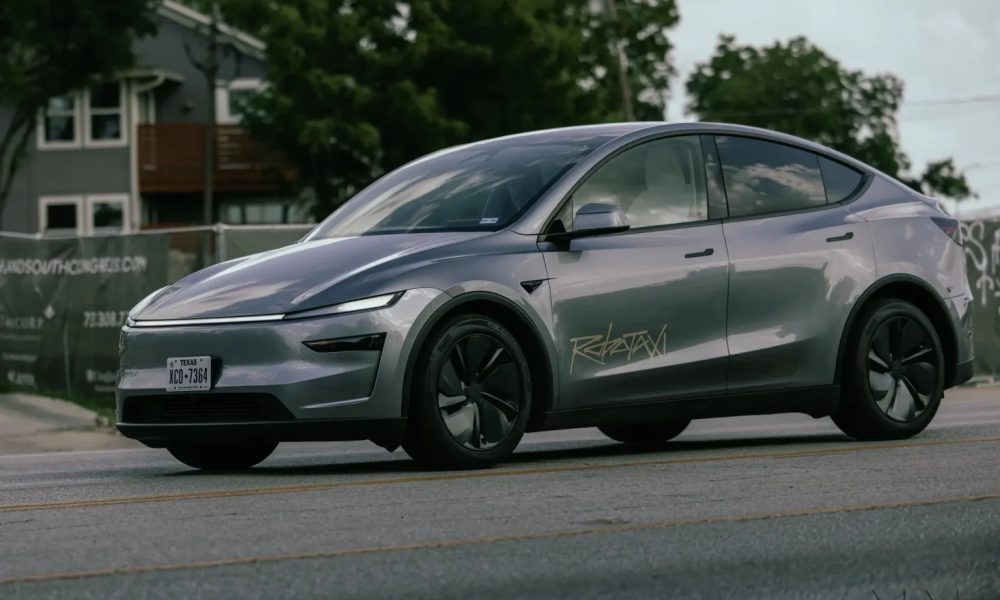
For months, Tesla's robotaxis in Austin and San Francisco have included safety monitors with access to a kill switch in case of emergency - a fallback that Waymo currently doesn't need for its commercial robotaxi service. The safety monitor sits in the passenger seat in Austin, and in the driver seat in San Francisco. Neither service is fully open to the public yet, relying instead on customer waitlists.
Artificial intelligence
[ Load more ]