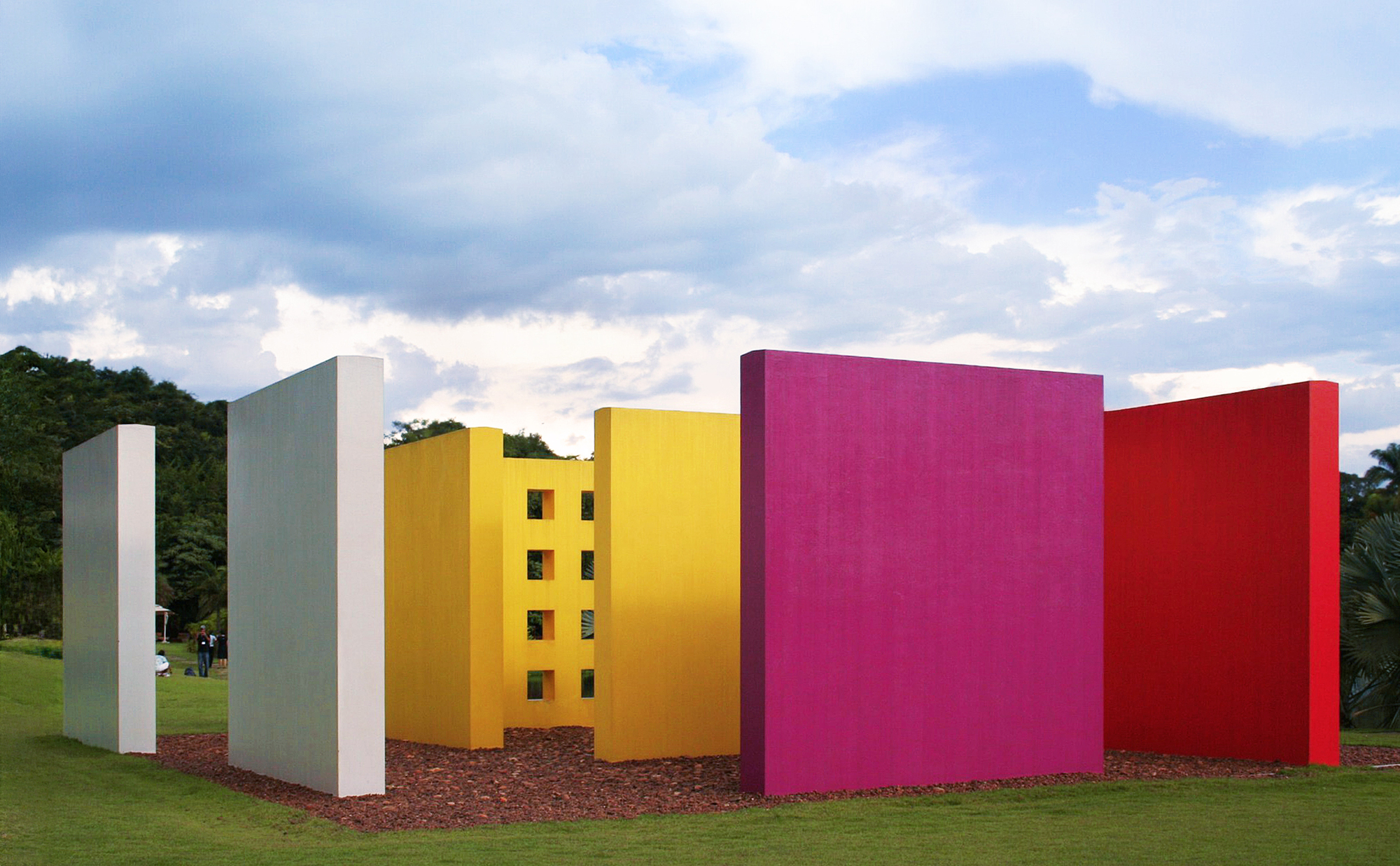
"Many of the spatial ideas we now associate with contemporary architecture, collective use, and bodily experience did not originate in buildings alone. In Latin America, these ideas were often explored first through art, at a moment when artists were actively questioning how space could be occupied, shared, and experienced beyond traditional forms."
"During the mid-20th century, the region underwent rapid urbanization and profound social change. Architecture was increasingly expected to respond to public life, collectivity, and new ways of inhabiting space. At the same time, art offered a more flexible ground for experimentation, one less constrained by function, regulation, or permanence. As a result, many spatial questions were tested through artistic practices before becoming part of architectural thinking."
Mid-20th-century Latin America experienced rapid urbanization and profound social change that reshaped expectations for built environments. Architecture faced increased demands to accommodate public life, collective practices, and new modes of inhabiting space. Art provided a more flexible arena for experimenting with spatial ideas, unbound by strict functional requirements, regulatory frameworks, or permanence. Artists actively questioned how space could be occupied, shared, and experienced beyond traditional forms. Many spatial concepts, especially those emphasizing collective use and bodily experience, were explored in artistic practices first and subsequently informed architectural thinking and design strategies.
Read at ArchDaily
Unable to calculate read time
Collection
[
|
...
]