The sad-eyed research scientist might be, as the title suggests, some kind of spy, perhaps working to undermine the U.S.-backed military regime that governed Brazil from 1964 to 1985. The film's amber light and ample bell-bottoms situate it firmly in the late 1970s, a time of repressive dictatorships and jittery paranoia, triggered by political malfeasance and instability across the world.
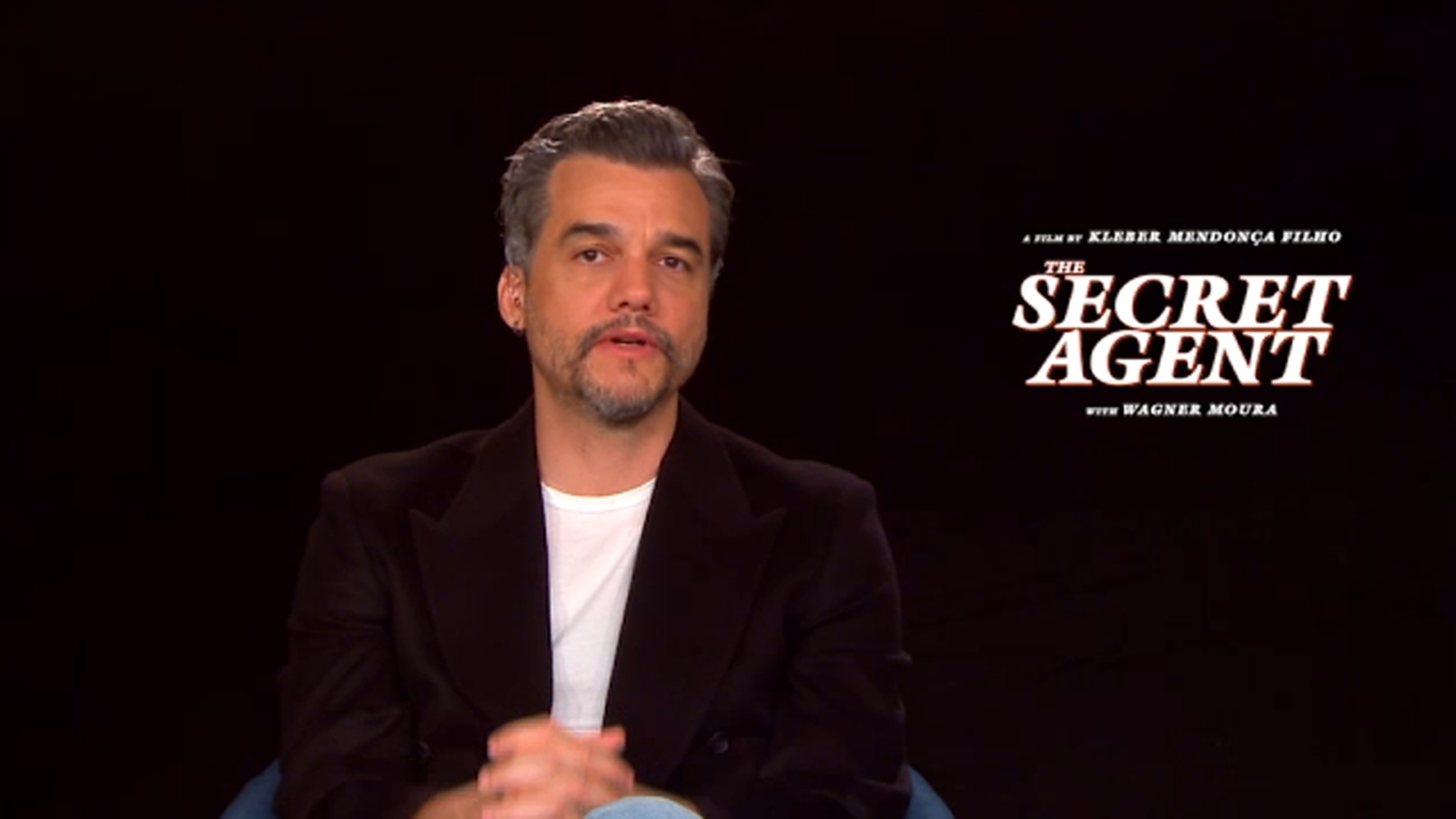
If you are the type of Oscars obsessive who sets an early alarm on nominations morning (guilty!), you may have noticed something curious last month: before the announcement began on the Academy's Instagram Live, the comments were already filling up with Brazilian-flag emojis. And for good reason. "The Secret Agent," the acclaimed film by the director Kleber Mendonça Filho, walked away with four nominations—not just Best International Feature, for which it was Brazil's official submission, but also Best Picture, Best Actor (Wagner Moura), and a brand-new category, Best Casting.
For Kleber Mendonça Filho, filmmaking is an act of both provocation and preservation. Mendonça was born in 1968, in the early years of a ruthless military dictatorship-a time when cinema, like much else, was harshly constrained. His mother, Joselice Jucá, was a historian who studied Brazil's abolitionist movement, and she taught him that filling gaps in the cultural memory was a way to expose concealed truths. In Mendonça's work, memory functions as a tool of defiance.
When Penélope Cruz walked onstage at the Academy Awards last March, she uttered three words that marked a turning point for Brazilian cinema: " I'm Still Here." Presenting the award for Best International Feature, Cruz announced the film directed by Walter Salles and starring Fernanda Torres as the winner. Across Brazil, people celebrated in bars and public squares that warm Carnival Sunday night as if the country had just won the World Cup.