There is a particular kind of exhaustion that has nothing to do with external stressors or excessive work. It is generated by a mind prone to hostile self-interpretations. You may be familiar with the tiring labour of constantly analysing, judging, and questioning yourself, the heavy mental load of second-guessing every feeling, reaction, desire, and decision. All of that comes at a high cost.
Here are twelve practical lessons that I've learnt from working with small business leaders across many different sectors and our community of expert business school members. Resilience as a growth strategy Imagine a business that is not only equipped to withstand economic disruption, but which can also rapidly adapt to changing market conditions and seize new opportunities. The most resilient SMEs that I have worked with do exactly that - facing down uncertainty while maintaining a competitive edge.
If you feel that you're not good enough, you're not alone. Research has shown how many successful people suffer from imposter syndrome, believing that they're not good enough (Bravata et al., 2020). A recent international review revealed the prevalence of inferiority feelings in people around the world (Amani & Taqiyah, 2024). I've been there too. I was a shy child who loved books, while my brother was a charming extrovert and my mother's favorite.
In a world where comparisons, performance pressure, and the incessant feeling of inadequacy dominate, many young people struggle to find their place. Enter 21-year-old newcomer Joshua Mose from Berlin, who captures these sentiments perfectly in his new single, "Imposter." This German-language track resonates deeply with generations facing similar challenges. Follow: @ moseohnehoseTikTokPhotos by Grace Robertson I first discovered Joshua while mindlessly scrolling through Instagram and was instantly captivated by his talent.
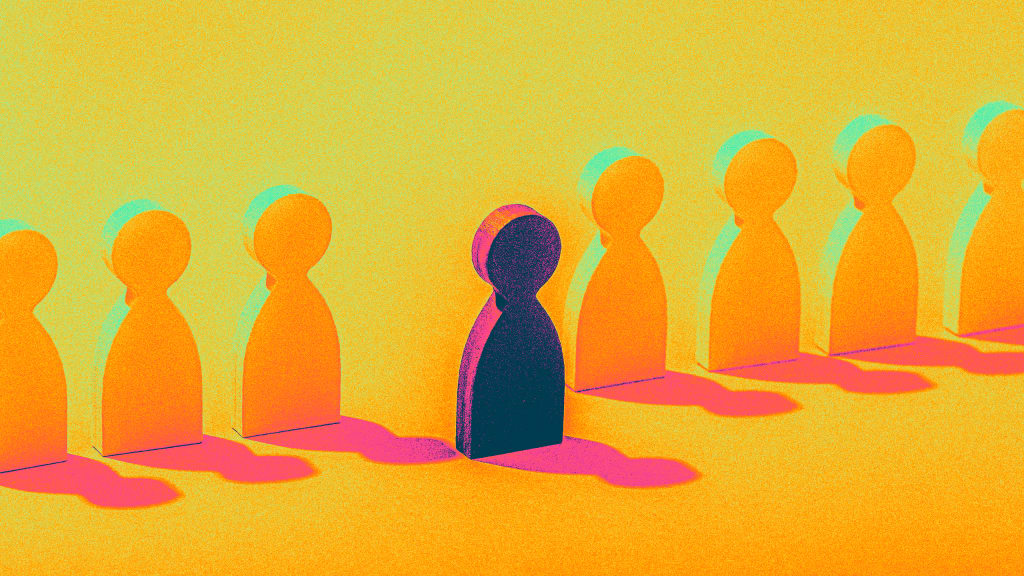
Imposter syndrome doesn't signal weakness-it signals you're exactly where you should be. That's the counterintuitive message from Scott Galloway, a NYU marketing professor and serial entrepreneur who has built and sold multiple companies for millions of dollars. In a recent episode of his podcast, The Prof G Pod, Galloway reframed one of professional life's most common anxieties as evidence of ambition, not inadequacy.
"I just live in this constant state of imposter syndrome," Virgin media TV presenter, author and influencer Eric Roberts says. "And I have done for the last couple of years. I'm pinching myself constantly."
Looking back on my own decades in life-student, waiter, pilot, FBI agent, graduate student, author, speaker-I can honestly say I've felt like an imposter at nearly every stage. From my first solo flight in a Cessna 152 at 17 to my first arrest of human traffickers in the Sonoran Desert, miles from any help, I often wondered, Do I belong here? Am I ready? Even as I rose through the ranks, I sometimes asked myself: Did I earn this, or am I fooling everyone?
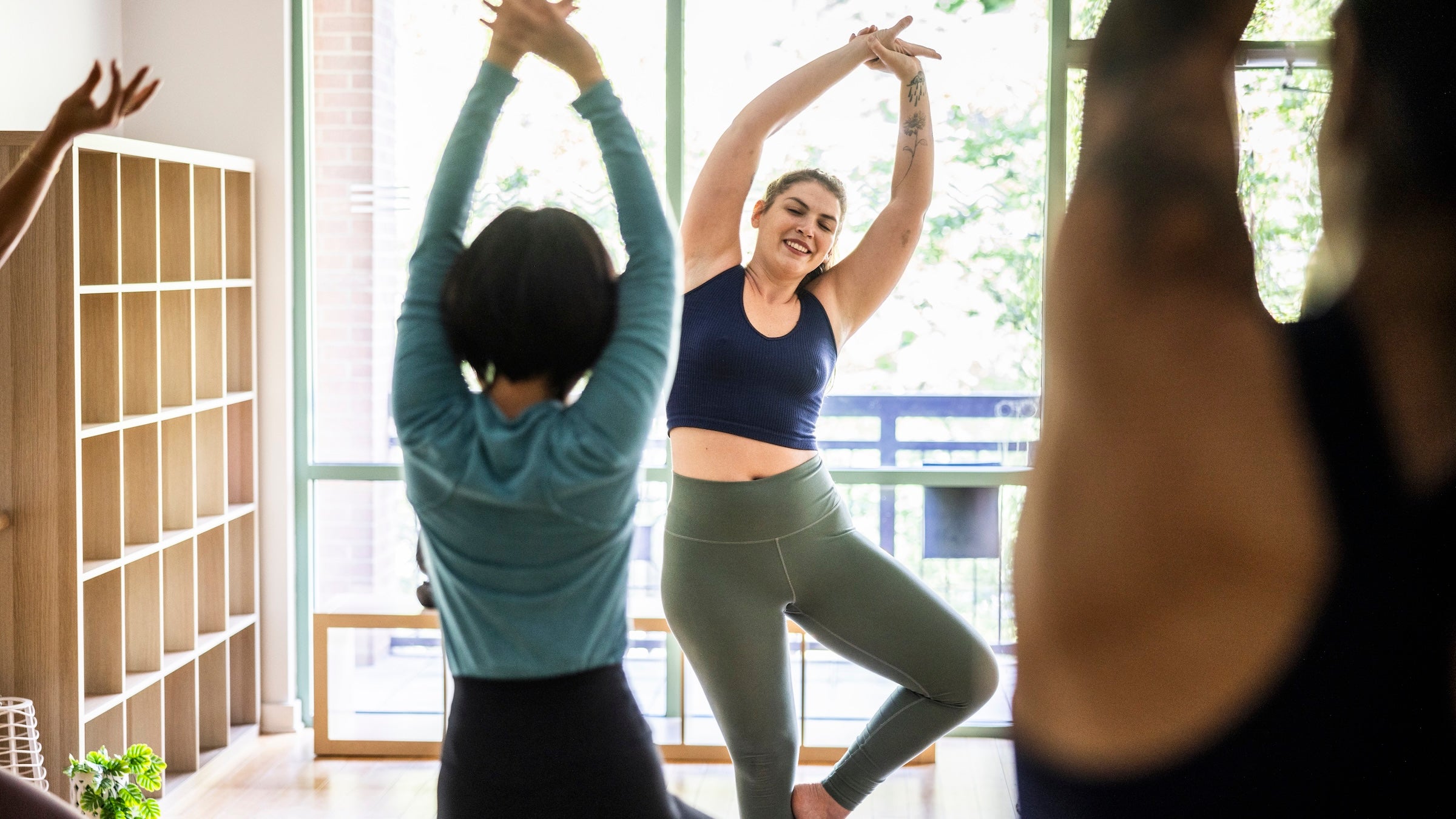
I've been teaching yoga for more than eight years, and practicing for many more. I teach strong, fast-paced formats as well as restorative ones. My classes are consistently full, and I know my students leave feeling stronger, challenged, and centered. But after a recent yoga teaching evaluation at a chain yoga studio, I walked out feeling the opposite: not strong, not capable, not enough.
Anderson noted, "I reminded myself that curiosity is more powerful than self-doubt. Instead of trying to impress anyone, I approached team leaders and engaged them in meaningful conversations."