"Human-generated content is quickly becoming the most valuable driver of brand discovery, but influencer- marketing solutions weren't built to scale for the enterprise," said Kristen Wiley, chief executive officer and founder of Statusphere, who began her career as a creator.
Buffer is a social media productivity tool for creators, small businesses, freelancers, and agencies. A place to schedule posts, manage comments, and track performance across Instagram, LinkedIn, Threads, Bluesky, Facebook, X, TikTok, YouTube, Mastodon, and Google Business Profiles without getting sucked into the feed. Most social media tools are built for brands with big budgets and dedicated teams. We build for everyone else: the creator just starting out, the small business owner doing everything themselves, the freelancer building a personal brand between client work,
Spotify is lowering its eligibility criteria for podcasters to monetize their videos on the platform, dropping the minimum episode requirement to three, minimum consumption hours to 2,000, and engaged audience member threshold to 1,000 over the last 30 days. When the company introduced its partner program to monetize video content last year, creators needed to have published 12 episodes, hit 10,000 consumption hours over the prior 30 days, and had at least 2,000 people stream their content in the last 30 days to be part of the program.
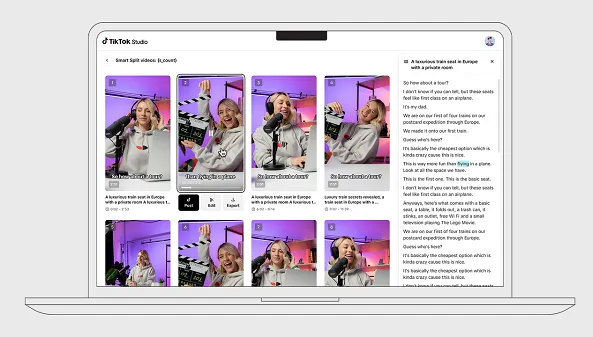
Short videos are in high demand. Across large platforms like Instagram, Facebook, YouTube, and TikTok, users are watching billions of videos every day, with companies benefitting massively from this content explosion. For creators, this often means there is pressure to create more content than ever before to be relevant and make a living out of it, especially as more AI-generated slop is infiltrating these platforms.
In conversations with creators this past week, we identified a few opportunities to provide more education around certain policies and what is not allowed on YouTube. For example, in the channel terminations we reviewed and upheld, we saw examples of creators mass uploading content with the sole purpose of gaining views, likes or other metrics; mass uploading auto-generated or low-value content; mass uploading content scraped from other creators with minimal edits; content misleading people into clicking off-platform;
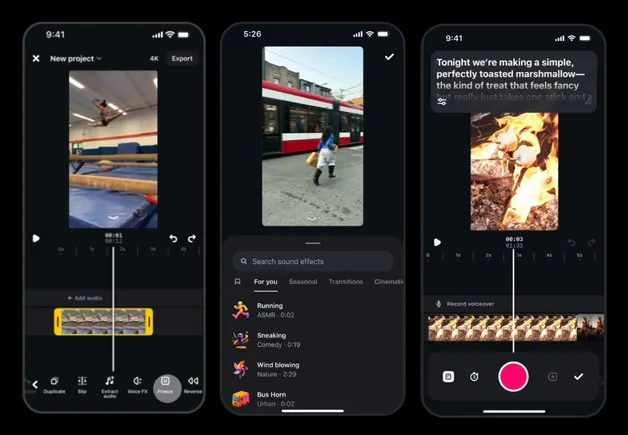
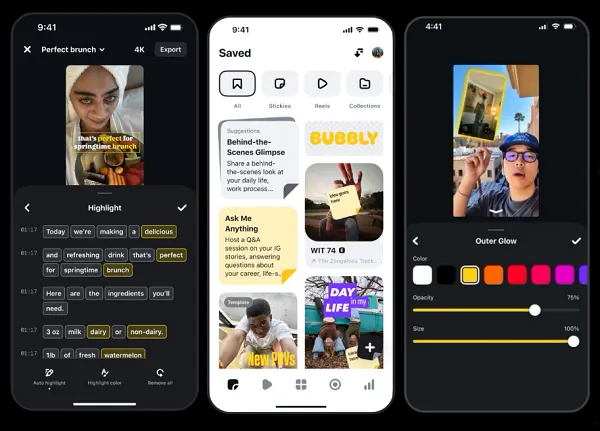
In April, Instagram unveiled its stand-alone video editing app Edits - directly competing with CapCut, owned by TikTok parent ByteDance. "Our vision for it is really to be an end-to-end creative studio," Brett Westervelt, Instagram's VP of design, told Business Insider. Six months in, Instagram is sharing some data around Edits' momentum. About half of the people "watching reels on Instagram" are seeing content that was made using the Edits app, Westervelt said.
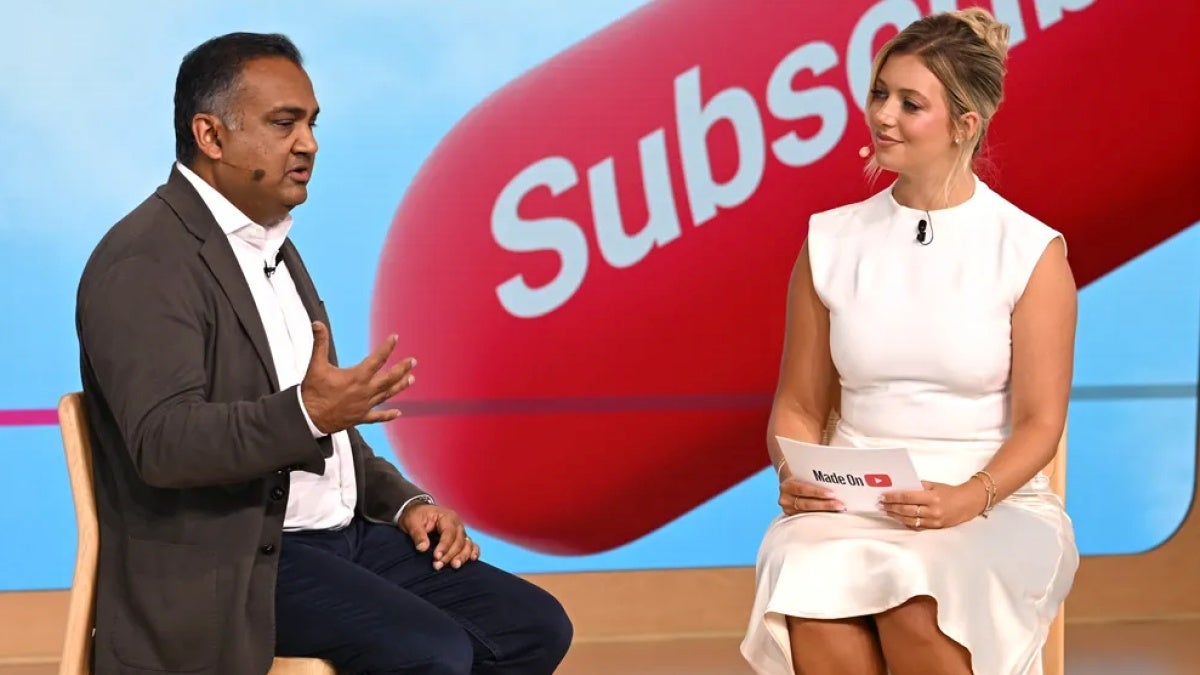
During the Made on YouTube 2025 event, the company introduced a slew of new AI tools and features that aim to help creators streamline their process and help with engagement. Starting with YouTube's Shorts, Google is implementing its DeepMind Veo 3 Fast generative tool that can create backgrounds on short clips with sound. That includes tools for motion and restyle, prop additions in scenes, AI edits that turn raw footage into a draft video and speech-to-song functionality that converts dialogue into a soundtrack.
As Snapchat continues to take on Instagram and TikTok, the company announced on Thursday that it's introducing a suite of new tools and features to make it easier for creators to create and share content on its platform.