This is one of those things I only discovered once I moved in with my boyfriend a couple of months ago: I feel horrible, uncontrollable disgust if he comes on to me or touches me sexually after I use the bathroom. But, every time, like clockwork, he's on me like some sort of excretory missile. It happens right after I poop.
My next-door neighbor has two young children and often seems to be stressed out. She is married, and her husband helps out some, but most of the work falls to her. I see her looking exhausted all the time. The lights are on in her house before dawn. I can see her cooking from my kitchen window. There's always a pot on and dishes to wash. I see her doing homework with the kids and being attentive.
What were you hoping for? Someone to split a mortgage with. If not that, a nice night with someone new. First impressions? Great smile and really well dressed. Tara and I arrived at exactly the same time, which took some of that nervous anticipation away. I felt comfortable with her quickly. What did you talk about? Work. Family. The joys of being from the capital of the world (south London). The chat flowed throughout.
Everybody knows that parties are for fun and celebration. Winter holiday parties are definitely different than everyday festivities. More often than not, even with detailed plans and extra help, these holiday celebrations can be stressful and exhausting. Almost all celebrations start by making a list and then inviting your chosen guests who will be asked to respond yes or no to your invitation.
When people talk about love, the conversation usually centers on its expression: how deeply we care, how consistently we show up and how devotedly we give ourselves to the people who matter. Giving love is, of course, an admirable skill composed of sensitivity, maturity and emotional intelligence. Learning to offer warmth without defensiveness, and generosity without expectation, is a milestone in anyone's personal development.
His older brothers were still elbows deep in their stockings, cozy in the matching plaid pajamas, relaxed in the happy sameness of our usual holiday routine. The big fruit and homemade cinnamon buns we snacked on while we opened our stockings, A Christmas Story playing in the background. The plate of Santa's half-eaten cookies perched on the coffee table with his elegantly scrawled thank you letter already forgotten on the floor beside it.
My husband and I have been together for 20 years. He's 55 and I'm 40. We have sex twice a month if we're lucky, and normally, I'm the one to start it. He almost always requests the same thing. He requests a blow job. But he never reciprocates. Never. If I don't, he will sometimes refuse to have sex. He hasn't done any type of stimulation in years-oral, digital, or otherwise.
I proposed to Dawn, and she accepted. Over the next few months, she became agitated and threw her engagement ring back at me. I kept it until we figured things out. Two years later, Dawn ghosted me. I was hurt, so I gave her space. We reconciled five months later. Three years later, I finally trusted her enough to ask her about getting married.
The well-documented rise in adult-child-parent estrangement creates stressors for grandparents, too (such as loss, identity change, social isolation, and complicated loyalties). It raises the practical importance of grandparent communities as protective resources (for emotional support, practical help, advocacy, and skills for boundary work). I was recently speaking to a friend who is also a new grandparent, and we discussed the joys of being grandfathers, as well as how rewarding it feels to help our adult children navigate this challenging time in their lives.
Every year, I tape all the Christmas cards I receive to the interior side of my front door. As I walk past my entryway, it's nice to see the smiling faces of friends and family. Sometimes I re-read the little updates some people include. Plus, the colorful designs make the house feel a little more festive. But while most people recycle the cards when the season is over, I carefully untape each card and file them away.
Before my husband and I had children, I earned more than him. I had a senior role at a well-known brand and then, 20 years ago, started a leadership development consultancy. When we had children, I decided to work fewer hours to take care of our boys, who are now 14 and 12. As I was self-employed and could therefore be more flexible with my work hours, I took charge of everything at home, including getting the boys ready for school,
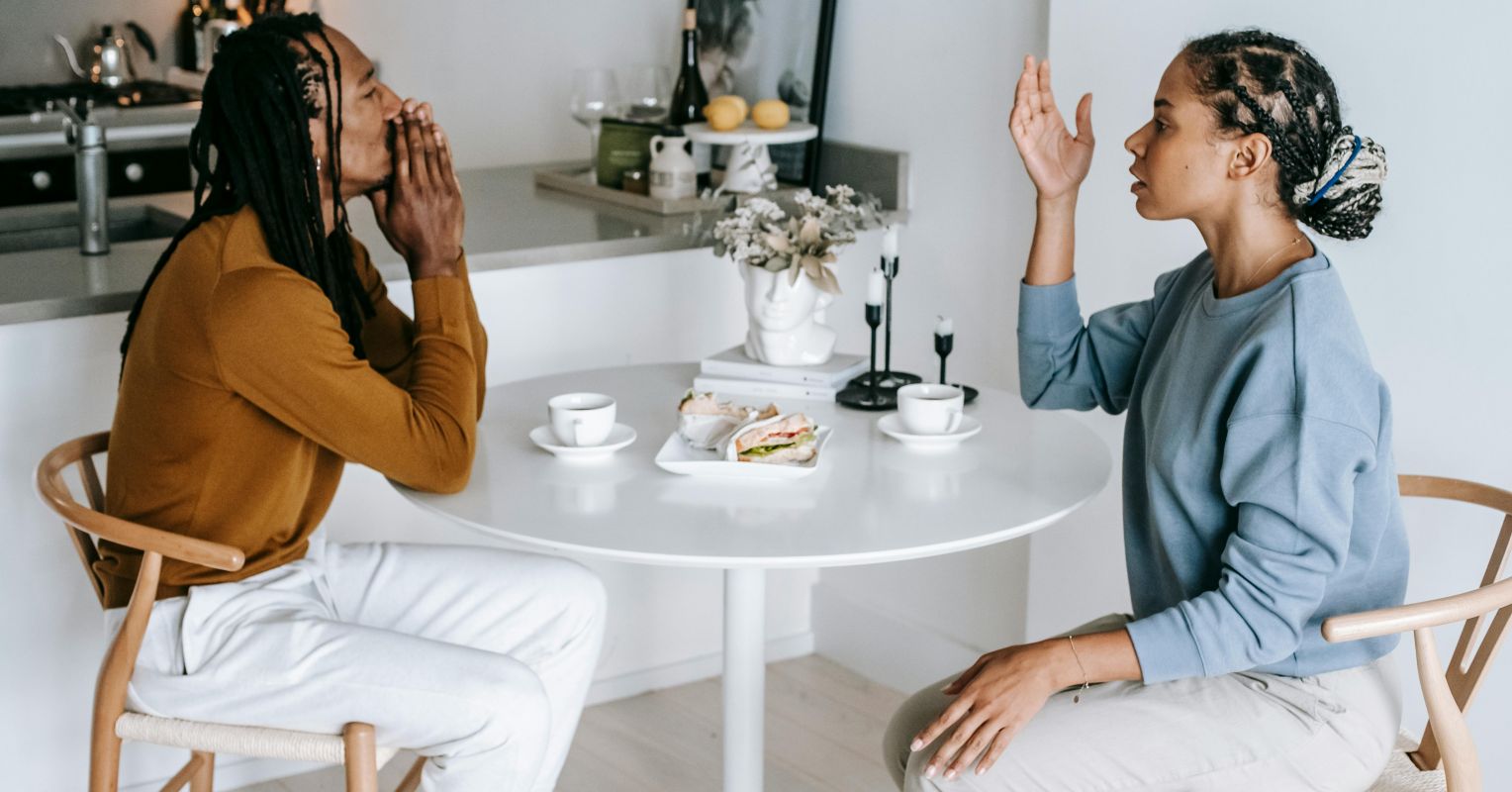
Most couples believe their recurring conflicts revolve around the issue at hand-what was said, what was forgotten, what should have happened differently. But in our work as clinicians, and in our own relationship, we've learned that it's not only the content of the conflict that matters. How partners respond to the conflict plays an equally important role in how quickly-and how well-they recover.
My husband and I are both 42 and work great jobs with high incomes. Between the retirement packages we have in place and my grandma's money, we'll have more than enough to ride out the 20 to 30 years we will hopefully have left if we retire at 65. The problem is our quality of life right now. My husband has a lot of
We or anyone might sometimes come across with an egotistical manner. This includes being arrogant, belligerent, entitled, and controlling-the compulsions of a person driven by ego. Here are some challenging practices that can help us let go of egotism and build a healthy ego, one with self-esteem, humility, and loving-kindness. The practices may seem over-the-top in what they ask of us, a radically spiritual way of living.
Overgiving can be defined as a relationship that has become so unhealthily enmeshed that people lose their individual strength and autonomy. Typically, a person with these types of traits feels overly responsible for others and picks up the slack in relationships and at work. They want everyone to be happy, so they go overboard and become people pleasers and peacemakers in their relationships. They have difficulty asserting their own needs for fear of rejection or disapproval.
Asking if she has anything to tell you is one way, though that's a leading question that telegraphs suspicion, which may in turn put your wife on the defensive. That's not the most comfortable place to be when revealing intimate details of one's life. Instead, you may want to nudge her by saying something like, "You have a lot of fun with [your third's name], huh?" Or, "You really like her, huh?"
He was sentenced to 45 years in prison and will be coming up for parole in two years. At this point, I think it is actually possible that he has changed since he's been in prison. He's written quite a few very thoughtful articles and also had some published in the prison newspaper. I talk with him regularly on the phone, and I think he's telling the truth when he says he's been clean and sober for several years now.
She had been out to dinner - on a party bus! - with other moms for a good friend's 40th birthday party. In the meantime, the kids had a ball with their "hands-on 'Super Dad,'" Stephanie explains. Nick took the kids - Gwen, 10-year-old Clayton and 3-year-old Penelope - out for dinner, milkshakes and a movie. Gwen wrote about discovering her mom back home in the morning. "When I awoke, I was shocked!"
Relationships thrive or falter on the smallest of cues: a shared laugh, a thoughtful gesture, or, surprisingly, perhaps, a simple two-word phrase. Too often, we rely on complaint, criticism, or avoidance to signal what we want. What partners really need is a clear expression of our desires: "I want..." Why are these two words so powerful? Because they signal want, rather than suggesting blame. Because they articulate current needs, rather than hinting at past neglect.
In this entry, Schmidt described how a married colleague told her that he liked her and how she then relayed the conversation to Epstein. His response was that Schmidt was being naive if she thought the man was looking for anything other than sex.
The current obsession with traveling is one of the most unattractive - and frankly, red flag worthy - traits in dating, especially in women. When 'loves to travel' dominates someone's personality, it often signals escapism and a lack of long-term stability. Sure, vacations and cultural exploration can be enriching, but when travel becomes their defining feature, it raises questions about their ability to commit to a person, a place or even a purpose.
Repeat. Your wife is not asking you to drive around with her human anatomy-resembling art plastered to your back windshield for the world to see. This is your home! The reaction of your family-whispering, "Are you aware of the resemblance?" not screaming, "Oh my god, there's a butthole over the fireplace!"-actually proves that her artistic intention was clear. It's a flower with some unfortunate qualities. Nobody actually thinks you have pornography hanging above the mantel.
I tried to plan everything myself to make the visit special, but I ended up waiting too long. Now the prices are sky-high completely out of my budget and I'm panicking. I feel embarrassed because I had plenty of time to prepare, and I don't want my parents to think I'm irresponsible or that I don't care about making their trip enjoyable.
But when our second child was born nine years ago, we weren't 100 percent sure we were done, so I got another IUD. We decided pretty quickly that two kids were enough, but we also decided there was no point in a vasectomy, because I already had a reliable form of birth control that would last until I was 47.
Hoovering isn't about genuine love or reconnection. It's a manipulation tactic used by narcissists or emotionally abusive partners to regain control once they sense you're leaving or have moved on. This behavior can happen days, months, or even years after the breakup. It often starts when the narcissist feels lonely or threatened, or isn't getting any "narcissistic supply" or attention from their usual sources. The Psychology Behind Hoovering Narcissists seek control and power over you. When you go no-contact or start to rebuild a life separate from them, it challenges the narcissist's fragile self-esteem.
One of the best parts about the holidays is getting to enjoy all the fun traditions. Whether you do Elf on a Shelf each year, host an annual Hallmark movie marathon, or always order Chinese food from the same restaurant every Christmas, traditions keep the holiday magic alive. So, we're dying to know: What's a holiday tradition your family did growing up that you now realize is actually suuuper weird?
Although hosting friends and family for the holidays can be fun, there's no denying that doing so also comes with its fair share of stress. Without proper planning, things can even get chaotic. To avoid making etiquette mistakes in the process, Business Insider asked two experts to share the top mistakes they see people make when hosting. Here's what they said.
When strangers interact, they underestimate how liked they are by one another. When we are vulnerable, we underestimate just how positively people view our vulnerability. When we reach out to friends, they appreciate it more than we think. One of the most effective ways I encourage people to try to make friends is by showing them that it won't be as uncomfortable as they think.
I can never be upset about anything. Anytime, and I mean ANYtime I bring up something that upsets me, it gets turned around into how whatever she did that upset me is my fault. I end up fuming, but then ultimately apologize so that I can keep some semblance of peace. I'm not respected. I'm not desired. For a significant portion of the year when she coaches, I'm invisible. I try to express what I need physically, and it's usually ignored. Need I go on?