#transformation
#transformation
[ follow ]
#astrology #identity #art #leadership #personal-growth #photography #resilience #self-discovery #nature #relationships



fromArtnet News
3 weeks agoPainting Has Entered Its Performance Era | Artnet News
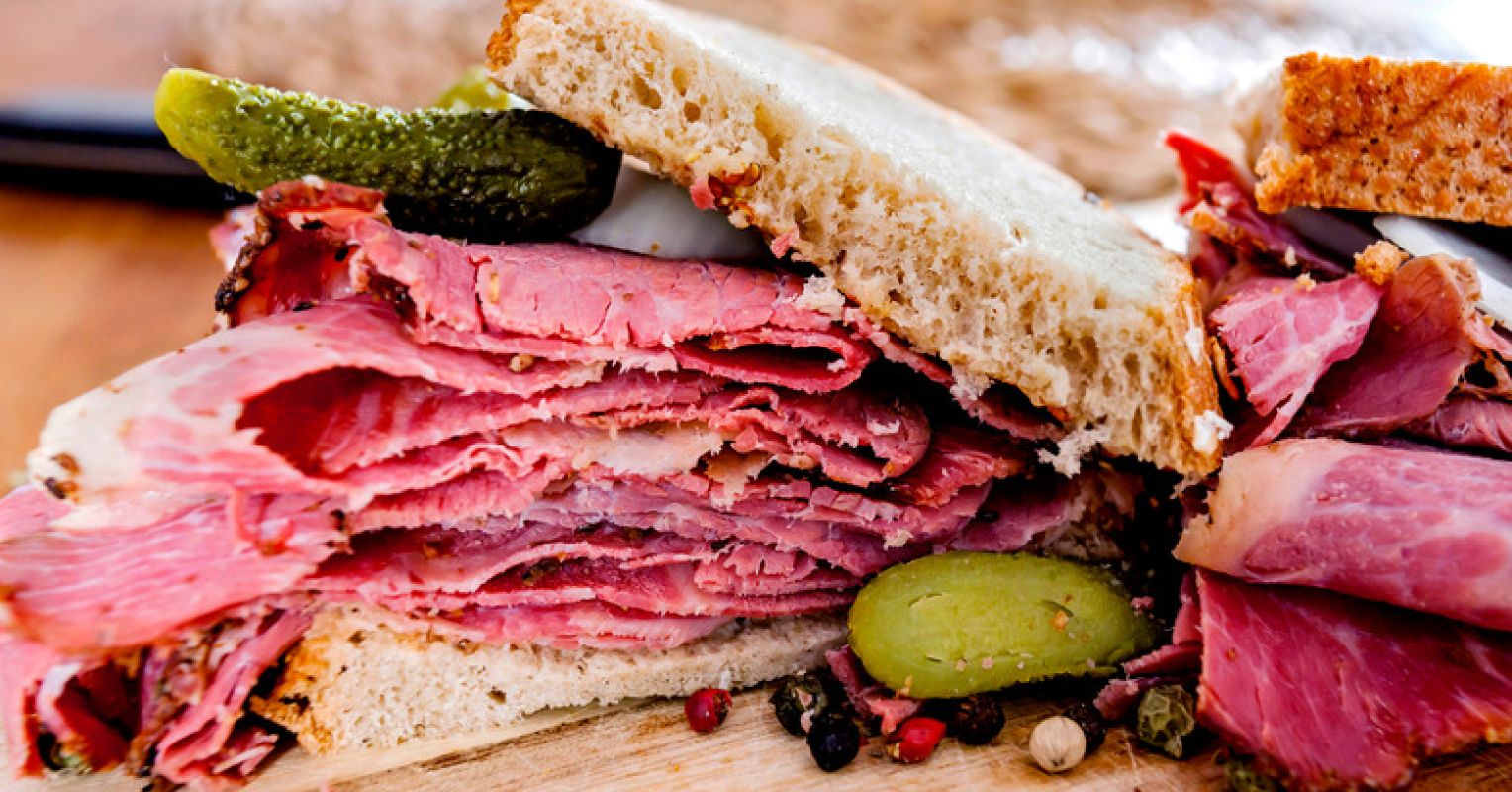
Much of Instagram's video content is organized around transformation-the virtual magic of the before-and-after and clips that show cause and effect. A person makes pasta from scratch in 20 seconds via edits that compress time-intensive labor.
Arts


fromJuxtapoz
1 month agoJuxtapoz Magazine - Last Days to See Kate Meissner's New Paintings @ Lyles & King's Project Space, NYC
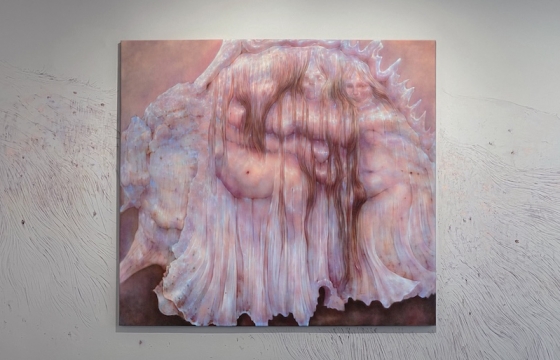
"These works are an exploration of the human body's elasticity and capacity to metamorphose. Informed by my own experience of pregnancy and the birth of my first child last year, these paintings are a meditation on physiological transformation and the body's underlying animalistic and mammalian nature."
Arts
Parenting
fromSilicon Canals
1 month agoThe hardest part of watching your parents age isn't the decline. It's the moment you realize you've become the adult in the room and nobody appointed you and there's no one above you anymore. - Silicon Canals
Watching parents age reveals uncomfortable truths and shifts the balance of power in family dynamics, leading to unexpected responsibilities and existential challenges.
fromAnOther
1 month ago10 Reinvigorating Spring Films to Add to Your Watchlist This Season
Set on the blossom tree-lined fringes of Hyde Park in London, Herbert Wilcox's black-and-white rom-com blows in like a fresh spring breeze. The film charts the will-they-won't-they romance between Richard (Michael Wilding), a wealthy lord masquerading as a butler, and Judy (Anna Neagle), the niece of the family who employs him.
Film








fromBoston Condos For Sale Ford Realty
4 months agoWhich One Are You? Boston Condos For Sale Ford Realty
Her father, a chef, took her to the kitchen. He filled three pots with water and placed each on a high fire. Once the three pots began to boil, he placed potatoes in one pot, eggs in the second pot, and ground coffee beans in the third pot. He then let them sit and boil, without saying a word to his daughter. The daughter, moaned and impatiently waited, wondering what he was doing.
Philosophy
Miscellaneous
fromIndependent
5 months agoThe making of a matriarch: How Martina Burke went from fun-loving camogie girl to mother of a fundamentalist family
Martina Burke transformed from a witty, talented camogie-playing teenager into an outspoken woman who harshly criticizes judges, politicians, guards, teachers, and nurses.
fromFortune
4 months ago25 leaders reshaping the Fortune 500 power structure | Fortune
The velocity of change alone, says Constantine Alexandrakis, CEO of Russell Reynolds Associates, is unlike anything he has seen in his nearly twenty years at the executive recruitment firm. "Our clients are moving at a frenetic pace," he says. "Every company is driving transformation to either meet the moment or take advantage of it." The issues aren't new-trade, geopolitics, technology-but the intensity and overlap are. "The convergence of all these forces has made transformation ubiquitous and urgent," Alexandrakis says.
Business
Mindfulness
fromMetro Silicon Valley | Silicon Valley's Leading Weekly
6 months agoRob Brezsny's Free Will Astrology for October 16-22, 2025
Ancestors and subtle powers invite spiritual communion; decay of old patterns fosters renewal; deeper, wilder love requires releasing defenses to embrace new intimacy.


fromPortland Mercury
7 months agoTBA Review: In Horizon, Two Boulders Danced to Eurhythmics, Showing That Nothing Is Permanent
Toward the end of Tahni Holt and Emma Lutz-Higgins' Time-Based Art Festival performance Horizon, something clicked. Eurythmics' "Love is a Stranger" swelled from the warehouse speakers at Portland Institute for Contemporary Art as Holt scooted across the stage, hidden beneath a hollow sculpture of a boulder. (Imagine a rock crawling across the ground in slow-motion.) She tugged at a metallic space blanket, revealing Lutz-Higgins curled beneath.
Arts
fromBoston Condos For Sale Ford Realty
8 months agoA Parable About A Boston Leather District Condo Broker Boston Condos For Sale Ford Realty
A Boston Leather District condo broker, hearing of a distant land with a single, magnificent pearl, left his prosperous real estate office and journeyed for years to find it. He endured hardship, faced dangers, and spent his fortune. Finally locating the fabled shore. There, to his dismay, he found the pearl was not an object, but the land itself-a place of peace and beauty discovered only by those who embraced true spiritual wealth through their faith.
Philosophy
Travel
fromwww.mercurynews.com
8 months agoCalifornia was comfortable, this American woman says, but everyone is much happier' since the family moved to Spain
The Crowley family's move to Spain has brought them happiness and a transformative lifestyle focused on outdoor activities and cultural experiences.
Business
fromFortune
9 months agoRolls-Royce CEO Tufan Erginbilgic: 'You can't always influence the macro stuff but you influence how you deal with it'
Tufan Erginbilgiç transformed Rolls-Royce through strategic initiatives, boosting profits by 50% and aligning 50,000 employees around a holistic vision.
fromYanko Design - Modern Industrial Design News
9 months agoInteractive Transformation Table Concept Turns Furniture Into Playful Sculpture - Yanko Design
Michael Jantzen's Interactive Transformation Table transforms traditional furniture norms by allowing users to engage and reshape its form, turning motion into an artistic experience.
Design
fromApartment Therapy
9 months ago7 Things I Decluttered After Divorce for a Fresh Start
Going through a divorce is undoubtedly transformative. It's not just about changing your legal connection with someone; it can mean shifting who you spend time with, where you live, and even what you own.
Renovation


fromEntrepreneur
9 months agoHow to Live Your Mission - and Not Just Rewrite It | Entrepreneur
Refreshing a mission or strategy feels productive. It gives leadership the impression of progress without demanding real disruption. Revising words is easier than confronting entrenched behaviors, broken incentives or outdated processes.
Business
fromBrooklyn Paper
9 months agoOp-Ed | The Brooklyn Marine Terminal process isn't perfect. That doesn't mean we should give up on it * Brooklyn Paper
The Brooklyn Marine Terminal, a 122-acre site, is presented as an opportunity for a decade-long transformation into a mixed-use development including affordable homes, parks, and a modern port.
Brooklyn
[ Load more ]