#memory
#memory
[ follow ]
#grief #identity #art #family #psychology #architecture #nostalgia #aging #neuroscience #sleep #ai #technology #loss #design


fromwww.scientificamerican.com
2 days agoThis sci-fi novel askscan what you will never know kill you?
“Meme has several different definitions, but a meme, for my purposes, is a contagious idea. It's an idea that is in some way catchy or invites you to spread it to other people. A lot of things can qualify as a meme for differ”
Books
fromdesignboom | architecture & design magazine
1 week agoinside tilda swinton's 'ongoing' world of ghosts, garments, and artistic fellowship
She still wears it. Nearby sits a kilt still covered in the white hairs of one of her Springer Spaniels, which has since passed. Olivier Saillard, the French fashion historian guiding the performance, listens as the British artist wonders aloud whether a museum would preserve the traces of fur still clinging to the kilt. Saillard answers no. The hairs should remain. 'I don't want to clean this kilt,' Swinton says. Across A Biographical Wardrobe, the artists treat clothing as emotional evidence.
Arts



fromwww.scientificamerican.com
3 weeks agoThe brain may still be able to hear speech under anesthesia
The hippocampus, a deep-brain structure that plays a role in memory and spatial navigation, continues to listen, learn and predict the meaning of words while a person is completely anesthetized.
Medicine

#ai
Artificial intelligence
from24/7 Wall St.
4 weeks agoThe AI Gold Rush Just Hit a New Layer: Here's Why Sandisk Is Printing Money
The next phase of AI focuses on memory requirements, making memory suppliers key players in the AI era.


Psychology
fromSilicon Canals
4 weeks agoThe friend who remembers your sister's name, your old job, and the surgery you had in 2019 isn't just attentive. They built a recall system in childhood because forgetting details about the people around them used to have consequences - Silicon Canals
Memory recall is a protective mechanism developed from childhood experiences, not merely a sign of warmth or care.
#aging
Relationships
fromSilicon Canals
1 month agoNobody warns you about the part of aging past 70 that actually lands hardest, and it isn't the body or the slowing down, it's the quiet Friday afternoon you realize the people who knew the younger version of you are gone, and the ones still here only ever met the careful, edited version you became - Silicon Canals
Contact lists reflect a life story, often filled with memories of those who have passed and the edited versions of ourselves.
Mental health
fromSilicon Canals
1 month agoPsychology says the most isolating part of getting older isn't having fewer people around you - it's having fewer people who knew you when you were whole and fast and full of plans, because the version of you that exists in other people's memory is shrinking at the same rate as the guest list, and one day you'll be the only person alive who remembers what you were capable of - Silicon Canals
The hardest part of aging is losing connections to those who remember different versions of ourselves.
fromwww.theguardian.com
1 month agoThe Nights Still Smell of Gunpowder review excavating the memories of civil war in Mozambique
In a striking scene, Macuacua holds up a tree branch shaped like a rifle and reenacts a patrol route from his youth with astonishing matter-of-factness. As his muscle memory kicks in, the past and the present collapse together to startling effect.
SOMA, SF
Relationships
fromSilicon Canals
1 month agoYou will be forgotten by most people you know. Not because you didn't matter but because attention is a resource and you are competing with every screen, every urgency, every crisis that isn't you. The people who stay remembered figured out something the rest of us are still learning - Silicon Canals
Connections fade not due to lack of importance, but because life demands attention elsewhere.
Psychology
fromSilicon Canals
1 month agoPsychology says people who randomly cringe at past memories have a level of self-awareness that most people never develop - because the cringe only exists when a person is emotionally intelligent enough to look back at who they were and recognize the distance between that version of themselves and the one standing here now, and that distance is called growth even when it feels like shame - Silicon Canals
Cringing at past actions signifies emotional growth and self-reflection, indicating a recognition of personal development over time.
fromBOOOOOOOM!
1 month ago"A Ghost Only You Can Name" by Artist Sarah Muirhead
The act of painting, like remembering, becomes sanctified not because it reveals truth, but because of the care and attention it requires. The devotional quality throughout this work is not religious, exactly, but borrows the aesthetic language of reverence: chandeliers, glowing skin, sacred gestures.
Arts


Mindfulness
fromSilicon Canals
1 month agoThe older I get the more I notice that my body remembers arguments my mind has forgiven. A tone of voice, a specific pause before someone speaks, a door closing at a certain speed. Forgiveness turned out to be a cognitive event that the nervous system never agreed to. - Silicon Canals
Forgiveness involves both conscious decisions and unconscious bodily responses, highlighting the complexity of emotional healing beyond mere intention.
Psychology
fromSilicon Canals
1 month agoPsychology suggests if you still write things down on paper instead of your phone you aren't resisting progress - you've found something that works and are practicing the increasingly rare skill of not replacing it simply because something newer arrived, and that skill, applied consistently, turns out to predict a surprising number of other things about how you make decisions - Silicon Canals
Handwriting enhances cognitive engagement and memory retention compared to typing, leading to better decision-making and creativity.
Psychology
fromSilicon Canals
1 month agoNobody prepares you for the hardest lesson of your 50s - that some of the people you sacrificed for genuinely don't remember what you gave up, and it's not cruelty, it's just the way memory works when you were never the main character in their story - Silicon Canals
Sacrifices made for others often go unremembered, as people focus on their own narratives and experiences.
fromPsychology Today
2 months ago4 Features of Summer That Cloud Your Thinking
Research shows that summertime conditions can lead to cognitive impairments, particularly in memory and concentration. Factors such as sleep disruption, heat, dehydration, and smoke exposure are significant contributors to these effects.
Psychology
Parenting
fromIndependent
2 months ago'Natalie fought to save her baby... but killer stole our dreams' - Natalie McNally's family say she left hint she was thinking of leaving McCullagh
Natalie McNally's family wants her remembered as a smart, funny daughter who loved reading, not for her tragic murder.
fromwww.bbc.com
2 months agoLiverpool & Wales great Toshack diagnosed with dementia
Cameron Toshack stated, 'It's a terrible disease. It's the short-term memory where we're seeing it. I speak to him most days and if we chat in the afternoon, he might not remember that we also spoke in the morning.'
Liverpool FC
fromenglish.elpais.com
2 months agoLea Ypi, writer: The two major problems of the 21st century are capitalism and the nation-state'
In her latest book, Indignity, Ypi blends archival material with a fictionalized account of her grandmother's childhood in Thessaloniki and her arrival in Albania, exploring themes of memory and dignity.
Philosophy



fromBerlin Art Link
3 months agoAn Interview with Monia Ben Hamouda | Berlin Art Link
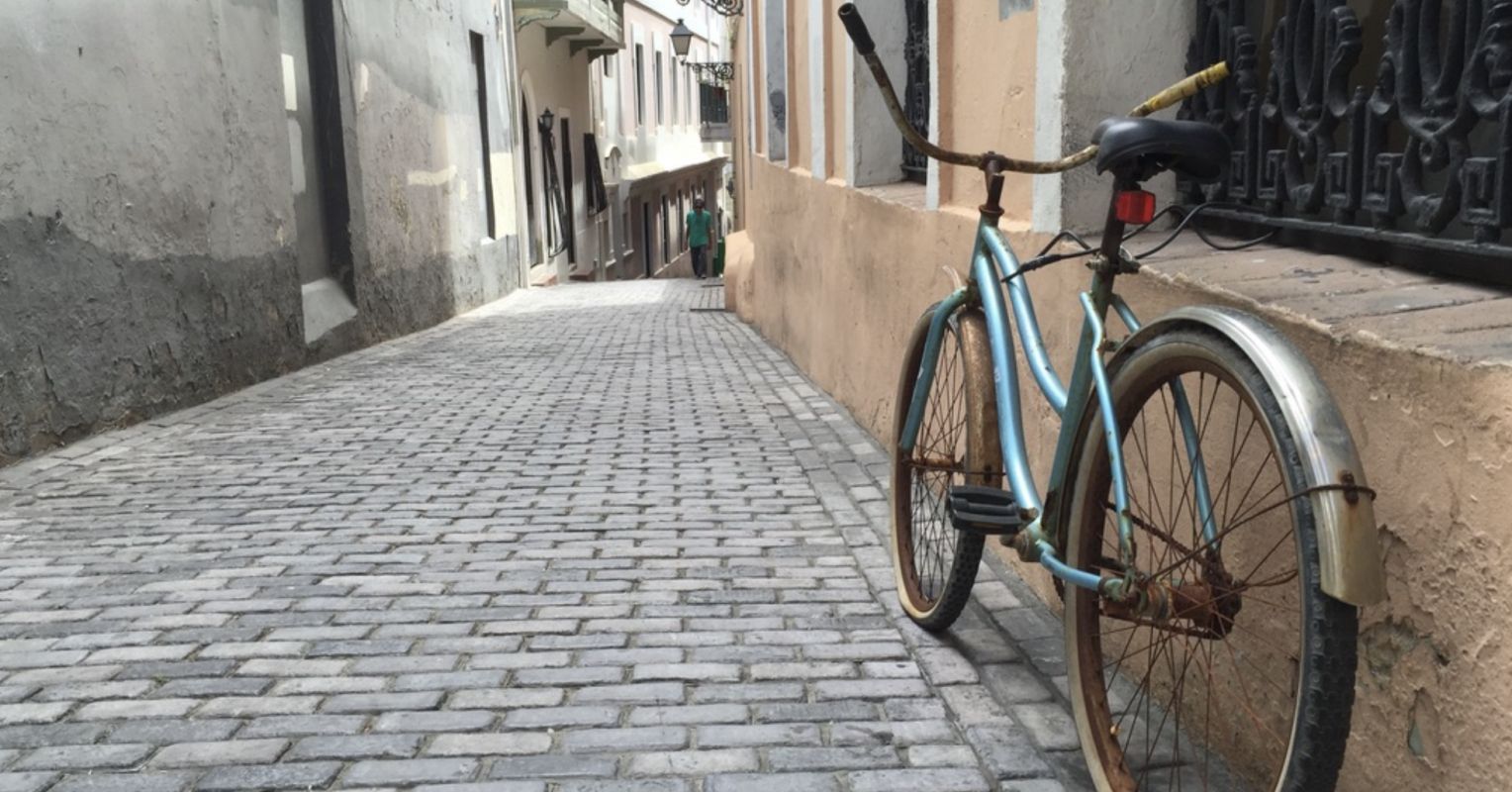
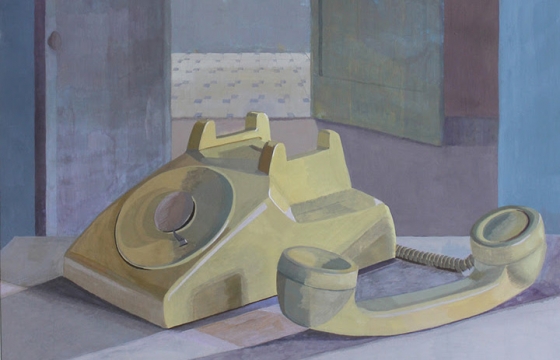
Monia Ben Hamouda's work weaves calligraphy, material transformation and ancestral memory into sculptures and installations that oscillate between language and form. In conversation, we traced the conceptual and sensory threads of her practice, unfolding through key works that reflect on heritage, embodiment and translation. Using materials such as iron, stone and pigment, her installations become sites where history is not only referenced but physically felt.
Arts
Mindfulness
fromSilicon Canals
3 months agoPeople who remember small details others mentioned months ago typically have these 7 social talents - Silicon Canals
Remembering small personal details signals deliberate social skills—presence, attentive listening, and practiced habits—that anyone can learn to strengthen connection.
fromAnOther
3 months agoChiharu Shiota, the Artist Making Human Connection Tangible
Known most for her large-scale artworks created from vast, intricate networks of thread, she developed her unique practice to make tangible the endless speculative configurations of human connections - something to be experienced rather than defined. But by asking her to describe her new exhibition, Threads of Life at the Hayward Gallery, I'm dragging her back into a reductive world of language. "If I wanted to express myself in words, if I could explain in words, I'd rather write," she says. "So I want to build visually, and I want to create visually. What I want to describe is beyond words."
Arts
fromPsychology Today
3 months agoIt's the Mental Geography
Imagine being one of our Paleolithic ancestors and having to navigate the relative safety of the cave and all the presumably more dangerous places around it for food, forest bathing, and whatever else was on your cave-person mind. Your life would depend on having a detailed mental map of as much of the area around your dwelling as possible. If you were nomadic,
Psychology


fromwww.nytimes.com
3 months agoA Love Letter to the Grand Romantic Gesture
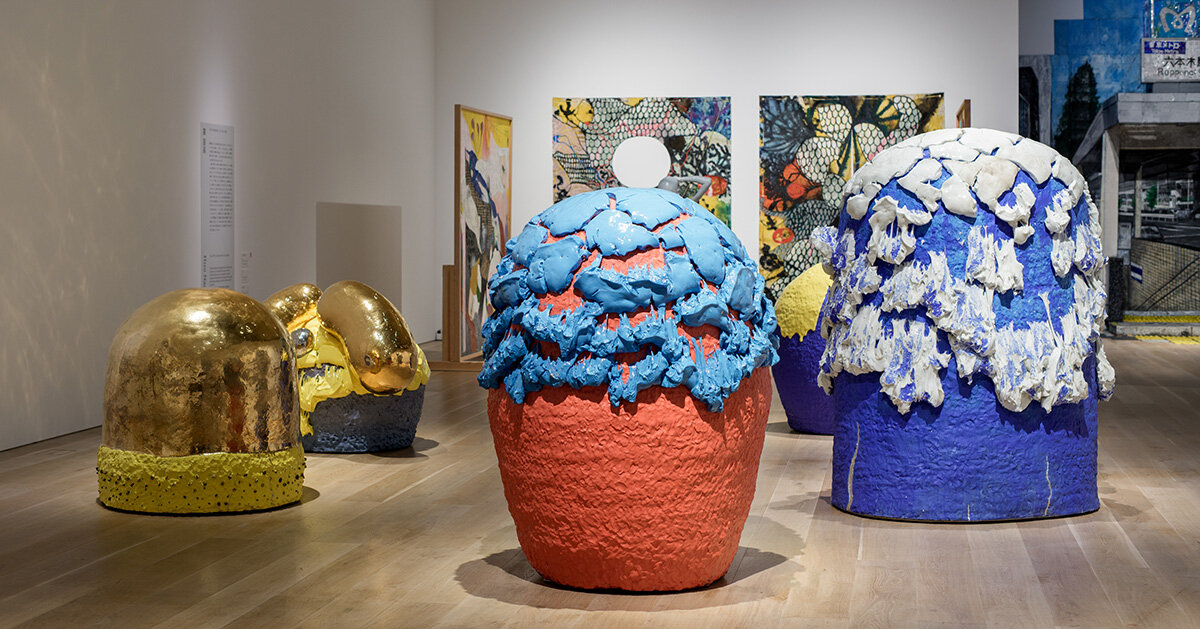
For my husband's 69th birthday, I asked his older sister to drive me to the neighborhoods where they grew up. I photographed the grocery store, his schools, the churches he attended, the vacant lot where his childhood home once stood. I printed the photos and placed them in an album. My husband, a verbose storyteller, especially about his life growing up as one of nine siblings, was very surprised. Nola Nolen 74, Harmony, Pa.
Photography
Travel
fromwww.theguardian.com
3 months agoThe intimate and the epic': the best way to understand India is to travel by train
Indian train journeys embody the country's layers of language, landscape and climate, inscribing memories and revealing solidarity among strangers through shared, intimate travel.
Psychology
fromwww.theguardian.com
3 months agoReaders replies: why does a song sometimes get stuck in our heads and what makes an earworm?
Catchy melodies and repeated exposure create involuntary earworms driven by memory, emotional relevance, rhythmic patterns, advertising jingles, and subconscious associations.
[ Load more ]