December. What is it about this most wonderful time of the year? Lights appear. Playlists shift. Have Yourself a Merry Little Christmas or It's the Most Wonderful Time of the Year spark memories and singing. A musical phrase takes us back to a childhood living room, a parent singing in the kitchen, a snowy sidewalk, the smell of cookies waiting to be decorated, a gathering long past. Nostalgia, celebration, reflection, gratitude, joy.
If your social feeds feel a little more fairytale than usual this year, you're not imagining it. The "Cinderella" Christmas tree is quickly becoming one of the holiday season's biggest decorating trends, with Pinterest boards and TikTok videos full of baby-blue branches, frosty pastels, and ornaments that look borrowed from a snow-globe palace. What started as a niche aesthetic has officially tipped into full-blown trend territory.
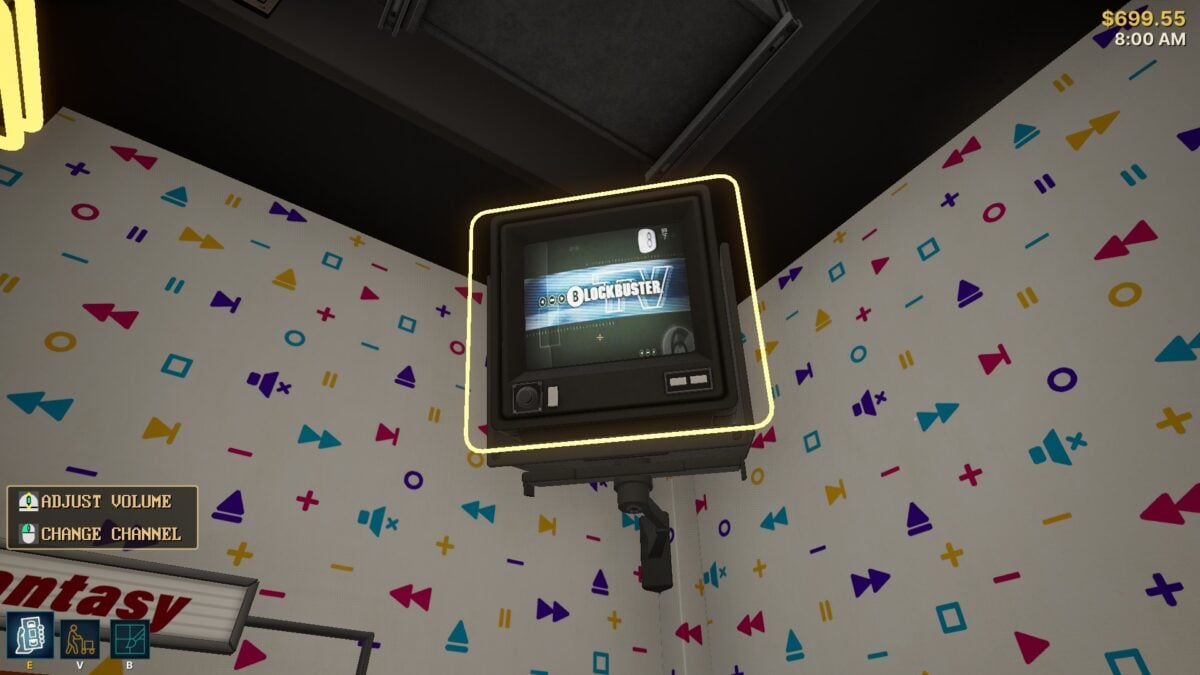
tapes, tiny TVs perched on kitchen counters, and the aforementioned house phone. For those of us who grew up during that brief time when the rapidly evolving internet lent a sense of optimism to our perception of technology, there is a comforting allure in returning to the tech we remember from our childhoods-particularly as the World Wide Web devolves to doomscrolling content and AI slop.
There are so many memories I have from growing up with two incredible grannies - baking pies, gardening, going on long walks - but nothing gives me those ultra-cozy vibes like rewatching the movies and shows I watched with my grannies. From big technicolor musicals to old black-and-white comedies and a whole lot of super cheesy, wholesome television shows, this brand of entertainment is peak Granny-core.
With the fallout from the war in Syria as a backdrop, director Nour Alkheder longs for her father through memories, imagination and the fragments of a life uprooted by conflict. As Alkheder reflects on what was lost and what remains, she confronts the emotional weight of nostalgia and the love that binds her to her father and her homeland. I Love You More explores what it means to long for someone,
This year, it seems like everyone is leaning into nostalgia with their holiday decorations. From old-school colorful lights to tinsel trees, even Ralph Lauren Christmas, I am loving the campiness of it all. The absolute hottest holiday decoration, in fact, is something you might not have thought much about since grade school, and it'll cost you next to nothing, aside from perhaps an afternoon. You might have seen them all over your TikTok feed - that's right, this year's holiday hero is the paper chain garland.
After working in music journalism for over 10 years, if there's one thing I've come away feeling it's a true hatred for making lists. The very process of having to pick 10 or 20 or 50 or 100 of the best songs or albums or whatever and make it sound definitive is annoying in itself. When you add the inevitable consternation from the readership, then it becomes even more untenable.
While some common holiday decorations like tinsel, ceramic Christmas trees, and colorful stockings might feel more nostalgic, they are back in style, as people look for comfort and connection that more modern elements can't always conjure. Many resurgent decorating trends, from cranberry or orange garlands to vintage Christmas villages, can either be made at home or found in thrift stores - good news for the 85% of people who said they plan to spend the same amount or less on the holidays this year
Let's not beat around the bush: Marvel Cosmic Invasion is a nostalgia play. Its best trick is briefly reminding you of when your life was someone else's problem. It's a lazy morning spent watching cartoons. It's wasting a fistful of quarters on the X-Men machine at the arcade, barely beating the second stage, and not regretting a single moment. It's one of the slickest, most fun beat 'em ups I've played in a while.
There's something pretty charming about the Midwest's relationship with soda. Maybe it's the long winters that make people reach for anything fizzy and cheerful, or perhaps it's the region's talent for taking ordinary things like cheese curds or county fairs and turning them into cultural touchstones. Soda is no exception. In the Midwest, fizzy drinks aren't just refreshments; they're tiny time capsules of community pride, quirky nostalgia, and a very particular kind of regional stubbornness that insists, "No, actually, our version is better."
Piles of folded sweaters and polo shirts cascaded into disorder, their tags boasting incremental markdowns that seemed to shout over one another. The escalator, unmaintained for close to a year, stood inert. Nervous-looking shoppers bouldered their way up its heavy corrugated steps in search of washrooms or the closest exit to the parking lot. All the beauty counters featured displays which had been denuded to East German levels of bare.
I pounced on the Nintendo Switch 2 when it came out earlier this year because I wanted something that felt familiar while living abroad. I've been a digital nomad for nearly ten years and currently live in Bangkok, Thailand, nearly 8,500 miles away from my six children and two grandchildren. The Switch 2 lets me play the latest games with my kids, which I love to do, even when the time change makes schedules wonky.
Two Ways of Living Through Time Clock timers live by external time. They wake up to an alarm, eat breakfast at a designated hour, and arrive at work precisely when the clock dictates. Their day unfolds in neat, measurable units, each activity clearly marked by a start and an end. A clock timer's sense of order comes from synchronizing with the external rhythms of time.
Where some photos show familiar dusty green carpets and smoke stained curtains, the next presents another type of common American interior - a room stacked with rifles. Nadia's confronting approach is no better represented than through weaponry; one standout image shows a handsome knife decorated with an American flag grip - cultural history and the implication of violence all in one.
According to the expert, young people have stopped looking to the future. Like the lost souls in Dante's Inferno, they seem condemned to look backward. The products they consume remakes, revivals, sequels, and reboots are stitched together from the scraps of the 20th century, especially those from the late 1990s and early 2000s. Everything new feels familiar. Disruption and innovation capable of changing the world still exist, Segal argues over the phone, but the dominant cultural landscape is saturated with nostalgic remakes.
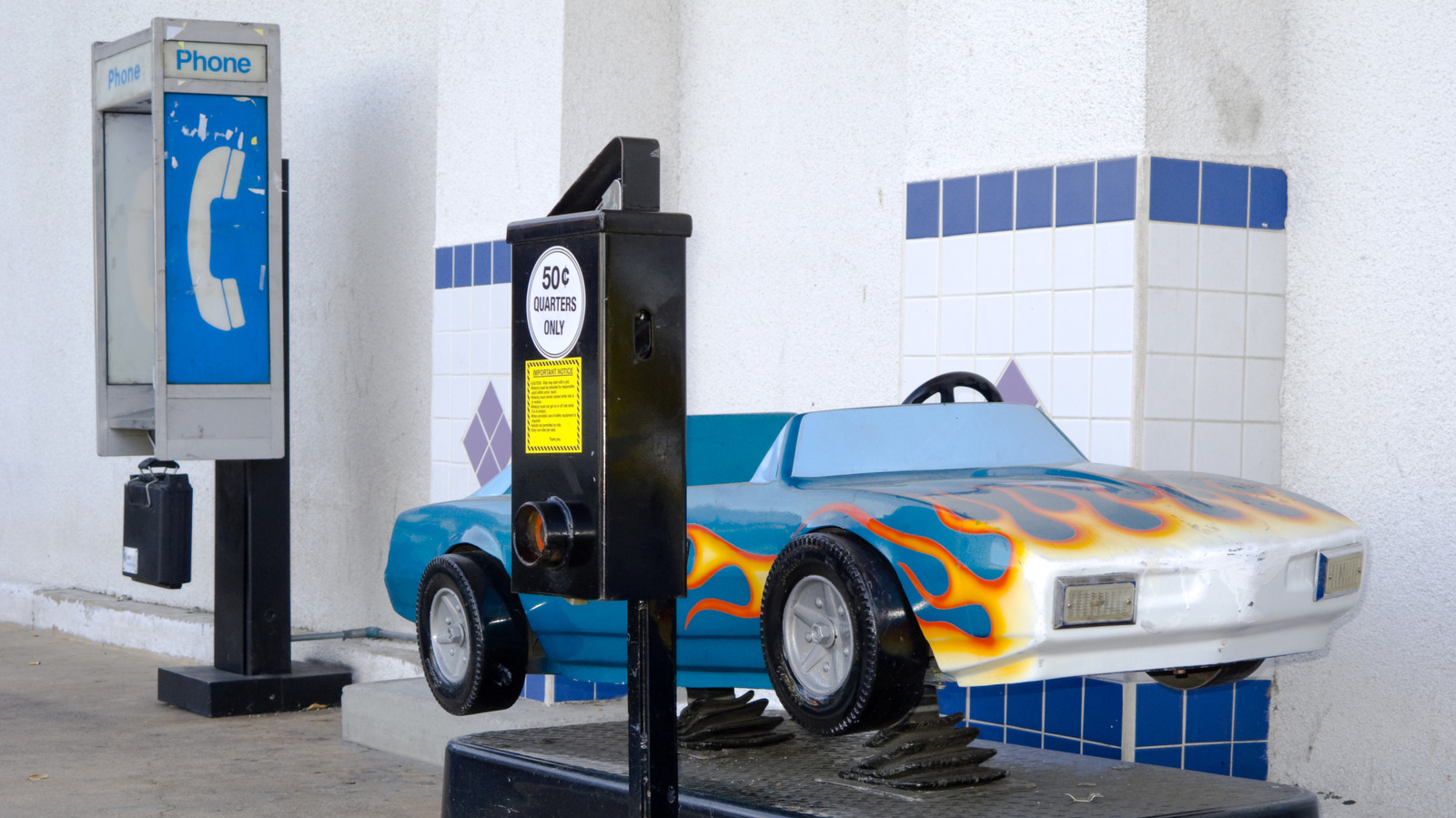
When something becomes old and then new again during my lifetime, I might be forgiven for feeling at once quite aged and a little sentimental. But suggestions that the landline telephone may be having a cultural renaissance just make me feel old and somewhat triggered by experiences of fraught teenage social negotiations over the long obsolete rotary dial phone of my youth.
Nostalgia is everywhere. And while yearning for the past is nothing new, its ubiquity in modern marketing and commerce is fueled by digital platforms that make it easier than ever to revisit the imagery, music, and aesthetics of earlier decades-transforming memory into a shared, searchable experience. As of October 2025, TikTok's #nostalgia hashtag included 16.9 million posts, with almost 100 billion views, while #90s and #Y2K added tens of billions more.
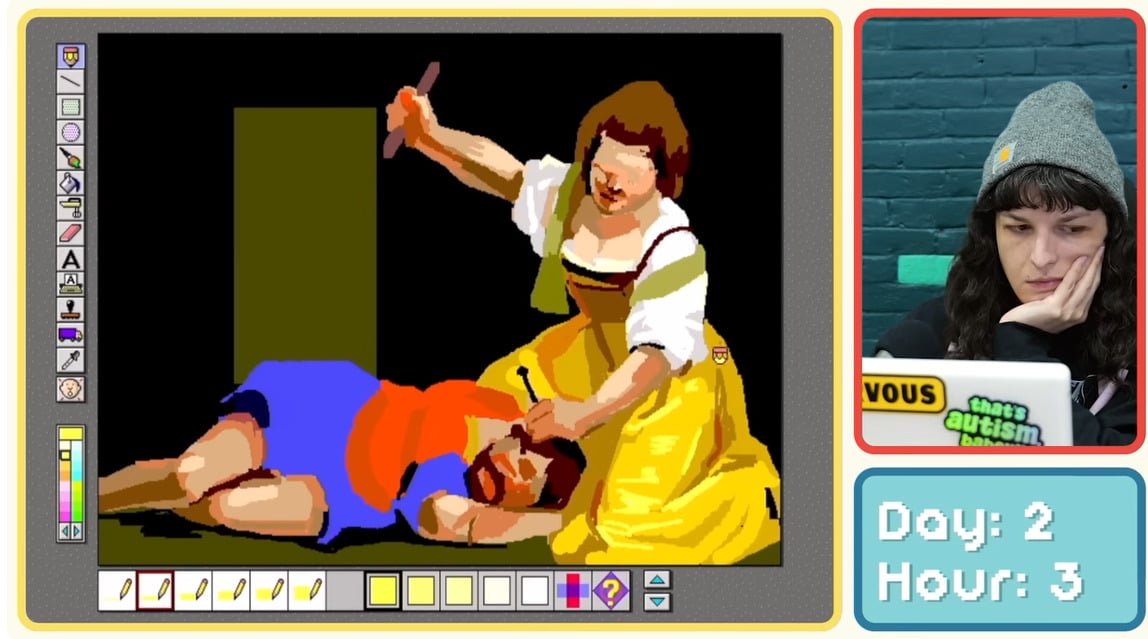
Twenty-five or so years ago, one day after school I went to visit my dad at his office. We didn't have a computer at home at the time so whenever I was around his, I would beg him to let me use it to play with MS Paint. I was probably around 7 or 8, and my go-to artwork was a portrait of my him made with the spray tool - perfect to recreate his short, spiky hair and stubble -
Tom Hanks is a star who's always had one foot squarely in the past. As an actor he's forever been likened to James Stewart, a reincarnation of the charming, essentially good American everyman, a from-another-era lead who's increasingly been more comfortable in period fare (in the last decade, he's appeared in just four present-day films). As a producer, he's gravitated toward historical shows such as Band of Brothers, John Adams and The Pacific;
I don't know about you, but some of my most treasured childhood memories revolve around my favorite restaurant chains. Like, you can't tell me you don't remember the absolute MAGICAL feeling you got when you entered a Rainforest Cafe for the first time! Couldn't tell my 8-year-old self we weren't in the frickin' Amazon. WE WERE, I SWEAR TO GOD.
Corned beef hash first arrived in the U.S. during the 1800s with the culinary traditions of Ashkenazi Jewish immigrants from northern Europe. But, the dish didn't see its majorly popular U.S. debut until WWII, when resourceful home cooks worked to stretch limited meat rations. Post-war kitchens across the nation continued placing a special focus on canned goods during this period, and Armour Star Corned Beef Hash arrived right on time - innovatively packing a complete, ready-to-heat meal into a convenient can.