#supercentenarian
#supercentenarian
[ follow ]
#aging #longevity #healthy-aging #life-expectancy #genetics #happiness #drug-overdoses #health #physical-activity
#longevity

Wellness
fromFortune
2 months agoThe $20,000 longevity weekend for those who recognize that more time is the ultimate luxury | Fortune
A four-day Longevity8 retreat combines comprehensive diagnostics, targeted therapies, and lifestyle interventions to identify hidden health issues and extend health span.


#aging



Health
fromSilicon Canals
4 weeks agoPeople who still look young in their 60s and 70s aren't fighting aging - they stopped doing the things that accelerate it, and the difference between those two approaches is the difference between swimming against a current and simply getting out of the water - Silicon Canals
The biggest factor in aging is what we stop doing to ourselves, rather than what we add to our lives.
Health
fromSilicon Canals
4 weeks agoPeople who still look young in their 60s and 70s aren't fighting aging - they stopped doing the things that accelerate it, and the difference between those two approaches is the difference between swimming against a current and simply getting out of the water - Silicon Canals
The biggest factor in aging is what we stop doing to ourselves, rather than what we add to our lives.







fromwww.scientificamerican.com
1 month agoThis overlooked organ may be more vital for longevity than scientists realized
The AI analysis found enormous variation in the health of the thymus between individual people. In some people, it stayed very active until a very old age. And other people, it actually declined very rapidly at a younger age. Importantly, thymus health correlated with a person's overall health. People who had a healthy thymus tended to live longer, have less cancer, and less cardiovascular disease.
Medicine
#longevity-research

Public health
fromenglish.elpais.com
1 month agoNir Barzilai, gerontologist: Just because you look young doesn't mean you're healthy'
Gerontologist Nir Barzilai studies healthy centenarians to identify genetic factors that enable longevity, aiming to extend human lifespan by understanding which biological traits determine exceptional aging.
Psychology
fromSilicon Canals
1 month agoPeople who reach 90 without bitterness all share these 7 traits - and researchers say the critical one isn't forgiveness, optimism, or gratitude. It's a specific relationship with disappointment that most people never learn to build. - Silicon Canals
People who age without bitterness treat disappointment as informative data rather than personal damage, maintaining a fundamentally different relationship with life's letdowns.
fromPsychology Today
2 months agoWhy Longevity Doctors Fail Us
We are all going to die. No one is happy about that. Today, the internet is full of claims about diets and supplements that will help us live longer. One writer suggested that there are at least 320 longevity clinics operating around the world; some charge $100,000 or more annually for access to their magic elixirs. Unfortunately, the search for a formula that can prevent death, or delay it for a very long time, has a long history of failures.
Medicine
fromBusiness Insider
2 months agoI'm 81 years old, and I still love going to the gym. It's helped me stay social and physically healthy.
When our family moved to Oregon from Southern California in 1974 for my husband's new job, I fell in love with the Pacific Northwest. But there was one problem: There wasn't enough sunshine or swimming pools - both of which I had enjoyed in California. When the community college where I taught offered free memberships at a new gym, I quickly signed up. I expected exercise, but I got so much more.
Exercise
Exercise
fromBusiness Insider
1 month agoI work out with my 87-year-old mother. Training with her has made me rethink the way I want to age.
Consistent exercise and proper modifications throughout life enable older adults to maintain strength, independence, and functional mobility for everyday activities.

fromHarvard Gazette
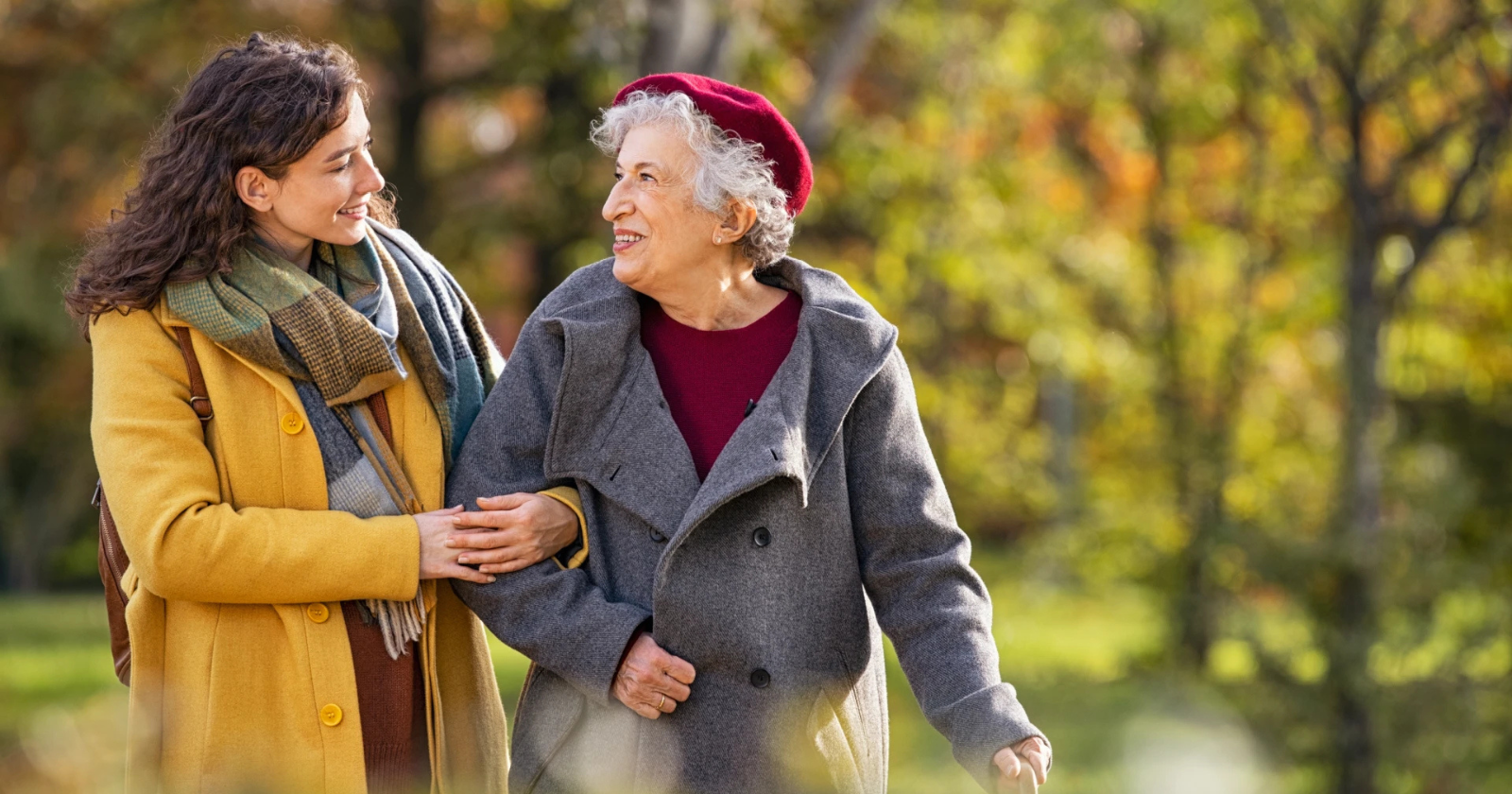
1 month agoDaily multivitamin may slow biological aging - Harvard Gazette
There is a lot of interest today in identifying ways to not just live longer, but to live better. It was exciting to see the benefits of a multivitamin linked with markers of biological aging. This study opens the door to learning more about accessible, safe interventions that contribute to healthier, higher-quality aging.
Health
Medicine
fromFortune
2 months agoAs billionaires chase immortality, this startup cofounded by a Harvard genetics professor gets FDA approval for the first partial de-aging human trial | Fortune
Life Biosciences won FDA approval for a Phase 1 trial testing partial epigenetic reprogramming gene therapy to restore vision in glaucoma and NAION patients.
Health
fromwww.theguardian.com
2 months agoLajuana is 89, with the body and mind of someone decades younger. What are the secrets of the superagers?
An 89-year-old superager maintains exceptional cognitive and physical health through daily routines, holistic wellbeing practices, and participation in the SuperAging Research Initiative.
fromInsideHook
2 months agoHow One Athlete Chased a Pull-Up Bar Record at 81
When you see a pull-up bar, there's one physical activity that likely comes to mind: pull-ups. While they've lent this piece of equipment its name, they aren't the only physical feat that an athlete can accomplish using them. In 2022, for instance, Japan's Kenta Adachi set a new world record for hanging from a pull-up bar for well over an hour.
Health
[ Load more ]