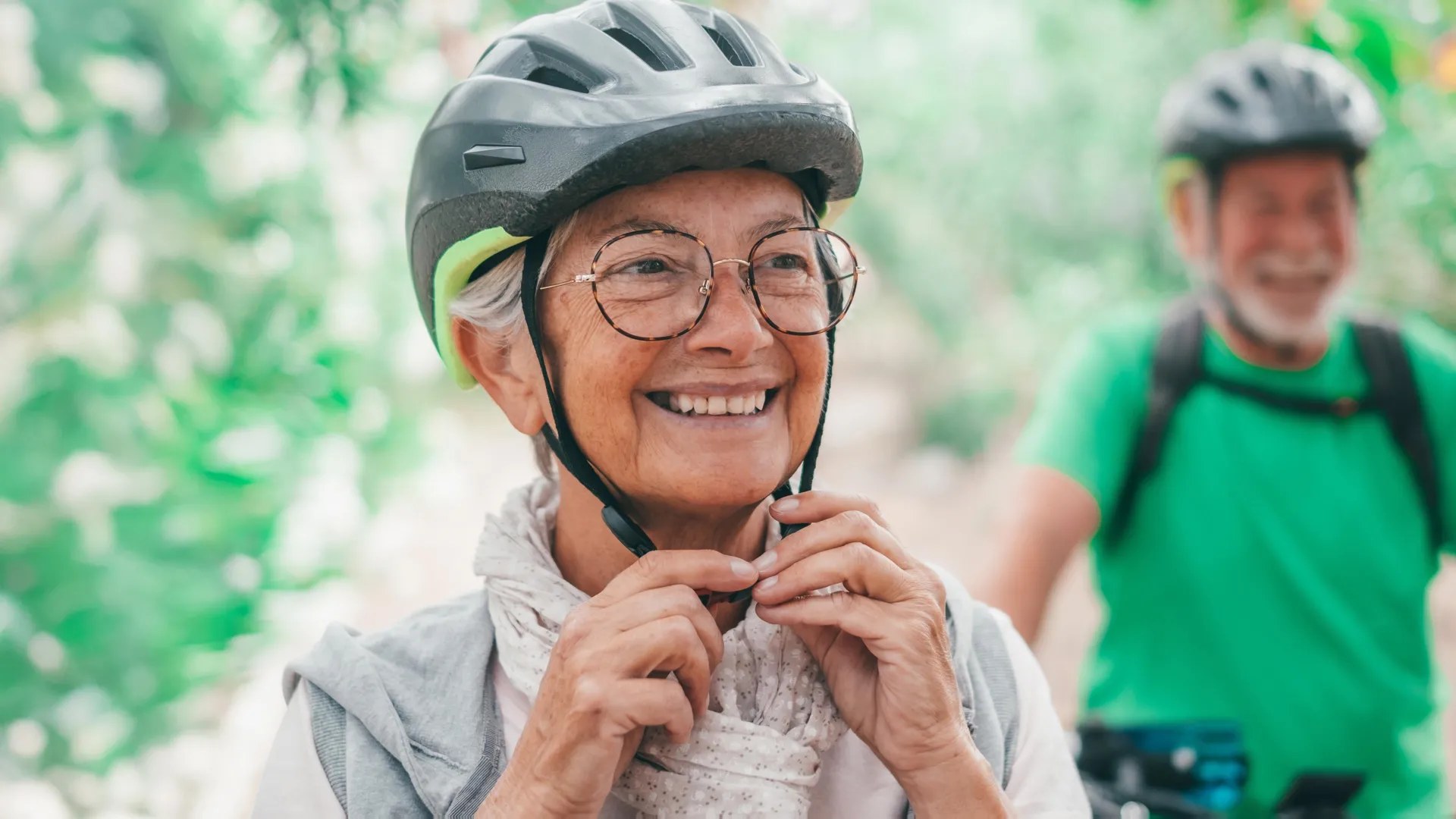
A decade-long Japanese study tracked older adults' cycling habits from 2013 to 2023, examining relationships between bicycle use and health outcomes. Researchers analyzed baseline cycling frequency and changes in cycling behavior between 2013 and 2017, correlating these patterns with long-term care requirements and mortality. Results demonstrated that older adults cycling in 2013 had substantially lower risks of needing long-term care and dying compared to non-cyclists. Seniors who maintained cycling between 2013 and 2017 experienced continued protective benefits. Non-drivers showed particularly strong benefits, with those who continued or initiated cycling having significantly reduced long-term care needs. The findings establish cycling as an effective habit for maintaining independence and health in aging populations.
"Older adults who were cycling in 2013 had a lower risk of needing long-term care and a lower risk of death over the following decade compared with those who did not cycle. These protective effects were especially strong among nondrivers."
"Seniors who kept cycling between 2013 and 2017 had a reduced risk of both long-term care needs and death in the years that followed. Among nondrivers, the benefits were even broader. Those who either continued cycling or started cycling during this period were less likely to require long-term care later on."
"In Japan, many older adults rely on bicycles for daily transportation, far more than seniors in Europe or the United States. Earlier research has shown that people who cycle tend to be more physically active and socially engaged."
#aging-and-health #cycling-benefits #long-term-care-prevention #physical-activity #mortality-reduction
Read at ScienceDaily
Unable to calculate read time
Collection
[
|
...
]