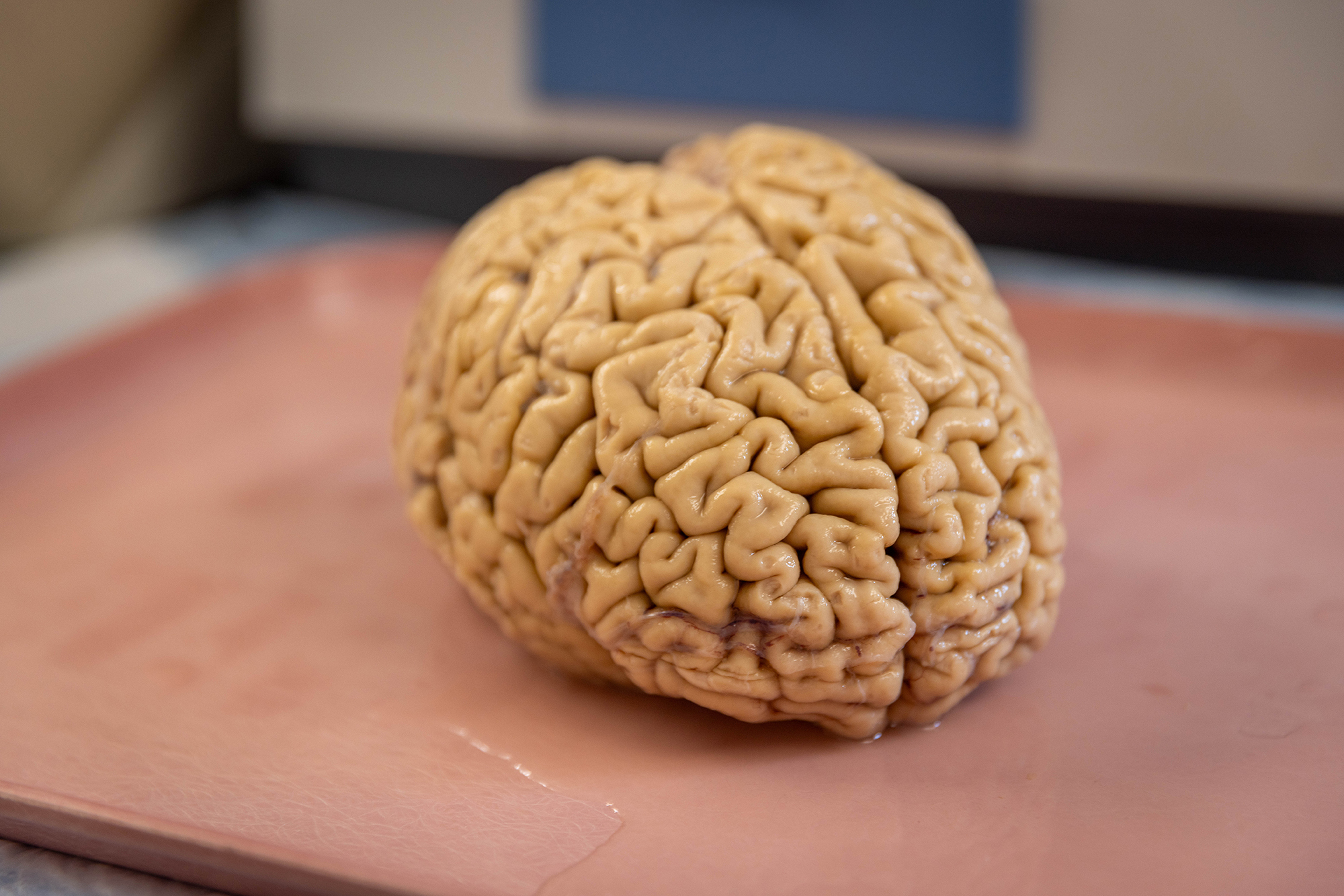
SuperAgers are adults over 80 whose memory performance matches or exceeds that of people in their 50s. A new study from University of Illinois Chicago examined donated brains from the Northwestern University SuperAger Program and discovered that SuperAgers produce significantly more new neurons in the hippocampus than typical older adults. This neurogenesis occurs at rates far higher than even much younger individuals. The study represents the first identification of a genetic difference between SuperAgers and typical older adults. Previous research documented biological and behavioral differences including slower cortical thinning and stronger social engagement, but this finding provides biological evidence that SuperAgers' brains demonstrate greater neuroplasticity.
"We've always said that SuperAgers show that the aging brain can be biologically active, adaptable, flexible, but we didn't know why. This is biological proof that their brains are more plastic, and a real discovery that shows that neurogenesis of young neurons in the hippocampus may be a contributing factor."
"SuperAgers are a unique group of adults over age 80 whose performance on tests of episodic memory was equal to or better than that of people in their 50s. Over the more than 25 years of SuperAger research at Northwestern, scientists have documented biological and behavioral differences in this group, from slower cortical thinning to lifestyle factors such as stronger social engagement."
"This study not only confirms neurogenesis happens in healthy human adults, it found SuperAgers produce between two and two and a half times more new neurons than their healthy peers and peers with Alzheimer's disease."
Read at News Center
Unable to calculate read time
Collection
[
|
...
]