#memory-chip-crisis
#memory-chip-crisis
[ follow ]
#apple #ai-demand #semiconductors #memory-chips #supply-chain #tim-cook #technology #stock-market #ai #nvidia
#semiconductors
World politics
fromSilicon Canals
1 month agoInside the quiet restructuring of global semiconductor supply chains: how TSMC, Samsung, and Intel's subsidy race is creating three separate technological civilisations - Silicon Canals
Governments are investing heavily in semiconductor production, leading to the creation of three distinct technological ecosystems.

World politics
fromSilicon Canals
1 month agoInside the quiet restructuring of global semiconductor supply chains: how TSMC, Samsung, and Intel's subsidy race is creating three separate technological civilisations - Silicon Canals
Governments are investing heavily in semiconductor production, leading to the creation of three distinct technological ecosystems.

fromTechCrunch
5 days agoMeta raises Quest 3 and Quest 3S prices due to RAM shortage | TechCrunch
"We're making this change because the cost of building high-performance VR hardware has risen significantly. The global surge in the price of critical components - specifically memory chips - is impacting almost every category of consumer electronics, including VR."
Wearables


#apple
Apple
fromThe Verge
1 hour agoTim Cook was an innovator - just not the Jobs kind
Tim Cook transformed Apple into a revenue powerhouse through supply chain optimization, while Steve Jobs was known for groundbreaking product innovations.

Apple
fromwww.dw.com
9 hours agoApple switches CEO: What it means for the iPhone maker
Tim Cook will step down as Apple's CEO in September, succeeded by John Ternus, who faces challenges in maintaining Apple's premium edge.


#google
Tech industry
fromTNW | Artificial-Intelligence
2 days agoGoogle in talks with Marvell Technology to build new AI inference chips alongside Broadcom TPU programme
Google is collaborating with Marvell Technology to develop new AI chips, enhancing its custom silicon supply chain for inference processing.

fromEngadget
2 days agoThe next Mac Studio and MacBook Pro releases could be postponed by several months
At least two of the company's upcoming machines could debut a little later than the company initially planned, referencing the refreshes to Apple's desktop and its laptop that's expected to get a touchscreen.
Apple
from24/7 Wall St.
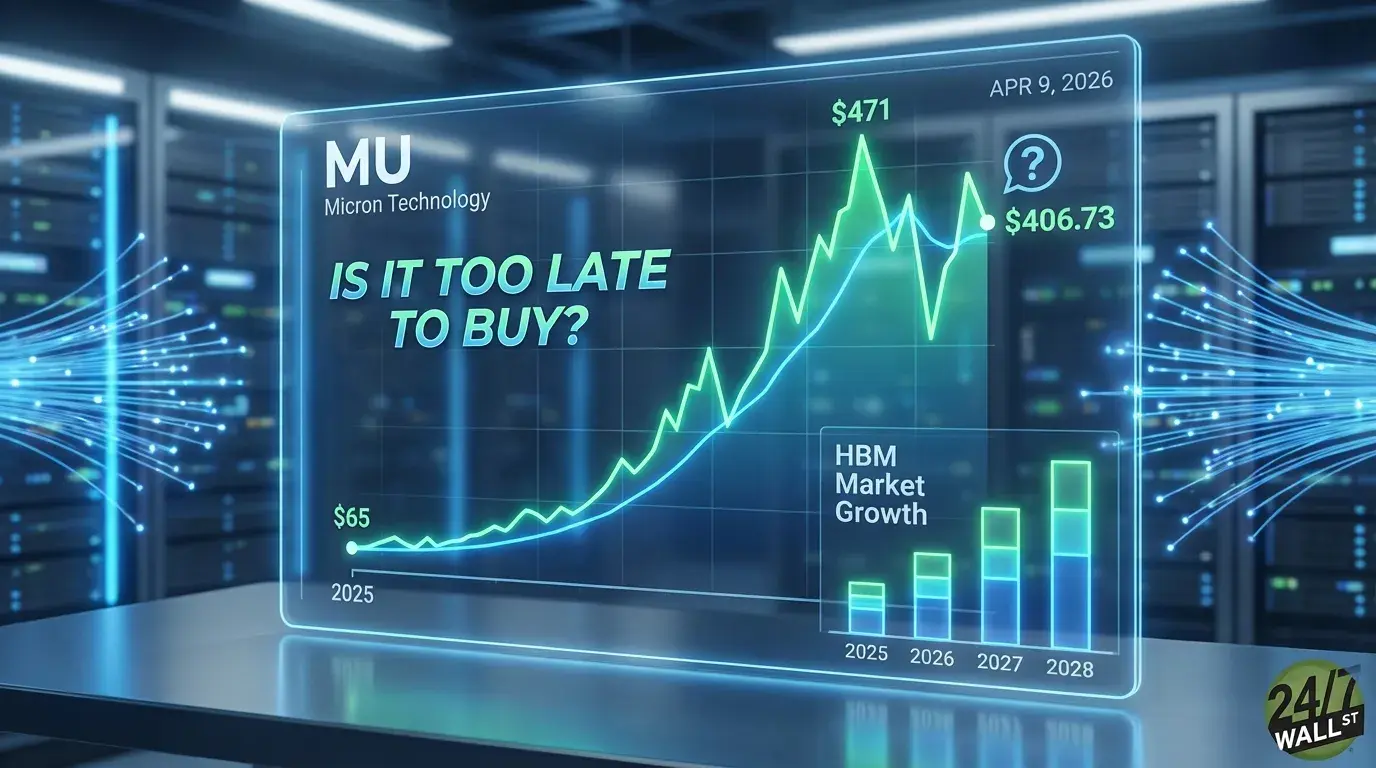
1 month agoIs Micron Getting Toppy? Not According to These Pros Who See Even More Upside Ahead
With shares going for more than 38.0 times trailing price-to-earnings (P/E), I'm personally in no rush to chase the stock, especially with quarterly earnings just under a week away. That said, some big-name analysts have been bold enough to stay in the bull camp. And that's despite the hot, seemingly overheated run, the relatively stretched multiple, and uncertainties clouding the future of AI.
Venture
Business intelligence
fromComputerworld
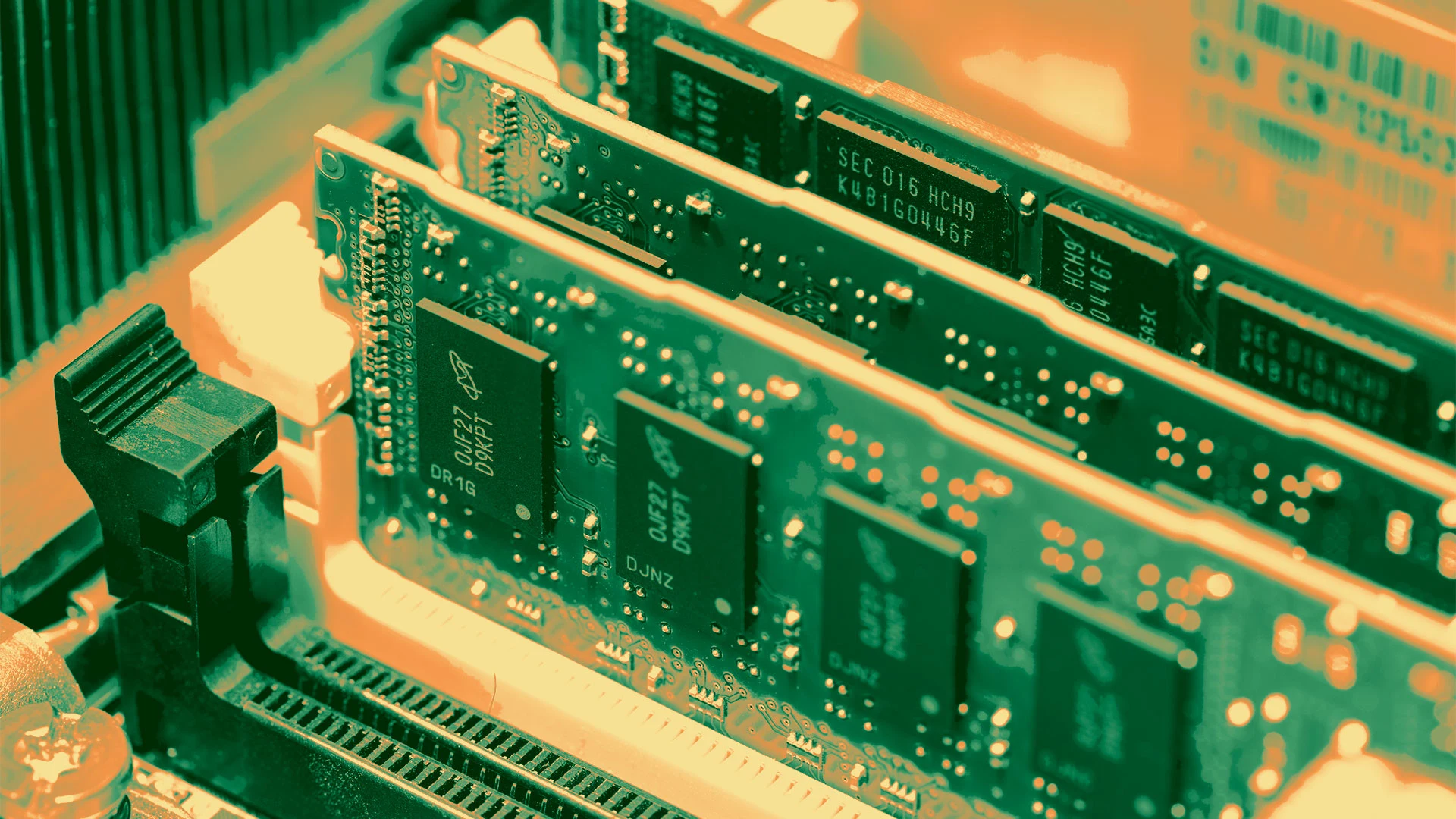
1 month agoMemory shortage batters PC market; double-digit sales drop coming, say analysts
Enterprise buyers face volatile pricing with short-term vendor quotes, budget constraints delaying PC purchases, and slower AI PC adoption with reduced memory specifications.
fromTechzine Global
3 weeks agoSony halts memory card shipments due to NAND shortage
A severe shortage of NAND flash, driven by the enormous demand for it to expand AI data centers, makes procurement impossible. Sony is currently unable to fulfill orders for CFexpress Type A, CFexpress Type B, and SDXC/SDHC memory cards.
Tech industry

fromFortune
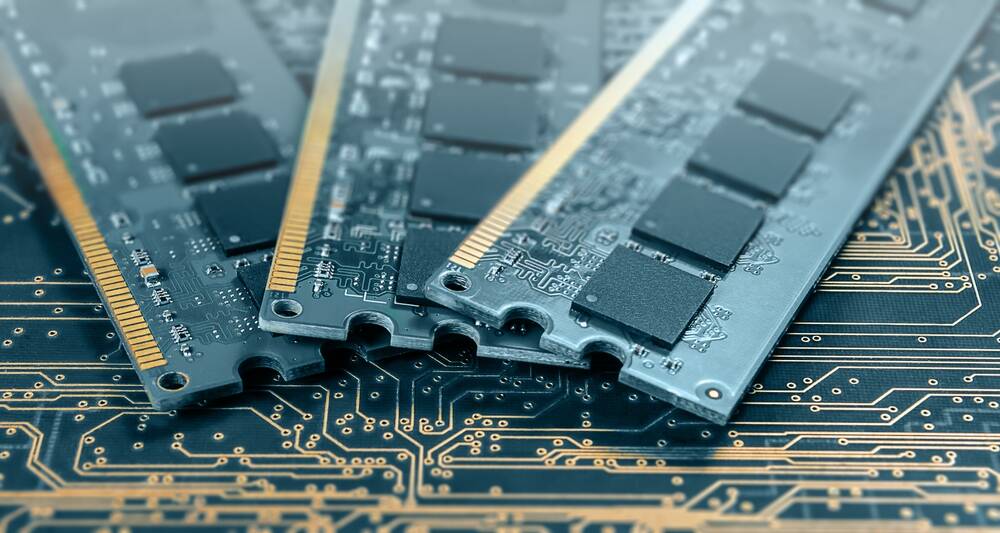
2 months agoRampant AI demand for memory is fueling a growing chip crisis | Fortune
Since the start of 2026, Tesla Inc., Apple Inc. and a dozen other major corporations have signaled that the shortage of DRAM, or dynamic random access memory - the fundamental building block of almost all technology - will constrain production. Cook warned it will compress iPhone margins. Micron Technology Inc. called the bottleneck "unprecedented." Musk got to the intractable nature o f the problem when he declared Tesla is going to have to build its own memory fabrication plant.
Artificial intelligence
fromThe Verge
2 months agoThe RAM shortage is coming for everything you care about
Do you have a phone in your pocket you'd like to upgrade in the next few years? Fancy a game console or handheld? A laptop, perhaps? Will you need a new router, whether you're purchasing outright or renting from your ISP? Each of these devices is expected to have shortages, price hikes, or both in 2026. And even if you don't plan to buy, you depend on goods and services from others who'll be paying more to upgrade their devices.
Gadgets
[ Load more ]