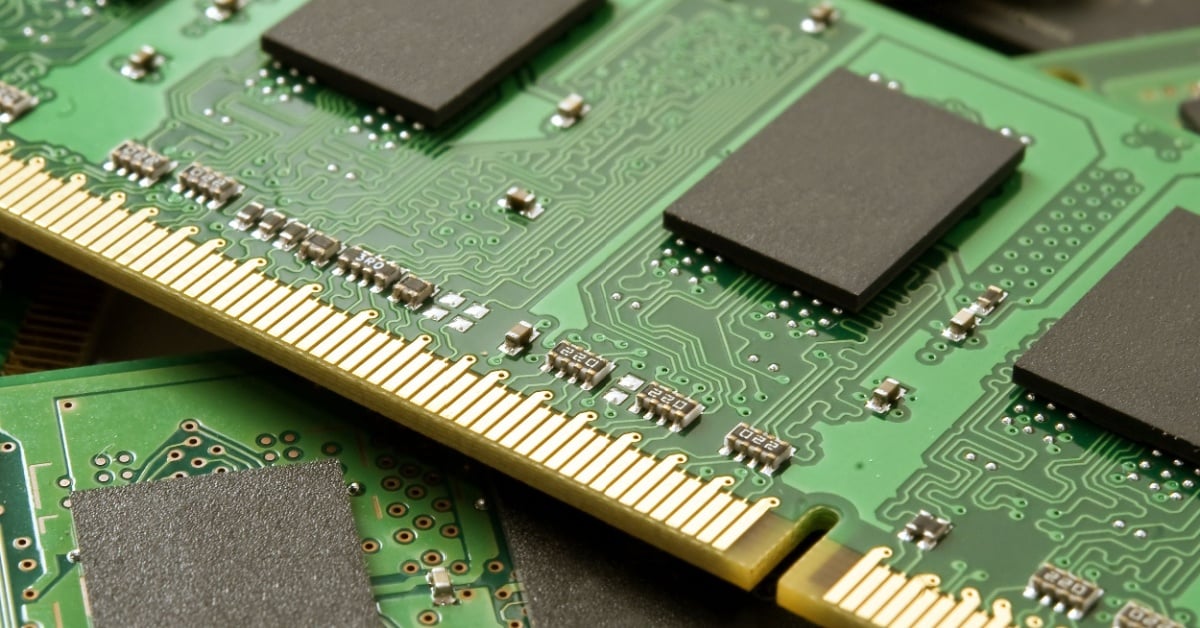
"Because the price of memory is increasing so much, vendors lose the ability to provide entry-level PCs - those below about $500. PC makers could just raise the price of their cheap and cheerful boxes to above that level to compensate for the memory hike, however, price-sensitive buyers simply won't bite."
"Historically, downgrading specifications was the way to go when prices were being squeezed, but that's difficult here. For example, Microsoft requires a minimum of 16 GB for Copilot+ PCs, its own AI platform spec, and Gartner recommends at least 32 GB for new enterprise PCs."
"The thinking was that the average price [of AI PCs] would fall this year, and lead to more adoption, but that's not happening. Some types of memory have doubled or quadrupled in price since last year, and Gartner believes DRAM and NAND flash used in PCs and phones is set for a further 130 percent rise by the end of 2026."
Memory prices have doubled or quadrupled since last year, with DRAM and NAND flash expected to rise another 130% by end of 2026 due to AI-driven demand. This surge will eliminate entry-level PCs below $500 as vendors cannot profitably manufacture them at affordable prices. PC makers cannot simply raise prices to compensate because price-sensitive buyers will not purchase at higher price points. AI-equipped devices require more memory and command premium pricing, preventing the cost reductions needed for broader adoption. Minimum memory requirements—16GB for Microsoft's Copilot+ PCs and 32GB recommended for enterprise systems—make specification downgrades impractical, further constraining the market.
#memory-price-crisis #pc-market-decline #ai-hardware-demand #smartphone-shipments #entry-level-device-elimination
Read at Theregister
Unable to calculate read time
Collection
[
|
...
]