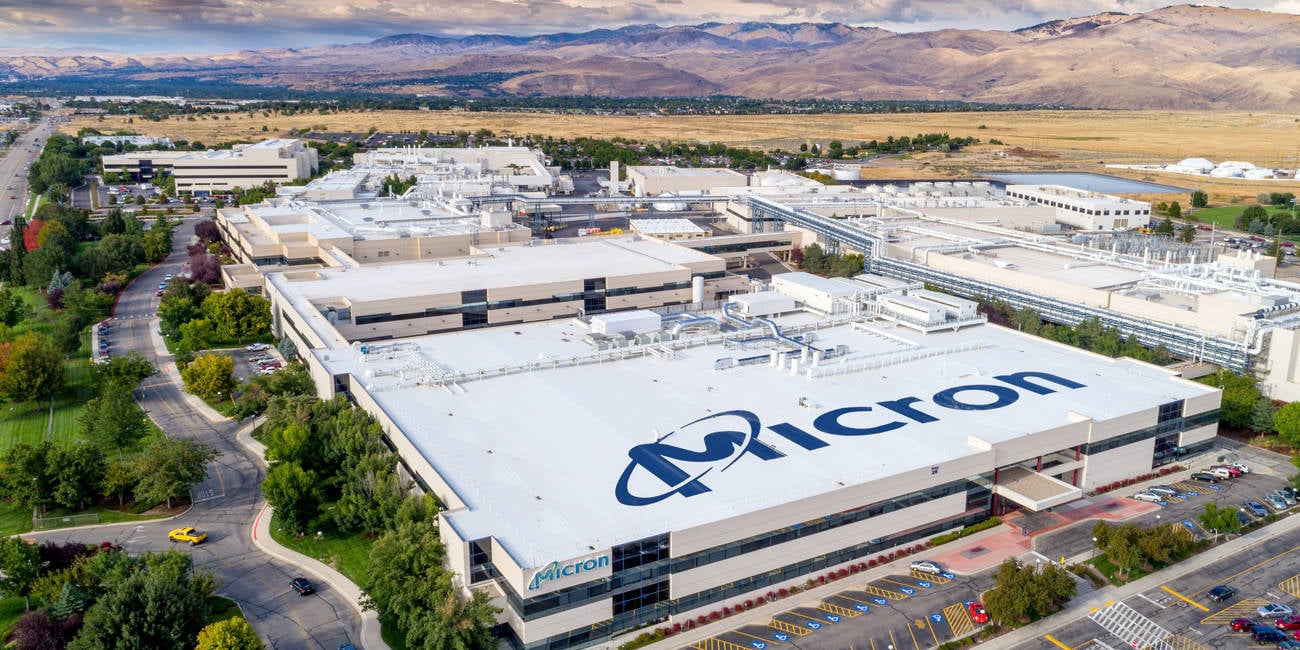
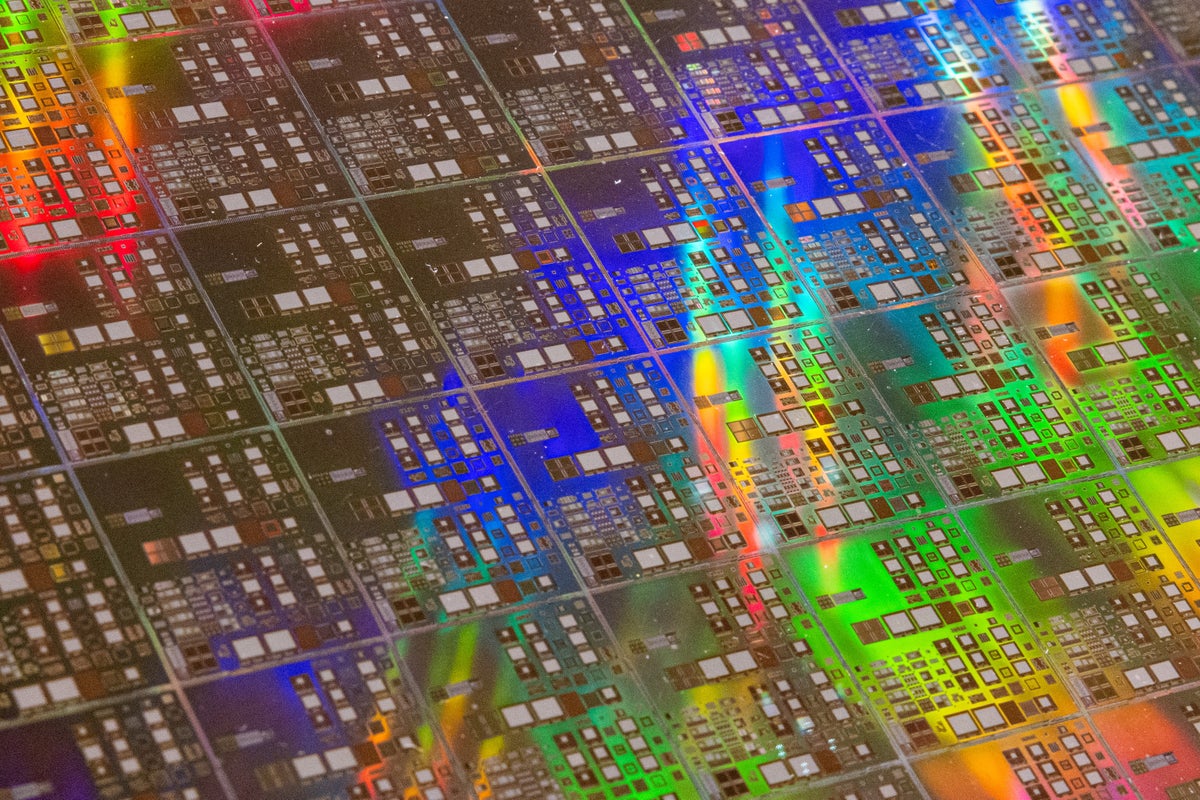
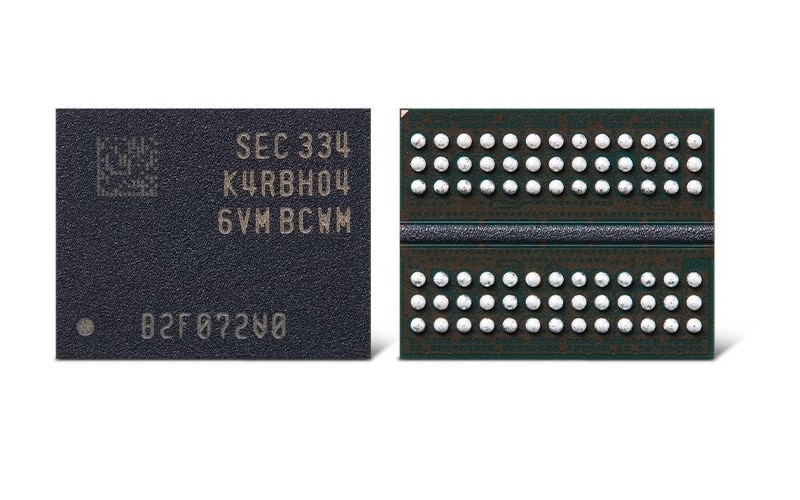
Micron broke snowy winter ground in New York on Friday to begin building a chip fab that promises to bring up to 50,000 jobs and much-needed computer memory production to US shores, as the AI boom continues to push memory prices up. The company's stock surged on the news that shovels had been put to work on the facility first announced in 2022, which had been bedeviled by environmental delays.
We're living in a token economy. Each piece of content -- words, images, sounds, etc. -- is treated by an AI model as an atomic unit of work called a token. When you type into a prompt in ChatGPT, and you receive a paragraph in response, or you call an API to do the same thing inside an app you've built, both the input and the output data are counted as tokens. As a result, the meter is always running when you use AI, racking up costs per token, and the total bill is set to go higher in aggregate.
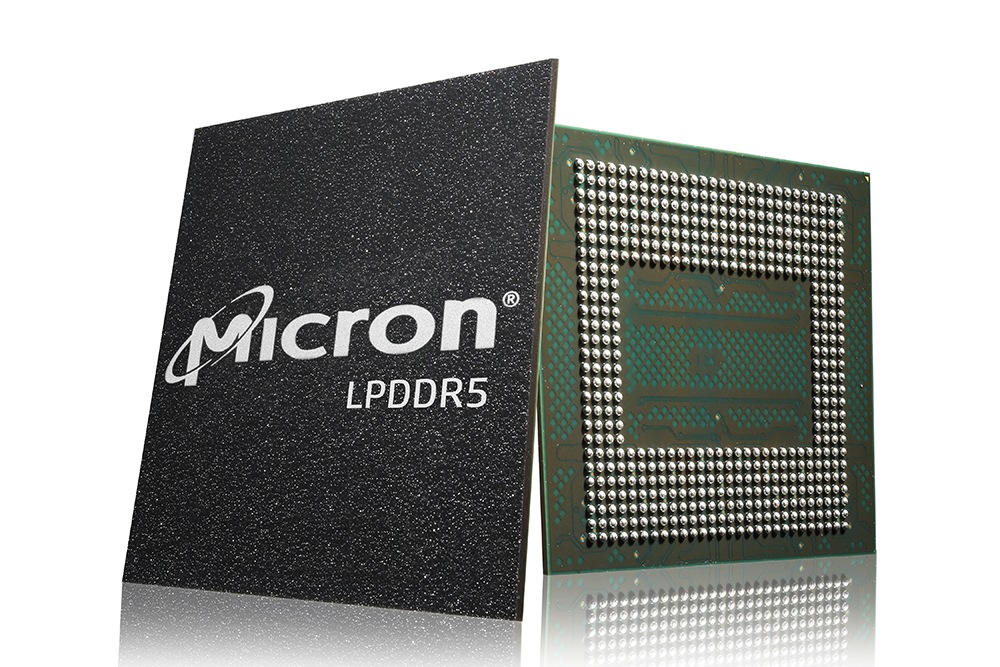
DDR5 isn't normally associated with AI accelerators. Those typically employ GDDR or HBM, which trade capacity for the higher bandwidth required for those workloads. However, the systems into which these accelerators are deployed do use DRR5 for the system memory to feed the CPU and to store intermediary data, like the key value caches used to prolong a model's short-term memory over extended periods.
The twin robotic spacecraft launched in 1977, the same year as the Apple II, the TRS-80 and the Commodore Pet, making the spacecraft the patron saints of the modern computer age. By the time Voyager's primary mission ended with Voyager 2's 1989 Neptune encounter, earthlings had the 80486, the Gameboy and the Apple Macintosh Portable. As Voyager 2 was nearly three billion miles (4.7 billion kilometers) away at that point, however, hardware upgrades were ruled out by the cost of delivery.