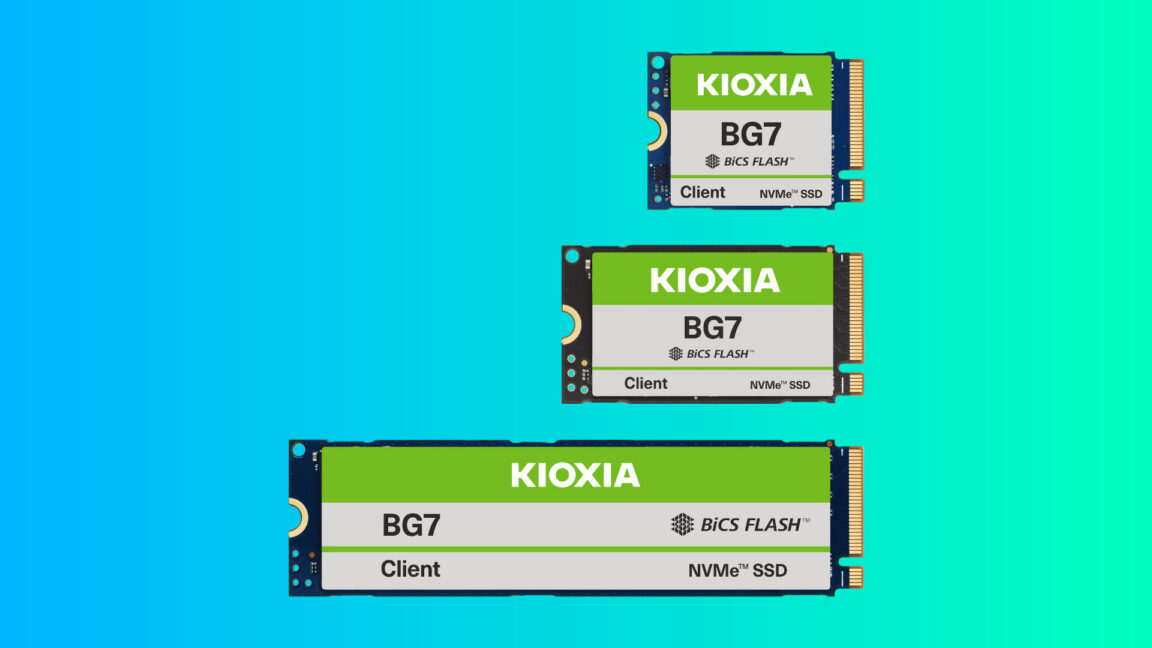
"That's the message from Shunsuke Nakato ( via PC Gamer), managing director of the memory division of Kioxia, the Japanese memory company that was spun off from Toshiba at the end of the 2010s. Nakato says that Kioxia's manufacturing capacity is sold out through the rest of 2026, driving the market for both enterprise and consumer SSDs to a "high-end and expensive phase.""
""There is a sense of crisis that companies will be eliminated the moment they stop investing in AI, so they have no choice but to continue investing," said Nakato, as reported by the Korean-language publication Digital Daily. Absent a big change in the demand for generative AI data centers, that cycle of investments will keep prices high for the foreseeable future."
"Nakato notes that Kioxia was attempting to increase its manufacturing capacity to meet the elevated demand, saying that it was taking steps to improve yields at its factory in Yokkaichi and that Kioxia expected another factory in Kitakami to begin "full-scale mass production" this year. As we've seen during several chip shortages this decade, it takes time for chip shortages to abate because it takes years to build new factories and get them producing useful numbers of usable chips."
AI-driven demand for memory has created severe shortages and record profits for RAM and flash manufacturers, with RAM kits affected fastest and most severely. Kioxia reports manufacturing capacity sold out through 2026, pushing enterprise and consumer SSD markets into a high-end, expensive phase. Companies feel pressured to continue investing in AI to avoid being eliminated, which sustains elevated demand for generative AI data centers and keeps prices high. Kioxia is pursuing yield improvements at Yokkaichi and expects Kitakami to begin full-scale mass production this year. New chip capacity requires years to build, and companies remain cautious to avoid future oversupply and forced discounting.
Read at Ars Technica
Unable to calculate read time
Collection
[
|
...
]