#diversion-routes
#diversion-routes
[ follow ]
#transportation #urban-planning #new-york-city #infrastructure #san-francisco #public-space #caltrans

fromwww.amny.com
13 hours agoMTA rolls out realistic bus driver training simulators in the Bronx | amNewYork
The new technology allows drivers to see actual New York streets and experiences, which ultimately makes bus rides safer for customers. The more we can give them real tools to simulate what real life is like, the better they're going to be once they hit the road.
Alternative transportation
fromSFGATE
19 hours agoOrange County makes the call, ends freeway call box service
"While the need for safe, reliable roadside assistance hasn't changed, the way people access help has," Transportation Authority spokesperson Eric Carpenter stated. "We're focusing on modern tools like 511 and freeway service patrols to deliver faster service while reducing the need for drivers to leave their vehicles in potentially dangerous conditions."
California
fromsfist.com
1 day agoDUI Suspect Crashes Into Powell-Market Cable Car Turnaround, Prompting Overnight Closure
A 47-year-old male driver entered the restricted area of the cable car turnaround and caused damage to the turnaround signal and a protective concrete barrier, but no injuries were reported.
San Francisco

NYC real estate
fromStreetsblog New York City
6 days agoAsk An Insurance Industry Insider: Safe Streets Are The Best Way To Bring Down Insurance Costs - Streetsblog New York City
Personal injury lawyers and insurance companies dominate advertising, reflecting a complex system of risk assessment and cost management in insurance.
#transportation
SF politics
fromStreetsblog USA
1 week ago"Why Do We Do This Bill?": Preparing Congressional Staff for Surface Transportation Reauthorization - Streetsblog USA
Federal surface transportation reauthorization lacks institutional knowledge, leading to skepticism about its effectiveness and the need for reevaluation.
Alternative transportation
fromStreetsblog San Francisco
5 days agoCommentary: Is a Transporter Bridge the 100-Year-Old Solution for the Estuary Crossing We've all been Looking for? - Streetsblog San Francisco
A transporter bridge could provide a cost-effective solution for pedestrian and cyclist access between Western Alameda and Jack London Square.
fromSustainable Bus
22 hours agoFrom Mauritius to Mumbai-Pune: Switch Mobility delivers 100 urban buses and 25 intercity coaches - Sustainable Bus
The delivery follows an initial batch of 10 buses introduced in August 2025, bringing the total number of vehicles supplied under the programme to 100. The buses have been integrated into the NTC fleet, which has historically operated an ageing vehicle base.
Alternative transportation

fromFast Company
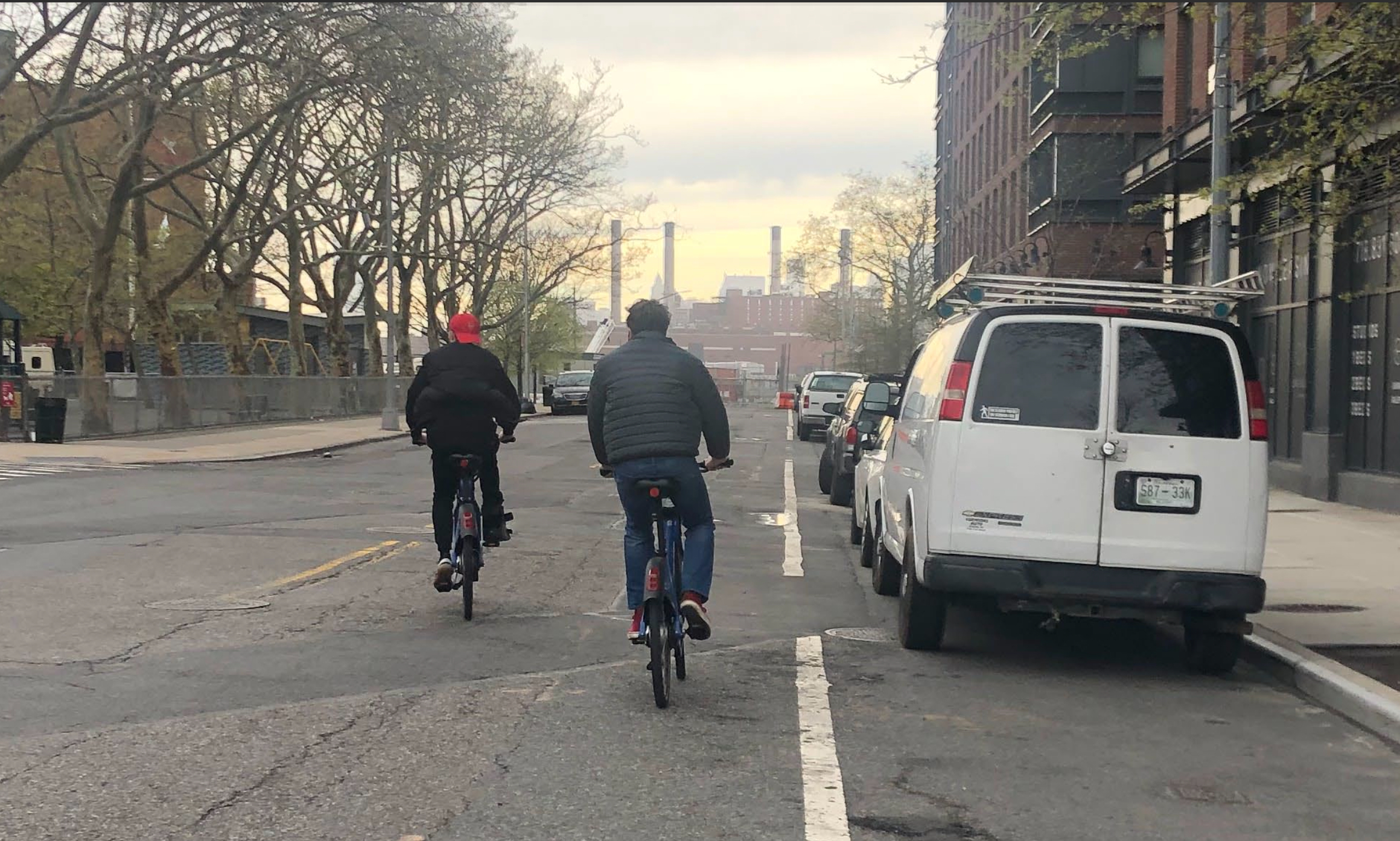
3 days agoThis stunning new bridge in Helsinki is designed for cyclists, pedestrians, and trams-but no cars
"We're looking at quite large new numbers of residents that will be in this part of town. And the decision was made that we need to connect those parts of town across the water to downtown, but that we need to do it in a way that won't increase congestion."
Alternative transportation
Alternative transportation
fromStreetsblog USA
5 days agoFlorida Town Gives New Residents Free Golf Carts to Replace Their Cars - Streetsblog USA
Babcock Ranch incentivizes residents to drive less by offering free golf carts with new home purchases, promoting a community focused on alternative transportation.
Business intelligence
fromLondon Business News | Londonlovesbusiness.com
3 weeks agoWhy GIS matters in modern infrastructure and urban planning: Building smarter, future-ready cities - London Business News | Londonlovesbusiness.com
GIS is essential for effective urban planning, enabling data-driven decisions that enhance infrastructure and quality of life in rapidly growing cities.
Alternative transportation
fromStreetsblog
1 month agoWhy Some Congresspeople Want to Go Big on Greenways - Streetsblog USA
The Parks to People Act proposes $300 million in federal funding for walking and biking infrastructure as essential transportation tools, despite political opposition dismissing them as distractions.
#congestion-pricing


New York City
fromwww.amny.com
1 month agoCongestion pricing: NYC subways saw millions more riders during Manhattan toll program's first year, transit group finds | amNewYork
New York's congestion pricing program drove a 7.7% increase in subway ridership to 1.3 billion rides in its first year, with over 90 million additional trips compared to the previous year.
fromArchDaily
2 months agoHealth, Habitat, and Civic Infrastructure: Designing the City as a National Park
Cities around the world share a common goal: to become healthier and greener, supported by civic infrastructure that restores ecosystems and strengthens public life. The question is how to reach this. Global climate targets, local building codes, and municipal standards increasingly guide designers and planners toward better choices. Still, many cities struggle to translate these frameworks into everyday, street-level comfort and long-term ecological protection.
Environment
Alternative transportation
fromFast Company
1 month agoTraffic safety improvements frequently die by popular vote. It's time to stop that
Vision Zero, a Swedish road safety philosophy, proves traffic deaths are preventable through proper street design, enforcement, and awareness, yet Americans resist safety improvements due to normalized traffic violence.
Alternative transportation
fromFast Company
1 month agoThe 'time is money' mantra is a terrible starting point for planning and designing infrastructure
Using productivity and time-as-money frameworks to justify transportation planning decisions is economically flawed and oversimplifies the complex nature of traffic congestion and urban mobility.
fromBusiness Matters
1 month agoThe impact of road signs on economic development
When routes are well organized, there are clear directional signs, and speed limits become reasonable. The early installation of warning signs allows transport companies to plan deliveries more accurately and avoid delays. For businesses, time is money. When a truck carrying goods does not spend hours detouring due to an unclear traffic scheme or stuck in traffic where it could have been avoided thanks to competent traffic management, fuel costs, driver wages, and vehicle maintenance costs are reduced.
Alternative transportation
Alternative transportation
fromStreetsblog
1 month agoIs The Safety Of Roundabouts Just For Rich People? - Streetsblog USA
Roundabouts, which reduce injury crashes by 80 percent, are disproportionately installed in wealthy and white neighborhoods while being absent from poor and Black neighborhoods across North Carolina.
[ Load more ]