Cocktails
fromTasting Table
17 hours agoHow To Use High-Proof Liquor In Cocktails Correctly - Tasting Table
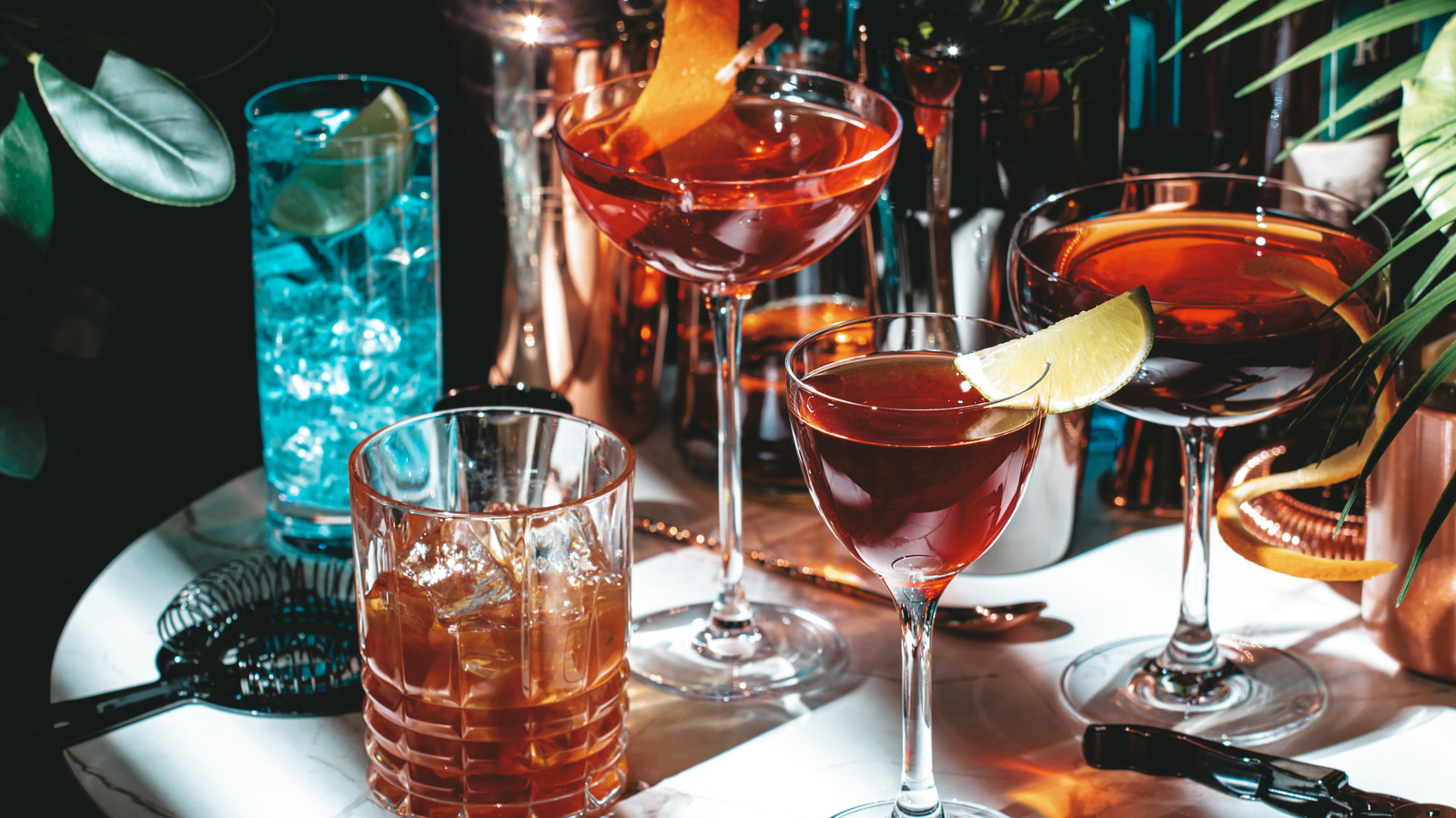
Higher-proof liquors enhance cocktail flavor complexity and depth without necessarily increasing strength.
Sukari Spirits positions itself as an originator and innovator of all-natural, ultra-premium spirits, with a focus on clean formulations and elevated drinking rituals.
"The portafilter locking mechanism, which closely simulates the way a portafilter engages with the brewing head group of an espresso machine, contributes to stability and repeatability during tamping."
After getting engaged in 2013, we started kicking around a wild idea: What if we moved back and revived the prohibition-era distillery his family had owned three generations back? The family business had been passed down for decades until it closed in 1919 due to prohibition. In particular, we had on our hearts Andy's dad, who died of cancer in 2010, but had always said, 'Don't move home unless you have a real good reason to.' This felt like it just might be that real good reason.
In enterprise commerce, totals don't drift because someone forgot algebra. They drift because reality changes: promos expire, eligibility changes when an address arrives, catalog data updates, substitutions happen, and returns unwind prior discounts. When someone asks "why did the total change?" you need more than narration. You need evidence - a trail of facts you can replay and a pure computation that deterministically produces the same result.
"When we started Sugarlands, we didn't set out to build a big company. The idea was simple. Make great spirits, create a welcoming and memorable experience for guests at our Gatlinburg Distillery."
We are now in a time of manufacturing where precision is more than a technical necessity; it's a business requirement. The more complex, globally dispersed and demanding things get, the less slack remains in the system. Under these circumstances tolerance management has become a decisive competence and affects competitiveness not only in terms of controlling costs, ensuring quality and improving production efficiency but also for long term market success.
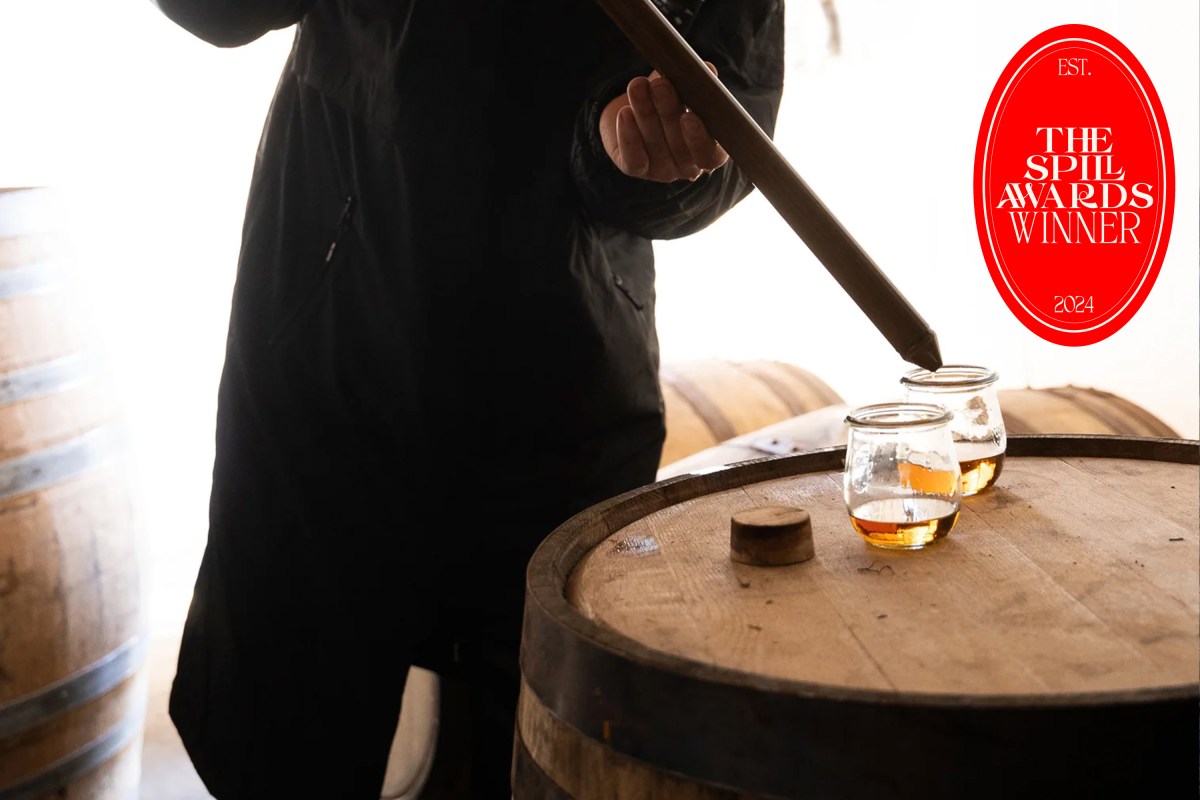
Along with the challenges of operating any new business, making good bourbon takes time and expert craftsmanship. It's for this reason that many new "distilleries" aren't distilleries at all (non-distilling producers, blenders, rectifiers). Instead, they source bourbon and then sell it as their own. That's not inherently a bad thing, as some expertly blend whiskey or add extra maturation to create a genuinely impressive bourbon, but there is a clear difference.
Chris Buck isn't your typical home brewer - he's a virologist at the National Cancer Institute, known for discovering several human polyomaviruses, a family of viruses linked to cancers and serious infections in people with weakened immune systems. Buck's day job involves developing vaccines against these viruses, but he took things in an unexpected direction: using yeast engineered to produce viral proteins, he brewed a beer that delivered those proteins orally.
The U.S. spirits landscape has evolved far beyond the recognition of simply being the birthplace of bourbon. In recent years, we've seen a transformation in both the quality and individuality that the country's craft distilleries have been able to produce. While previous decades were dominated by the big-name distilleries, far more awards are going to craft distillers who have mastered the art of producing high-quality whiskeys, rums, gins, and more.
So instead of chasing the energy boom, Ferdi and her cofounder built TRIP - a calming beverage brand designed for "calm in the everyday chaos." Today TRIP is valued at roughly $300 million, sold in more than 50,000 stores worldwide, backed by celebrity investors like Joe Jonas and Alessandra Ambrosio, and widely credited with helping shape the modern calming-drink category.
For wine collectors, the art of cellar management has always been as much about precision as it is indulgence. Temperature, humidity, and provenance all dictate whether a vintage will flourish or falter, and even the most meticulous collectors know that storage mistakes can be costly. Now, a new wave of technology promises to take out the guesswork. AI wine cellars, as futuristic as they sounds, are systems that use artificial intelligence to track bottles, catalogue vintages, and anticipate optimal conditions.
While one of the bartenders at the legendary Connaught Bar in London mixes your martini tableside, you're invited to choose your bitters to complete the drink. Lavender, perhaps? Or would tonka, coriander, or cardamom please you? Oh, what about the house-developed Dr. Ago's? Whatever your choice, you feel special for having collaborated on your order. But in truth, the selection process is so carefully planned by the Connaught that they're still behind the wheel. It's customization and control in perfect balance.