#aluminium-enclosures
#aluminium-enclosures
[ follow ]

Alternative transportation
fromSustainable Bus
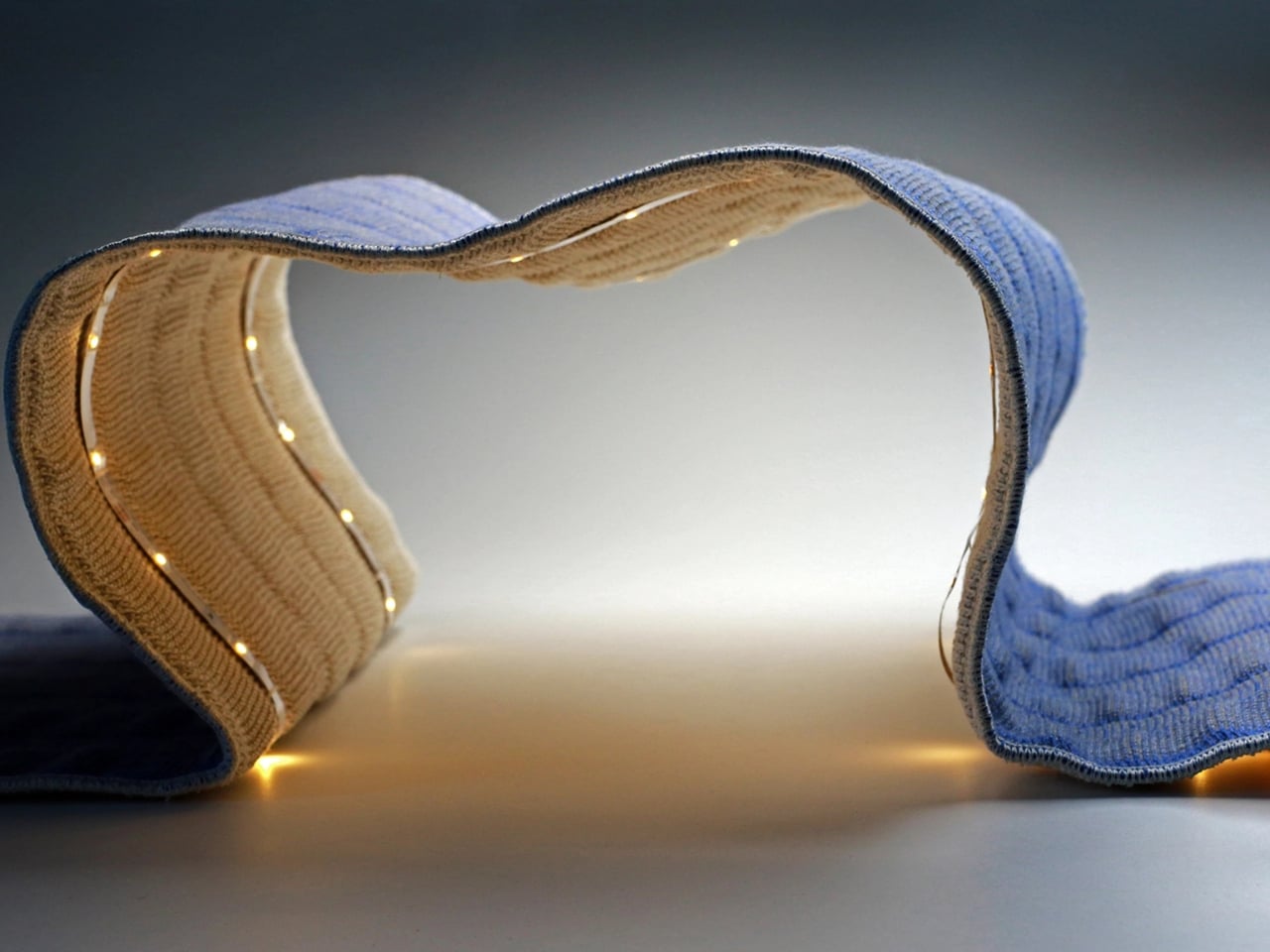
2 weeks agoNew certified Ultrafabrics collections target durability and compliance in passenger transport interiors - Sustainable Bus
Ultrafabrics launches new certified collections for passenger transport, combining durability, aesthetics, and sustainability in high-performance upholstery fabrics.
Renovation
fromYanko Design - Modern Industrial Design News
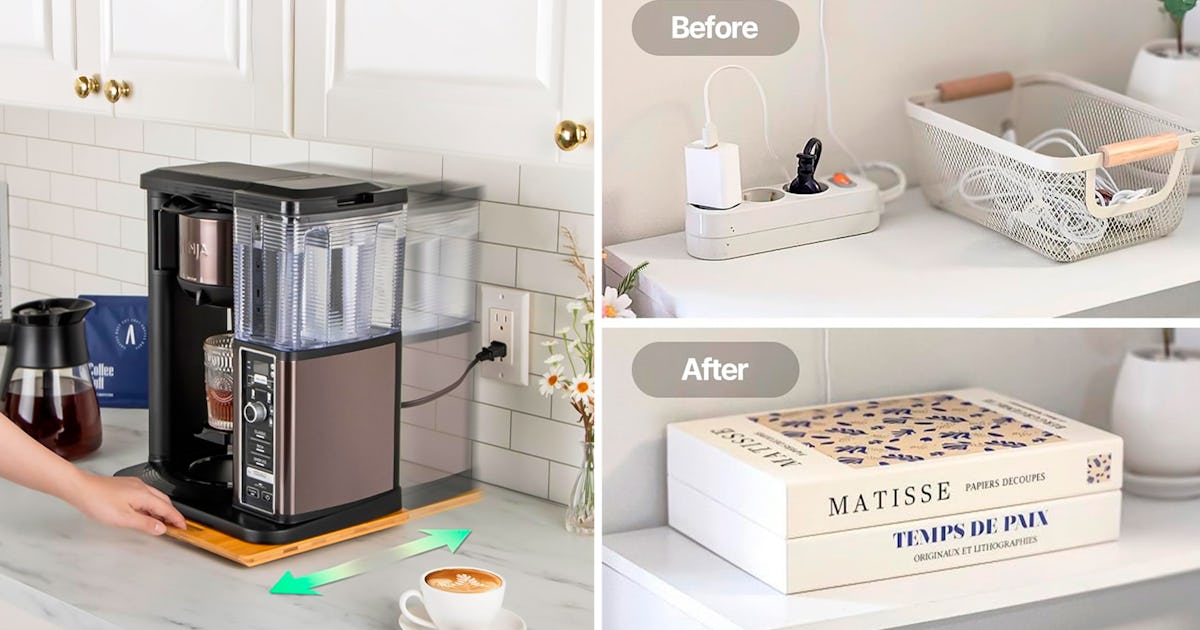
6 days ago7 Brilliant Products Renters Are Buying to Upgrade Their Homes Without Drilling a Single Hole - Yanko Design
Renters can enhance their living spaces with versatile, non-permanent upgrades that are functional and environmentally conscious.
fromwww.theguardian.com
3 weeks agoEvery child wants to find joy': the scheme designing playground equipment for disaster zones
Meininger, who grew up in Germany but now lives in London, likes making things. So when he saw how much his young sons enjoyed the jungle gym and play forts at the local park, he made an indoor treehouse for them.
Parenting
#adaptive-reuse
Renovation
fromdesignboom | architecture & design magazine
1 month agoneiheiser argyros' london pavilion merges storage cabinet and garden canopy in one structure
A continuous cabinet extends from interior to exterior, unifying storage, display, and shelter while serving diverse functions from art collection to recreation.
fromYanko Design - Modern Industrial Design News
1 month agoThis Aluminum Pill Organizer Was Designed to Sit on a Restaurant Table - Yanko Design
Taking pills or supplements daily is a fact of life for a growing number of people, yet the objects designed for that routine communicate apology. bovii was built to sit on a restaurant table without anyone feeling the need to explain it, a standard that immediately separates it from the category it nominally belongs to.
Medicine
UX design
fromYanko Design - Modern Industrial Design News
3 weeks agoThis Concrete Desk Organizer Snaps Together as Your Workspace Grows - Yanko Design
BloomCase offers a unique, heavy-duty desk organizer that combines functionality with a modern aesthetic, allowing for customizable and secure organization.
fromBusiness Matters
1 month ago6 Business Use Cases For Perforated Metal
Perforated metal has long been valued for its strength, versatility, and clean visual appeal. Created by punching patterns of holes into metal sheets, it offers a practical balance between airflow, light control, and structural support. Across industries such as architecture, construction, mining, and interior design, perforated metal has become a go-to material for projects that require both function and style.
Design
fromArchDaily
1 month agoHow Architecture Is Learning to Generate Its Own Energy
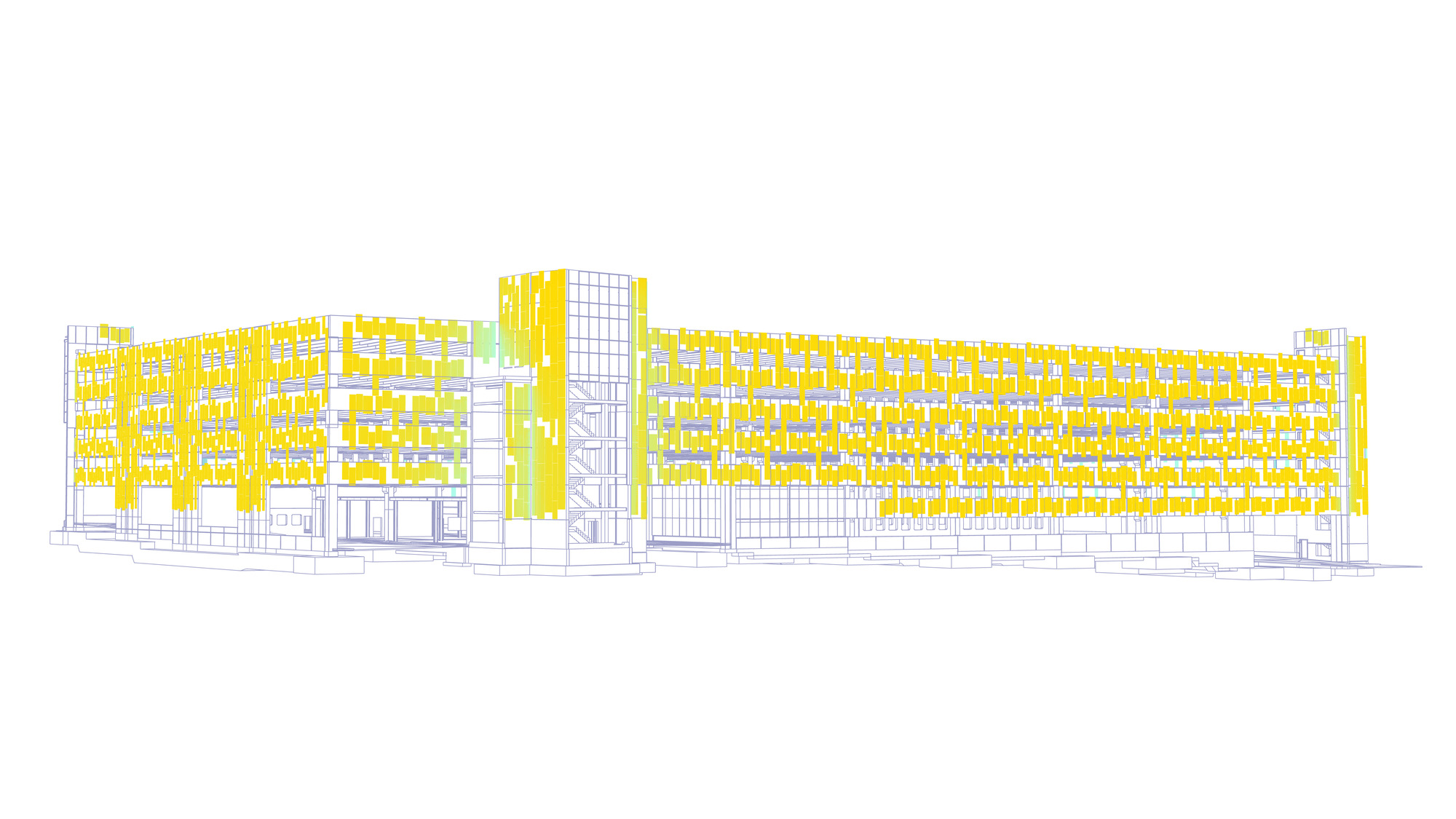
Photovoltaic (PV) solar energy represents a modular technology that can be manufactured in large-scale facilities, generating economies of scale, while also being adaptable to small-scale applications. From residential rooftop systems to large-scale power generation installations, photovoltaic solar energy has established itself as a cost-effective option for electricity production in many countries around the world.
Environment
fromArchDaily
3 weeks agoDesigning for Obsolescence in an Age of Perpetual Upgrades
In the nineteenth century, entire railway networks became obsolete almost overnight, not due to physical deterioration, but because of changes in the technical standards that supported them. The expansion of railroads across Europe and North America adopted different track gauges, and as a dominant standard gradually emerged, these infrastructures became incompatible with one another.
Renovation


Arts
fromArchDaily
1 month agoBuildFest Introduces "Acts of Construction," a Three-Year Exploration of Timber Installations
Bethel Woods launches BuildFest, a three-year initiative featuring large-scale timber installations and multimedia experiences on the historic 1969 Woodstock festival grounds, organized sequentially around construction, choreography, and performance themes.
Renovation
fromArchDaily
1 month agoTransforming a Concrete Shell into a Wooden Interior Shaped by the Sea
A Mediterranean harbor house renovation transforms a raw concrete shell into a material-driven interior that echoes maritime atmosphere through spatial organization, natural materials, and carefully controlled views of the surrounding landscape.
Business
fromSitePoint Forums | Web Development & Design Community
2 months agoU.S based custom metal stamping company for precision telecom or shielding components?
Seeking a U.S. precision metal-stamping partner for telecom and EMI/RFI shielding with tight tolerances, in-house tooling, secondary ops, and smooth prototype-to-production transition.
fromdesignboom | architecture & design magazine
1 month agoart-chitecture modular furniture system turns chairs and lamps into spatial sculptures
The art-chitecture system proposes a different framework, treating furniture as a structural and spatial language capable of interacting directly with architecture. In this system, chairs and lighting fixtures function as modular units that maintain their individual identities while contributing to larger configurations.
Design
Design
fromArchDaily
1 month agoFacing the Age of Robots? Material Innovation in Architectural Structures
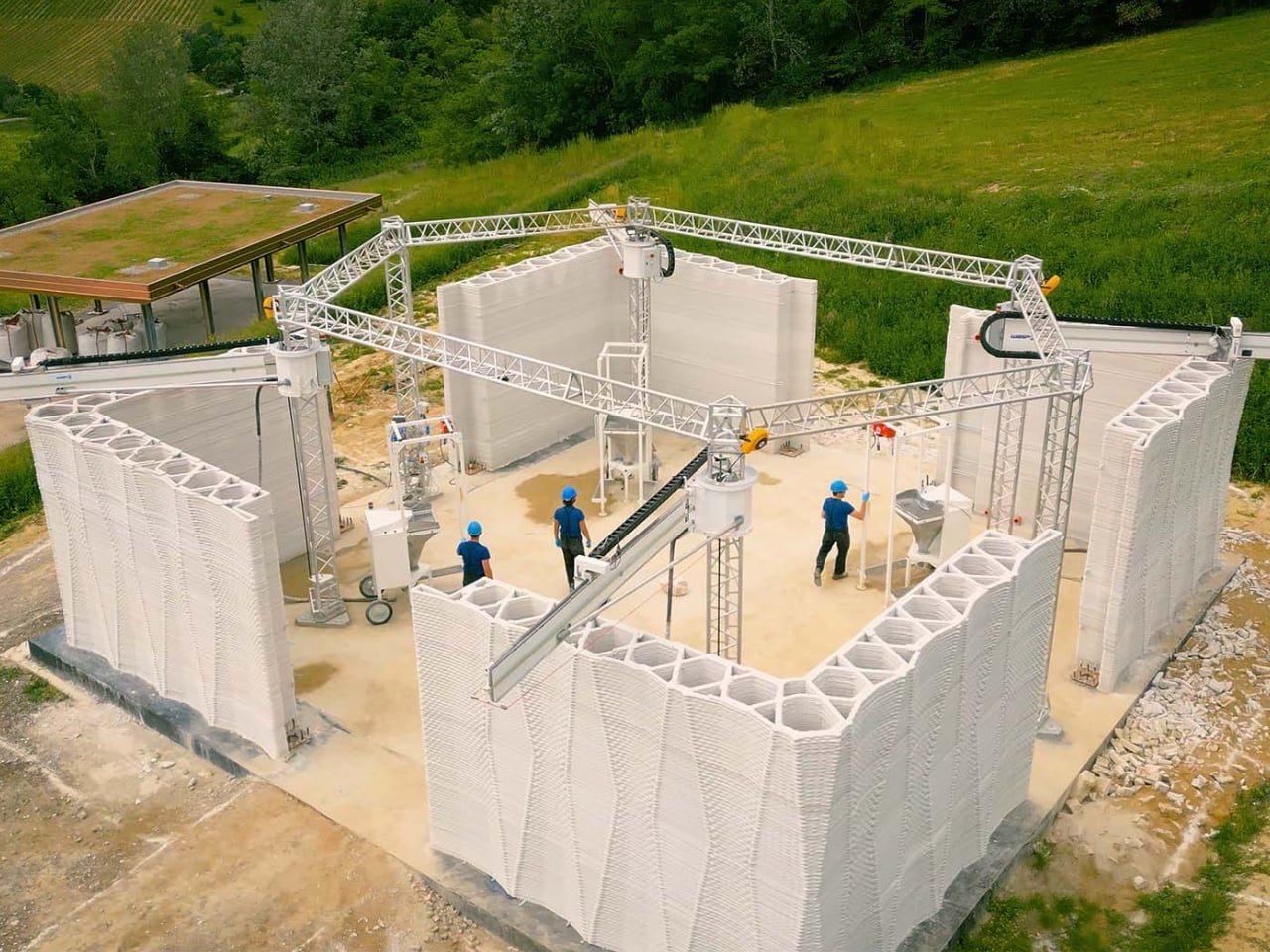
Robotic technology in construction extends beyond automation and cost reduction to fundamentally reshape architectural design, material experimentation, and construction methodologies through collaborative human-robot workflows.
Environment
fromYanko Design - Modern Industrial Design News
2 months ago5 Products Made from Cardboard: The Bench Supports 300 Pounds - Yanko Design
Cardboard is emerging as a versatile, sustainable, low-cost material reshaping design, construction, and product manufacturing without sacrificing aesthetics or performance.
Real estate
fromLondon Business News | Londonlovesbusiness.com
2 months agoThree common myths about modular construction (debunked) - London Business News | Londonlovesbusiness.com
Modern panelised off-site construction delivers permanent, energy-efficient, high-performance buildings that rival or exceed traditional construction.
Gadgets
fromYanko Design - Modern Industrial Design News
2 months agoThis Modular Console Changes Layout With Magnetic Snap-In Controls - Yanko Design
A single modular magnetic control surface reconfigures with snap-in modules and app-driven layouts to replace multiple fixed controllers across streaming, editing, and design workflows.
Environment
fromwww.theguardian.com
2 months agoWe can learn from the old': how architects are returning to the earth to build homes for the future
Unstabilised rammed earth provides a low-carbon, locally sourced building method with thermal mass, moisture control and potential for circular construction.
fromMail Online
2 months agoIndestructible suitcase can survive being launched out of an airplane
'Polypropylene fibres are stretched and aligned for extreme tensile strength, then woven and heat-fused into a single composite sheet. No glues, no resins, no weak points,' Mous explained. 'This self-reinforced structure lets the shell flex under pressure instead of cracking, dispersing impact energy and rebounding to shape. 'It stays tough across extreme temperatures, resisting brittleness in the cold and softening in the heat.'
Gadgets
Design
fromdesignboom | architecture & design magazine
2 months agoperforated corrugated panels regulate light and ventilation at library in tanzania
Lei Wa Lakom Library in Kazole Village is an open, climate-responsive community hub combining Swahili shading principles, perforated panels, timber structure, and a water feature.
fromdesignboom | architecture & design magazine
1 month agofoldable tent box transforms from a wooden cabinet into a wing-like mobile shelter
Meet Wingcube, a box that transforms from a foldable tentwooden cabinet-like structure into a wing-looking mobile shelter. Combining the structure of a tent with the concept of a compact cabin, the project, which is till in development, focuses on being modular so users can transport it anywhere with their vehicles. It can be towed easily, and once it finds its spot, the structure extends outward like a fan, creating a raised mini cabin.
Design
Renovation
fromdesignboom | architecture & design magazine
1 month agoalsar-atelier repurposes raw construction materials as reversible enclosed exhibition booth
Alsar-Atelier's pallet installation demonstrates how temporary exhibition architecture can achieve ornamental quality while remaining fully disassemblable and reusable, reducing waste through reversible design.
Design
fromdesignboom | architecture & design magazine
2 months agobest pivot door contest 2026 highlights projects that push architectural thresholds
Pivot doors combine structural performance and spatial expression, transforming access points into defining architectural elements across residential, cultural, and specialized environments.
fromArchDaily
2 months agoWhen Light Meets Energy in Glass Ceilings
From the large industrial roofs and galleries of the 19th century to the contemporary atriums of museums and public buildings, glass has been a recurring material in shaping large and monumental interior spaces. More than a technological or engineering solution, these horizontal glazed planes introduce a distinct luminous quality: light that comes from above. Unlike lateral daylight entering through façades, zenithal light is more evenly distributed, reduces harsh shadows, and lends spaces a sense of continuity and openness that is difficult to achieve otherwise.
Design
fromdesignboom | architecture & design magazine
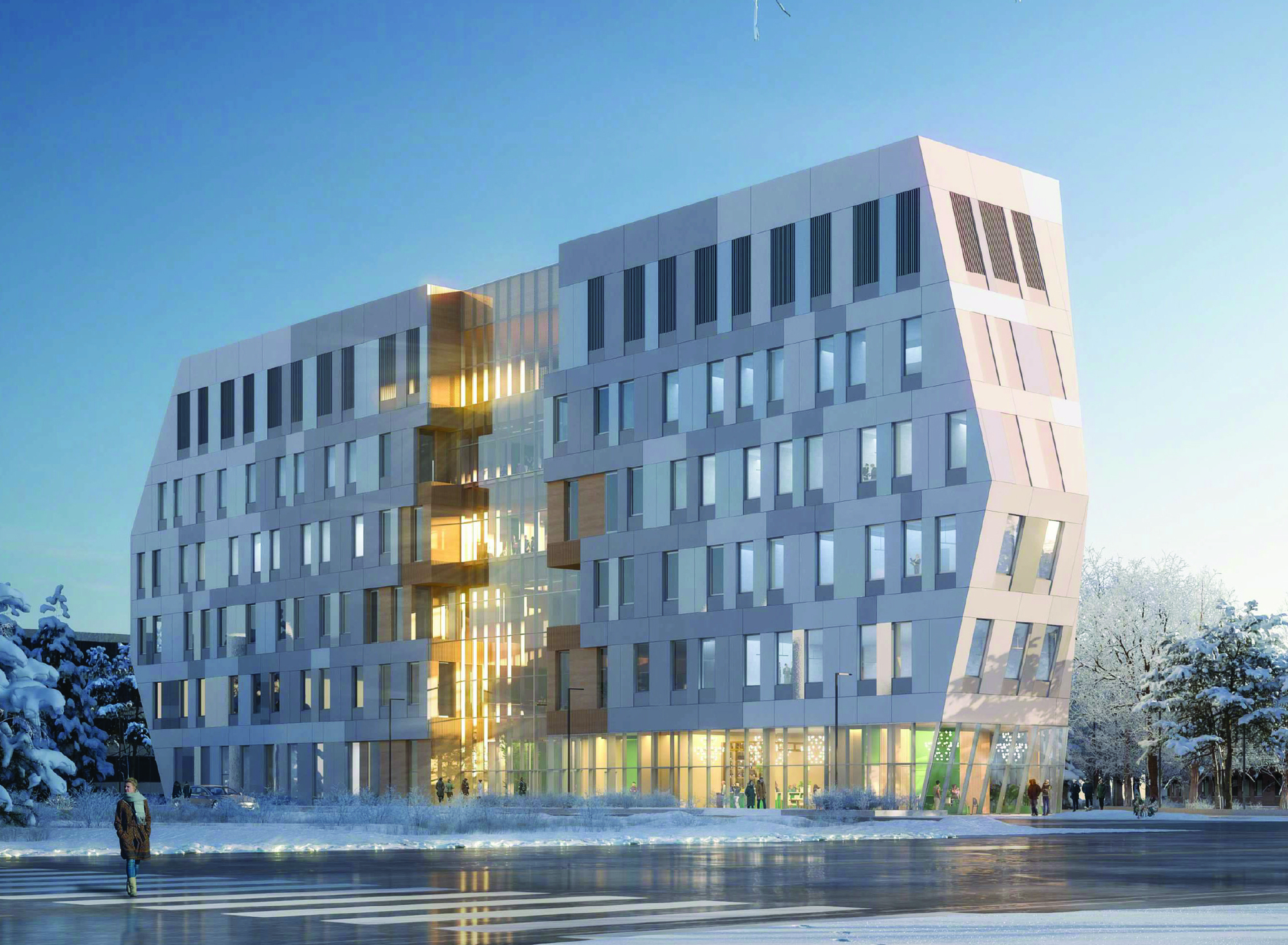
2 months agoreflective steel sheet cladding wraps acheres technical center in france
The site lies within the Petite Arche joint development zone, where design considerations include the town entrance, contextual integration, and alignment with natural elements. The building's form signals its position in an urbanized area and maintains visual dialogue with the surrounding landscape, including the protected Saint-Germain-En-Laye forest. A vegetated threshold along the northern edge reinforces landscape continuity, while the southern boundary engages with the urban character of the area.
Design
fromRemodelista
2 months agoInside a Sustainable Edinburgh Kitchen with a Rainbow of Surplus Wood Cabinets
Architecture Office founder Alexander Mackison and glass artist Juli Bolaños-Durman had something of a creative meet-cute. The two became acquainted while running a lecture series at Custom Lane, a collaborative center for designers and makers in Edinburgh, where they both have studios. They remained friendly, so Alexander eventually learned of Juli's plans to renovate an apartment nearby. "Just through casual conversations, I became integrated into the project," he remembers.
Renovation
fromdesignboom | architecture & design magazine
2 months agoindustrial components assemble glowing clock-house by drawing architecture studio in china
Drawing Architecture Studio presents The Clock House No.2 at the 7th Shenzhen Bay Public Art Season in Shenzhen, Guangdong Province, China, on view until April 19th, 2026. Commissioned for the public art program, the Beijing-based practice reinterprets the historical automaton clock as architecture, using low-cost industrial components to construct a structure that chimes and glows every fifteen minutes. Where the clocks once gifted to emperors represented technical virtuosity and expensive craftsmanship, this installation adopts a deliberately rough and economical construction.
Design
fromArchitectural Digest
2 months agoAD PRO LIVE: The Longevity Home | Register Now
The home isn't just where we live anymore. It's a mechanism for living longer. In this AD PRO LIVE report, we'll examine how residential design has become the next frontier to a healthier, longer life. Delve into the industry's expanding catalog of non-toxic materials, the architectural elements shaping conscientious builds, and the luxury amenities promoting physical and mental well-being in every room of the house.
Design
fromdesignboom | architecture & design magazine
2 months agoreflective red chamber emerges from prism mountain shelter's charred wood shell
Prism Shelter is a by Space10 Studio located at the foot of Changbai Mountain, conceived as an inhabitable optical installation within a winter landscape defined by snow, wind, and low temperatures. Positioned to frame views of the mountain massif, the structure provides a sheltered point from which visitors can pause and observe the surrounding terrain. The project combines the typology of a small with a calibrated visual device that alters the perception of the distant ridgelines.
Design
[ Load more ]