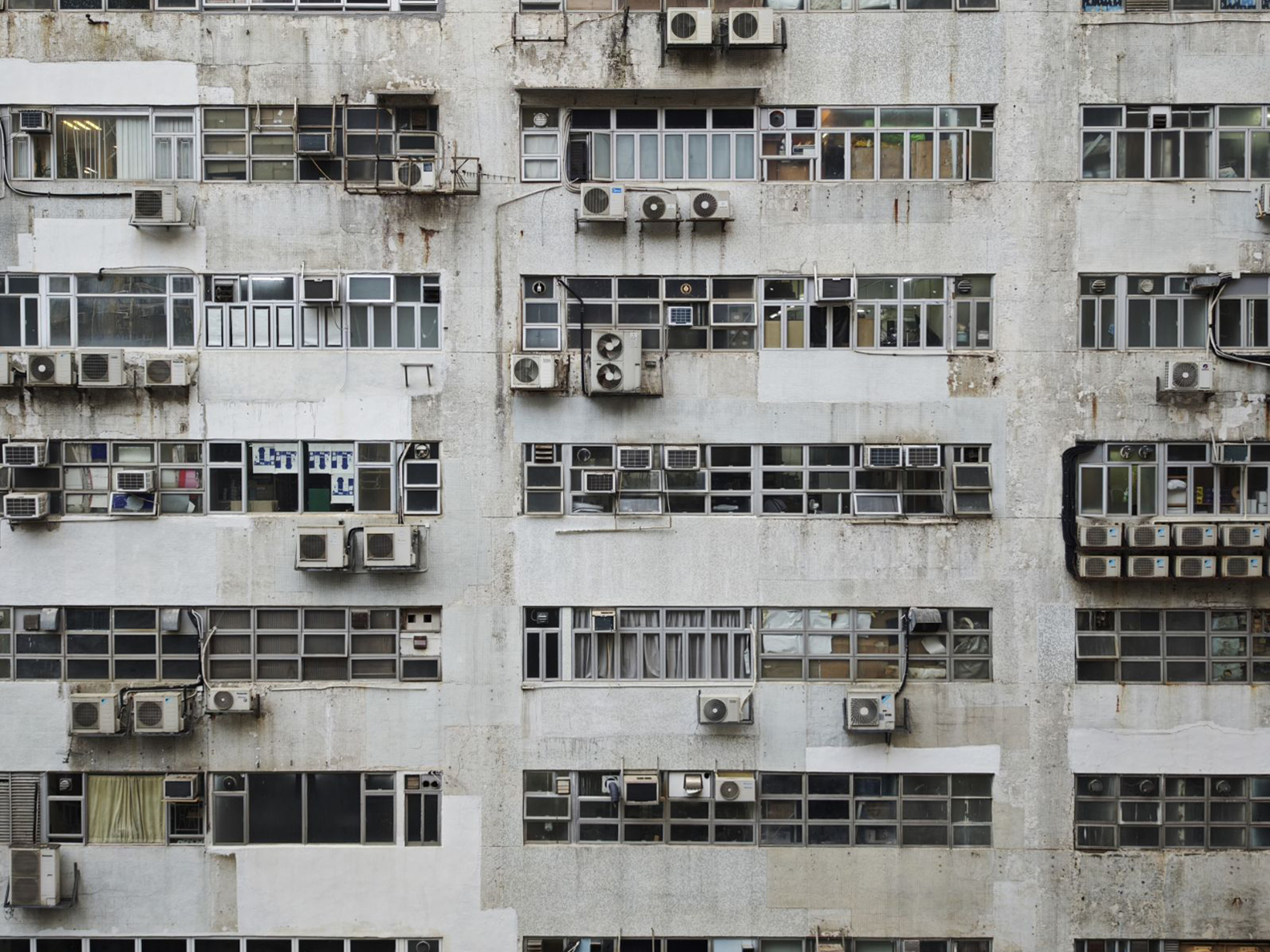
"Establishing thermal comfort once demanded a far more deliberate and calibrated architectural intelligence—an interplay of orientation, massing, material behavior, ventilation potential, shading, and the ways daylight and surfaces absorb and release heat."
"When many of Hong Kong's post-war modernist buildings were constructed in the late 1960s and 1970s, air-conditioning was not yet a ubiquitous, default service."
"Cooling, where present at all, was limited and unevenly distributed; comfort had to be negotiated through passive means, through section, façade depth, operable openings, and climatic detailing."
"The more precise claim is that widespread reliance on AC has profoundly rearranged the incentive structure of building design."
Thermal comfort in architecture once required careful consideration of orientation, materials, and ventilation. In Hong Kong's post-war buildings, air-conditioning was not common, necessitating passive cooling strategies. These strategies included architectural elements like façade depth and operable openings. As air-conditioning became standard in the 1970s and 1980s, it began to replace these passive methods, fundamentally changing the approach to building design and comfort.
Read at ArchDaily
Unable to calculate read time
Collection
[
|
...
]