"The sensation you feel when you're in the house is that of a boat. We tried to emulate the kind of nautical sensation to bring the atmosphere from the Riviere, the nature of cruising into something that is stationary on the water."
"Surrounded by water and docked boats, the building sits in close dialogue with the harbor, exposed to the shifting light, reflections, and atmosphere of the Mediterranean. Within this setting, the house reads almost like another vessel moored along the harbor wall."
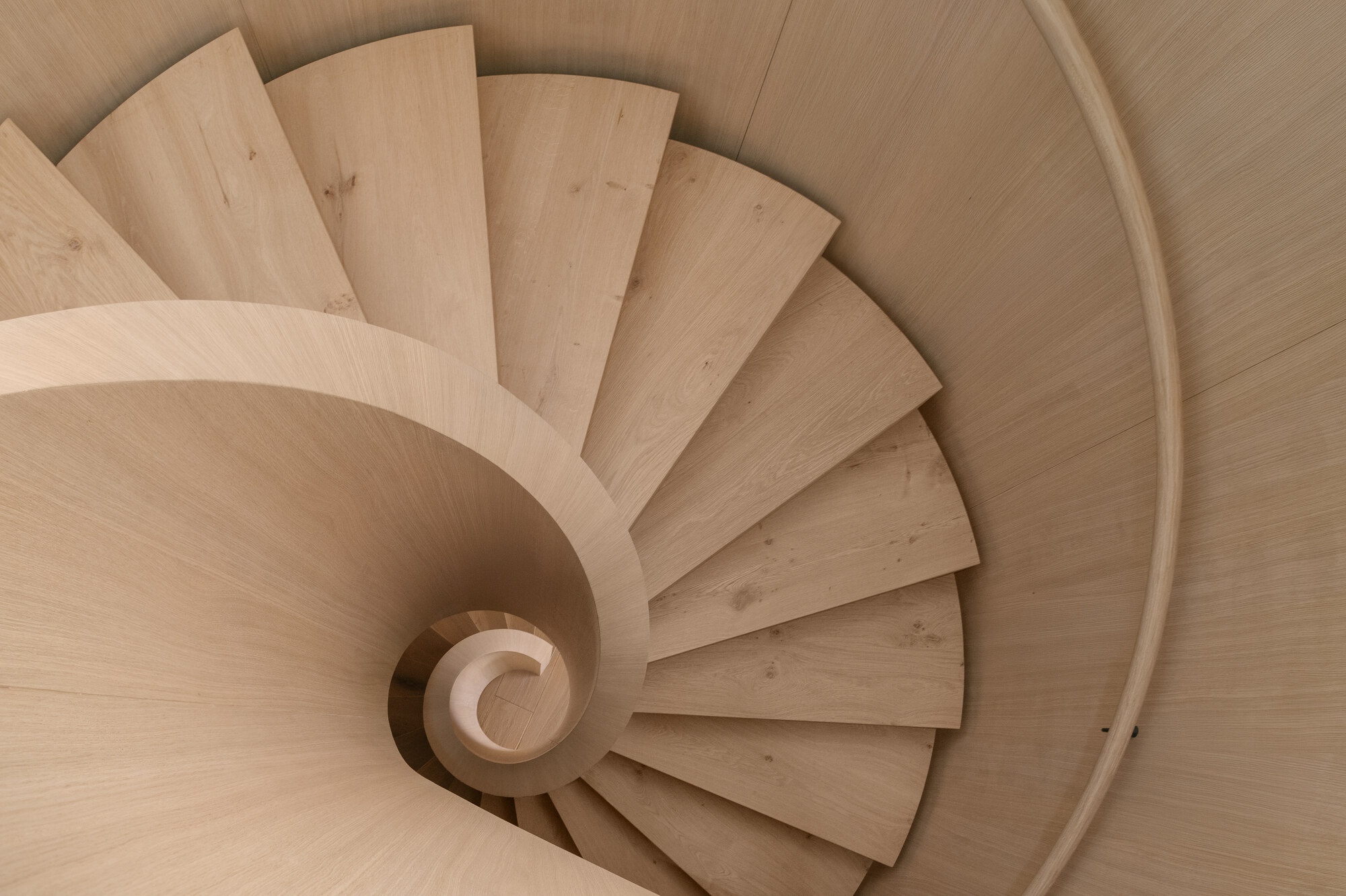
"The design focused on creating a calm, material-driven interior that frames and amplifies the beauty and experience of the surrounding landscape crafted from oak, cedar, marble, and stainless steel details."
The Beach House at Port de Cap-d'Ail sits on a threshold between land and sea, resembling a vessel moored along the harbor wall. Architect Dave Rowles renovated the stripped concrete shell by asking how an interior can capture its maritime surroundings. Rather than competing with the powerful harbor context, the design creates a calm, material-driven space using oak, cedar, marble, and stainless steel. In collaboration with barth, a craftsmanship company, Rowles transformed the structure into a cohesive interior where natural materials, light, and refined detailing define spaces. The design strategy echoes boat interiors through spatial organization, material continuity, and controlled views, translating the atmosphere of the sea into stationary architecture.
#architectural-design #maritime-aesthetics #interior-renovation #material-craftsmanship #mediterranean-architecture
Read at ArchDaily
Unable to calculate read time
Collection
[
|
...
]