Our first step was coming up with a floor plan based on our clients' lifestyle. We saw that we could create a guest room/den in the front and a generous primary suite and nursery in the back, with two full bathrooms in the middle within the same footprint where there had been one large central bath.
The Invisible House: a 22-story skyscraper laid on its side and made almost entirely of glass, sitting on 90 acres of desert land a quick drive from Joshua Tree National Park. It struck the perfect balance, and I booked it immediately. I soon learned that Demi Lovato, Diplo, Lizzo, and more famous faces had stayed at the property before me, and it'd even made a cameo on Netflix's The World's Most Amazing Vacation Rentals.
The single-story house was last sold in 1988 by Van Halen rock band brothers Eddie and Alex for $450,000. During the eight years the brothers owned the 3,367-square-foot home, purchased in 1980 for $221,000, they produced such hit tunes as the Grammy-nominated "Jump" (you knew where this was heading), "Dreams" and "Love Walks In."
The architectural proposal organizes new construction and heritage structures into a cohesive campus, establishing visual and physical connections between the city and Lake Ontario. By consolidating the five existing Pods, the Cinesphere, and the new building into a unified spatial framework, the design reinforces the waterfront's civic identity while reinterpreting Ontario Place's original ambition as a landscape for public learning, innovation, and recreation.
Restoration is not only about building. Wright's philosophy is that everything about this place is part of the design, but sometimes objects are not the emphasis of the restoration story. We are recreating the whole vision that Wright had, not only by putting all the pieces of the puzzle of the building together, but reintegrating those objects into the story.
The house stands above a steep slope, mounted on a single concrete column, which appears to be all that keeps it from soaring away. To those inside, the height, panoramic view and absence of any visible means of support give the impression of being in a penthouse floating in the sky or on the command deck of a flying saucer swooping down to strafe North Hollywood with laser cannon.
In 2011, the Colombian government ordered the creation of a national museum "to achieve the strengthening of the collective memory" around the decades-long armed conflict. That same year, it passed the Victims and Land Restitution Law aimed at providing victims with reparations and justice. More than just a curated collection of objects or artworks, the museum, scheduled to be inaugurated in 2018, was conceived as an archive of the violent civil war.
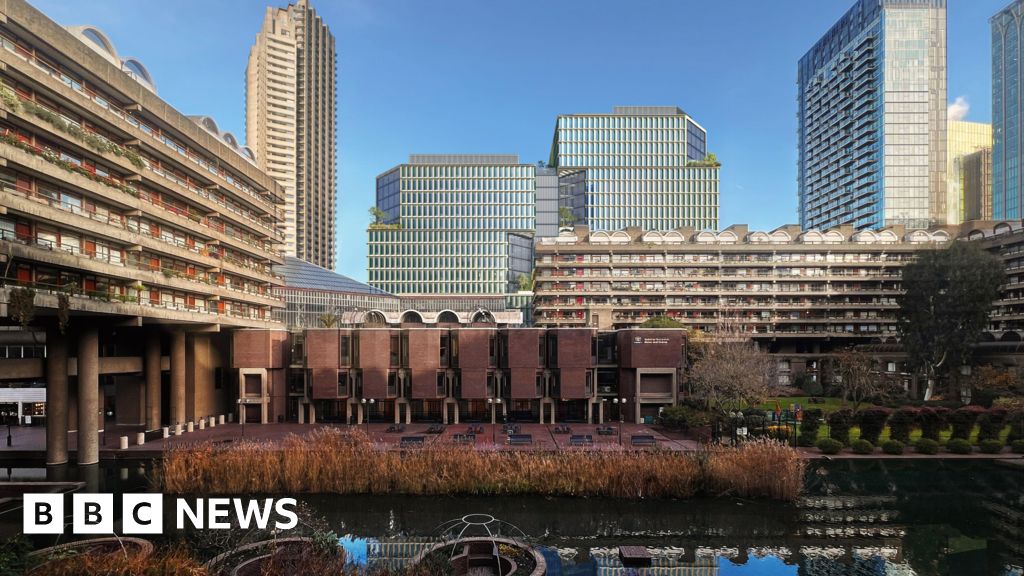
Developers LaSalle Investment Management, Lipton Rogers and Skidmore, Owings & Merrill (SOM) say they have listened to feedback and made "substantial" revisions to the 1 Silk Street plan, and have reduced the western section of the block by three storeys. The original plans for the 1980s former Linklaters building involved demolishing it and building a block of two towers, each standing 20 storeys above the ground floor.
The selected site offers reduced urban intensity during working hours and direct visual access to surrounding greenery. The decision to locate the office here was driven by the relationship between workspace and landscape, prioritizing framed views of nature as part of the daily working environment.
San Francisco's dining scene is on the cusp of a transformative change as Hi Neighbor Hospitality Group (HNG) prepares to unveil a new waterfront restaurant in the vibrant Mission Bay neighborhood. Slated for opening in Fall 2026, this venture reflects HNG's commitment to quality, accessibility, and a unique dining experience, further solidifying the area as an emerging culinary hotspot. Designed by the acclaimed architect Cass Calder Smith, the new restaurant will boast expansive indoor and outdoor spaces with breathtaking views of the Mission Creek channel.
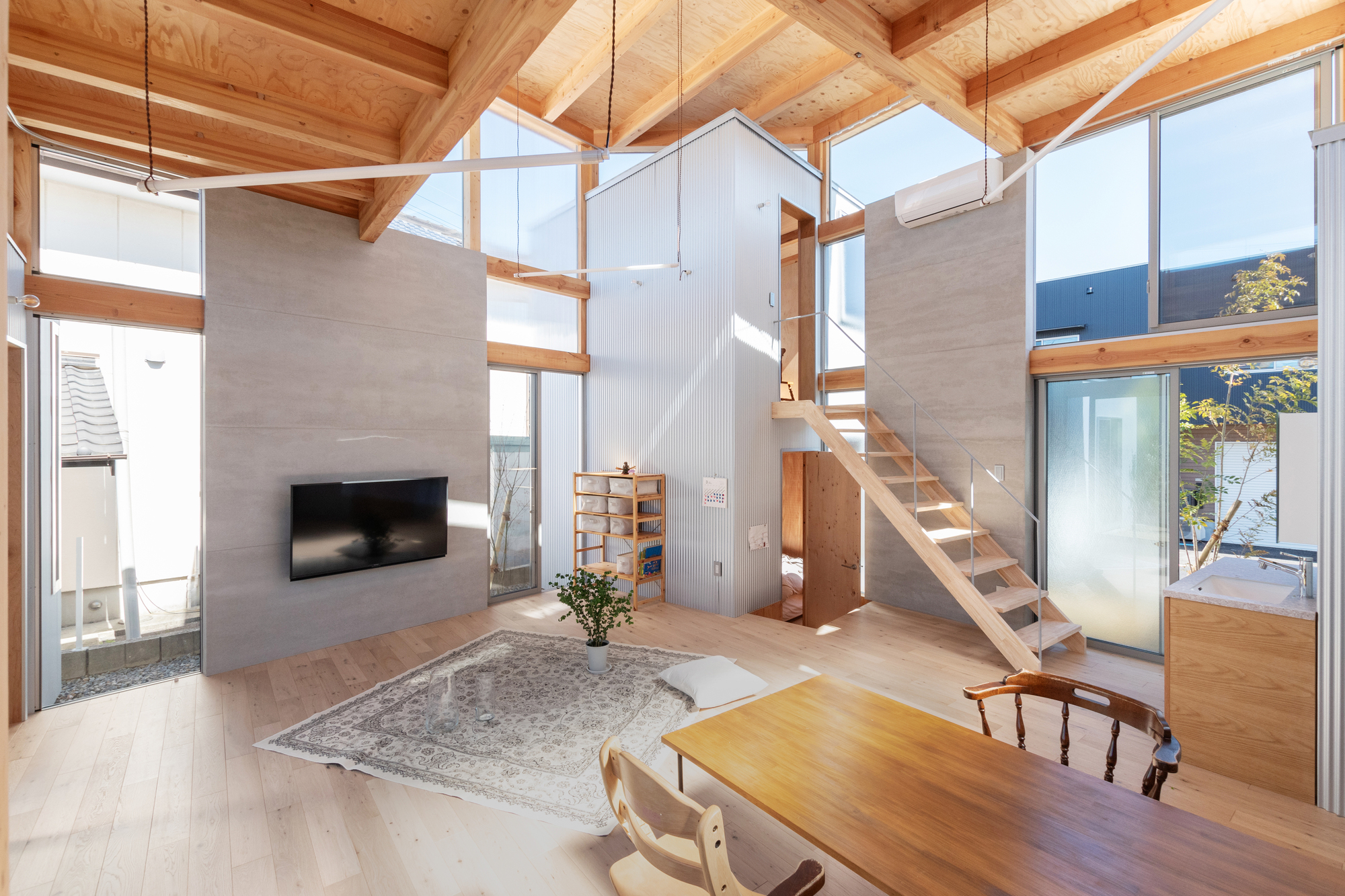
This project is an architect's home and office located in a densely populated residential area of Tokyo. As there were other houses adjacent to the boundary of the site on all sides except for the north side, where the road is located, it was decided to install a large window facing the road, but the challenge was how to create a bright garden view through the north-facing window.
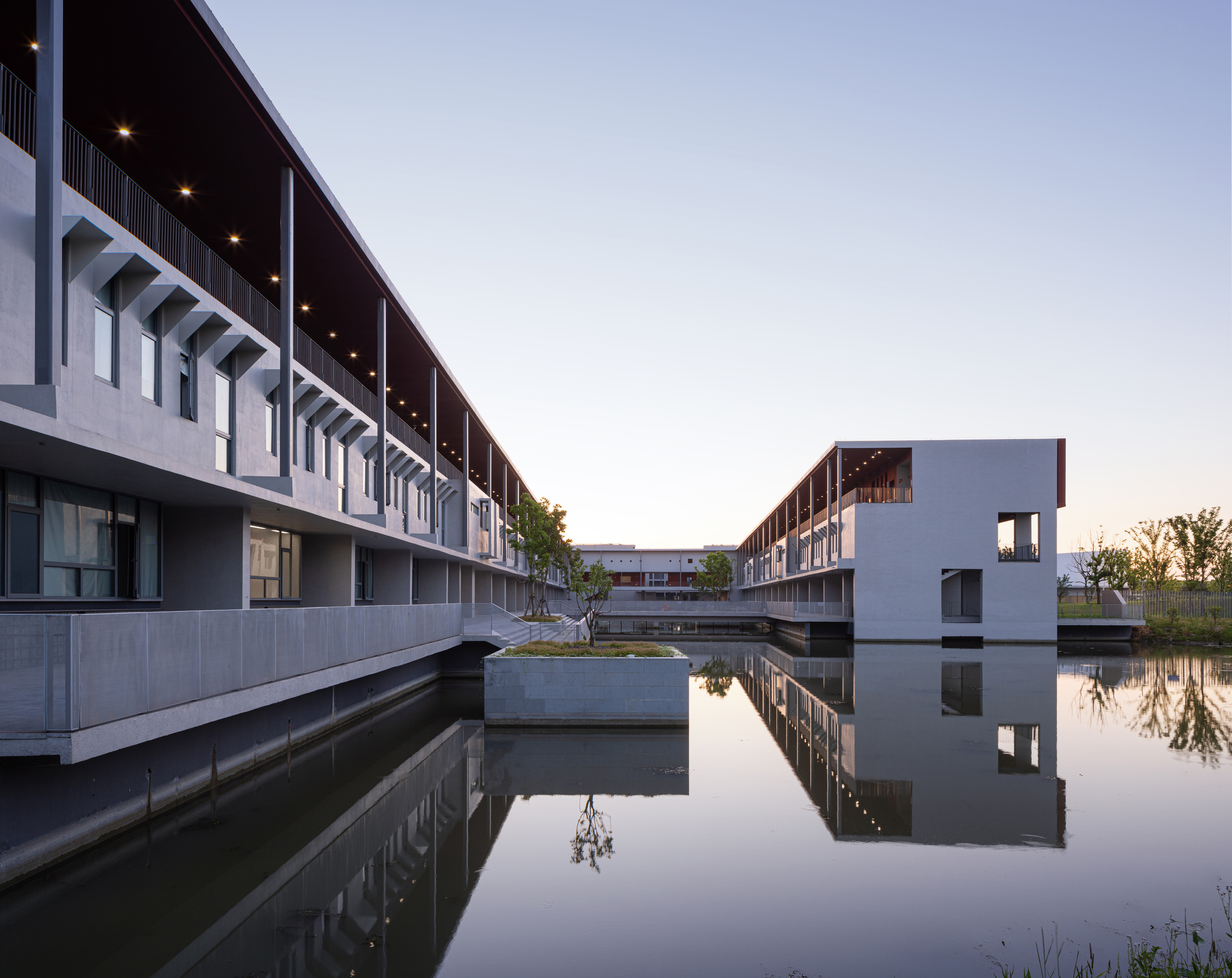
Design Team: GUO Wei, QIU Mei, HE Chunyao, LIU Qian, WU Qijing, TANG Runen, CHEN Jiannan, GONG Chenxi, DENG Jian, ZHOU Duchuang(Intern), WEI Zhichao(Intern), JI Jiahui(Intern), WU Tianrong(Intern) Clients: Kunshan Yangcheng Lake Science Park Co., Ltd. Intelligent Design: Jiangsu NETIN Technologies Co, Ltd Text description provided by the architects. This increasingly complex project emerged from an interactive process and key breakthroughs by both the government and architects - through ongoing coordination and integration, architects drive the joint renewal of urban and educational spaces.
As cities densify and the global population continues its steady migration toward urban centers-projected to reach around 70% by 2050-domestic space is becoming increasingly compressed. Rising land prices, high construction costs, and a surge in single-person households push developers toward smaller units and tighter floor plans. At the same time, cultural shifts toward resource efficiency and minimal living support this move.
As part of its 25th anniversary celebrations, Electronic Beats in collaboration with Kalkul hosted the European premiere of Erykah Badu's sound meditation at the Reethaus in Berlin. The event offered a rare proximity to the American neo soul singer in a space known for its contemplative architecture of concrete, glass, and reed. Designed by Austrian architect Monika Gogl as an homage to ancient temples, caves and other natural hollow spaces, the Reethaus provided a unique setting for the global icon.
The 8,500-square-foot Loacker Galaxy references the manufacturer's goods and packaging in three key areas. From the mezzanine, guests can peek into the lab or head into the production space themselves, where they can make their own goodies. The brand's bold red hue covers ceramic floor tiles, while silver laminate and metal have a futuristic feel. A coffered fir ceiling in the cafe echoes the look of favorite biscuits, and brings in a natural warmth.
Designed by the architecture firm Herzog & de Meuron, the center's cavernous galleries and outdoor areas have been shaped and proportioned to let Calder's kinetic mobiles move slowly in the natural airflow of the building, and to allow visitors to walk through and around his large-scale sculptures, or "stabiles," in the changing hues of year-round open-air daylight. "The pieces transform as you move around them and through them and with time," says Jason Frantzen, a partner at Herzog & de Meuron who led the design team.
Renewable energy systems in commercial architecture often remain hidden behind facades or tucked away on rooftops, treated as necessary but unsightly additions to building design. This approach misses opportunities to celebrate sustainable technology as part of the architectural experience, particularly in industries like wine making, where connection to natural cycles and environmental stewardship could enhance rather than compromise the visitor experience.
Osso Architecture was brought into the project by New York City-based interior designer Jessica Whitney Gould of JWG Interiors, whom the homeowners had contacted initially and who immediately realized a total overhaul was in order. "We did a complete gut, removing three structural columns floating in the middle of each floor, and found ways to open up the space," Otten recalled. "We brought in a lot of steel."
Positioned at the heart of this redevelopment area, the project has been described as Taiwan's most significant cultural initiative of 2025. SANAA's design follows the guiding idea of creating 'a library in a park and an art museum in a forest.' The building is lifted above ground level, allowing natural light and park breezes to move freely through shaded plazas that provide open, permeable access from all sides.
Glass already has a mesmerizing quality fragile yet enduring, transparent yet expressive but scaled up into furniture, it becomes almost hypnotic. In his debut collection, designer Clive Lonstein pushes the material beyond its expected forms, transforming it into sculptural tables that feel all at once grounded and ephemeral. Made in collaboration with art and design gallery STUDIOTWENTYSEVEN, the limited-edition Glass by Clive Lonstein collection highlights the powerful qualities of this material, elevating glass as the main attraction in any room. While many contemporary designs lean heavily into aesthetics at the expense of usability, Lonstein takes a stand for both.
So when I got the invite to check out Octant Douro earlier this spring, I jumped at the chance to spend the weekend at a property I've been lusting over for a year. Our group was also the first to experience the property's brand new House Collection, a group of 20 freestanding accommodations that include outdoor spaces, full kitchens, separate bedrooms and living areas, and sumptuous marble bathrooms.