The best over-the-toilet storage is one that can maximize the space in a small bathroom without looking like an eyesore. Whether you have a tiny powder room or a bathroom of epic proportions in need of extra storage, the right bathroom shelf can help you create a clutter-free, organized oasis. Transform this often-overlooked area above the john with thoughtfully designed shelving that keeps toiletries neat and accessible.
Many interior designers are indeed looking towards neutral colors and "warm" minimalism in 2026, as reported in Apartment Therapy's annual design industry survey, the State of Home Design. But there are a few maximalist design trends that refuse to fade into the background this year - namely, room drenching, and, more specifically, stripe drenching. This pattern drench has design pros leaning into colorful, dizzying stripes from wall to wall.
Wood: Arguably the most common material for a coffee table, whether packed with storage or not, solid wood can be a durable and style-agnostic choice. A deeper hue, like a mahogany or cherry, can lean mid-century, while a natural oak or teak feels distinctly Scandinavian. Opt for a material that's white washed or stained for a farmhouse look. Metal: Aluminum and stainless steel are common choices for the modernist or more minimal design aesthete.
It's the place where you rest and recharge, and chances are your sleep space is probably the one area you tend to ignore, as it's more of a private zone versus a public one in a home. That's exactly why Michigan-based mother-daughter designer duo Jean Stoffer and Grace Start of Stoffer Home wanted to make sure their first collaboration with The Company Store really prioritized bedding - even though they're accustomed to designing whole homes and large-scale kitchen projects.
While the couple envisioned subtle nods to old Hollywood throughout the home, Williams found a particularly personal muse here in Talani. "She was an incredibly talented, creative, beautiful model in the '90s when it was not very common for an African-American woman to be a successful model," Williams shares. "She's a fashion diva, so she definitely needed a fabulous salon."
Most of us have a preferred kitchen style in mind when decorating our culinary space, but one of the most common kitchen design mistakes you could make is leaning into that one single style too much. Making one aesthetic your end-all be-all can turn a space with potential into a monotone room that's severely lacking character. Therefore, it's important to consider mixing materials and textures that give your kitchen personality, depth, and lots of dynamic focal points.
Tucked down a cobblestoned, tree-lined alley in the 11th arrondissement, just steps from the Place de la Nation, a Paris loft has been given a new life. The space, a former artist's studio turned residence, opens directly onto the street and is crowned by a transom window that floods the interior with natural light. Interior designer Caroline Pusset, who founded Studio Rœus with her sister, points to the soaring proportions as a starting point for the redesign.
Paris property prices can certainly stretch into the millions, and even at that level, many homes need a little imagination - or even a full renovation - to make them truly comfortable, functional and stylish. The bones are often beautiful, but layouts can be quirky, storage scarce, and finishes in need of love. Still, with the right guidance, you can absolutely find a one, two, or three-bedroom home that strikes that perfect balance of charm, location, and potential.
Ross partnered with architect and designer Suchi Reddy to reimagine the interiors, continuing a creative dialogue that has unfolded over more than a decade. Their shared interest lies in neuroaesthetics - the study of how environments affect emotional and physical well-being - and Standing Wave becomes a built expression of that. Rather than adding architectural flourish, the transformation focused inward: the existing floors and ceilings were preserved while walls were repositioned, rooms resized, and sightlines recalibrated to boost views of the ocean, rocks, and sky.
The 70-20-10 Rule is simple: 70% of a room's textures should be smooth or matte, 20% should be plush or soft, and 10% should be hard, shiny, or raw. The dominant matte texture is calming and provides the visual base (think: matte painted walls, smooth wood floors, or a linen sofa). The plush or soft elements, such as a bouclé or velvet chair, a chunky knit throw, or a deep-pile rug, invite touch and add warmth.
You know the feeling: The paint is dry, the furniture looks good, but somehow the whole thing still feels unfinished. Designers have a trick for that, and it's surprisingly easy. Called the "Sandwich Method," it helps to create a sense of balance in a room through echoing a color at the top and base of the room - and letting the center section fall into place.
Working from home can be a juggling act, especially when your corner office is also the corner of the living room. Creating a workspace that feels separate from the rest of your life is one thing; making it a place you actually want to be is another. If your desk area is feeling a little uninspired, it might be time to introduce some personality and fun.
Second, please also note that the Chinese restaurant Poon's, by Amy Poon, scion of the Poon's restaurant dynasty, recently rooted itself in the New Wing. Ice-skating itself I have nothing against, but we can all agree that these slippery yuletide stampedes on temporary rinks are the polar opposite of festive, so surely it would be far better to be hiding indoors in the warmth with a round of prawn wontons, a bowl of nourishing magic soup, or some wind-dried meat claypot rice.
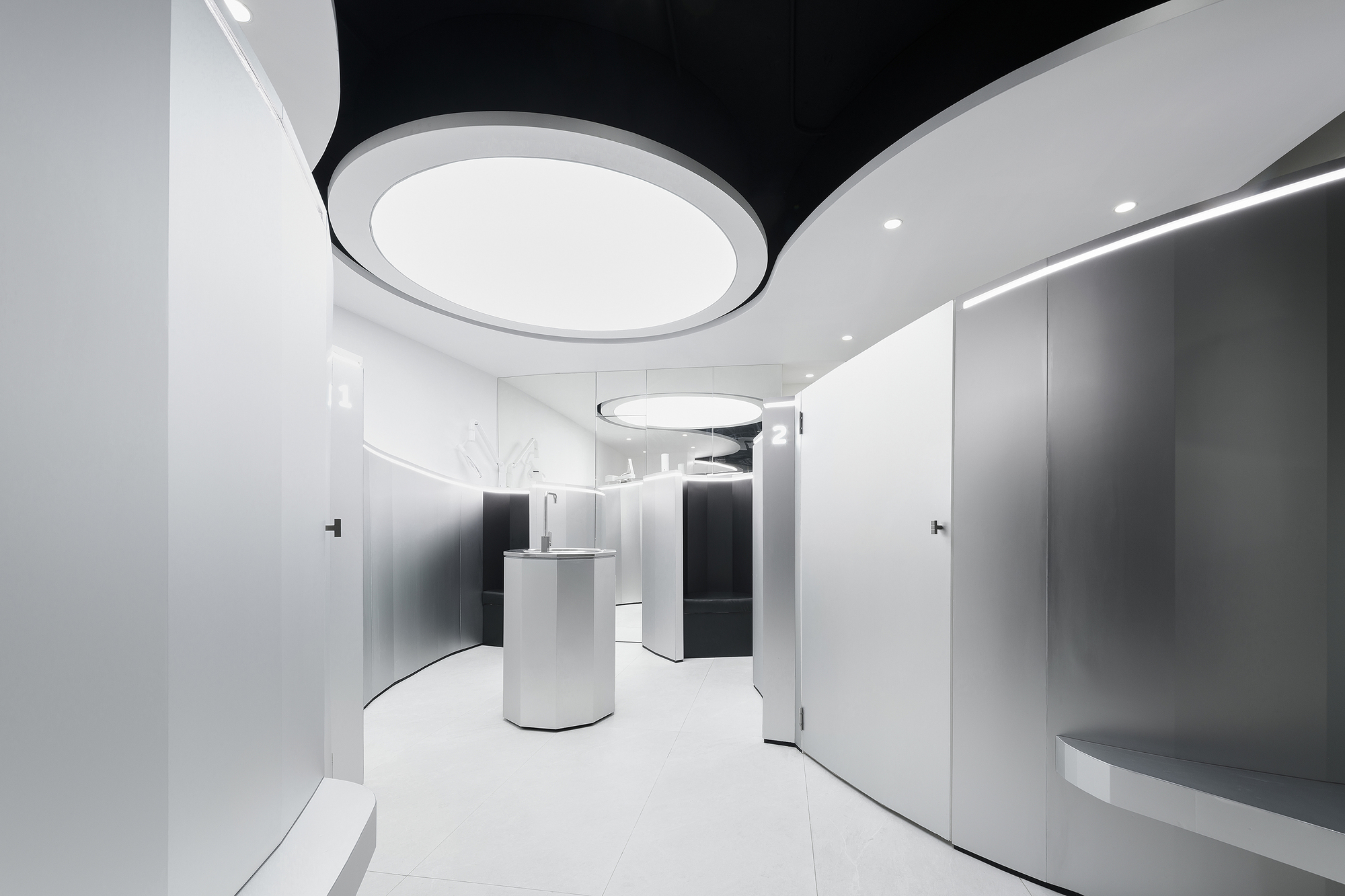
Text description provided by the architects. Inspired by sci-fi set design, Gelato Messina Cronulla draws from romantic visions of the future. A grid of oversized, underlit circular lights hovers over a space that is many things at once: gritty, reflective, warm, and bold. Our fourth project with Gelato Messina, the brief was to evolve both the brand and the spacesomething unique and distinct from their other stores, something experimental and futuristic.
it's little surprise that Clara Jung and her husband, Sam Zun, found their own countercultural path there. For more than a decade, the Bay Area lawyers escaped to Sea Ranch rentals each New Year, a head-clearing ritual through fertility struggles, the surrogacy journeys that brought their two children into the world, and Jung's pivot from corporate law to interior design.
Bottega Veneta has opened a new store at 58 Gansevoort Street in New York's Meatpacking District. The 312 square-meter interior occupies a ground-floor footprint within the low-rise fabric of the neighborhood, maintaining direct visual contact with the street through a restrained storefront and generous glazing. The plan reads as a sequence of open rooms rather than a single continuous floor. Sightlines extend from the entry toward the rear of the store, where shelving structures and freestanding furniture establish depth without enclosure.
Long before a refreshing mint julep can hit your lips, grain must be malted, milled, mashed, and fermented, the resulting wash then distilled to concentrate the alcohol. Maturation can take years in a barrel to achieve the desired color, flavor, and smoothness. Good taste takes time. And the same can be said of decorating, as the AD100 titan Robert Stilin discovered while transforming a historic house in Louisville, Kentucky-a labor of love more than a decade in the making.
She would attend events like Burning Man and Ondalinda with friends and party through the night, but upon returning home she kept running into the same issue. "Everything closes just when you feel like you're about to have a great, long evening out," she says. "And things can get messy during the wee hours of the morning at clubs - if they're even open." The only solution, naturally, was to design a private nightclub in her own home.
"This house needed a heartbeat, a pulse, a jolt to bring it to life," says AD100 designer Frances Merrill of Reath Design, describing her resuscitation of a gloriously situated but otherwise undistinguished Aspen mountain retreat from the 1990s. "This wasn't a house that had a lot of history to go back to, so there were questions. How much Alpine do you bring in? How do you conjure a sense of place that feels right for Aspen-and for this family-without resorting to clichés?"
"Every home should have soul, and there is no more effective way to give your home a heartbeat than sourcing vintage," proclaims Alec Broughton, an antique decor expert and founder of Aulde, a Colorado-based design house that restores vintage furniture. As it turns out, home decorators are all-in on adding that pulse. According to the firm Market US, the global market for secondhand furniture is expected to double over the next decade, from $40.2 billion in 2024 to a projected $87.6 billion in 2034. Like vintage clothing, secondhand furnishings are in high demand-and for good reason.
What Chen could not yet know was that this pursuit of simplicity would kick off a decade-long journey that stretched far beyond windows. It would draw in designers from across continents, ambassadors who believed in beauty as connection, and a community of creators bonded not by geography but by a shared desire to design with care. TWOPAGES would become a space where creativity became communal.