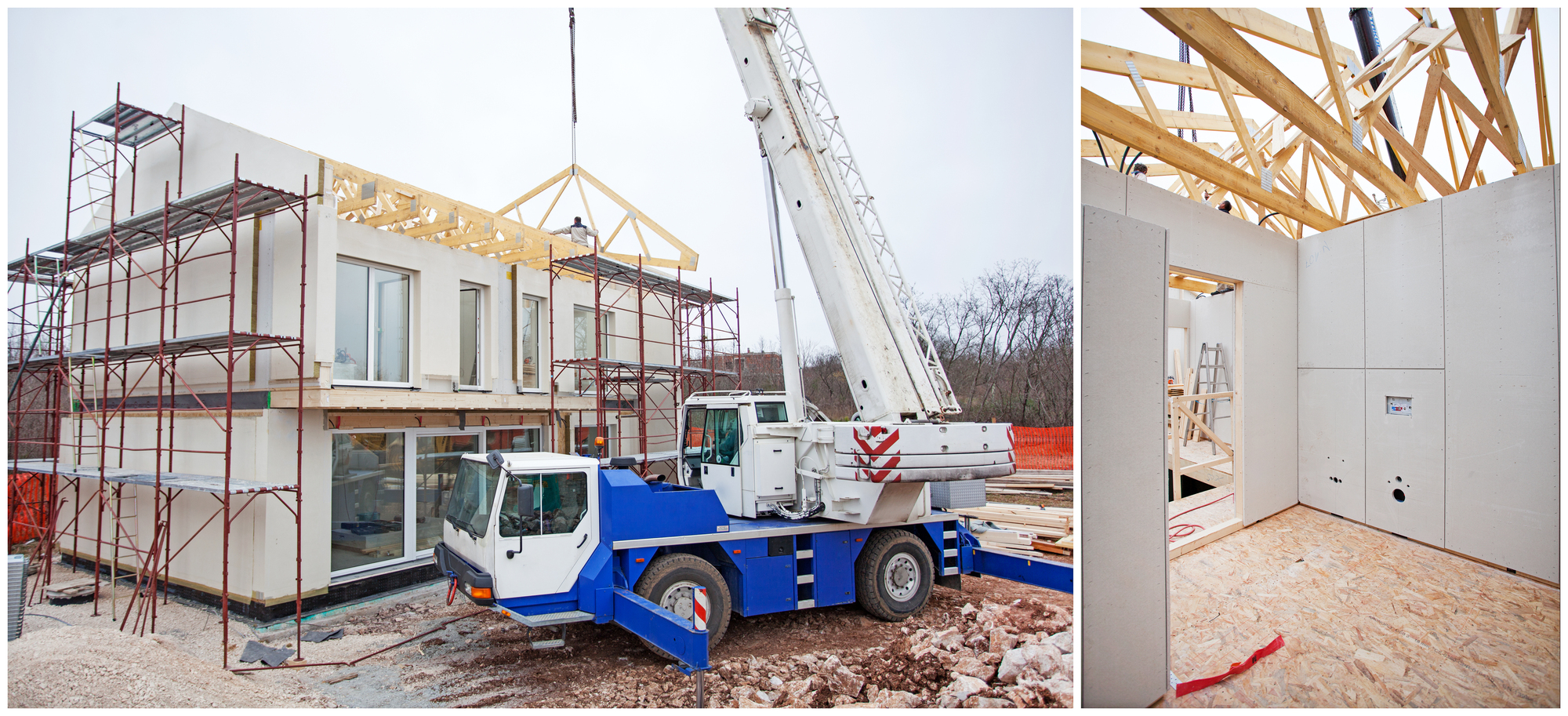
The offsite construction market, including modular and precast systems, is valued at USD 172 billion in 2024 and expected to reach USD 225.7 billion by 2030. The UAE aims for 25-30% offsite content in public projects by 2030, while the UK leads with 15-20% housing using offsite solutions. Offsite construction offers sustainability benefits, including reduced waste and improved quality control. However, true sustainability must consider the full lifecycle of buildings, particularly the performance of the building envelope, which is crucial for energy efficiency.
"Offsite construction has delivered measurable environmental gains, with a peer-reviewed study showing an average reduction of 78.8% in construction waste compared to conventional methods. Under controlled factory conditions, reductions can reach up to 90%, highlighting significant improvements in sustainability."
"True sustainability must be measured over the full lifecycle of a building, which spans 30 to 50 years, including operational performance, maintenance, energy consumption, and material durability. This is where offsite construction still faces challenges, particularly in the building envelope."
"Buildings account for 39% of global energy-related carbon emissions, with 28% from operations and 11% from embodied carbon. As electricity grids decarbonize, embodied carbon is projected to represent nearly half of new building emissions."
Read at ArchDaily
Unable to calculate read time
Collection
[
|
...
]