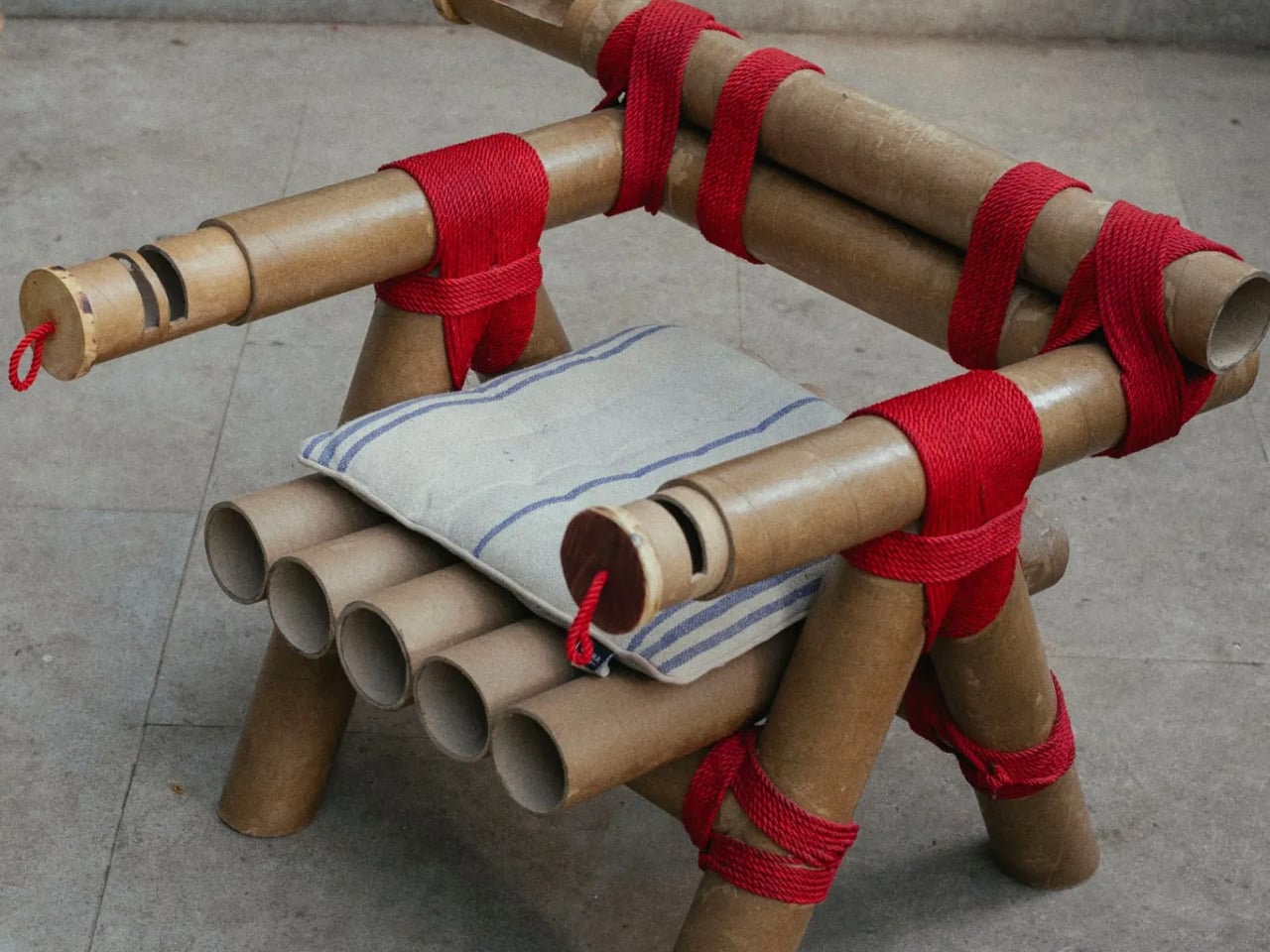
"Cardboard was once seen as just packaging, but it is now becoming a design hero. As sustainability and cost efficiency drive modern innovation, this humble material is being reimagined for far more than shipping boxes. Lightweight, strong, and easily recyclable, it inspires designers to create accessible, eco-friendly products without compromising on aesthetics or performance. From furniture to sleek electronic casings, corrugated fiberboard is proving its versatility and value."
"Cardboard's greatest strength lies in its sustainability. Unlike plastics or materials that demand heavy mining and energy use, it's made mostly from recycled paper and can be recycled repeatedly. Choosing cardboard means supporting a circular economy where resources are reused instead of wasted, a vital step toward protecting the planet's future. Its end-of-life journey is equally impressive. Rather than lingering in landfills, cardboard quickly breaks down and returns to the pulp stream within weeks, ready for reuse."
"Imagine a sustainable construction material made from just soil, water, and cardboard. Researchers at RMIT University in Australia have turned this simple idea into reality with cardboard-confined rammed earth, or CCRE. By replacing traditional concrete and cement with cardboard tubes as permanent casings, they compact moistened soil inside these tubes to create strong, load-bearing structures. This method drastically reduces the carbon footprint, producing only one quarter of the emissions of conventional concrete while costing less than a third."
Cardboard combines light weight, strength, and easy recyclability, enabling designers to produce accessible, eco-friendly products without sacrificing aesthetics or performance. Corrugated fiberboard finds use across furniture, electronic casings, and other durable applications, demonstrating versatility and value. The material supports a circular economy because it is made largely from recycled paper and can be recycled repeatedly, and it biodegrades rapidly, returning to the pulp stream within weeks. Innovative construction approaches like cardboard-confined rammed earth use cardboard tubes as permanent casings to compact soil, producing load-bearing structures with roughly one quarter of concrete emissions and costing less than a third.
Read at Yanko Design - Modern Industrial Design News
Unable to calculate read time
Collection
[
|
...
]