"From the large industrial roofs and galleries of the 19th century to the contemporary atriums of museums and public buildings, glass has been a recurring material in shaping large and monumental interior spaces. More than a technological or engineering solution, these horizontal glazed planes introduce a distinct luminous quality: light that comes from above. Unlike lateral daylight entering through façades, zenithal light is more evenly distributed, reduces harsh shadows, and lends spaces a sense of continuity and openness that is difficult to achieve otherwise."
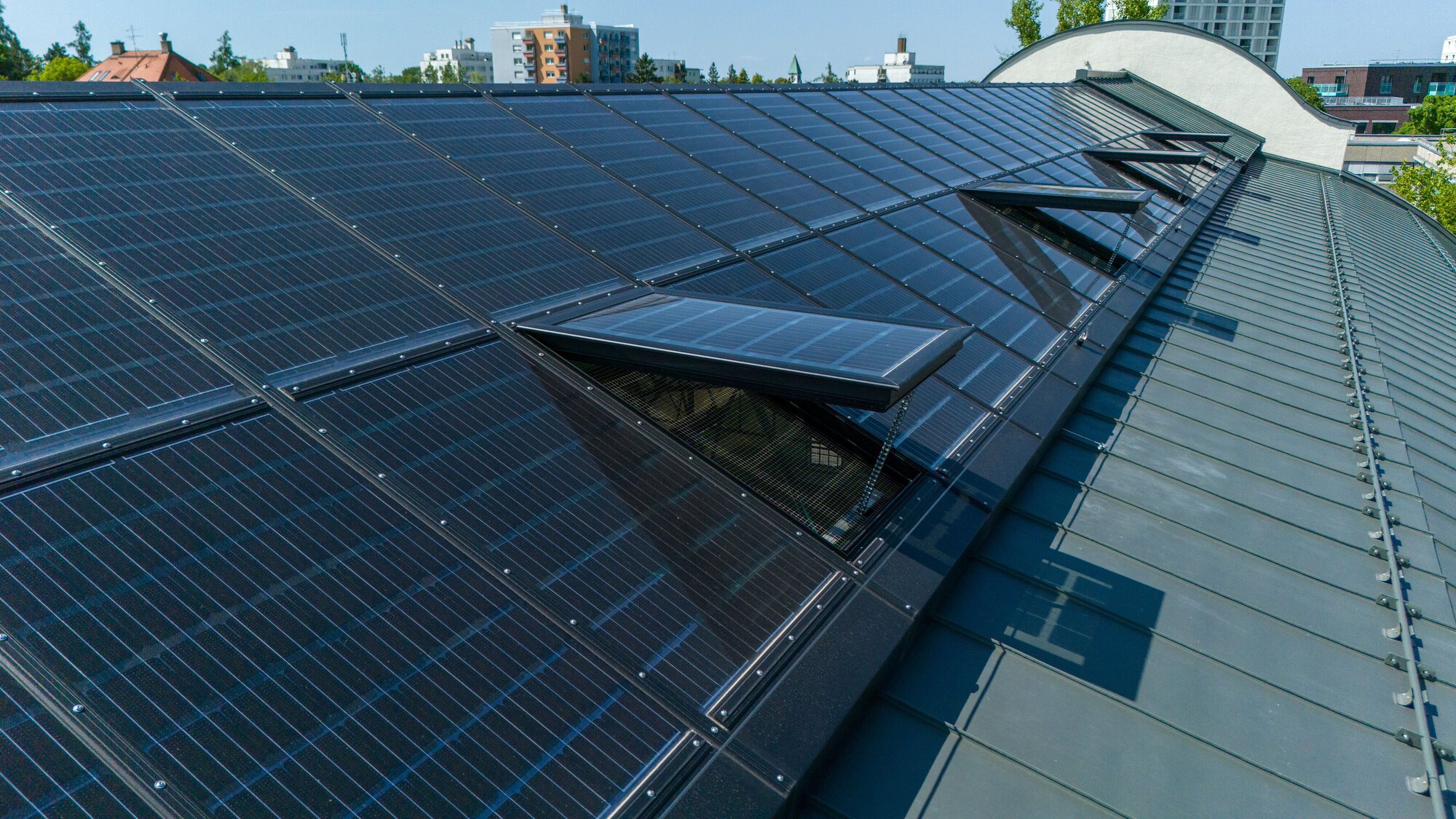
"Against the backdrop of climate urgency, the traditional divide between spatial design and energy performance is being challenged. The roof is no longer seen as a passive boundary, but as an active interface mediating space, climate, and energy in parallel. Rather than treating energy generation as a technical layer added after the design is defined, there is growing interest in solutions that integrate photovoltaics into the primary elements of architecture, such as façades or even glazed planes."
Glass repeatedly shapes large, monumental interiors through horizontal glazed roofs and atriums that introduce zenithal light. Zenithal light distributes illumination evenly, reduces harsh shadows, and imparts continuity and openness distinct from lateral daylight through façades. Light entering from above carries symbolic associations with transcendence and divinity across cultures, heightening interior symbolism. Historically, glazed roofs organized collective, productive, and public spaces, directing movement and defining occupation. Prioritizing full transparency often sacrificed the roof’s potential for solar energy generation. Climate urgency challenges the divide between spatial design and energy performance and prompts integrating photovoltaics into primary architectural surfaces to reconcile translucency and energy production.
#glass-roofs #zenithal-daylighting #building-integrated-photovoltaics #sustainable-architectural-design
Read at ArchDaily
Unable to calculate read time
Collection
[
|
...
]