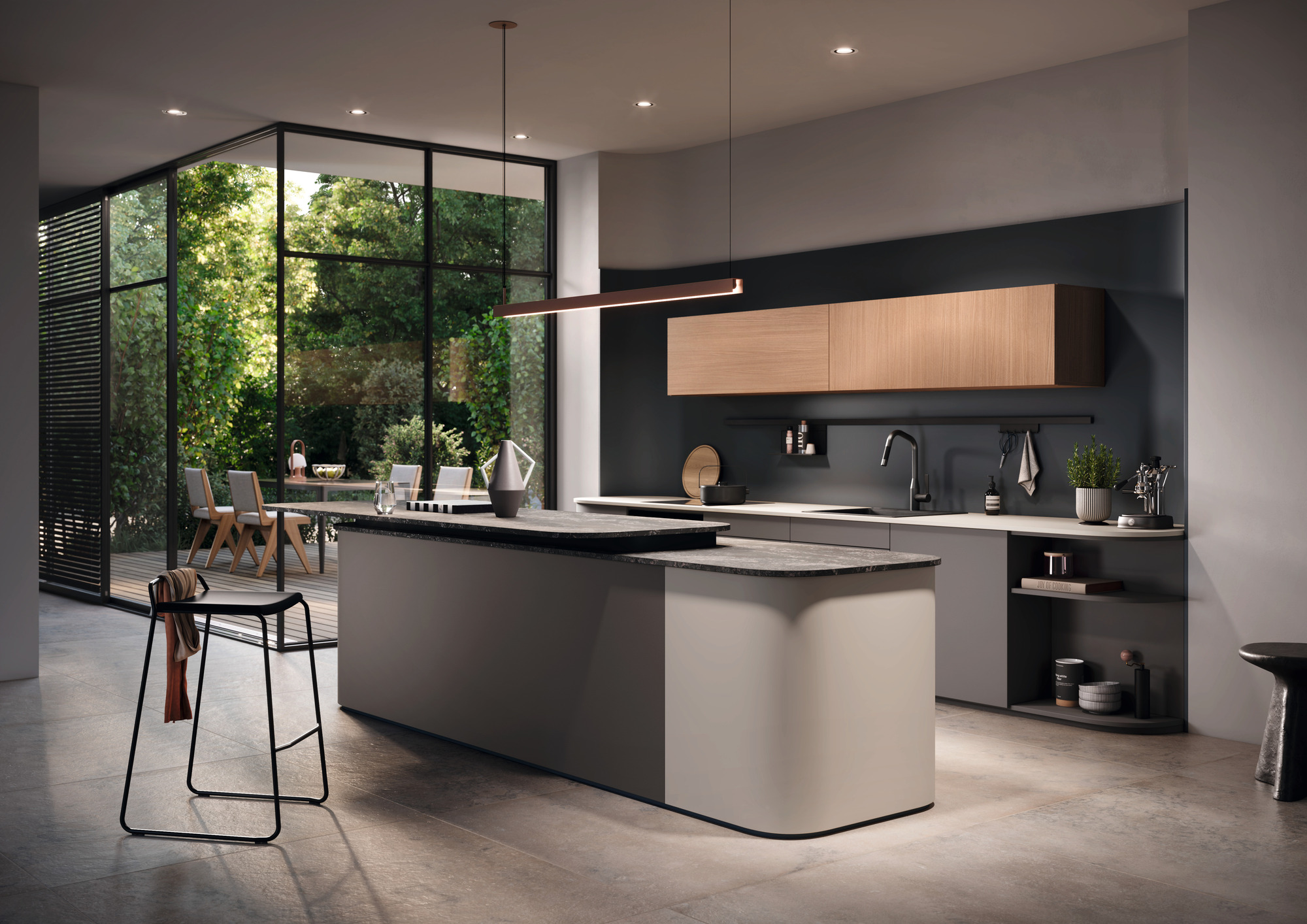
"Designing an interior is, in many ways, an exercise in orchestration. Just as a conductor coordinates instruments, timbres, rhythms, and intensities to compose a coherent piece, the architect brings together materials, color, light, texture, and proportion to define the spatial quality and atmosphere of an environment. None of these decisions operates in isolation: the choice of a surface influences how light is reflected; a given material can shape how a room ages over time; color, in turn, directly affects the perception of scale."
"Wood-based materials such as decorative particleboards, MDF boards or laminates can therefore be understood as more than simple finishes. Industrially produced, they combine decor selection, surface texture, and technical substrate, defining both their appearance and the way a space responds to use, light, and time. Factors such as dimensional stability, ease of maintenance, and resistance to wear become integral to design decisions, particularly in interiors subject to intensive use."
Interior design functions as an orchestration of materials, color, light, texture, and proportion to define spatial quality and atmosphere. Design decisions interact: surface choices alter light reflection, materials influence room aging, and color affects perceived scale. Wood-based panels and laminates act as integrated elements combining decor, texture, and technical substrate, shaping appearance and how spaces respond to use, light, and time. Performance criteria such as dimensional stability, maintenance, and wear resistance guide selections in intensive-use interiors. Systemic surface strategies enable coordinated portfolios—solid colors, wood reproductions, and stone interpretations—paired with textures and technical solutions to ensure visual consistency, adaptability, and long-term performance.
Read at ArchDaily
Unable to calculate read time
Collection
[
|
...
]