#abandoned-fixture-replay
#abandoned-fixture-replay
[ follow ]
fromConde Nast Traveler
1 day agoA First Look at the V&A East Museum-London's Most Exciting New Cultural Addition
"What we wanted to do was to make this about people. When I came into my role, it was exactly at the time that the pandemic began. We built a team, an idea, and a vision through remote work."
London
#architecture


UX design
fromdesignboom | architecture & design magazine
4 days agohow wutopia lab's 'magical realism' turns everyday spaces into ethereal interior atmospheres
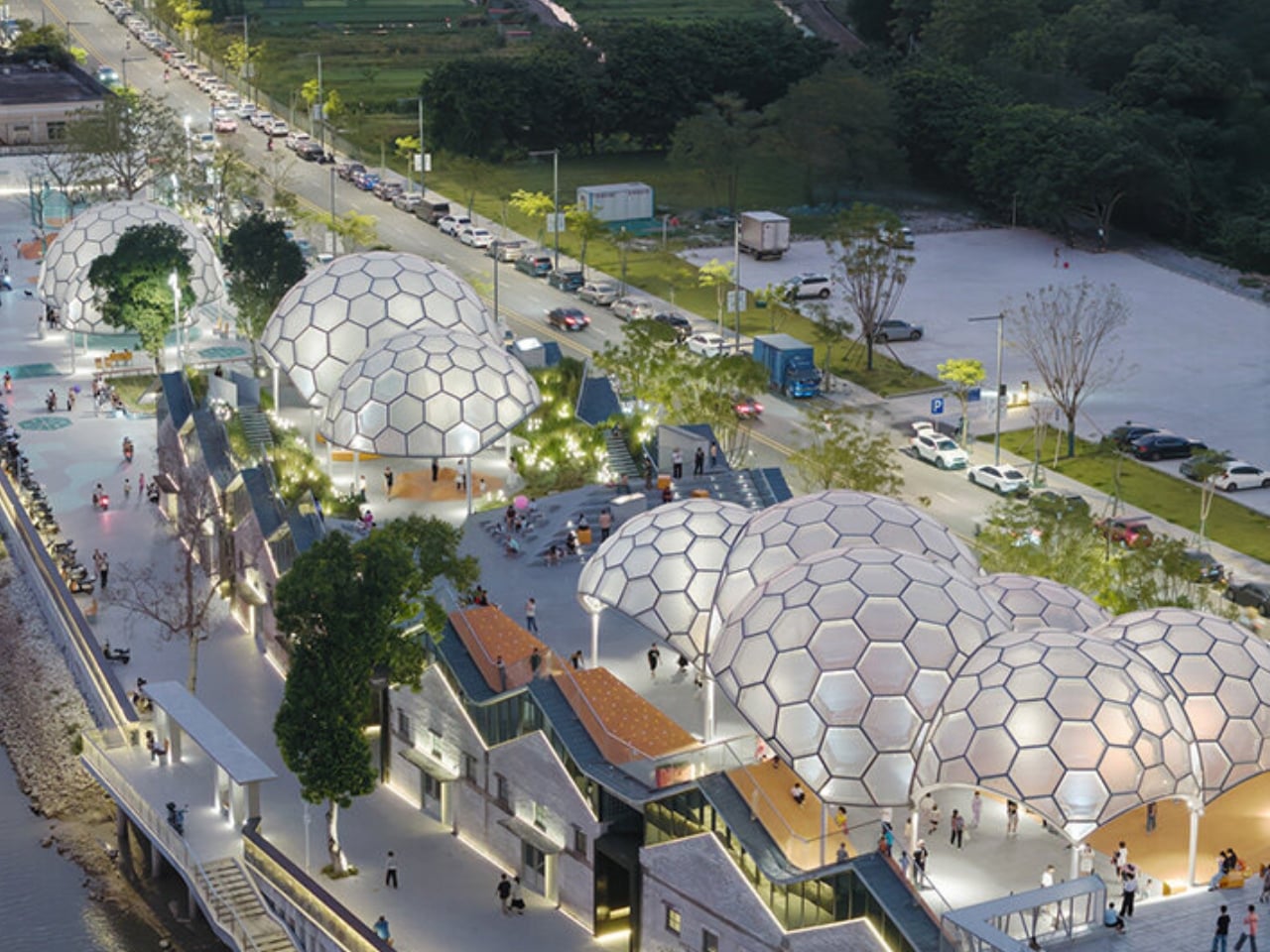
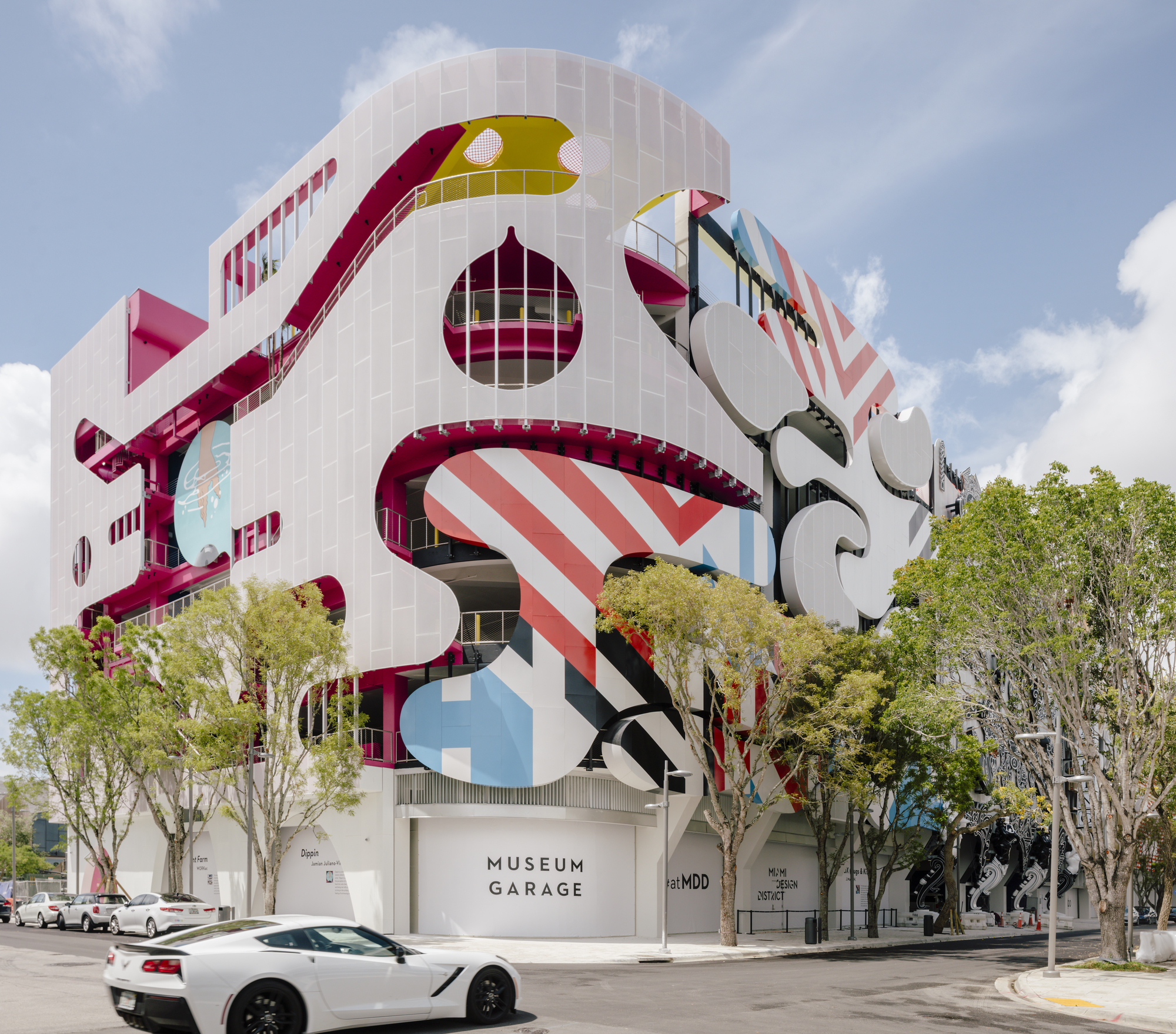
Wutopia Lab creates immersive architectural experiences that transform ordinary spaces into imaginative environments, enhancing perception through design elements like light and geometry.
fromDesign Milk
2 days agoSabah House NYC Pays Homage To Set + Setting
Sabahs are made entirely by hand from 100% leather in either Texas or Turkey—two regions with distinct yet deeply rooted relationships to the material. The result is a shoe that varies subtly from pair to pair, even within the same size.
Brooklyn
fromHyperallergic
2 days agoMoMA PS1's "Greater New York" Is Gritty, Stunning, and Gutting
The curators of Greater New York really captured the energy of the city well - not the out-of-towner's New York with its glossy surfaces, brands, and trendy fare, but the gritty New York that's always in the process of formation, that rejects surface in favor of rawness.
Arts
fromwww.amny.com
2 days agoBig reveal! The Flatiron Building is back after nearly a decade of being covered in scaffolding
Crews have begun shedding layers of scaffolding that kept the Flatiron Building covered since before the COVID-19 pandemic, allowing New Yorkers and visitors to once again bask in its glory.
NYC real estate

Renovation
fromIrish Independent
5 days agoSelf-build story: 'It awakened something in me; I probably did it in a past life. But I've finally found a really creative career that I love'
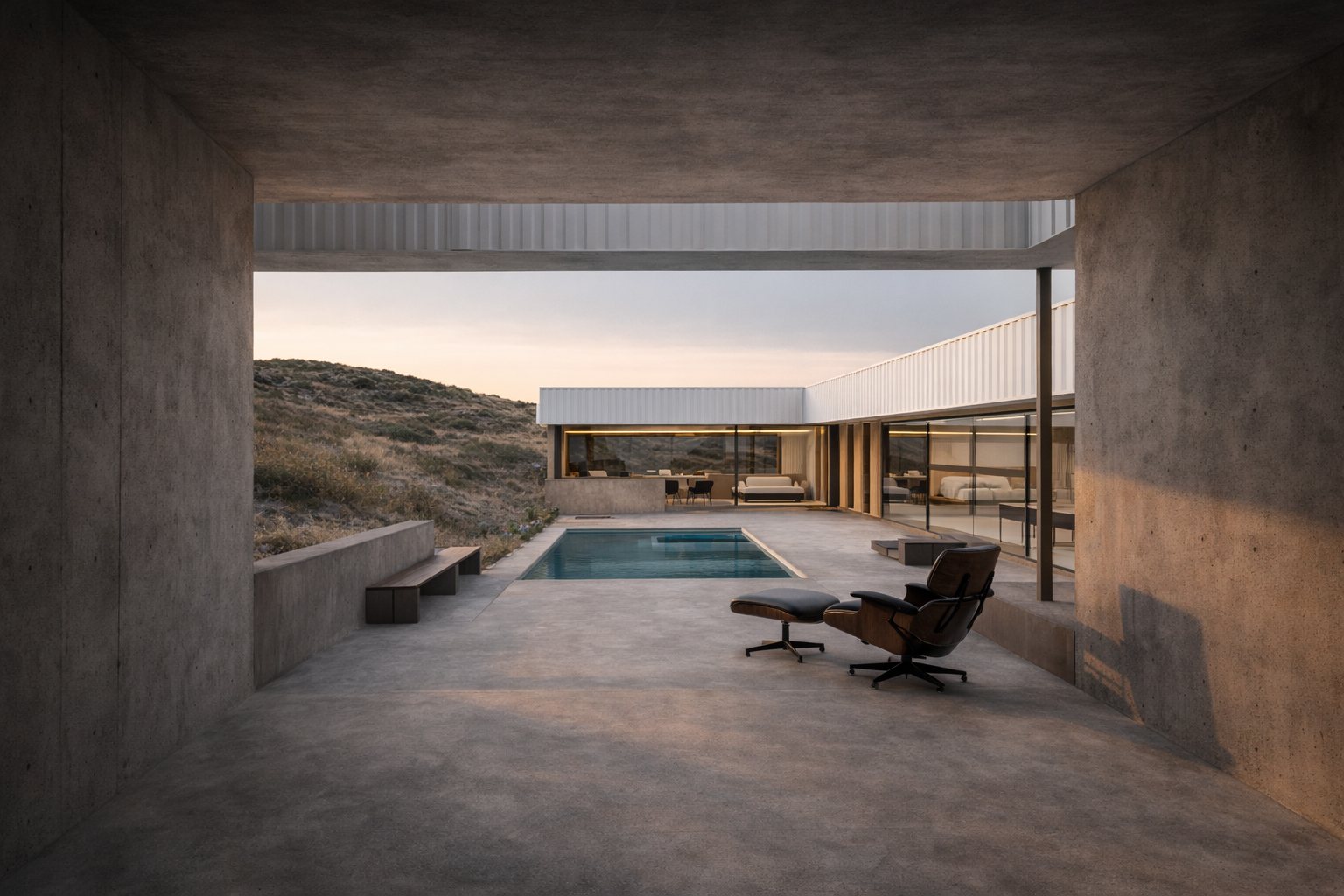
A West Cork bungalow combines Irish and French design elements, focusing on light and texture to create a Mediterranean-inspired family home.
fromArtnet News
3 weeks ago'Reality Decay' Is at the Root of All the Bad News | Artnet News
I realized that we don't really think about it this way, but Sodom was a book about war profiteers, that the four men who perpetrated the atrocious, sexual, violent acts of kidnapping people-girls and boys-to bring them to their chateau to do whatever they want with them, they could do that because they were war profiteers within the war of Louis XIV.
Arts
#historic-preservation
New York City
fromBrooklyn, NY Patch
1 month agoHistoric Brooklyn Homes Preserved Two Months Ahead Of Schedule
A $4 million restoration of the Hunterfly Road Houses at Weeksville Heritage Center preserved four 19th-century structures representing one of the nation's largest pre-Civil War free Black communities.
New York City
fromBrooklyn, NY Patch
1 month agoHistoric Brooklyn Homes Preserved Two Months Ahead Of Schedule
A $4 million restoration of the Hunterfly Road Houses at Weeksville Heritage Center preserved four 19th-century structures representing one of the nation's largest pre-Civil War free Black communities.
fromSFGATE
1 month agoThis ornate maze underneath North Beach is one of SF's most impressive venues
The whole reason we're here is we know something is impossible, but we also know it's inevitable. He pulled off a trick where a member of the audience mixed up a Rubik's Cube, then Blake presented a second cube with identically arranged colors, demonstrating the paradox of magic where the impossible becomes inevitable through skillful illusion.
San Francisco
fromParade
1 month agoBeloved 107-Year-Old Theme Park Is Officially Being Demolished
It is with heavy hearts we would like to share with you personally that this season at Coney Beach will be our last. It's the end of an era. For over 100 years we and other showmen and their families have lived and worked in Porthcawl helping to make it a busy seaside destination bringing fun, laughter, and fond memories to so many.
Travel
SF real estate
fromLos Angeles Times
18 years agoHere, time stood still
Scott Bakula's former Ojai home, originally listed at $1.8 million in the mid-'90s, is now on the market for $4.3 million, featuring extensive gardens, orchards, and architectural elements inspired by Greene & Greene and Frank Lloyd Wright.
fromUntapped New York
1 year agoHow Museum Artifacts in NYC Inspired a Novel About a Medieval Witch - Untapped New York
While working on a graduate school paper on the mystical powers of coral, gemologist Anna Rasche ventured deep into the archives of the Cooper Hewitt Smithsonian Design Museum's library. Coral is the most powerful material to ward off the evil eye-a belief Italians have held since ancient times. Romans often gifted newborns coral amulets to prevent sickness and bad luck.
Books

fromJeffersongraham
1 month agoA Guide to Exploring New York's Amazing Underground Museum
While most people think of the New York subway as a way to get somewhere, I happen to think of it as one of the greatest art museums in the world - and it only costs $3 to get in. As long as you don't go through the turnstiles, you can go from station to station all day long marveling at the wall art.
NYC music
fromianVisits
2 months agoLondon's Alleys: Alderman Stairs, Wapping, E1
The story of this corner of London runs deep. The roots of settlement here stretch back to the 10th century, when King Edgar granted 13 acres of riverside land to 13 knights (yes, an acre per knight), with permission to use it for trading along he river. By 1125, there was already a dock at St Katharine's. Over the centuries, the area grew into a small but busy community, complete with a hospital, a monastery, a school, almshouses and its own court.
History
fromwww.theguardian.com
2 months agoArchaeology against the clock: the race to salvage fragments of early Brisbane
In a white and sterile office that could belong to any one of the warehouses that dot this industrial strip between Brisbane's airport and horse-racing precinct, a young woman is engrossed in a puzzle. Only this puzzle comprises, perhaps, three different sets, each almost (but not quite) identical to the other and none likely to be completed. Emily Totivan wears blue plastic gloves. She is an archaeology student helping to catalogue artefacts.
Science
fromUnofficial Networks
2 months agoExploring An Abandoned New Hampshire Ski Area
New Hampshire, like several states in New England, is home to a ton of abandoned and forgotten ski areas. Many of them have completely faded, recognizable only by the slight appearance of a trail or two. Others still have buildings, lift parts, and other lost equipment spread throughout the area. Mount Whittier in West Ossipee, New Hampshire, is one of those abandoned areas that still visible through buildings and gear. Avery Zucco explored the area, finding lift poles, buildings, gear, and much more.
Snowboarding
fromApartment Therapy
2 months agoThe 150-Year-Old Useful Gem Hiding in Every Thrift Store
As someone who loves vintage things, you can find me at my local thrift store regularly. I enjoy stocking my closet with secondhand finds and finding gifts or unexpected storage gems instead of buying them new. The thrill of the hunt is ultimately what keeps me going back time after time. Whether I have 10 minutes or an hour to peruse, flipping through clothing racks and scouring the shelves always brings me joy,
Fashion & style
fromArchDaily
1 month agoHeritage Without Permanence: When Architecture Endures by Disappearing
A Gothic cathedral can take centuries to complete. A world exposition pavilion may stand for six months. A ritual structure in Kolkata rises and vanishes within five days. Yet each draws pilgrimage, shapes collective memory, and reorganizes urban life. If heritage has long been defined by what endures, architecture repeatedly shows that cultural authority can also belong to what gathers people.
Design
fromArchitectural Digest
2 months agoDesigning When Your City Is Under Siege
Life doesn't pause for grief or fear. You might be going through something devastating but you're still packing lunches, still driving your kids to baseball practice, still showing up to work. One minute I find myself prepping for a whole home presentation and the next minute I'm checking the news, hoping and praying that no one has been killed on the streets today.
Design
Arts
fromArchDaily
1 month agoLondon's Brutalist Heritage and Australia's New City: This Week's Review
Architecture increasingly emphasizes social responsibility, adaptive cultural projects, heritage protection, and large-scale urban planning aligning infrastructure, resilience, and long-term civic agendas.
fromSilicon Canals
2 months agoTreasures worth thousands: homeowners discover vintage items hidden in walls during renovation - Silicon Canals
Picture this: you're knee-deep in renovation dust, crowbar in hand, when something unexpected tumbles from behind century-old plaster. A yellowed envelope? A strange metal box? That moment when your heart skips because you realize you might have just found something extraordinary. For some lucky homeowners, these discoveries turn out to be worth thousands of dollars, transforming a simple home improvement project into an unexpected treasure hunt.
Renovation
fromArchDaily
2 months agoShaping Architectural Continuity: 25 Revitalization Projects Across Historic, Industrial, and Natural Sites
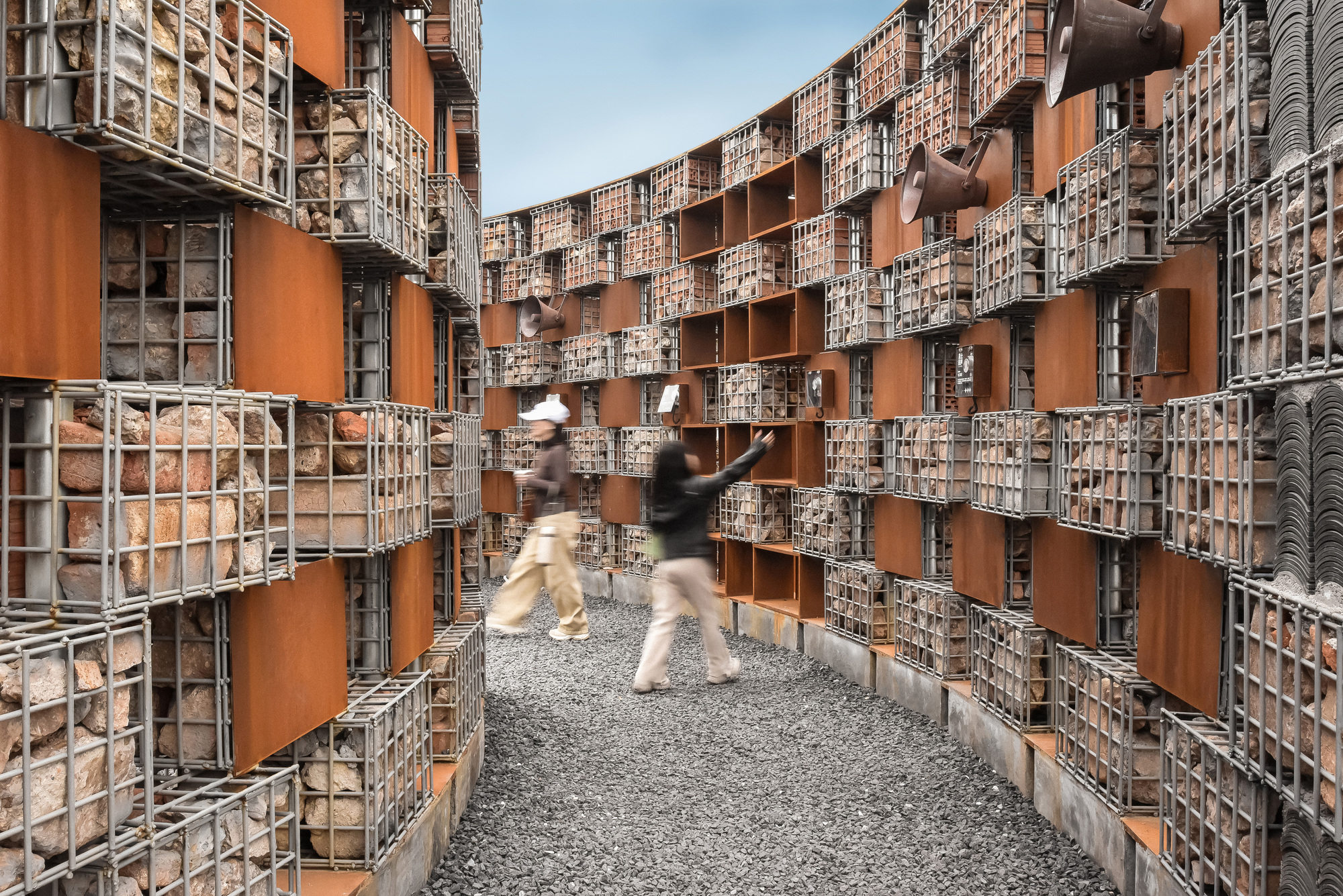
Heritage sites constitute complex spatial archives in which architecture, history, and collective memory converge. They encompass a wide spectrum of contexts-from archaeological remains, ancient and historic townscapes, UNESCO-listed landscapes, to early modern civic structures and industrial infrastructures. Yet these environments confront challenges: climate change, urban transformation, disaster, shifting social needs, and the gradual erosion of material fabric. Revitalization and restoration projects respond to these conditions by positioning architectural and spatial practice as an active mediator between preservation and the contemporary topologies.
Renovation
[ Load more ]