#historic-preservation
#historic-preservation
[ follow ]
#adaptive-reuse #architecture #white-house #urban-planning #urban-development #green-wood-cemetery #renovation
#green-wood-cemetery
Brooklyn
fromThe Art Newspaper - International art news and events
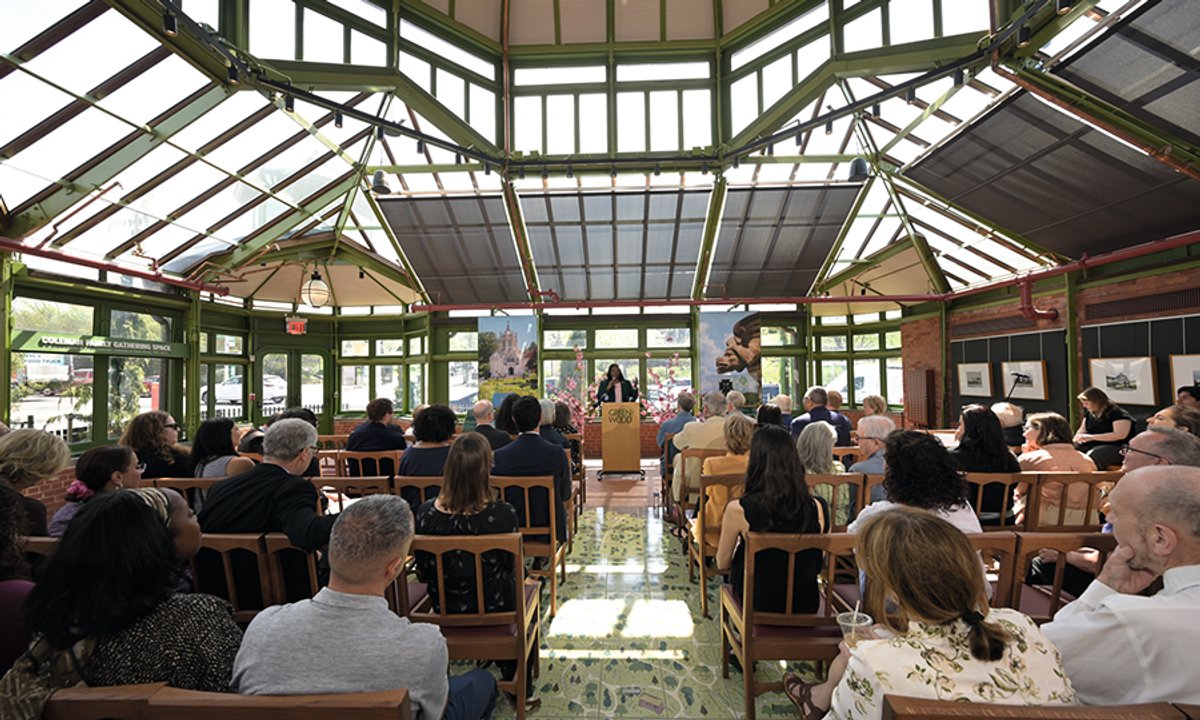
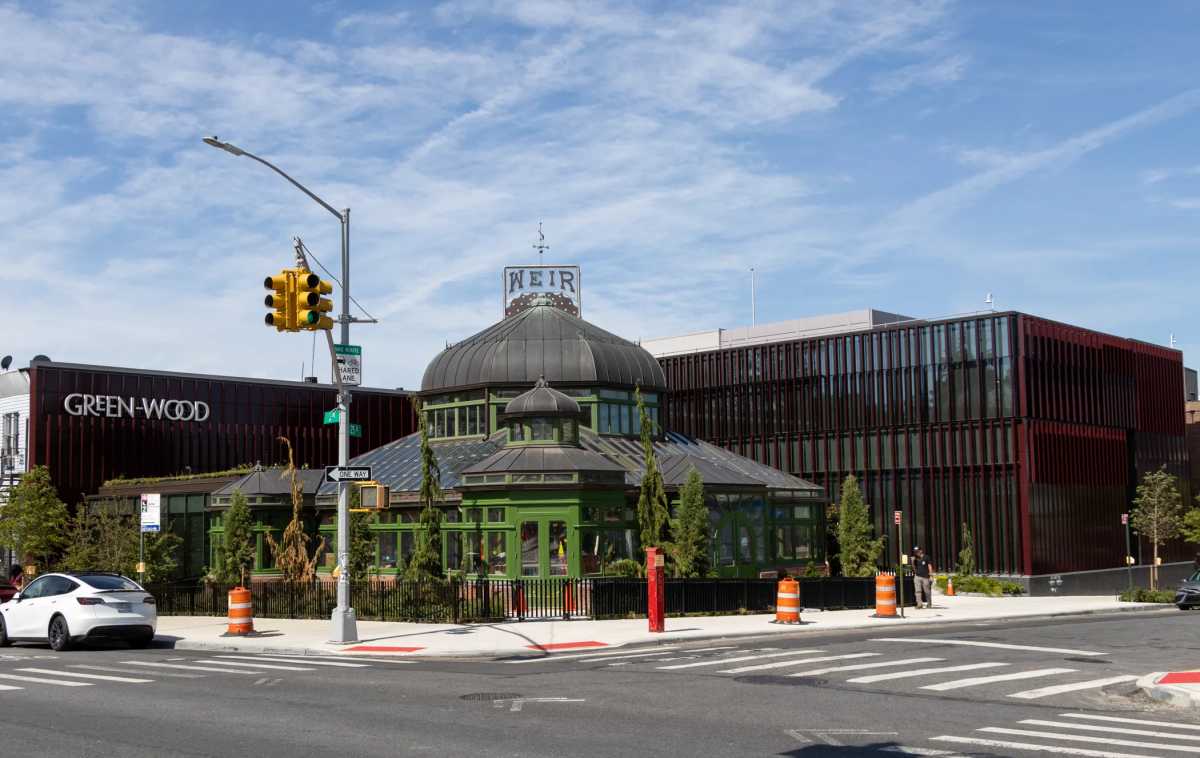
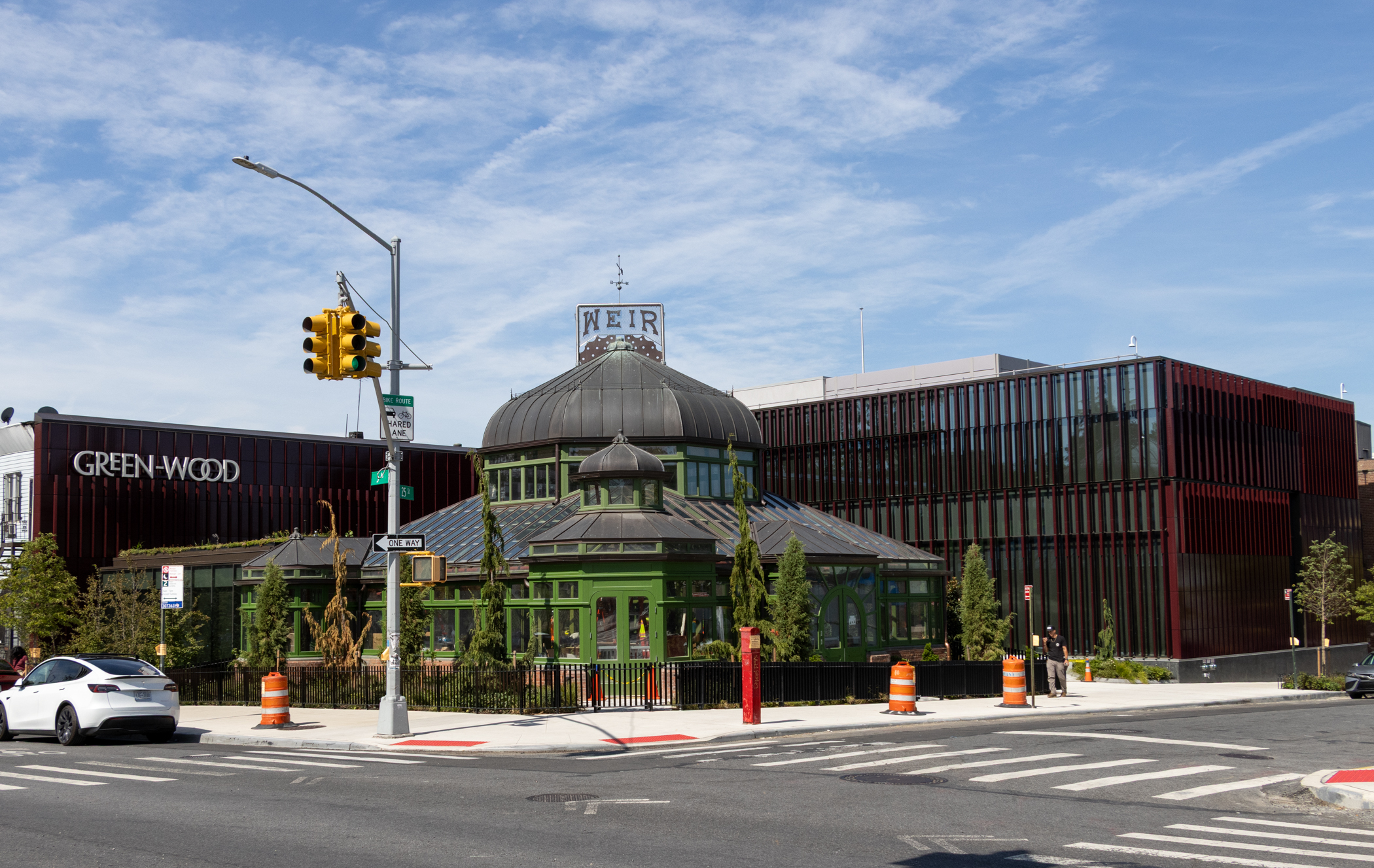
3 days agoRestored Victorian greenhouse links Green-Wood Cemetery to its living neighbours
Green-Wood Cemetery, established in 1838, now features a new welcome center to enhance community engagement and appreciation for its historic landscape.

fromABC7 San Francisco
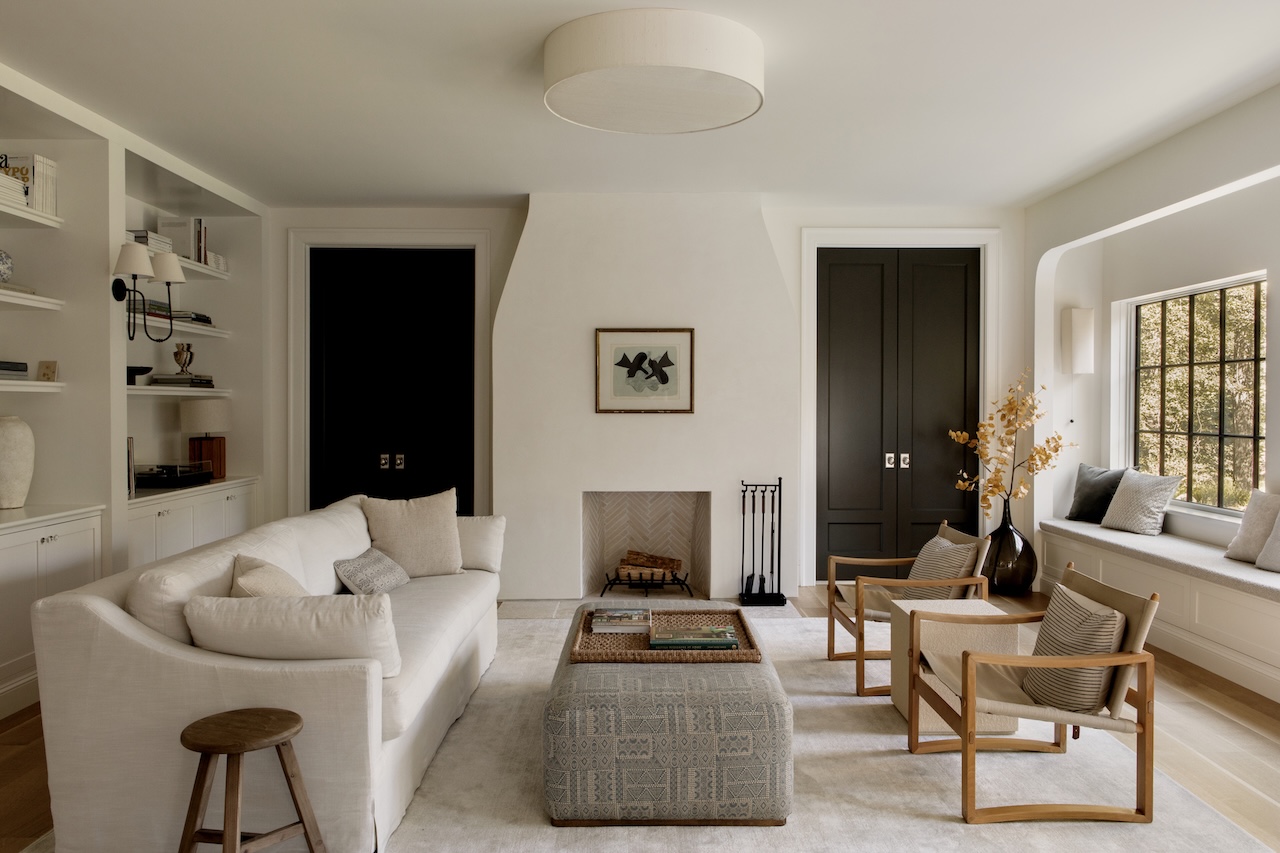
2 weeks agoOakland's historic Camron-Stanford House damaged by overnight fire: 'Tremendously heartbreaking'
The fire burned portions of the Camron-Stanford House, a three-story Victorian on the southern end of the lake. Firefighters were able to save the home, but preservationists have questions about how the fire started.
East Bay (California)

fromSan Jose Inside
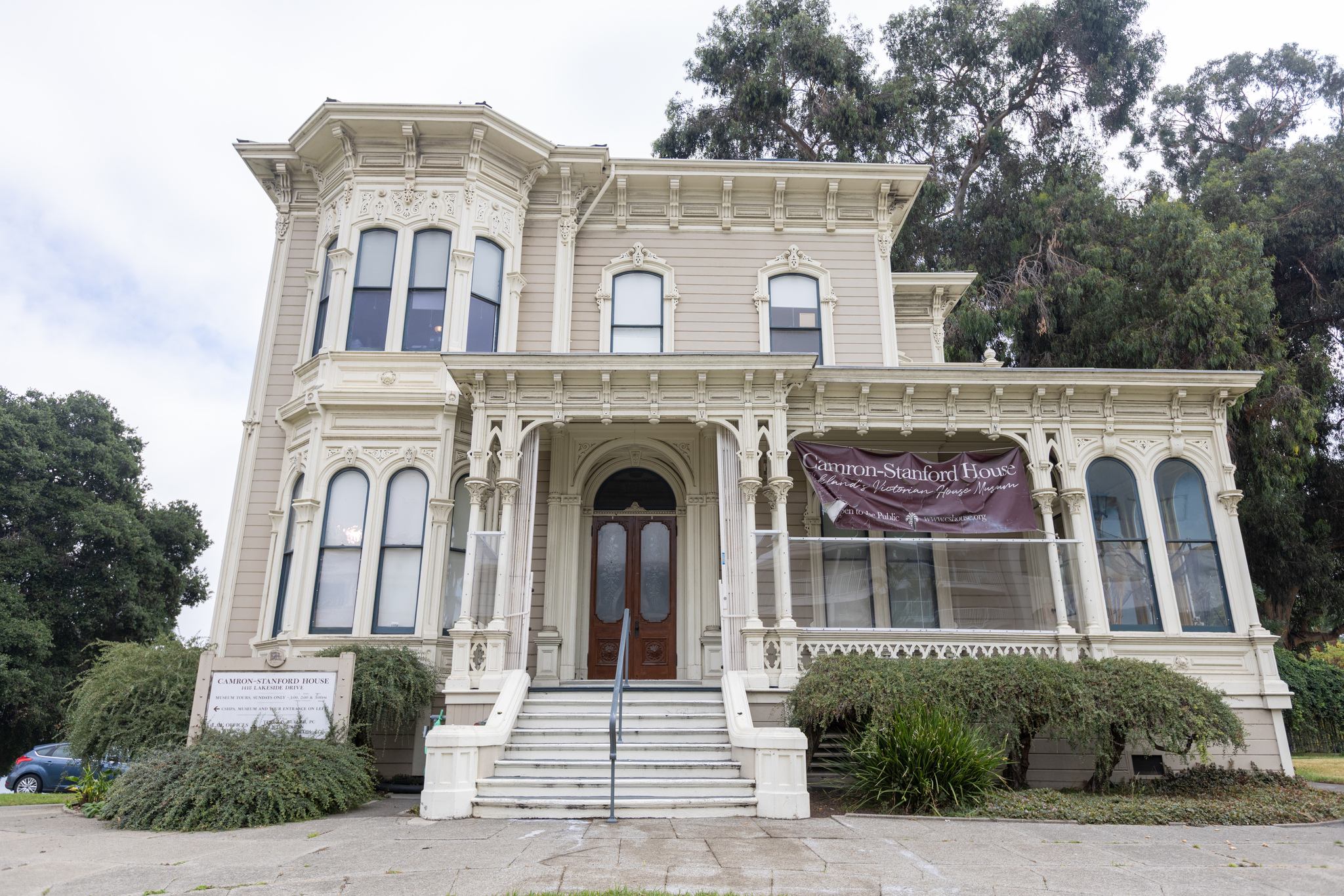
2 weeks agoCounty and Partners Celebrate Completion of Unique Affordable Housing Project
"To address housing affordability in our community, we need all types of affordable housing options, including affordable ownership opportunities that allow individuals and families an opportunity to build equity alongside housing stability," said Santa Clara County Supervisor Betty Duong.
East Bay real estate
fromAbove the Law
2 weeks agoTrump Gets Brutal News Flash: The White House Ain't Mar-A-Lago - Above the Law
Judge Leon stated, "no statute comes close to giving the President the authority he claims to have," highlighting the limitations of presidential power regarding national landmarks.
Washington DC
fromSmithsonian Magazine
2 weeks agoThis Secret Passageway May Have Been Part of the Underground Railroad. Now, Preservationists Say It's in Danger
To find a previously undiscovered Underground Railroad site is the holy grail of historic preservation, according to attorney Michael Hiller, representing the Merchant's House Museum.





NYC LGBT
fromLGBTQ Nation
1 month agoMAGA lawmaker rages at Pride flags in Gettysburg: They "overshadow the history"! - LGBTQ Nation
Pennsylvania state Sen. Doug Mastriano demands Pride flags be removed from Gettysburg businesses, claiming they dishonor the town's Civil War heritage and threaten its tourism-based economy.
#adaptive-reuse


Renovation
fromwww.archdaily.com
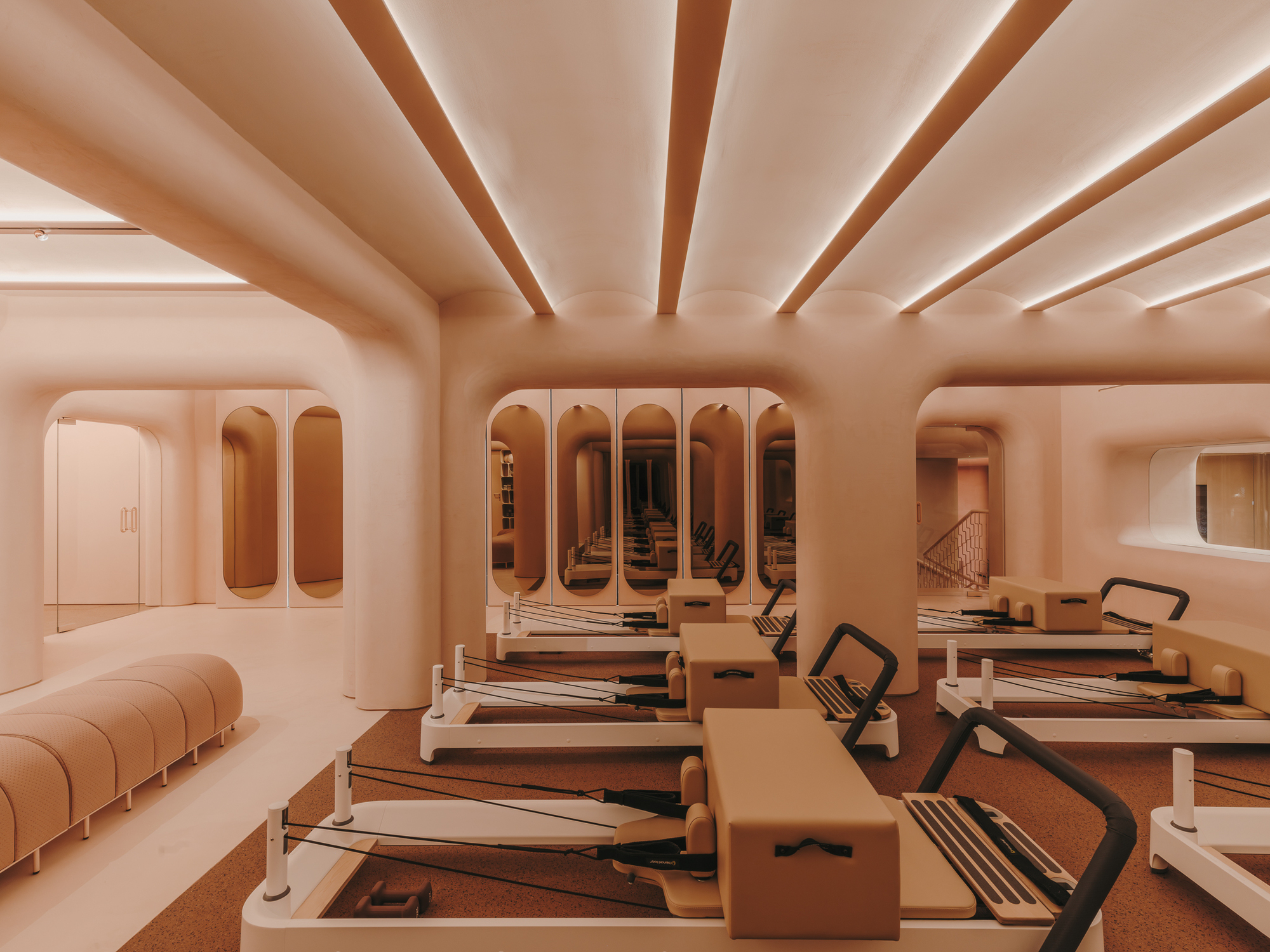
1 month agoRepeat Wellness Club / MEAN* (Middle East Architecture Network)
A former commercial space with accumulated traces of previous tenants was transformed into a continuous spatial sequence through architectural rehabilitation while preserving the historic facade.
Renovation
fromdesignboom | architecture & design magazine
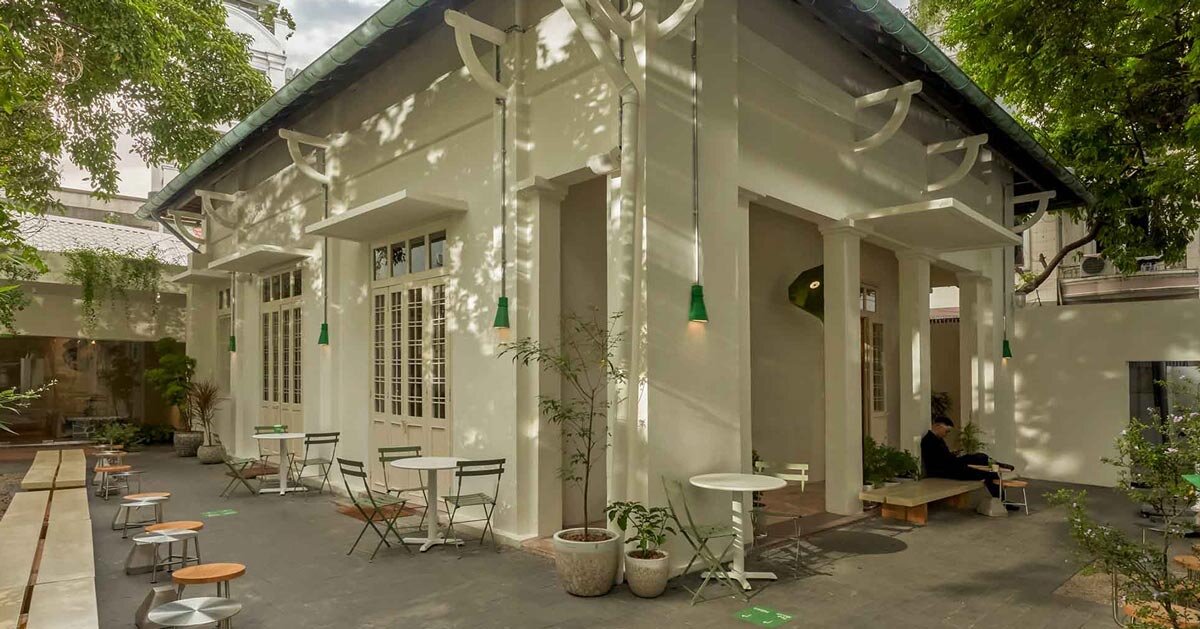
1 month agocentury-old courtyard villa in vietnam revives as matte teabar flagship
The Lab Saigon transformed a century-old French villa into a contemporary teabar by preserving historic architecture while introducing modern monolithic elements that create spatial contrast and functional organization.
SF real estate
fromArchitectural Digest
1 month agoAn Albert Frey and Hugh Kaptur Classic Reawakens in Palm Springs
Ronnie Sassoon and James Crump restore the Burgess House, a neglected midcentury modernist desert residence designed by Hugh Kaptur and Albert Frey, bringing proper recognition to its architectural significance.
fromRemodelista
1 month agoScavolo Borgo Hotel: A Restored Historic Tuscan Village Retreat
Working with architect Lorenzo Giordano, the team approached the project as a thoughtful rehabilitation. An aluminum rooftop sits lightly on old masonry; new terrazzo floors by Cuor di Roccia meet terracotta tiles; steel stair housings pair with restored plaster and arched openings. The contrasts are deliberate, revealing each layer of the site rather than hiding it.
Renovation
fromwww.berkeleyside.org
1 month agoFate of historic Berkeley building (and family home) hangs in the balance as tax debt looms
After years in an ownership black hole, with community members donating their time and dollars to keep it from falling apart, the next chapter of Berkeley's Old Finnish Hall will soon be up to the county auction block. The 1908 building has racked up nearly $1 million in back property tax to Alameda County, a mushrooming liability years in the making that shows no signs of abating.
Fundraising
fromwww.archdaily.com
1 month agoPoetry Anthology of Light / P.M.A.Studio
This project involved the reconstruction of a dilapidated building located in Guangzhou's old town along Tongfu Xi Road, a historic street established in 1926. Once vibrant, this area has suffered from significant neglect over the years, with many buildings falling into disrepair, creating safety hazards that forced both residents and businesses to leave.
Renovation
London food
fromTravel + Leisure
1 month agoOne of Texas's Cutest Small Towns Is Less Than an Hour From Dallas-and It's Known as 'Gingerbread City'
Waxahachie is a Victorian-era small town near Dallas featuring distinctive architecture, a vibrant historic square, and a unique blend of heritage preservation with modern amenities.
fromdesignboom | architecture & design magazine
1 month agomosaic gradients and graphic pasta motifs animate restaurant's interiors in vietnam
The spatial sequence begins at the entrance, where an open pasta laboratory replaces the conventional reception area. Positioned directly at the front of the restaurant, the glass-enclosed workspace allows visitors to observe the preparation of fresh pasta. The visible process of kneading and shaping dough establishes a direct relationship between the kitchen and the dining space while introducing the restaurant's focus on handmade production.
Design
NYC real estate
fromPortland Monthly
1 month agoThis Historic Nob Hill Condo Has a Fresh New Look
The American Apartment Building, constructed in 1911 on Nob Hill, exemplifies the neighborhood's transformation from mansions to modern apartment complexes driven by the Lewis and Clark Exposition and streetcar expansion.
#housing-development
Boston
fromBoston.com
1 month agoAfter ambitious state law, Lexington welcomed a wave of new housing. Now people there are having second thoughts.
Lexington, Massachusetts is experiencing rapid housing development with 1,600 new units planned under the MBTA Communities Act, transforming a historically-focused community into a housing boomtown while residents grapple with infrastructure and preservation concerns.
NYC real estate
fromGothamist
1 month agoFight brews in NoHo over apartment complex planned for parking lot site
A proposed 200-unit apartment complex on a NoHo parking lot faces opposition from preservationists who argue its 18-story design conflicts with the historic district's character, while housing advocates support the development to address the city's housing shortage.
fromArchDaily
1 month agoOrms Appointed to Lead Redevelopment of London's BT Tower into Hotel
BT Tower, one of London's most recognizable postwar landmarks, is set to be converted into a hotel. London-based architecture practice Orms has been appointed to lead the redevelopment following the acquisition of the Grade II-listed tower by the American hospitality company MCR Hotels in early 2024.
London
fromArchitectural Digest
1 month agoA Craft-Forward Restoration of a 19th-Century Schoolhouse Channels the Uninhibited Spirit of an Old Circus
I wanted something that felt a little more freaky within the town while still honoring its history. Her vision was a retreat that encouraged guests to embrace their weirdness and put it on display. Dev imagined an aesthetic loosely inspired by an old circus, hearkening to a place where everyone is accepted and eccentricity is the norm.
Portland
fromwww.theguardian.com
1 month agoDismay as ancient heritage sites across Iran damaged in US-Israel bombing
The most serious confirmed damage to date has been to Tehran's Golestan palace, dating back to the 14th century, and the 17th-century Chehel Sotoon palace in Isfahan. Judging from videos and public statements, neither historic building was hit by a missile directly but the shock wave from nearby blasts and possibly some missile debris, shattered glass and brought down tiles and masonry.
World news
fromdesignboom | architecture & design magazine
1 month agoYYAA rebuilds the eastern half of a prewar rowhouse in japan
The clients chose to remain in Yagi-cho while contributing to the continued use of its older building stock. With the support of a local non-profit organization involved in community development, they acquired the eastern portion of a large two-unit rowhouse that had remained vacant for nearly three decades.
Renovation
fromwww.amny.com
1 month agoA tale of two Manhattan churches: Landmarks Preservation Commission weighs landmarking one house of worship, demolishing another | amNewYork
The Catholic Church of Saint Mary at 440 Grand St. on the Lower East Side was built in 1833 with a Romanesque Revival facade designed by prolific architect Patrick Charles Keeley in 1864. Keeley, the church's architect, designed nearly 600 churches during his career, but this would mark the first of his works to be landmarked in New York City.
Upper West Side

Berlin
fromLondon Unattached
1 month agoBertrand's Townhouse - boutique hotel in Bloomsbury - review
Bertrand's Townhouse, a new 43-room 4-star boutique hotel in Bloomsbury, opened in December 2025 near the British Museum, preserving Grade II listed Georgian features while honoring the area's intellectual heritage.
Renovation
fromBrownstoner
1 month agoA Colonial Revival in Prospect Park South Asks $3.1 Million
A Colonial Revival house built in 1905-1906 in Prospect Park South retains original architectural features including wood floors, grand staircase, built-ins, and stained glass while incorporating modern updates.
Renovation
fromThe Art Newspaper - International art news and events
1 month agoMonumental Rubens ceiling painting revealed once more after two-year renovation
Rubens's monumental Whitehall Ceiling at Banqueting House reopens after extensive renovations, now featuring wheelchair accessibility and improved climate control systems.
Travel
fromTravel + Leisure
1 month agoI've Lived in the South for 30+ Years-This Is the Most Underrated City Everyone Should Visit Once
Winston-Salem transformed from a tobacco industry hub into a culturally vibrant Southern destination by preserving and repurposing its industrial and historic spaces.
fromCalifornia Post
1 month agoBrady Bunch homeowner reveals her HBO exec husband was furious $3.2M was spent - as it's made designated landmark
It feels like you walked into your childhood home when you were 10-years-old. No one can get this feeling anywhere else. I have to have it. What if someone drops a meatball on the sofa or something? I would have a nervous breakdown.
LA real estate
Silicon Valley real estate
fromLos Angeles Times
9 years agoMountain-lodge home in Santa Monica draws inspiration from its roots
A Santa Monica mountain lodge-style home built in 2014 incorporates salvaged materials from an original hunting cabin that previously occupied the site, including stones, eucalyptus wood, and Montana lodgepole pine framing.
fromwww.archdaily.com
1 month agoGunia Project Showroom / Temp Project
The new flagship showroom of Ukrainian brand Gunia Project occupies the ground floor of a late-19th-century building on a historic street near the Golden Gate where old Kyiv once began. After three months of careful searching, the chosen space revealed both clear advantages and notable challenges.
Renovation
fromLos Angeles Times
41 years agoRoots Run Deep at Rios Adobe : Landmark in San Juan Links Family to Its Past
I love this house. There's no question that it's the focal point of our family, of all our traditions. It's like a museum, a museum that's always open. Artifacts, furniture, family--they're all here. And I grew up with the history around me. I lived it. I think that's why I don't feel any confusion about my role as a modern person as well as a person who's part of old tradition.
Mission District
San Francisco
fromsfist.com
1 month agoField Notes: Rare SF Tree Map, Dad Punk, and the Fight for Reproductive Rights in 1960s SF
San Francisco preserves memories of the deceased through historic structures like the Columbarium, interactive installations like the Heaven Phone, and community landmarks that honor those who have passed.
fromLos Angeles Times
36 years agoPickfair, Relic of Golden Age of Hollywood, Razed
Pickfair, which grew from a $3,000 stable in 1911 to become a rambling, green-gabled melange of American Colonial styles, was said at one time to be the nation's second-most famous residence--after the White House.
LA real estate
fromThe Art Newspaper - International art news and events
1 month agoAt public hearing on Trump's White House ballroom plans, critics pile on
The American public volubly aired its opposition to US president Donald Trump's plans to build a $400m, 22,000-sq.-ft ballroom on the site of the demolished East Wing of the White House in an hours-long online meeting of the National Capital Planning Commission (NCPC) on Thursday (5 March). Led by White House staff secretary Will Scharf, who previously worked as Trump's personal lawyer, the commission is the final procedural hurdle the project needs to clear before construction can begin.
Arts
Renovation
fromArchitectural Digest
1 month agoThis Santa Cruz Cottage Will Eventually Fall Into the Sea-But One Family Bought It Anyway
A Santa Cruz coastal cottage overlooking Monterey Bay was renovated into a boatlike retreat for a family of six, preserving its authentic character while adapting to its precarious bluffside location.
fromUnofficial Networks
1 month agoSkiing Through A Genuine California Gold Mining Ghost Town
After a mine cave-in revealed a rich vein of ore Bodie, California became a thriving town during the years of the California gold rush. It quickly exploded in size and at its pinnacle was home to around had around 2,000 structures and a population of 8,000 people. It went bust in 1881 and what buildings remain standing represents about 10% of its original structures.
Snowboarding
fromBoston.com
1 month agoBuddy's Diner, a Somerville landmark, has been dark for years. Now the city is rallying to reopen it.
As one of the region's last authentic vintage lunch cars, Buddy's was a time capsule, keeping the neighborhood well fed with hot platters of hand-cracked eggs and made-to-order bacon on the cheap. Now it's a mausoleum.
Boston food
Renovation
fromPortland Monthly
1 month agoProperty Watch: The Spanish Revival House That Launched Laurelhurst
A 1911 Spanish Mission-style house in Portland's Laurelhurst neighborhood was saved from demolition through community fundraising and extensively renovated while preserving its architectural character.
East Bay food
fromSan Francisco Bay Times
1 month agoGrand Lake Theatre in Oakland 100th Anniversary Celebration - San Francisco Bay Times
Grand Lake Theatre in Oakland celebrated its 100th anniversary on March 4, 2026, with free classic films, Mighty Wurlitzer concerts, and a ceremony led by Mayor Barbara Lee, with March 6 declared Grand Lake Theatre Day.
#los-angeles-history

LA real estate
fromLos Angeles Times
39 years agoA First-Class Dwelling : A New Owner Discovers the Lively History of His House--and Los Angeles--in a Search of the Public Records
A 1903 Los Angeles house serves as a historical record of the city's transformation from 100,000 residents to over 3 million, surviving earthquakes, fires, and urban development while facing modern gentrification pressures.
LA real estate
fromLos Angeles Times
39 years agoA First-Class Dwelling : A New Owner Discovers the Lively History of His House--and Los Angeles--in a Search of the Public Records
A 1903 Los Angeles house serves as a historical record of the city's transformation from 100,000 residents to over 3 million, surviving earthquakes, fires, and urban development while facing modern gentrification pressures.
Renovation
fromArchitectural Digest
1 month agoHow to Renovate a Midcentury Bathroom (Without Sacrificing Its Soul)
Midcentury bathroom renovations can preserve period character while meeting modern needs by respecting original design palettes, repurposing adjacent spaces, and maintaining authentic architectural details.
fromLos Angeles Times
1 month agoL.A. City Council declares the 'Brady Bunch' house a historic landmark
Long before it became a pop‑culture pilgrimage site and backdrop for countless photo ops, the Brady Bunch House helped shape America's vision of family life in the late 1960s and early '70s - especially the idea of a blended family. We're thrilled to see it now designated as a Historic-Cultural Monument, ensuring the Brady Bunch - and their iconic home - remain part of Los Angeles' story.
Renovation
fromLos Angeles Times
14 years agoParamount Pictures plans $700-million upgrade to Hollywood lot
We have run out of options for creating more production space," said Frederick Huntsberry, Paramount's chief operating officer. The internal expansion would create nearly 7,300 jobs during construction and accommodate 5,500 permanent workers at the studio.
LA real estate
fromLos Angeles Times
25 years agoWalt Disney Home May Get Historic Monument Status
The English-style home on Lyric Avenue was once owned by Disney and his wife, Lilian. Built in 1928, the house incorporates several Tudor features including intersecting gable roofs, multi-paned windows, a balcony and arched doorways.
LA real estate
SF food
fromNew York Post
1 month agoIconic 121-year-old NYC Italian restaurant Ferdinando's gets new life - but with a twist
Ferdinando's Focacceria, a 121-year-old Sicilian restaurant in Brooklyn, reopens as Bar Ferdinando under new owner Sal Lamboglia, blending classic dishes with cocktails and modern updates.
LA real estate
fromLos Angeles Times
32 years agoCOLUMN ONE : New Lives for Aging Beauties? : Elegant buildings that once housed landmark department stores often face uncertain fates. Despite efforts to preserve their soul, some end up as office complexes or forlorn hulks.
Bullocks Wilshire, a 1929 Art Deco landmark, faces uncertain future as retail consolidations leave grand department stores abandoned across the nation, though preservation efforts seek new uses for these architectural treasures.
Arts
fromThe Art Newspaper - International art news and events
1 month agoMiami's ancient Indigenous sites face an uncertain future
A 3,500-year-old Tequesta burial settlement was discovered during luxury apartment construction in Miami's Brickell neighborhood, revealing ancient human remains and artifacts despite the site's eligibility for historic designation.
fromEater NY
1 month ago121-Year-Old Carroll Gardens Institution Is Getting a Second Life
Bar Ferdinando is Sal Lamboglia's fourth business, including his neighboring dining places Cafe Spaghetti, Swoony's, and Sal Tang's. In fact, Ferdinando's Focacceria owner Francesco "Frank" Buffa picked Lamboglia to take over the address after Buffa decided to shutter the restaurant in February 2025.
Brooklyn
fromLos Angeles Times
8 years agoPasadena's Case Study House No. 10 listed for $3 million after renovation
As millions of soldiers returned home from World War II, the nation faced a housing shortage. In response to the pinch, Los Angeles-based Arts and Architecture magazine designed and commissioned 36 experimental houses to showcase innovative and inexpensive architecture techniques. The group of homes, designed by notable architects such as Richard Neutra and Craig Ellwood, became known as the "Case Study Houses."
SF real estate
[ Load more ]