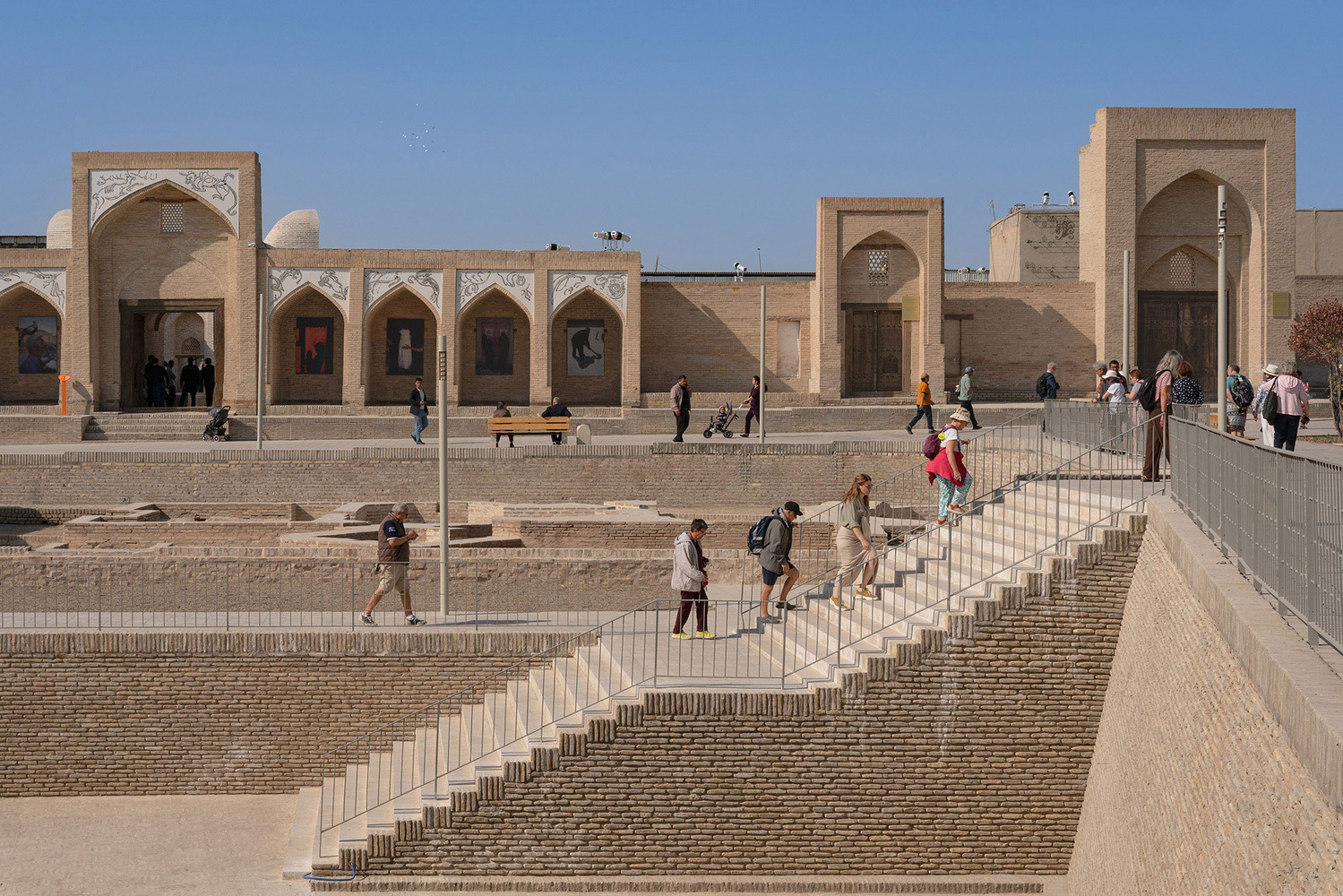
"Heritage sites constitute complex spatial archives in which architecture, history, and collective memory converge. They encompass a wide spectrum of contexts-from archaeological remains, ancient and historic townscapes, UNESCO-listed landscapes, to early modern civic structures and industrial infrastructures. Yet these environments confront challenges: climate change, urban transformation, disaster, shifting social needs, and the gradual erosion of material fabric. Revitalization and restoration projects respond to these conditions by positioning architectural and spatial practice as an active mediator between preservation and the contemporary topologies."
"In current practice, conservation is understood as a creative process of adaptation and reinterpretation that serves both communities and inhabitants. At the same time, monumental architecture continues to define the identity and landscape of a place for wider audiences and future generations. Architects and planners are called upon to negotiate sensitive historic contexts while introducing new programs, techniques, and spatial experiences."
"They exemplify diverse design approaches, including precise structural interventions, climate-responsive strategies, and meticulous material restoration, alongside the thoughtful insertion of new architectural elements. Equally important is their engagement with vernacular knowledge and materiality, which preserves the locality and cultural specificity of each site. This article is part of the ArchDaily Topic: Rethinking Heritage: How Today's Architecture Shapes Tomorrow's Memory. Every month we explore a topic in-depth through articles, interviews, news, and architecture projects."
Heritage sites function as complex spatial archives where architecture, history, and collective memory intersect across archaeological remains, historic townscapes, UNESCO landscapes, civic structures, and industrial infrastructures. These environments face threats from climate change, urban transformation, disasters, shifting social needs, and gradual material erosion. Revitalization and restoration position architectural practice as an active mediator between preservation and contemporary topologies. Conservation is treated as creative adaptation and reinterpretation serving communities and inhabitants while monumental architecture maintains place identity for wider audiences and future generations. Architects and planners negotiate sensitive contexts by introducing new programs, techniques, climate-responsive strategies, precise structural interventions, material restoration, and engagement with vernacular knowledge to preserve locality.
Read at ArchDaily
Unable to calculate read time
Collection
[
|
...
]