Parenting
Parenting
[ follow ]
fromwww.businessinsider.com
4 hours agoI'm a single dad. I've got a big online following, partly because I'm no longer scared to be vulnerable.
We separated soon after she was born, and I was sad and miserable. I had this idea of what my family was going to look like with the big house and white picket fence and now it seemed impossible. I was pretty selfish during that phase, prioritizing myself and numbing myself with alcohol. I couch-surfed with friends. It wasn't as if I was a bad dad, but I wasn't stepping up in the way that I needed to.
Parenting
fromPinkNews | Latest lesbian, gay, bi and trans news | LGBTQ+ news
1 day agoHayden Panettiere slams claim she 'abandoned' daughter amid addiction issues
“The idea that anybody would think that I would just give away my child and be OK with it is heartbreaking.” The actress continued: “It couldn't be further from the truth,” adding: “It became this horrible cycle for years of battling depression and anxiety and alcoholism and substance abuse and just me trying to find my way back.”
Parenting

fromMail Online
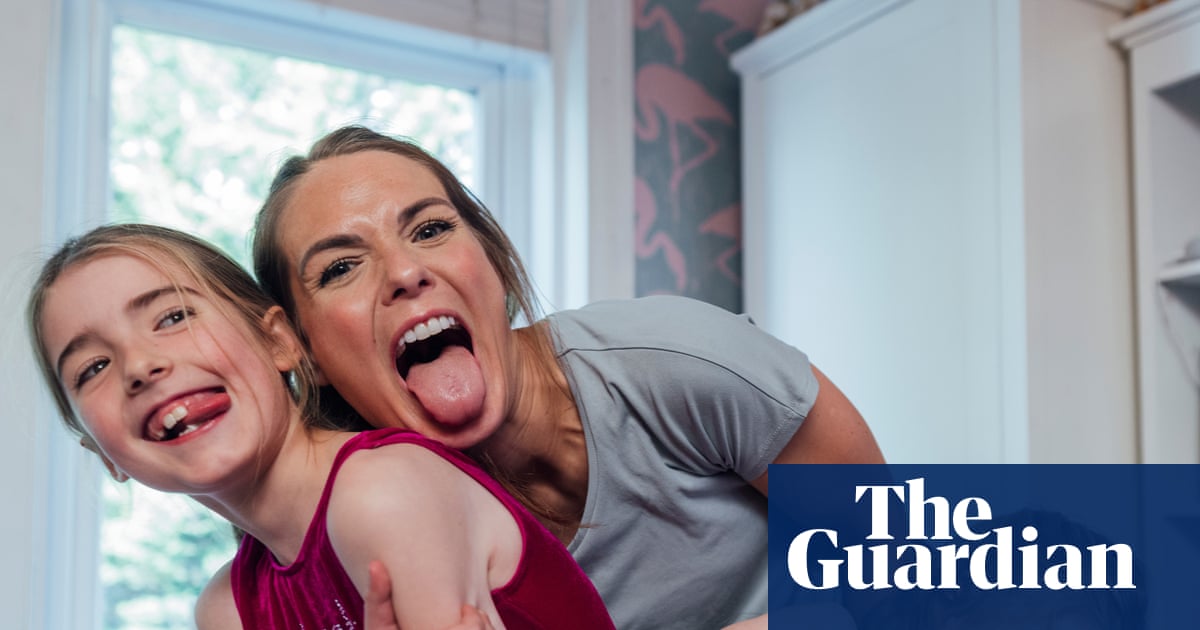
2 days agoThe perfect age to have your first child is 29, scientists say
The findings show that the younger someone is when they become a parent, the more likely they are to experience long-term challenges, including not finishing high school, reporting poorer health, and having lower income across the lifespan. These patterns were similar for teen and young fathers and teen and young mothers.
Parenting
#family-relationships
Parenting
fromSilicon Canals
3 days agoPsychology suggests that adult children who are the most loyal to their parents in late life are often the ones who never quite became close to them - the loyalty is the substitute for the closeness that didn't form, and the visits, the calls, the careful attention are sometimes a daughter's way of paying for an intimacy that was supposed to have been included - Silicon Canals
Devotion that looks close can function as payment for intimacy that never formed, with adult children doing relational labor to cover emotional distance.

Parenting
fromSilicon Canals
3 days agoPsychology suggests that adult children who are the most loyal to their parents in late life are often the ones who never quite became close to them - the loyalty is the substitute for the closeness that didn't form, and the visits, the calls, the careful attention are sometimes a daughter's way of paying for an intimacy that was supposed to have been included - Silicon Canals
Devotion that looks close can function as payment for intimacy that never formed, with adult children doing relational labor to cover emotional distance.

fromwww.scientificamerican.com
3 days agoCelebrate Mother's Day with nine bold, beautiful and bizarre animal moms
When young crocodiles are ready to hatch, they let out calls that sound a bit like a sci-fi laser sound effect. When a mother crocodile hears those calls, she'll dig out the nest in preparation for her babies' arrival.
Parenting
Parenting
fromSilicon Canals
6 days agoI grew up in the 1990s and the thing nobody warned me about is that the resilience my generation was praised for was just the absence of anyone asking how we were - and the adults who admire us now for being "low maintenance" don't realize they're describing the exact training that made it almost impossible for us to ask for help in our thirties. - Silicon Canals
Unsupervised childhood time framed as self-sufficiency later appears as low maintenance, masking adult consequences of isolation and lack of support.

Parenting
fromSlate Magazine
6 days agoMy Mother's New "Spiritual Practice" Is a Total Scam. She Won't Listen to Reason.
A mother's excessive spending on psychic readings at the expense of basic needs requires intervention despite her cognitive competence, as financial exploitation can occur regardless of mental acuity.
Parenting
fromKotaku
6 days agoThe Sims 4 Is Finally Ironing Out The Kinks In Its Babies - Kotaku
The Sims 4 is receiving a major update on May 12 with over 150 fixes focused on infants and toddlers, including improved diaper cleanup, faster feeding and changing, and reduced repetitive infant-picking behaviors.
Parenting
fromwww.businessinsider.com
6 days agoVictoria Beckham says one piece of advice changed how she thinks about mom guilt
Victoria Beckham reframes mom guilt as pointless and counterproductive, emphasizing that working mothers should focus on doing their best rather than feeling guilty about unavoidable tradeoffs.
fromScary Mommy
5 days agoNo One Told Me That Tweens Become Toddlers Again
There's a lot of crying, a lot of "stay with me," a lot of clinging. There's a lot of "Mama, whatcha doing?" and a lot of "Can I come with you?" to every move I make. There's a lot of pouting, a lot of big reactions, a lot of anger they can't explain. There's a lot of worrying, a lot of nervousness, a lot of trying new things.
Parenting
fromwww.theguardian.com
6 days agoMy son is moving out. I'm happy for him but I'm bereft. How can I stop feeling so terrible? | Leading questions
It's OK to not feel OK about something you know is good and right. This is a huge loss. One of the biggest chapters of your life is closing. Knowing that he deserves to feel free and happy about this does not mean you have to; his experience doesn't have to be your experience. You don't live life through his eyes, you live it as his parent.
Parenting
Parenting
fromApartment Therapy
6 days agoDon't Stick to the Same Cleaning Routine After Your Kids Move Out - I Cut Mine in Half
An empty nester adapted her home cleaning routine from managing a four-bedroom house with two children to maintaining it with just her husband, reducing frequency and complexity of tasks.
fromFast Company
6 days agoOver half of working moms have missed work due to lack of sleep
Over the past year more than half of working moms (53%) have either called in sick, left work early, or underperformed at their job, due to lack of sleep. And it's not just a one-off incident for most of them: 36% said it's happened repeatedly.
Parenting
fromwww.theguardian.com
1 week agoA moment that changed me: I was wary of men then I found out I was having a baby boy
When I found out my baby was a boy, I had a certain amount of trepidation. It wasn't that I'd wanted a girl. Having lost a previous pregnancy, all I wanted was a healthy baby.
Parenting
fromConsequence
1 week agoSting Explains Why His Six Children Must "Make Their Own Way"
All of my kids have been blessed with this extraordinary work ethic, whether it's the DNA of it or whether I've said to them, 'Guys, you've got to work. I'm spending our money, I'm paying for your education. You've got shoes on your feet. Go to work.'
Parenting
[ Load more ]