#teen-dishonesty

[ follow ]
Psychology
fromPsychology Today
22 hours ago

The Cost of Being the Person Everyone Likes

Overly agreeable individuals conceal significant negative feelings while creating a facade of closeness, leading to personal exhaustion and relationship challenges.
#friendship
Relationships
fromSilicon Canals
9 hours ago

I'm 37 and I just realized that the reason I have no close friends isn't because I'm hard to love - it's because I learned young that needing people was dangerous - Silicon Canals

Recognizing patterns in friendships reveals a fear of vulnerability and a tendency to withdraw as relationships deepen.
Relationships
fromSilicon Canals
18 hours ago

Social psychologists say the friendships we lose in adulthood aren't lost to conflict or distance - they're lost to the moment one person stops initiating and the other interprets the silence as confirmation they were never that important - Silicon Canals

Friendships often end not through conflict but through unreciprocated effort and silent interpretations of communication gaps.
Psychology
fromSilicon Canals
1 day ago

Psychology says people who are very selective with friends aren't lacking in social skills - they're often carrying a level of social awareness so sharp that casual conversation feels hollow the moment it starts, and the energy it takes to pretend otherwise is a cost they've simply stopped being willing to pay - Silicon Canals

Selectivity in friendships reflects a deeper social awareness and the need for genuine connections rather than superficial interactions.
Psychology
fromSilicon Canals
2 days ago

Psychology says people who reach their 60s without a large circle of friends aren't lonely - they've just stopped pretending to enjoy the kind of company that drained them for most of their lives - Silicon Canals

Popularity does not equate to happiness; meaningful connections often outweigh the number of friends.
Relationships
fromSilicon Canals
9 hours ago

I'm 37 and I just realized that the reason I have no close friends isn't because I'm hard to love - it's because I learned young that needing people was dangerous - Silicon Canals

Recognizing patterns in friendships reveals a fear of vulnerability and a tendency to withdraw as relationships deepen.
Relationships
fromSilicon Canals
18 hours ago

Social psychologists say the friendships we lose in adulthood aren't lost to conflict or distance - they're lost to the moment one person stops initiating and the other interprets the silence as confirmation they were never that important - Silicon Canals

Friendships often end not through conflict but through unreciprocated effort and silent interpretations of communication gaps.
Psychology
fromSilicon Canals
1 day ago

Psychology says people who are very selective with friends aren't lacking in social skills - they're often carrying a level of social awareness so sharp that casual conversation feels hollow the moment it starts, and the energy it takes to pretend otherwise is a cost they've simply stopped being willing to pay - Silicon Canals

Selectivity in friendships reflects a deeper social awareness and the need for genuine connections rather than superficial interactions.
Psychology
fromSilicon Canals
2 days ago

Psychology says people who reach their 60s without a large circle of friends aren't lonely - they've just stopped pretending to enjoy the kind of company that drained them for most of their lives - Silicon Canals

Popularity does not equate to happiness; meaningful connections often outweigh the number of friends.
Relationships
fromHuffPost
2 days ago

7 Warning Signs Your Friendship Isn't Going To Last

Friendships can end due to one-sided dynamics or negative feelings, indicating an expiration date.
Careers
fromMail Online
9 hours ago

Generation judgy! Gen Z see old colleagues as incompetent, study finds

Gen Z perceives older colleagues as incompetent and untrustworthy, impacting workplace dynamics and trust levels.
Mindfulness
fromSilicon Canals
23 hours ago

I just realized I've never once made a major life decision based on what I wanted - every single one was based on what seemed reasonable to the people watching - Silicon Canals

Living a reasonable life based on others' expectations can lead to feelings of emptiness and disconnection from one's true desires.
Marketing
fromwww.businessinsider.com
1 day ago

'Clipping' on social media makes me wonder what's real and what isn't

The internet is filled with undetectable fake content, making it increasingly difficult to identify authenticity.
fromThe Atlantic
1 day ago

Why Americans Hate a Cheater

The Pew Research Center found that Americans were notably permissive regarding moral issues like spanking, euthanasia, gambling, and marijuana use, with few behaviors widely condemned.
Philosophy
fromBuzzFeed
3 days ago

People Who Were Teenagers Before Social Media Existed Are Sharing What Life Was Like

You could do something stupid at 15 and only the three people there remembered it - not the entire internet forever.
Digital life
Mental health
fromSilicon Canals
1 day ago

Psychology says the unhappiest men in any room aren't the ones who complain - they're the ones who've become so skilled at performing contentment that they've lost the ability to locate their own actual feelings beneath the performance - Silicon Canals

Many men mask their true feelings behind a facade of competence and ease, leading to emotional disconnection and confusion about their own emotions.
fromPsychology Today
4 days ago

Knowing Themselves Helps LGBTQ+ Teens Thrive

Research indicates that LGBTQ+ teens entering high school experience significantly higher anxiety symptoms compared to their cisgender heterosexual peers, highlighting the unique challenges they face during this transition.
LGBT
UX design
fromMedium
3 days ago

Are we makers by nature-or consumers by design?

The relationship between creation and consumption is strained, impacting designers' creativity and cognitive processes.
Writing
fromSilicon Canals
4 days ago

We boomers were handed a very clear script for what a successful life was supposed to look like, and a lot of us followed it - only to find that from the inside, it felt like wearing someone else's coat for thirty years. - Silicon Canals

Following a prescribed life script can lead to feelings of living someone else's life despite achieving traditional success.
#identity
Bootstrapping
fromSilicon Canals
5 days ago

The reason some men never move forward in life has nothing to do with motivation or discipline - it's that they built their entire identity around a version of themselves that stopped being true years ago, and starting over feels like admitting it was all wasted - Silicon Canals

Many individuals struggle to update their identities after past failures, clinging to outdated self-perceptions.
Psychology
fromSilicon Canals
5 days ago

Psychology says people who are warm in public but distant in private aren't being fake in either setting - they've built an entire social identity around the version of themselves that performs well in rooms and they genuinely don't know who shows up when the room is empty - Silicon Canals

People may develop a polished public persona that overshadows their true self, leading to a disconnect between social performance and personal identity.
Psychology
fromSilicon Canals
1 week ago

I realized recently that I've spent years becoming whoever the room needed me to be - and now I honestly can't tell the difference between what I actually enjoy and what I've just been pretending to for so long it stuck - Silicon Canals

Constantly adapting to others' expectations can lead to losing touch with one's authentic self and preferences.
Bootstrapping
fromSilicon Canals
5 days ago

The reason some men never move forward in life has nothing to do with motivation or discipline - it's that they built their entire identity around a version of themselves that stopped being true years ago, and starting over feels like admitting it was all wasted - Silicon Canals

Many individuals struggle to update their identities after past failures, clinging to outdated self-perceptions.
Psychology
fromSilicon Canals
5 days ago

Psychology says people who are warm in public but distant in private aren't being fake in either setting - they've built an entire social identity around the version of themselves that performs well in rooms and they genuinely don't know who shows up when the room is empty - Silicon Canals

People may develop a polished public persona that overshadows their true self, leading to a disconnect between social performance and personal identity.
Psychology
fromSilicon Canals
1 week ago

I realized recently that I've spent years becoming whoever the room needed me to be - and now I honestly can't tell the difference between what I actually enjoy and what I've just been pretending to for so long it stuck - Silicon Canals

Constantly adapting to others' expectations can lead to losing touch with one's authentic self and preferences.
Parenting
fromSilicon Canals
10 hours ago

The people who were praised for being mature as children and punished for being needy as adults, and the decades it takes to untangle which one was actually true - Silicon Canals

Maturity in children often reflects adult expectations, leading to long-term consequences for the child's emotional development.
#loneliness
Psychology
fromSilicon Canals
14 hours ago

Psychology says the loneliest form of love isn't being unloved its being adored for a version of yourself you've been performing so long that the real you has started to feel like the imposter - Silicon Canals

The worst loneliness is being loved for a false self that no longer exists.
Mental health
fromSilicon Canals
4 days ago

Psychology says the most dangerous form of loneliness isn't being alone. It's being surrounded by people while performing a version of yourself that none of them would recognize if they saw you at home on a Sunday afternoon. - Silicon Canals

The gap between one's public persona and private self creates a profound sense of loneliness.
Psychology
fromSilicon Canals
14 hours ago

Psychology says the loneliest form of love isn't being unloved its being adored for a version of yourself you've been performing so long that the real you has started to feel like the imposter - Silicon Canals

The worst loneliness is being loved for a false self that no longer exists.
Mental health
fromSilicon Canals
4 days ago

Psychology says the most dangerous form of loneliness isn't being alone. It's being surrounded by people while performing a version of yourself that none of them would recognize if they saw you at home on a Sunday afternoon. - Silicon Canals

The gap between one's public persona and private self creates a profound sense of loneliness.
fromTiny Buddha
1 day ago

Why I Gossiped and What I Now Do Instead - Tiny Buddha

Gossiping about someone else gave me a fleeting escape, since it allowed me to shift my focus to someone else's behavior. Every time I did it, I felt a sense of guilt and shame after.
Mindfulness
Mental health
fromwww.theguardian.com
2 days ago

I was bullied when I was young and now find it very hard to make friends | Ask Annalisa Barbieri

Bullying in adolescence can have lasting effects on confidence and friendships in adulthood.
Writing
fromSilicon Canals
4 days ago

People who sacrificed everything for their careers and received modest recognition in return have a very particular reaction to younger workers who refuse the same bargain. It looks like judgment. It's actually envy wearing a mask it found in the 1980s. - Silicon Canals

Generational narratives about work sacrifice often mask deeper disillusionment with the rewards of hard work and the changing values of younger workers.
#parenting
Parenting
fromScary Mommy
1 day ago

Would You Leave Your 15-Year-Old Home Alone All Weekend?

Determining when to leave a teenager home alone for an extended period can be challenging for parents.
fromTODAY.com
7 hours ago
Parenting

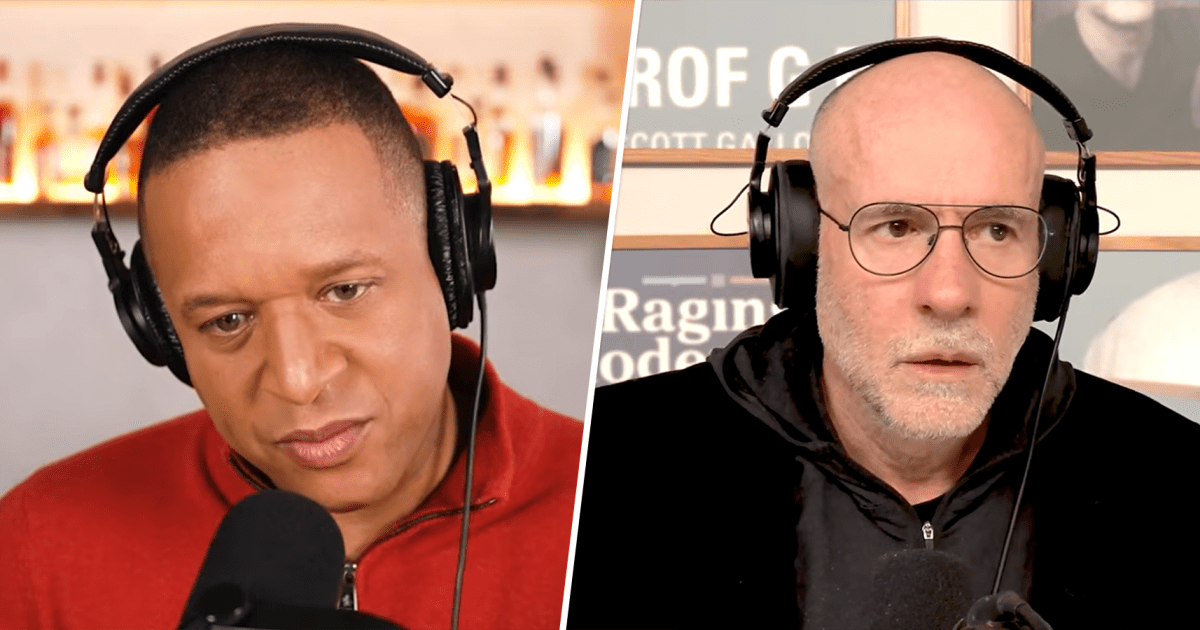
Scott Galloway Calls Out This 1 Parenting Style as a Major Driver of Depression in Teens

fromSlate Magazine
4 days ago
Parenting

My Niece Desperately Wanted Something Controversial for a 16-Year-Old. My Brother Wouldn't Give It to Her, So I Did.

Parenting
fromScary Mommy
5 days ago

Girls Ages 5 To 13 Say Becoming A Grown-Up "Sounds Scary" In A New Study

Children often feel scared about growing up, contrary to the belief that they eagerly anticipate adulthood.
Parenting
fromScary Mommy
1 day ago

Would You Leave Your 15-Year-Old Home Alone All Weekend?

Determining when to leave a teenager home alone for an extended period can be challenging for parents.
Parenting
fromTODAY.com
7 hours ago

Scott Galloway Calls Out This 1 Parenting Style as a Major Driver of Depression in Teens

Concierge parenting contributes to rising depression rates among teenagers by preventing them from facing challenges and developing resilience.
Parenting
fromSlate Magazine
4 days ago

My Niece Desperately Wanted Something Controversial for a 16-Year-Old. My Brother Wouldn't Give It to Her, So I Did.

Aunt secretly funds niece's nose job to improve her self-esteem despite parents' disapproval.
Parenting
fromScary Mommy
5 days ago

Girls Ages 5 To 13 Say Becoming A Grown-Up "Sounds Scary" In A New Study

Children often feel scared about growing up, contrary to the belief that they eagerly anticipate adulthood.
Parenting
fromSlate Magazine
3 weeks ago

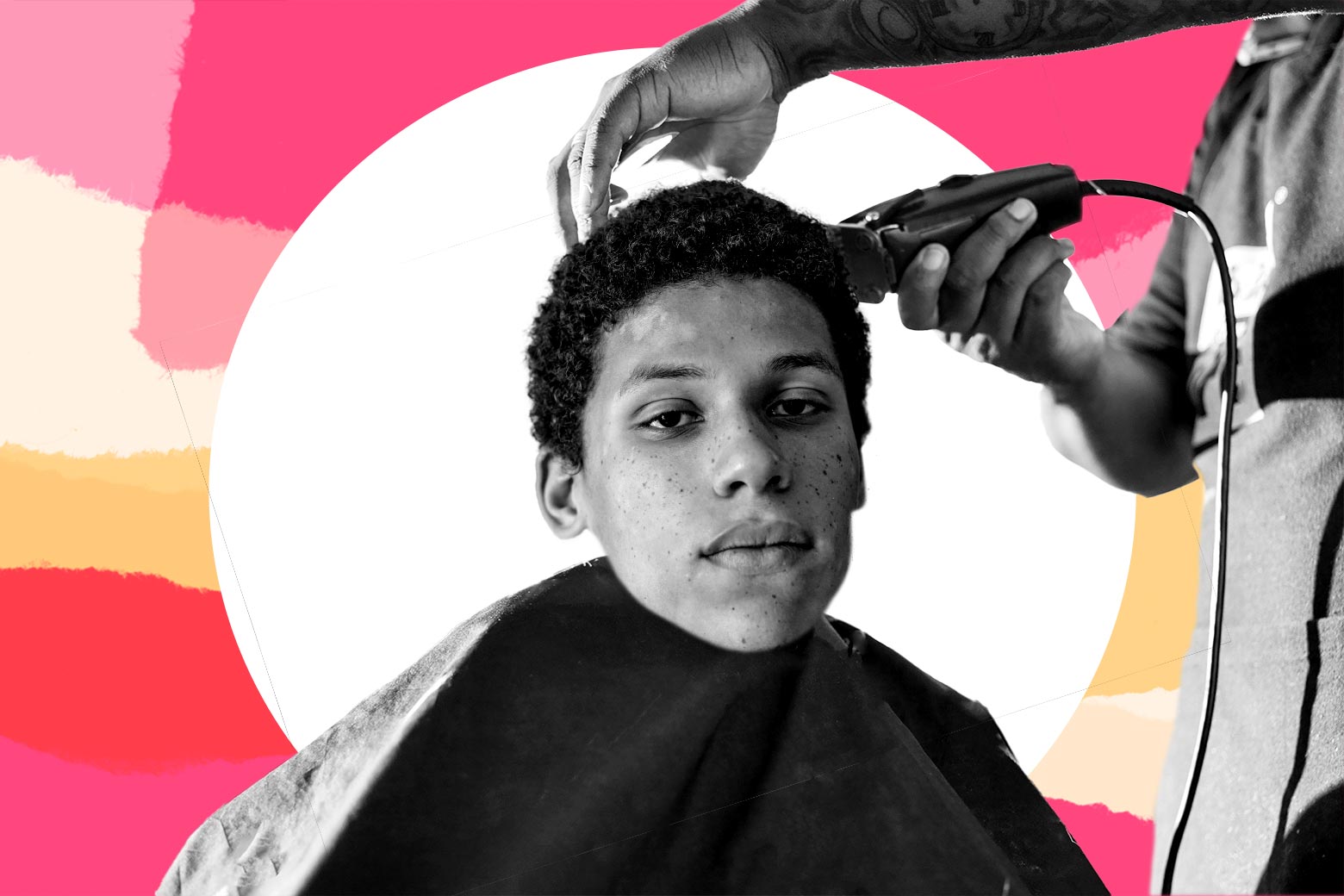
My Husband Is Forbidding Our Son From a Teen Rite of Passage. His Reasoning Is Very Strange.

Parents should allow their children to explore personal expression through hairstyles, especially during teenage years, while navigating cultural considerations.
Psychology
fromSilicon Canals
15 hours ago

5 things people who grew up lower middle class quietly do as adults that look strange until you understand the logic behind them - Silicon Canals

Lower middle class upbringing shapes adults' financial behaviors and anxieties, leading to habits like maintaining hidden emergency accounts.
Relationships
fromSilicon Canals
1 day ago

Most people don't realize that the sharpest loneliness in midlife isn't having no friends - it's having friends who knew an earlier version of you and have no interest in meeting who you've become - Silicon Canals

Loneliness in midlife often stems from friends not updating their understanding of each other, rather than a lack of social connections.
Psychology
fromSilicon Canals
4 hours ago

Psychology says the reason so many high-achievers can't enjoy their own wins isn't imposter syndrome, it's that achievement was the language they were taught love was spoken in, and they've never learned to receive love in any other form - Silicon Canals

High-achievers often feel unsatisfied with their accomplishments due to a childhood belief that achievement equals worth.
Relationships
fromSilicon Canals
18 hours ago

The people who are constantly checking in on everyone else aren't necessarily nurturing. Many of them are quietly running an experiment to see if anyone will ever check in on them unprompted, and the experiment has been returning the same result for decades - Silicon Canals

Constantly reaching out to others can stem from childhood experiences of needing to earn attention.
Careers
fromSilicon Canals
2 weeks ago

I was always the reliable one - the one who showed up, remembered, rearranged, and absorbed - and it took me until 58 to wonder whether anyone would have come looking if I'd stopped - Silicon Canals

Being the reliable one can lead to personal neglect and invisibility in relationships.
Psychology
fromSilicon Canals
1 day ago

Psychology suggests people who follow through on small promises to themselves aren't just building habits - they're constructing the internal evidence that they can be trusted, which is the actual foundation of lasting self-discipline - Silicon Canals

Self-discipline is shaped by accumulated evidence of personal commitments rather than mere willpower.
Mental health
fromPsychology Today
5 days ago

When You Can't Picture Yourself in Your Own Future

Many young adults experience a psychological disconnection from their future, feeling detached from their own lives and milestones due to trauma and existential concerns.
Psychology
fromSilicon Canals
1 day ago

Psychology says people who are liked by everyone but have no close friends have perfected the art of being liked without ever being known - and the distance between those two things is where their loneliness actually lives, invisible to everyone who enjoys their company and unbearable to the person providing it - Silicon Canals

Mastering likability can lead to isolation, as it prevents genuine connections and vulnerability with others.
#masculinity
Mental health
fromSilicon Canals
5 days ago

I grew up in a family where asking for help was the same as admitting weakness - and now I'm 66 and sitting alone with problems I don't know how to solve because I never learned how to say "I'm struggling" - Silicon Canals

Asking for help is often perceived as a weakness, rooted in deep-seated beliefs about masculinity and self-reliance.
Relationships
fromSilicon Canals
3 days ago

I want to say something that my generation rarely says out loud: being tough your whole life doesn't actually protect you from loneliness - it just means you're better at hiding it from everyone, including yourself - Silicon Canals

Being tough can lead to loneliness and isolation, as it prevents genuine connections and vulnerability.
Mental health
fromSilicon Canals
5 days ago

I grew up in a family where asking for help was the same as admitting weakness - and now I'm 66 and sitting alone with problems I don't know how to solve because I never learned how to say "I'm struggling" - Silicon Canals

Asking for help is often perceived as a weakness, rooted in deep-seated beliefs about masculinity and self-reliance.
Relationships
fromSilicon Canals
3 days ago

I want to say something that my generation rarely says out loud: being tough your whole life doesn't actually protect you from loneliness - it just means you're better at hiding it from everyone, including yourself - Silicon Canals

Being tough can lead to loneliness and isolation, as it prevents genuine connections and vulnerability.
Parenting
fromSilicon Canals
4 days ago

I've stopped being angry that my adult children rarely call, because I finally understand they're not ignoring me - they're just living the life I worked my whole career to give them, and that's both the proudest and loneliest thought I've ever had - Silicon Canals

Children are overwhelmed with responsibilities, not neglecting their parents.
Relationships
fromSilicon Canals
18 hours ago

The day I stopped waiting for my children to make me feel appreciated was the day I finally understood that I had spent thirty years confusing their love for me with their ability to express it - Silicon Canals

Understanding love's expression can liberate us from unmet expectations in relationships.
Psychology
fromSilicon Canals
18 hours ago

Some people aren't the planner in every friend group because they like control. They became the planner because they noticed, early and painfully, that when they didn't initiate, nobody did, and being forgotten felt worse than doing all the work - Silicon Canals

Chronic planners often act out of a fear of being forgotten rather than a desire for control or dominance.
Relationships
fromSilicon Canals
1 day ago

Psychology says people who are careful about who they let into their life aren't antisocial or cold - they've simply learned that the wrong person in your inner circle costs more than an empty seat, and that math only becomes obvious after you've paid the price at least once - Silicon Canals

Selective relationship management involves careful curation of connections to optimize emotional and mental capital, recognizing that proximity impacts well-being.
Psychology
fromSilicon Canals
1 day ago

Psychology says people who keep adjusting their personality to suit the room aren't socially skilled - they're exhausted, and they've been exhausted since childhood - Silicon Canals

Constantly adapting one's personality can lead to exhaustion and loss of personal identity, rather than being a sign of social skill.
Parenting
fromSlate Magazine
5 days ago

My Kid Spent Two Weeks With Her Dad. Then I Found Out What He Was Letting Her Do.

Co-parenting involves respecting each other's rules and focusing on safety measures for children's activities.
Relationships
fromSilicon Canals
1 day ago

I'm 37 and I finally understand why I keep saying yes to things I want to say no to - psychology calls it "fawning" and once you see it you can't unsee it - Silicon Canals

Fawning behavior leads to difficulty in saying no, causing resentment despite self-awareness and understanding of its irrationality.
Relationships
fromPsychology Today
1 day ago

Why So Many Men Never Leave Home (and What It Costs Them)

One in six men without a college degree lives with their parents, impacting their social skills and labor force participation.
#honesty
Relationships
fromSilicon Canals
2 days ago

Psychology suggests the deepest sign someone actually respects you isn't how they treat you when things are good - it's whether they tell you the truth when the truth is uncomfortable, because most people will choose your comfort over your growth every single time to protect the relationship, and the person who risks your temporary anger to offer you something honest has decided that who you're becoming matters more to them than how you feel about them today - Silicon Canals

Honesty that prioritizes growth over comfort is a profound act of love often avoided in relationships.
Relationships
fromSilicon Canals
2 weeks ago

The friends who tell you the hard truth aren't the bravest people in your life. The bravest are the ones who tell you the hard truth and then stay close enough to watch it land, knowing you might not speak to them for weeks, and choosing the relationship over their own comfort anyway. - Silicon Canals

Remaining present after delivering hard truths is a significant act of bravery that often goes unrecognized.
Relationships
fromSilicon Canals
2 days ago

Psychology suggests the deepest sign someone actually respects you isn't how they treat you when things are good - it's whether they tell you the truth when the truth is uncomfortable, because most people will choose your comfort over your growth every single time to protect the relationship, and the person who risks your temporary anger to offer you something honest has decided that who you're becoming matters more to them than how you feel about them today - Silicon Canals

Honesty that prioritizes growth over comfort is a profound act of love often avoided in relationships.
Relationships
fromSilicon Canals
2 weeks ago

The friends who tell you the hard truth aren't the bravest people in your life. The bravest are the ones who tell you the hard truth and then stay close enough to watch it land, knowing you might not speak to them for weeks, and choosing the relationship over their own comfort anyway. - Silicon Canals

Remaining present after delivering hard truths is a significant act of bravery that often goes unrecognized.
Psychology
fromSilicon Canals
2 days ago

Psychology says the most reliable signs someone is actually not a good person are almost never the obvious ones - they're buried inside behaviors that look generous, caring, and selfless on the surface, and the reason good people keep getting hurt by them is that their instincts were right all along but the disguise was better than their confidence in their own judgment - Silicon Canals

Harmful individuals often disguise their manipulative behavior as kindness, making it difficult to recognize their true intentions.
Psychology
fromSilicon Canals
1 day ago

There's a specific kind of adult who apologizes for crying even when they're alone, and it isn't sensitivity, it's the residue of a childhood where emotion was something you were expected to clean up before anyone saw the mess - Silicon Canals

Adults who were invalidated in childhood often apologize for their emotions, reflecting deep-seated patterns of emotional suppression.
Psychology
fromSilicon Canals
2 days ago

Psychology says people who constantly apologize for things that aren't their fault aren't being polite. They grew up in an environment where someone else's bad mood was always their responsibility to fix - Silicon Canals

Over-apologizing often stems from childhood experiences that teach individuals to manage others' emotions, leading to chronic self-blame and anxiety.
Psychology
fromPsychology Today
2 days ago

Why High Achievers Can Feel Lost After Success

The pursuit of goals often feels more fulfilling than the achievement itself, leading to feelings of emptiness post-success.
Parenting
fromSilicon Canals
1 week ago

People who grew up being the one their parents confided in didn't become mature faster. They became adults who can't tell the difference between being trusted and being used, because the two things arrived in the same conversation and nobody told them those were different experiences. - Silicon Canals

Emotional parentification involves children taking on adult roles, leading to hypervigilance rather than true emotional maturity.
Relationships
fromSilicon Canals
3 days ago

Psychology says people who keep their car immaculately clean while their house is a mess aren't inconsistent - the car is the one space in their life that is entirely theirs with no shared ownership and no negotiation required, and the cleanliness of it reflects the level of care they're capable of when they don't have to accommodate another person's standards or compromise their instincts to keep the peace - Silicon Canals

Pristine cars reflect personal space and autonomy, contrasting with the stress of shared living environments.
Psychology
fromSilicon Canals
3 days ago

There's a specific kind of person who volunteers the embarrassing story about themselves before anyone else can bring it up, and it isn't self-deprecation. It's copyright. If they tell it first, they get to decide what it means. - Silicon Canals

Claiming the narrative of an embarrassing story prevents others from defining its meaning, rather than demonstrating humility.
Psychology
fromSilicon Canals
3 days ago

Psychology says people who go quiet in groups but are completely themselves one-on-one aren't shy - they're people who can only be real when the room feels safe, and a group never does, so they send a polite stand-in to the dinner party and save the actual person for the drive home with the one friend who earned access - Silicon Canals

Some individuals are selective about when they feel safe to be themselves, distinguishing between shyness and carefulness in social settings.
Relationships
fromSilicon Canals
5 days ago

Nobody tells you that one of the cruelest parts of aging is becoming invisible in rooms you used to command - I walked into a meeting last year as a consultant and a young man looked right through me to greet the person behind me, and I stood there holding 40 years of expertise in a body he had already decided had nothing to offer, and that single moment taught me more about getting old than any birthday ever has - Silicon Canals

Aging can lead to feeling invisible and undervalued in professional settings, despite years of experience.
Psychology
fromSilicon Canals
3 days ago

The people who say they don't care what others think are almost never telling the whole truth. What they actually did was move the audience inward, and now they perform for a private version of the same judges they claim to have escaped. - Silicon Canals

Indifference to others' opinions often masks internalized judgment rather than true freedom from social conformity.
Relationships
fromSlate Magazine
5 days ago

I'm About to Undergo a Dramatic Change in How I Look. The Nosy, Rich People I Work With Are Going to Have Some Words About It.

Navigating workplace inquiries about personal health can be managed with polite and firm responses.
fromUnHerd
2 months ago

The teenage-boy proving ground

The teenaged boy was the victim of what local news sources called a "social-media challenge" or "TikTok stunt" gone awry. He'd been with a group of friends who were filming the exploit, and who fled the scene without calling for help for fear of getting arrested - though, naturally, they also immediately posted video of the accident to social media.
New York City
Psychology
fromPsychology Today
3 days ago

How Social Class Shapes Identity

Social class influences identity and emotional well-being, often unnoticed, leading to anxiety and low self-esteem when transitioning between classes.
Psychology
fromSilicon Canals
5 days ago

Psychology says the art of not caring what others think isn't something you decide to do one day - it's a quiet skill built over years of noticing how much of your life was being shaped by opinions of people who weren't actually paying attention to you in the first place - Silicon Canals

People overestimate how much others notice their actions and appearance, leading to unnecessary self-consciousness.
Psychology
fromSilicon Canals
5 days ago

Research suggests that people who say they prefer being alone aren't always telling the truth. Many of them preferred connection until it repeatedly disappointed them, and solitude became the story they told to make the disappointment portable. - Silicon Canals

Solitude is often misinterpreted as a preference, when it may actually be an adaptation to past relational failures.
Psychology
fromSilicon Canals
5 days ago

The person who always says 'I don't mind, you choose' isn't easygoing. They learned that having a visible preference made them a target, and disappearing into someone else's choice became the safest place in the room. - Silicon Canals

Preference-erasure is a survival strategy developed in childhood, often misinterpreted as easygoing behavior, masking deeper emotional suppression.
Psychology
fromSilicon Canals
5 days ago

The people who talk about their childhood like it was fine but can't remember most of it aren't lying. The absence of memory and the absence of trauma feel identical from the inside until something cracks the seal, and by then the person has built an entire adult identity on the version where nothing happened. - Silicon Canals

Childhood amnesia affects memory retention, leading to a lack of vivid recollections from early years despite having a normal upbringing.
Psychology
fromSilicon Canals
6 days ago

Psychology says people who randomly cringe at past memories have a level of self-awareness that most people never develop - because the cringe only exists when a person is emotionally intelligent enough to look back at who they were and recognize the distance between that version of themselves and the one standing here now, and that distance is called growth even when it feels like shame - Silicon Canals

Cringing at past actions signifies emotional growth and self-reflection, indicating a recognition of personal development over time.
Relationships
fromSilicon Canals
2 weeks ago

Most people don't realize that the dishonest people in their lives rarely lie about facts - they lie about their intentions, and that specific distinction is why you keep feeling confused rather than simply hurt - Silicon Canals

Intention lies involve sharing true facts with hidden motives, making them difficult to detect.
Parenting
fromSlate Magazine
1 month ago

My Son and His Friends Made a Gross Bet. I'm Livid.

Parents should address immature sexual attitudes in 13-year-olds through open dialogue rather than isolating them from peers or involving other families.
Psychology
fromSilicon Canals
1 week ago

People who stop trying to be liked are often accused of having an attitude - by the people who most benefited from them having none - Silicon Canals

Setting boundaries often leads to others perceiving you as difficult or having an attitude problem, despite unchanged competence.
Psychology
fromSilicon Canals
1 week ago

Nobody warns you that when you stop caring what everyone thinks, you also discover which of your relationships were held together entirely by your willingness to be whoever the other person needed - Silicon Canals

Stopping people-pleasing leads to a necessary audit of relationships, revealing which ones are genuine and which are based on expectations.
Relationships
fromSilicon Canals
3 weeks ago

Behavioral scientists found that the people who become less likeable with age but more respected are operating on a principle most people understand intellectually but can't execute emotionally - that respect and likeability are often inversely correlated after 60, because likeability requires you to shrink and respect requires you to hold your shape, and most people spent their first six decades shrinking and their last two deciding that holding their shape matters more than fitting into someone else's fra

Standing up for oneself can lead to decreased likability, but it is a necessary part of emotional maturity and self-respect.
Mental health
fromPsychology Today
2 months ago

Why Confidence About Puberty Matters for Teens

Middle schoolers with higher confidence in managing puberty experience fewer depression and anxiety symptoms, regardless of age, gender, or pubertal timing.
Mental health
fromPsychology Today
2 months ago

The Challenging Transition from Adolescence to Adulthood

Young adults aged 18 to 25 face rising mental health challenges driven by social media, climate anxiety, changing help-seeking views, and limited access to care.
Relationships
fromSilicon Canals
1 month ago

The friends you lose in your 30s and 40s aren't the ones who wronged you. They're the ones who needed you to stay exactly the same person you were when the friendship started, and your growth became something they experienced as abandonment. - Silicon Canals

Long-lasting friendships survive when one person changes and the other remains curious rather than threatened by that evolution.
fromPsychology Today
1 month ago

Why Time Increasingly Matters in Adolescence

Time is life-time, and increasingly young adolescents want to determine how their lives are personally spent. The outcome for parents is that they can feel rushed by youthful demands, while it can take more time for them to get what they requested.
Parenting
Psychology
fromPsychology Today
2 months ago

Why Today's Teens Are Taking Fewer Risks

Adolescents are neurologically predisposed to seek novelty and risk and require developmentally appropriate opportunities plus parental guidance to build independence and maturity.
Psychology
fromPsychology Today
2 months ago

Why Children Lie

Children begin lying as early as age two; frequent lying often reflects developing perspective-taking, executive function, and cognitive sophistication rather than pure moral failure.
[ Load more ]