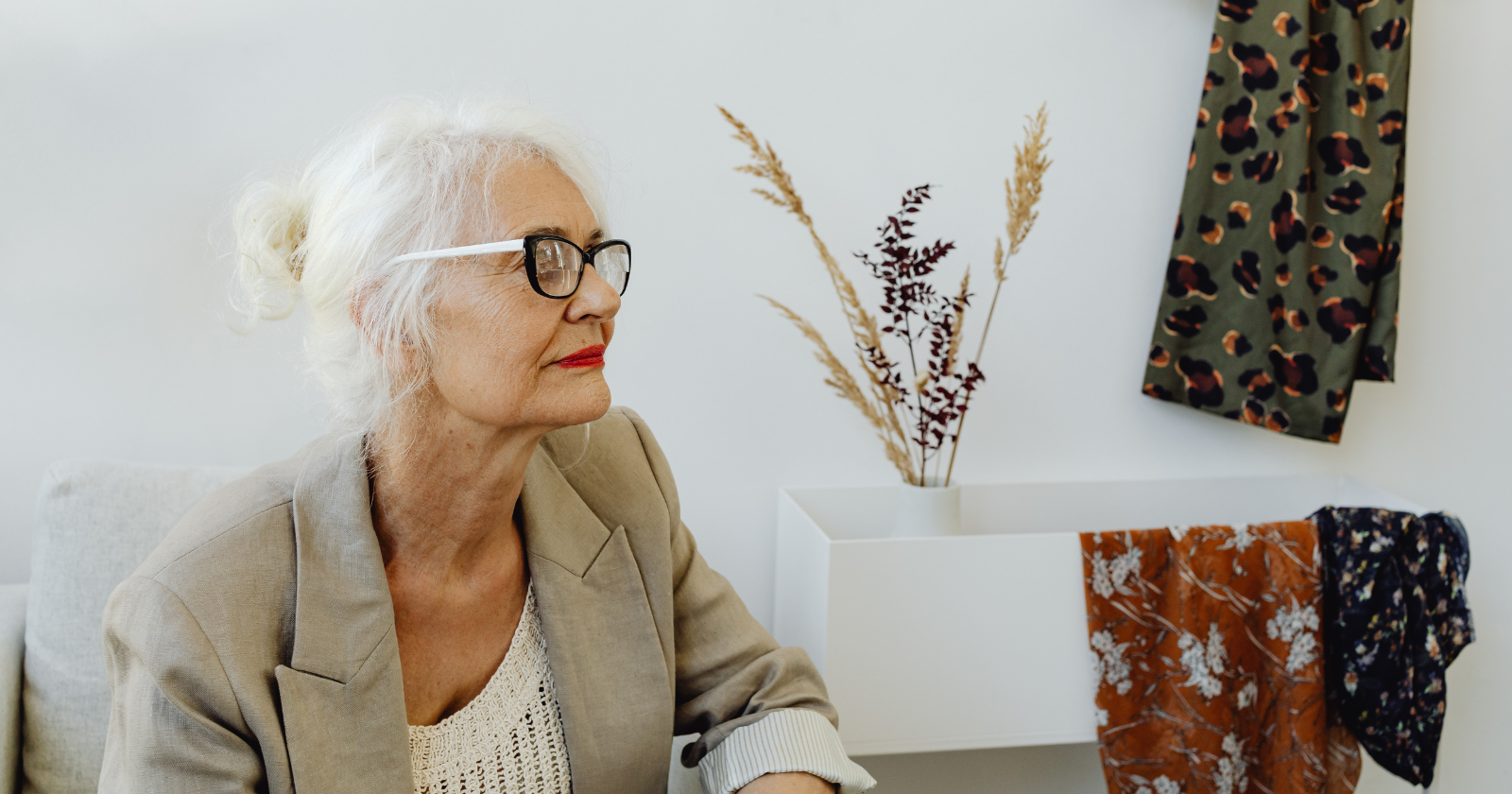
"The more I stand up for myself, the less universally liked I become. And surprisingly, I'm completely fine with that."
"I thought this was just being nice. Turns out, I was playing a game that most of us learn without ever being taught the rules: be agreeable, be flexible, be easy."
"Every interaction becomes a calculation. Every opinion gets filtered through the question, 'Will this upset anyone?' You become so good at reading the room that you forget to read yourself."
"Older adults who are truly likeable don't rely on charm or social tricks. Their likeability comes from depth-humility, perspective, emotional maturity, and a level of presence younger people often haven't developed yet."
A woman at a grocery store exemplifies the shift in social dynamics as she confronts a cashier about being overcharged. The interaction reveals how asserting oneself can lead to a loss of warmth in social exchanges. The author reflects on their own experiences of diminishing self-expression to maintain likability, realizing that this behavior is exhausting and often leads to neglecting personal needs. The distinction between respect and likability becomes clear, emphasizing that true likability in older adults stems from emotional maturity and depth rather than charm.
Read at Silicon Canals
Unable to calculate read time
Collection
[
|
...
]